
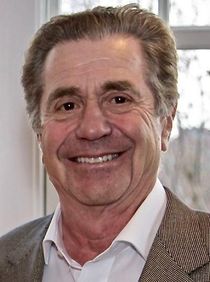
Nevins is co-publisher of The Fulcrum and co-founder and board chairman of the Bridge Alliance Education Fund.
As the co-publisher of The Fulcrum it is my responsibility to adhere to the principles of our daily publication.
Our mission states we are “a platform where insiders and outsiders to politics are informed, meet, talk, and act to repair our democracy and make it live and work in our everyday lives.”
We approach all our news stories with an open and skeptical mind, and with a determination, through research and critical thinking, to acquaint our readers with a wide range of viewpoints.
As best we can, we remove personal bias from our reporting and seek a variety of perspectives in the opinion pieces we choose to publish.
And while many publications endorse candidates, The Fulcrum has never done so.
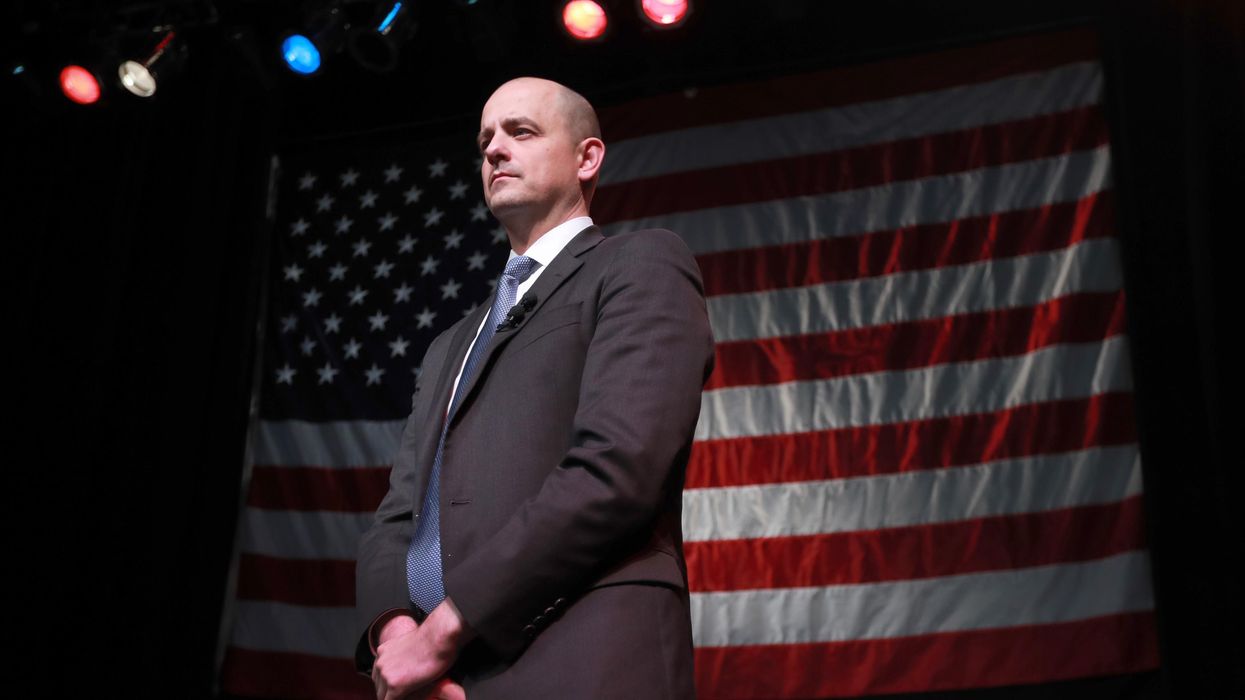
With the above in mind it is with great caution and forethought that I announce my personal support for the election of Utah’s Evan McMullin to the Senate. This is not a change in policy for The Fulcrum, which continues to focus on coverage of solutions to the problems plaguing our nations without endorsing any specific ideas or people.
Few deny that our political system is broken. The crippling partisanship and grinding gridlock in Congress that frustrate and anger most Americans must come to an end. However, election after election we vote for candidates who put political parties over the needs of our country. Does anyone really believe virtually every candidate’s promises that they will solve our problems and deliver real solutions to our nation’s problems? To believe so is the definition of insanity. Something must change in the type of people we elect.
Political leadership must change. The sound bite nature of media coverage must change. The very nature of the national dialogue must change. The behavior that people accept from our leaders must change.
And that is why I am supporting Evan McMullin for Senate.
McMullin is a former Republican, now a declared independent and fully backed by the Democratic Party. He says uniting voters across the spectrum is the only way to unseat the incumbent,Trump ally Mike Lee.
"People are sick of the divisiveness," McMullin told People. "We've got mounting challenges in Utah — inflation is worse here than almost anywhere else, air quality is a real challenge especially during the summer, we're running out of water in a historic drought, we've got high cost of health care and on and on. Politics of division and extremism just don't solve them, and people are tired of it."
Our nation is at a crossroads. Now more than ever, when we are locked into a divisive political battle between left and right, we can – and we must – come together to support one thing that unites us all: a belief in the freedom of people to determine their own destiny.
I believe Evan McMullin embodies these principles.
MuMullin is looking for votes from what he calls "principled Republicans," as well as Democrats and, of course, independents. This is not the typical way candidates seek election. McMullin says: "We're building a coalition of Utahns who have not been well represented in Utah or national politics for decades."
He continues: "We listen to each other. That's what's happening here that I don't think is happening anywhere else in the country, but it needs to. Our country will not survive if we don't build a new, sustainable coalition to defend our democracy. Even if it is Pollyanna-ish, it's what we have to do."Typically independent candidates do not succeed because finding a coalition of conservatives, moderates and liberals is a difficult task indeed. "It doesn't mean there aren't tough conversations. We don't agree on everything, and that's okay," McMullin says. He looks for moderate solutions that most people support. He explains, for example, he's a gun owner who believes in "sensible reform." People can enjoy their Second Amendment right and laws can protect against gun violence. "It's not an either-or."
McMullin’s campaign is focused on the vast middle that he believes represents America. While he admits we all don’t agree on the issues "we agree on standing up to the extremes."
Our country needs bold leadership. We need leadership that is direct and honest in public statements and puts ethical commitments above partisan or career objectives. I believe McMullin embodies this principle.
Our country needs leaders who respect all persons, including opponents, and are willing to engage constructively. I believe McMullin embodies this principle.
Our country needs leaders who take full accountability for actions through a willingness to amend one’s positions, learning from one's mistakes, thus resulting in a more constructive approach to problem identification and solutions. I believe McMullin embodies this principle.
Our country needs leaders who always remain open to learning new information and seeking it out through supporting research and analysis that actively broaden one’s horizons. I believe McMullin embodies this principle.
Our country needs leaders who are willing to demonstrate bold leadership by taking political risks if necessary to advance controversial policies, particularly those likely to bring long-term benefits. I believe McMullin embodies this principle.
Only with leaders like Evan McMullin can we defeat the tribalism that separates us as a nation and build bridges and alliances beyond one’s constituency. By adhering to the principles that I believe guide McMullin, and leaders like him, we can build trust and understanding as a nation. "We are at a real crossroads in American history when we have to get back to basics. This coalition is defending what matters most in America and without that we won't solve any other problems in our country," he asserts. "Every generation or two there is a realignment in American politics," McMullin says. "And we need that right now to stand up to those who threaten our democracy.”
I agree.