




America is in the midst of a crisis of character with an assault on our shared values. Our nation’s leader is attacking our very Constitution as well as encouraging each of us to view each other as enemies.
America’s Founding Fathers recognized the trouble this could be for the success of our national experiment.
Going back to the beginning, in his first inaugural address, our first president, George Washington, understood the need for unity and that he served the people of this new nation. He described the “indissoluble union” between virtue and happiness, stating that a nation's prosperity depended on adhering to a set of principles.
In his first address to the nation, Washington shared: “In these honorable qualifications, I behold the surest pledges, that as on one side, no local prejudices, or attachments; no separate views, nor party animosities, will misdirect the comprehensive and equal eye which ought to watch over this great Assemblage of communities and interests: so, on another, that the foundations of our national policy, will be laid in the pure and immutable principles of private morality; and the pre-eminence of free Government, be exemplified by all the attributes which can win the affections of its Citizens, and command the respect of the world.”
There have been 45 different presidents since the office was established in 1789 with Washington; what we are now witnessing when it comes to “immutable principles of private morality” from Washington's 44th successor is horrendous.
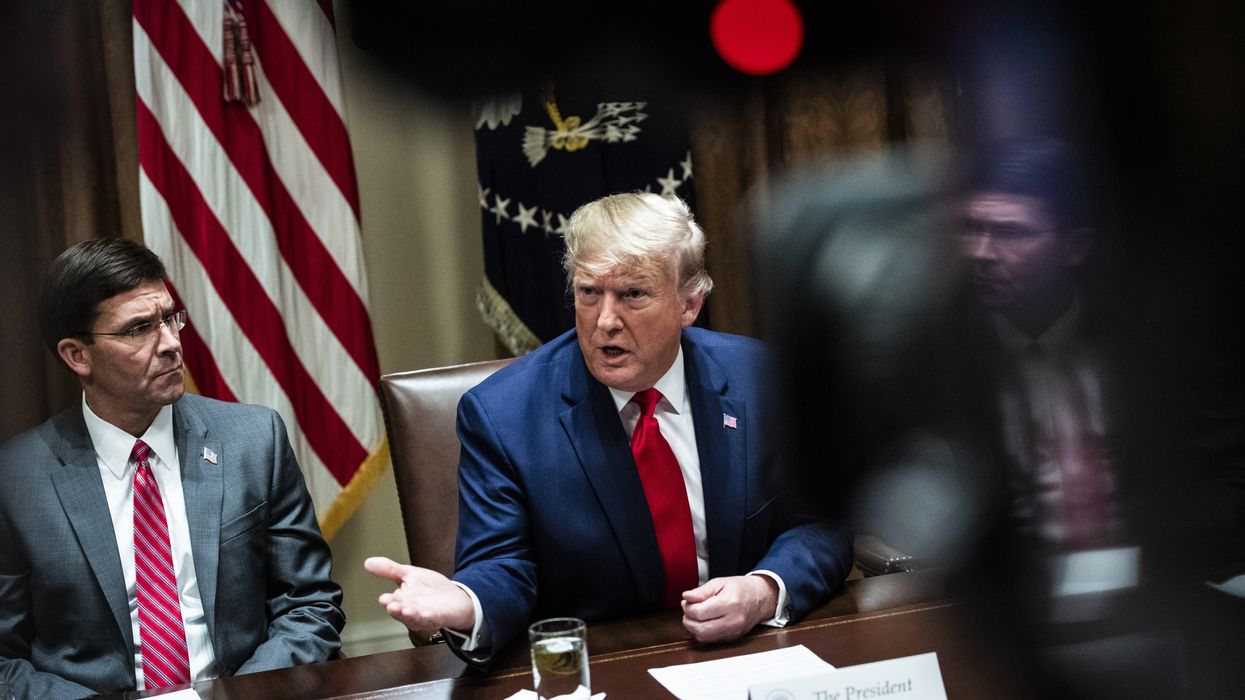
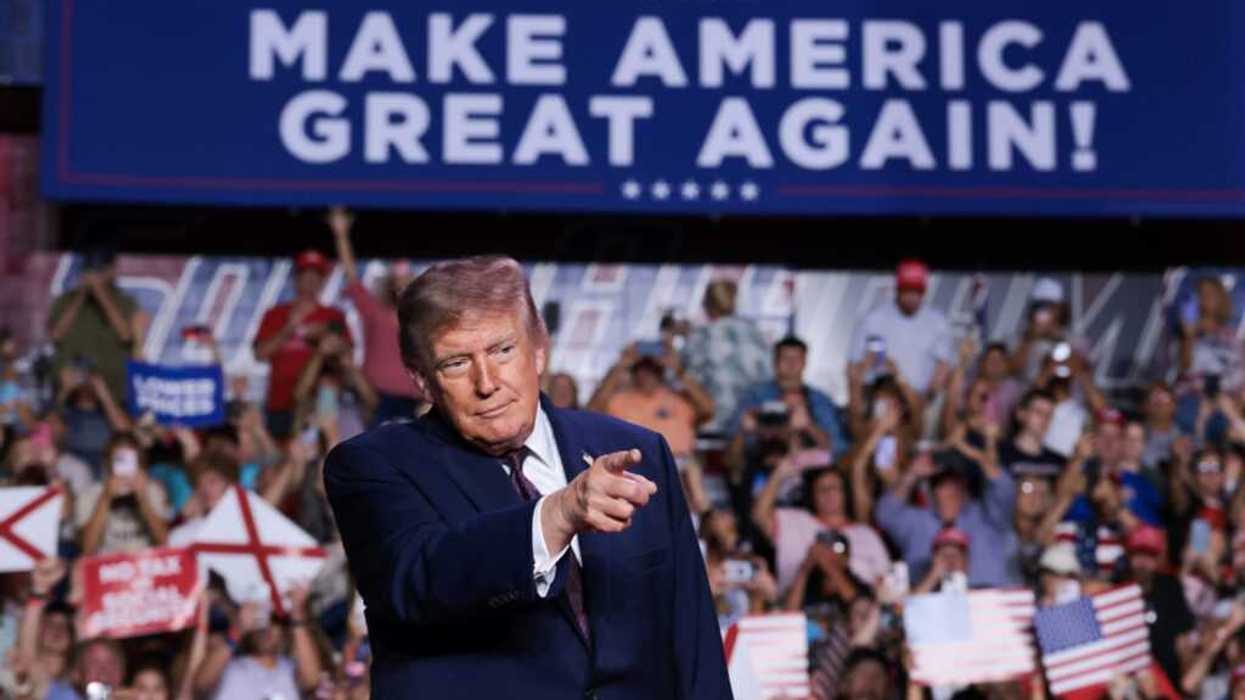
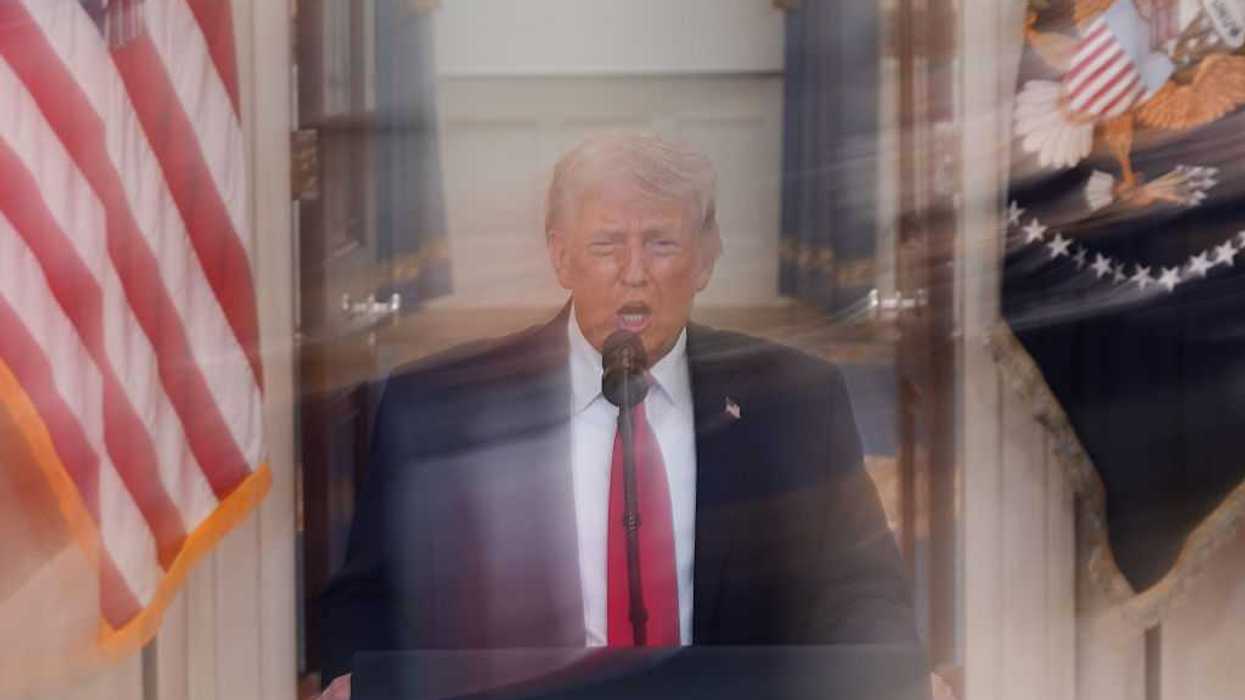
President Donald Trump’s character has been in question since he entered public life, with plenty of examples to point to of his crassness or cruelty. We all saw him make fun of the New York Times reporter with a disability. We heard him bragging that he could grab women by their private parts, as well as disparaging our war heroes.
But what makes this period more dangerous is the fact that Trump is using the full force of the executive branch and the bully pulpit to seek retribution and enact an agenda based on cruelty.
Here are just a few examples, in no particular order, of Trump’s actions or rhetoric in just the last couple of months:
Trump told mourners at Charlie Kirk’s memorial service, “I hate my opponent, and I don’t want the best for them.”
During a Fox News interview, following the assassination of Kirk, Trump said that he “couldn't care less” about unifying the country.
While speaking at an Oval Office press conference on autism, Trump blamed mothers for their child’s autism and told women that they need to “tough it out.”
At the United Nations General Assembly, Trump told world leaders that their “countries are going to hell” if they do not follow his policies.
During an address to the U. S’s top generals and admirals, Trump suggested troops use cities as military “training grounds” and that “That’s a war too. It’s a war from within.”
Ghislaine Maxwell, who was convicted and sentenced to 20 years in prison for conspiring with Jeffrey Epstein to sexually abuse minors, was moved to a minimum-security facility shortly after meeting with Deputy Attorney General and former personal attorney to Trump, Todd Blanche.
Detaining U.S. citizens without due process, as well as sending immigrants to foreign gulags or countries outside their country of origin.
Trump directed the Department of Justice to pursue his perceived political enemies, like former FBI Director James Comey, as well as others, via a Truth Social post to “Pam” (Attorney General Pam Bondi).
Just a short time after meeting in the White House to discuss the government shutdown, Trump shared an AI-generated video on social media, depicting House Minority Leader Hakeem Jeffries wearing a sombrero and a mustache.
Every American should be asking themselves, do Trump’s ideals and actions, like some of the ones mentioned above, align with the core of our founding and those fundamental mores that
Washington encouraged all of us, but especially the President, to uphold.
Since voters do not generally vote on character and instead on things that matter more to them, like the cost of eggs or safety in their communities, we are left to confront the issue of shared values at a societal level, while at the same time holding our political parties responsible for not acting as guardrails.
Please make no mistake, the blame for the unbelievable fall from grace lies with the President of the United States and the Republican members of Congress who have abdicated their power to provide a check or to legislate.
However, the Democrats are not without fault in this regard. The Democratic Party appears unable to step up to meet this moment, as evidenced by its failure to recognize the threat and put forward a strong 2024 presidential nominee.
What Americans are living through now is not about left versus right, Democrats versus Republicans, or even liberal versus conservative—it is rejecting what is in front of us and recommitting to the values that we, as Americans, believe in and have based this fragile experiment upon.
Lynn Schmidt is a columnist and Editorial Board member with the St. Louis Post-Dispatch. She holds a master's of science in political science as well as a bachelor's of science in nursing.









The President Invited Iran to Bomb My Home