
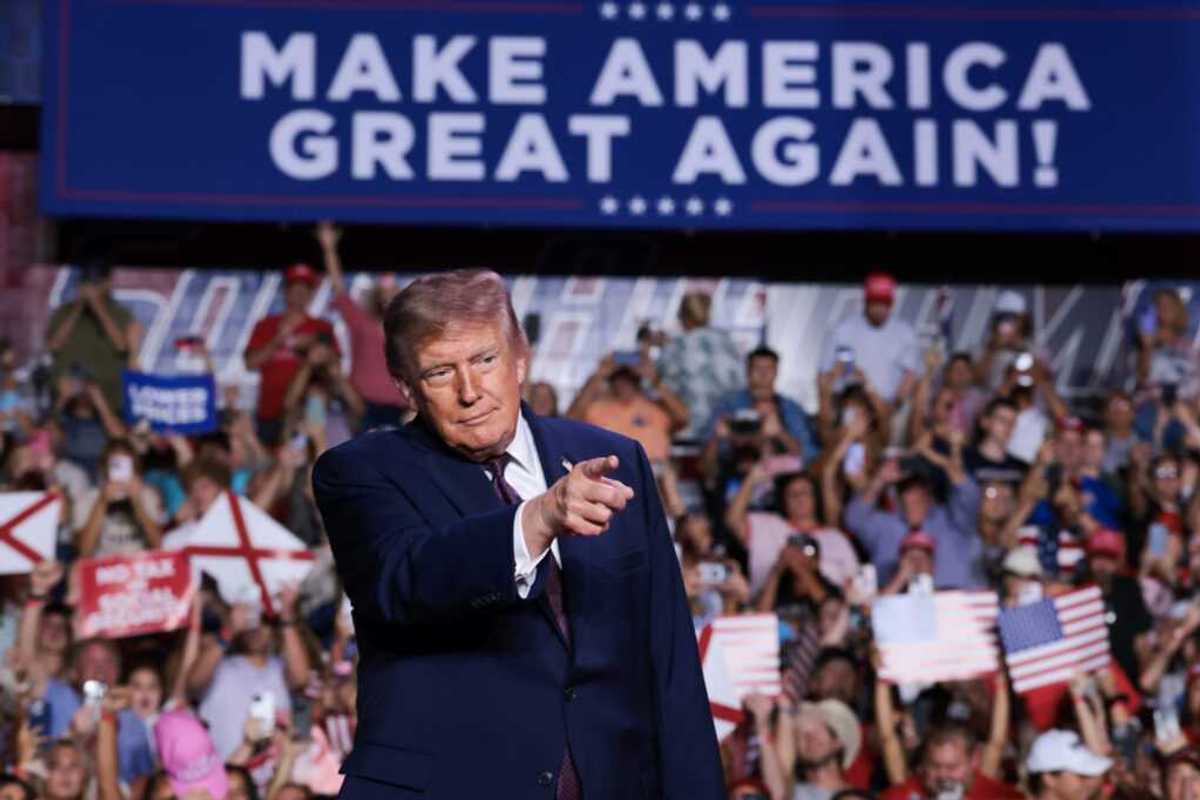

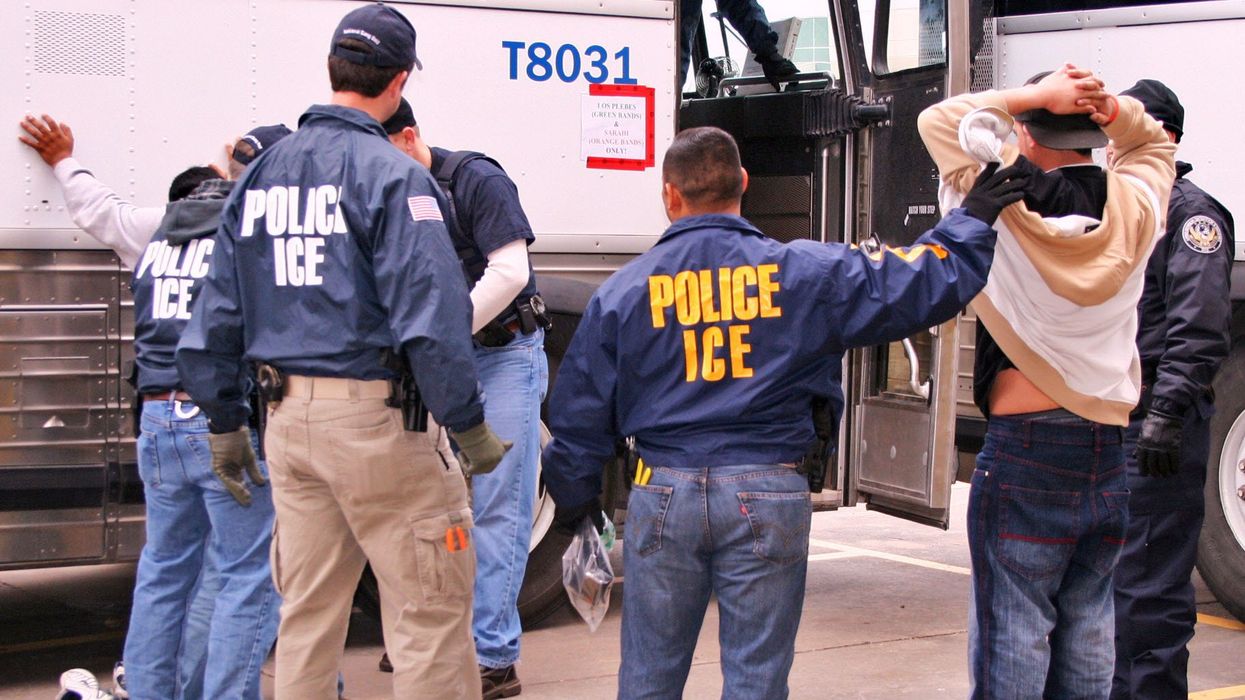
The poem you’re about to read is not a quiet reflection—it’s a flare shot into the night. It emerges from a moment when the boundaries between surveillance and censorship feel increasingly porous, and when the act of reading itself can be seen as resistance. The poet draws a chilling parallel between masked agents detaining immigrants and the quiet erasure of books from our schools and libraries. Both, he argues, are expressions of unchecked power—one overt, the other insidious.
This work invites us to confront the slippery slope where government overreach meets cultural suppression. It challenges us to ask: What happens when the stories we tell, the knowledge we share, and the communities we protect are deemed threats? And who gets to decide?
As you read, consider not just the words on the page, but the freedoms they represent—and the vigilance they demand.
We wait. In freedom, we read:
Some history, some fiction, some memoir.
The bus is late; but we don’t heed
Since we have our devoir to complete:
Books, our trusty companions, they are.
-
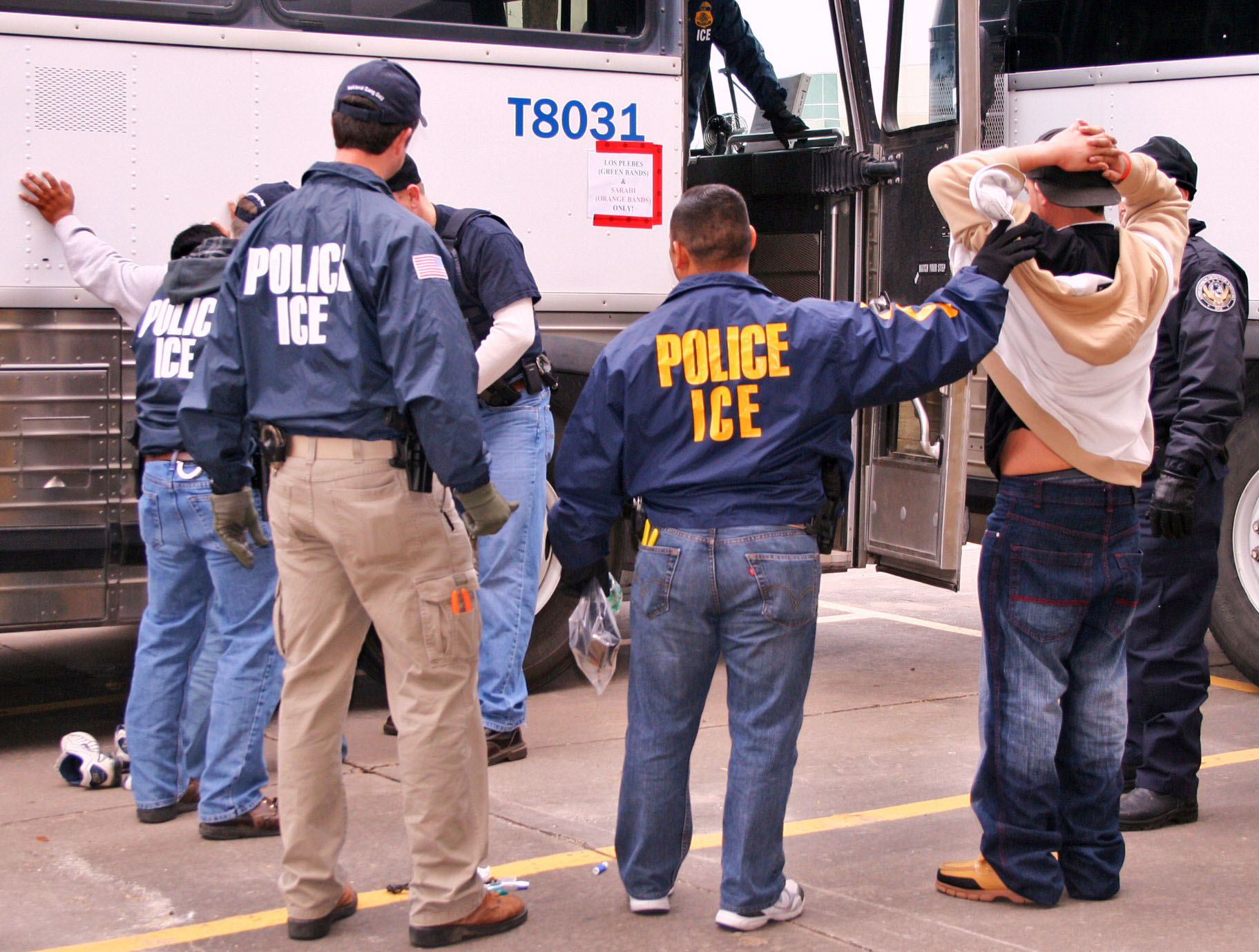
Screeching to a stop, a Hummer unloads
Masked men in lumpy uniforms, batons
At the ready to bruise us, this bodes
Ill for our library, for our printed icons.
-
“Hand it over!” they shout, pointing
At History, at Fiction, at Memoir.
Confiscating all in a smelly black trash bag
Already torn, too full with the harvest
From other bus stops, like us left sad.
-
On board, bookless, we are reduced
To reading bus ads for crypto, red headwear,
Pushed by the huckster-in-chief.
Many of us barely afford bus fare.
-
Seizing these wordy companions
Incites a flame, an anger that burns
Like Sahara hot dunes, a Grand Canyon
Of loss, an empty desert that spurns
Intelligent life for the wasteland.
-
There is horror over coward leaders
Bent on squelching anything green.
No fresh shoots allowed, all sparks
Are snuffed to repeating brainless
MAGA lies about the doddering king.
-
One day the dunce will expire
And all of his commands wither.
Anew we will again rise higher
To craft new tomes of how
People, born free, can throw off
Groupthink shackles, to celebrate
Swelling reason to rise from the trough.
-
Yes, they may burn our books.
Yet, our stories live inside us,
Our minds cannot be enslaved.
Our minds crave what’s righteous.
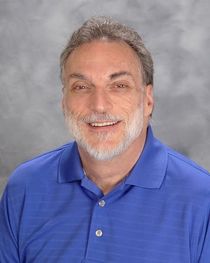
Michael Varga is the author of “ Under Chad’s Spell." He was a Foreign Service officer, serving in Dubai, Damascus, Casablanca, and Toronto









The President Invited Iran to Bomb My Home