
Skip to content
Search

Latest Stories

Follow Us:
Top Stories

Video: David Levine Speaks to Philadelphia Election Official Seth Bluestein

Ballots & Bagels Ep. 2: David Levine Speaks to Philadelphia Election Official Seth Bluestein
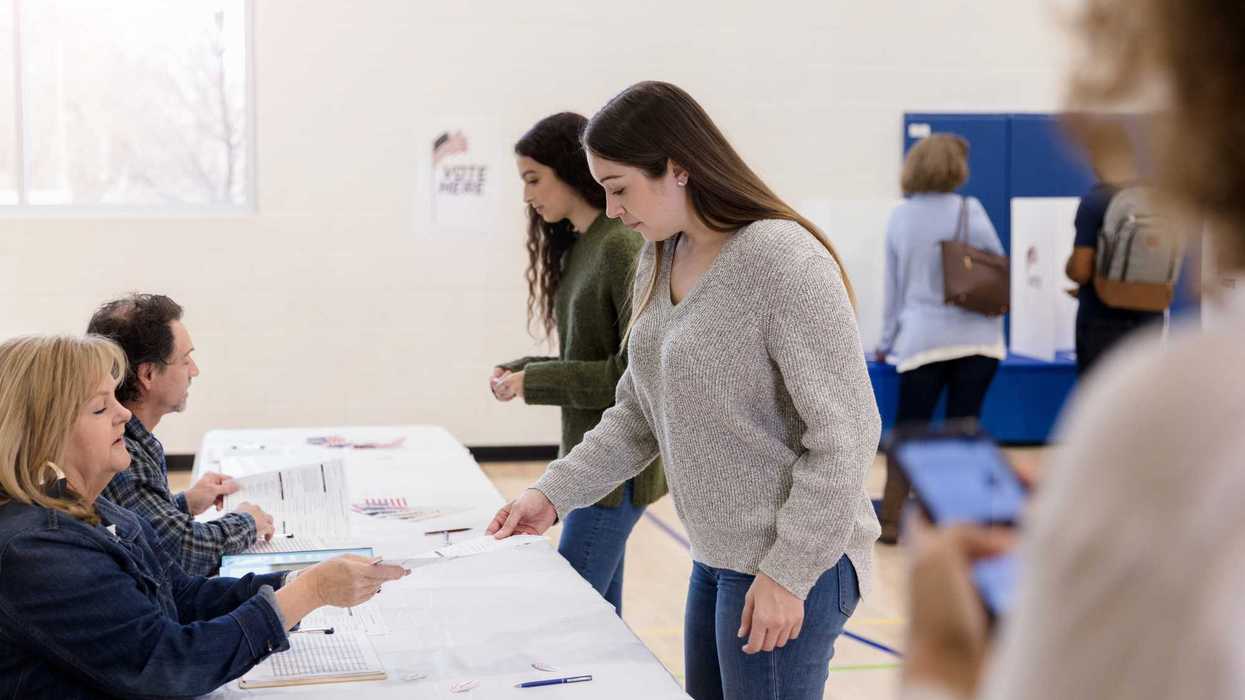
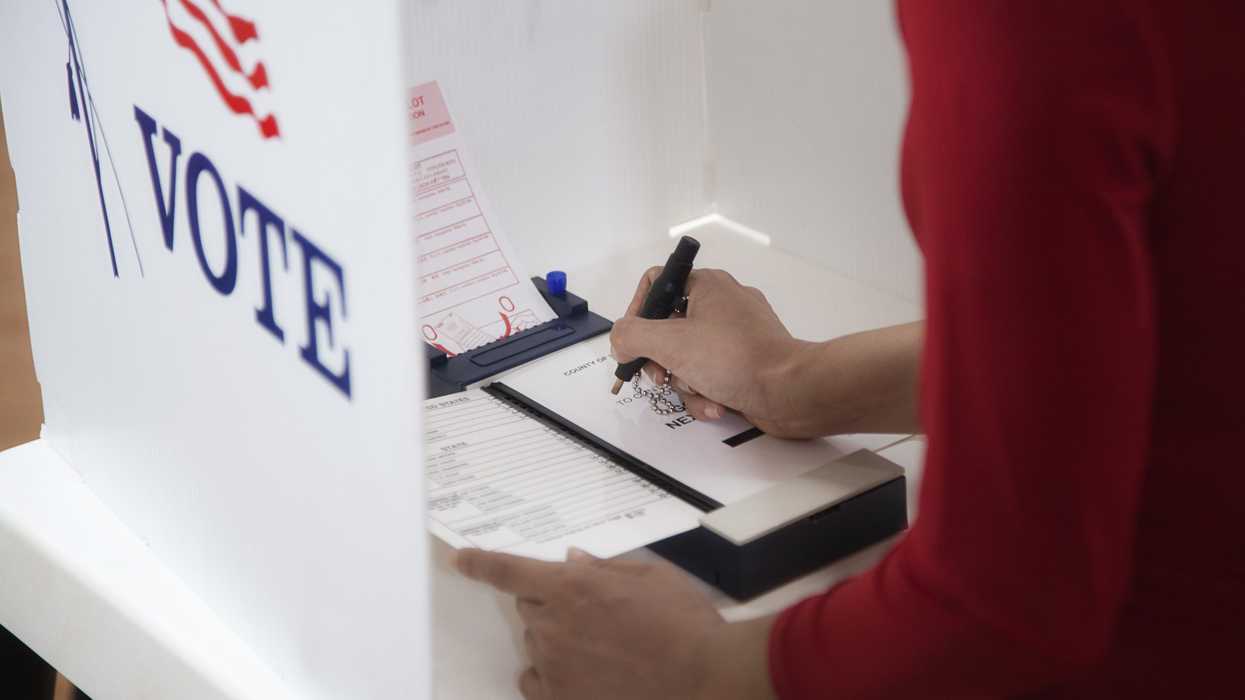
In episode 2 of the Alliance for Securing Democracy’s Ballots & Bagels series, Elections Integrity Fellow David Levine speaks to Seth Bluestein, city commissioner for the Philadelphia, Pennsylvania Board of Elections, about what we can learn from Pennsylvania’s May 17 primary election.


Read More

Protestors outside, holding signs that read, "Justice for survivors" and "National Organization for Women."

Protesters gather as Harvey Weinstein arrives at a Manhattan court house on January 06, 2020 in New York City.

Getty Images, Spencer Platt

We Teach Prevention to Victims, Not Accountability to Power

Each time a major sexual assault case comes to light, the public conversation follows a familiar pattern. Awareness campaigns are launched. Safety tips are shared. People are reminded to watch their drinks, walk in groups, and trust their instincts. The focus quickly turns to what potential victims should do differently.

But the harder question remains: Why does sexual assault continue to happen on such a large scale?

Keep ReadingShow less
The Democratic Party - Missing in Action

Democratic party donkey symbol

Getty Images

The Democratic Party - Missing in Action

The country has been suffering under the thumb of Trump now for more than a year. So much of our country and people's lives are in shambles because of his actions. He has broken his promises to his middle-class and rural supporters (see my article, "Listen Up, Trump Supporters!"). He has disabled government agencies that protect the people. He has not only taken America to war against Iran without much of an explanation or the approval of Congress, but clearly the war and all the billions that have been spent and will be spent have not and will not result in anything that improves the interests of the United States in the region, and may in fact worsen them.

Trump controls, in large part, by being the most forceful presence, not just in the United States but in the world. In his king-like demeanor, he constantly takes action to undermine or destroy the government's traditional roles; he is a congenital liar, and he is so revered by his followers that he controls the airwaves and the media. The Democratic Party—the loyal opposition—has had no forum to act since Trump has mostly side-stepped his totally subservient Congress in moving his policy agenda forward.

Keep ReadingShow less
Statue of George Washington

George Washington saved the American Revolution not by winning battles, but by refusing defeat. From the daring 1776 Brooklyn evacuation to lessons for the 2026 US-Iran conflict, this story explores how wars are won through endurance, not just victory.

Tetra Images/Getty Images

Washington, the Military Escape Artist

Many wars are remembered for decisive battles. The American Revolution survived because one army refused to be destroyed.

George Washington understood that reality during the darkest months of the Revolutionary War. In 1776, the American rebellion stood on the edge of collapse. The Continental Army had been defeated repeatedly, and the British believed the conflict might soon end with a single decisive blow.

Keep ReadingShow less
Empty Bravado: Trump’s Hollow Swagger Behind  Iran War

U.S. President Donald Trump on March 11, 2026.

(Photo by Andrew Harnik/Getty Images)

Empty Bravado: Trump’s Hollow Swagger Behind Iran War

In moments of war, a president’s words carry enormous weight. They can steady markets, reassure allies, and signal strategic clarity — or they can do the opposite. President Donald Trump’s handling of the 2026 conflict with Iran has been a case study in the latter: a torrent of contradictions, self‑justifications, and evasions that leave the public less informed and the world less stable.

Across the political spectrum, reporting paints a consistent picture. Even as U.S. and Iranian negotiators scrambled to establish a cease-fire framework, Trump continued to insist the conflict was “limited,” “short,” or “nearly wrapped up,” despite ongoing strikes and regional spillover. Diplomats described the situation as “fragile” and “volatile,” yet the president publicly framed it as a minor dust‑up rather than a major regional crisis. Minimizing a war’s scope doesn’t make it smaller — it simply obscures its costs.

Keep ReadingShow less