




Winning elections is, in large part, a question of which Party is able to define the battle and define the actors. Trump has so far defined the battle and effectively defined Democrats for his supporters as the enemy of making America great again.
For Democrats to win the 2026 midterm and 2028 presidential elections, they must take the offensive and show just the opposite–that it is they who are true to core American principles and they who will make America great again, while Trump is the Founders' nightmare come alive.
What is the battle about, as Trump has defined it? It's about stopping illegal immigration and deporting those already here, it's about removing "wokeness" from all areas of government and government-funded activity, it's about increasing the power of the presidency, and it's about "securing" our elections.
These are all issues Democrats can turn to their advantage. I suggest Democrats add two other issues: restoring the lives of American workers and rebuilding the rural economy.
And all these issues should be advocated as centrist, grounded in the core principles of the Declaration of Independence.
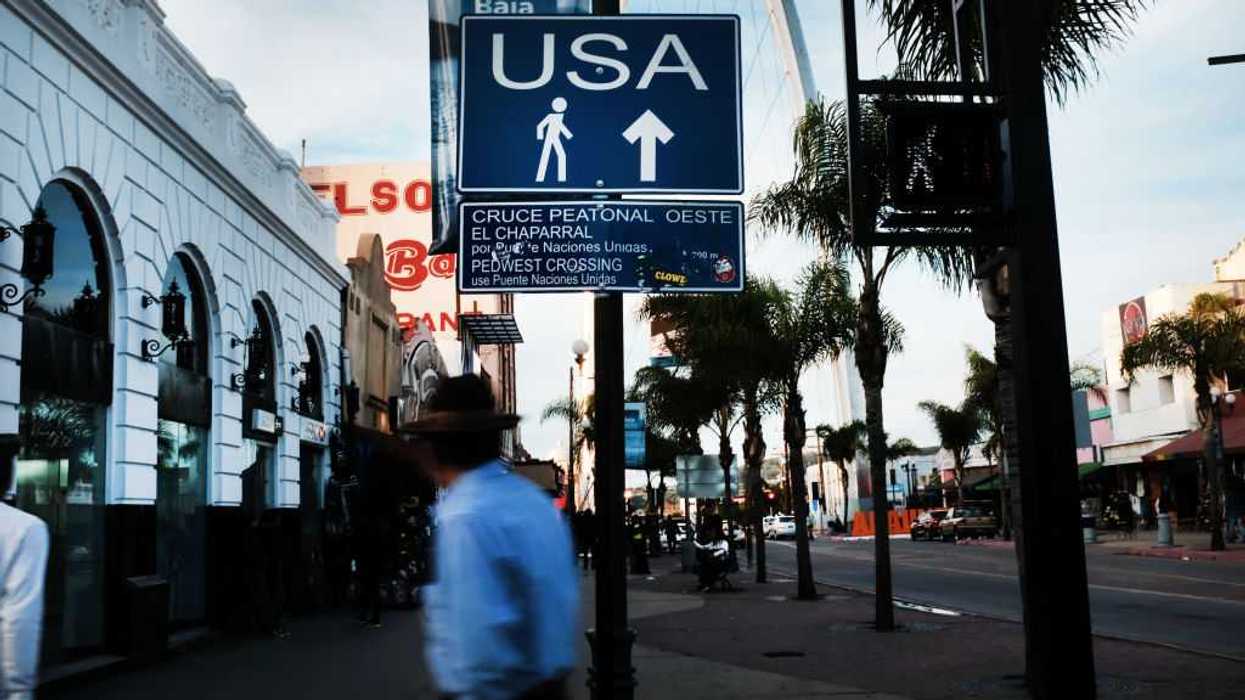
Illegal Immigration: Both parties agree that illegal immigration must be stopped at the border. They differ on what to do about the 11 million undocumented immigrants already in the U.S., most of whom have been living here for years, working, paying taxes, etc.
The Trump attitude is to deport them all—no one is safe from ICE's dragnet. Trump is wrong on both the facts and American values.
While he rails against undocumented immigrants as criminals, U.S. Customs and Border Protection data shows that only a small number of illegal immigrants have committed crimes other than illegal entry and DUI. Data from the Texas Deptartment of Public Safety further shows that undocumented immigrants have substantially lower crime rates than U.S.-born citizens.
Democrats must advocate that deportation should be selective, based on whether an individual has been convicted of a crime other than illegal entry. For all others, a path to citizenship should be provided that requires a minimum mastery of English. This is in keeping with the Declaration of Independence's principle that all men have the right to "life, liberty, and the pursuit of happiness." See my article, "A Democrat's Answer to the Immigration Problem."
Wokeness: Being aware of the discrimination women, Black individuals, people of color generally, LGBTQ people, and others have suffered in living their lives and pursuing their dreams is "wokeness." Given the centrality to the Declaration of Independence of the right of all people to pursue life, liberty, and happiness, and the government's role in "securing that right"—wokeness is as American as apple pie.
Trump's lack of regard for the rights of those who criticize him or he disdains is un-American. Most Americans, I believe, would agree that all citizens have the moral and spiritual right to live their lives and pursue their dreams.
What, however, many Americans do not agree with are two outgrowths of wokeness. One is giving preference to these groups in job and college applications. Regardless of past injustices, this is not equality; one shouldn't replace one injustice with another. Democrats must recognize that preferential treatment is not the American way; equal opportunity is.
The second is politically incorrect speech. Many advocates think negative words describing ethnic or racial groups should not be part of the accepted vocabulary because they express bigotry. And so, people have been castigated for using the "N" word, kike, or spic, for example.
But the First Amendment guarantees the right of free speech. Legally, one couldn't stop or punish someone for using politically incorrect speech, regardless of how offensive. You can preach tolerance, but you can't punish spoken bigotry.
Democrats should be against both these outgrowths of wokeness.
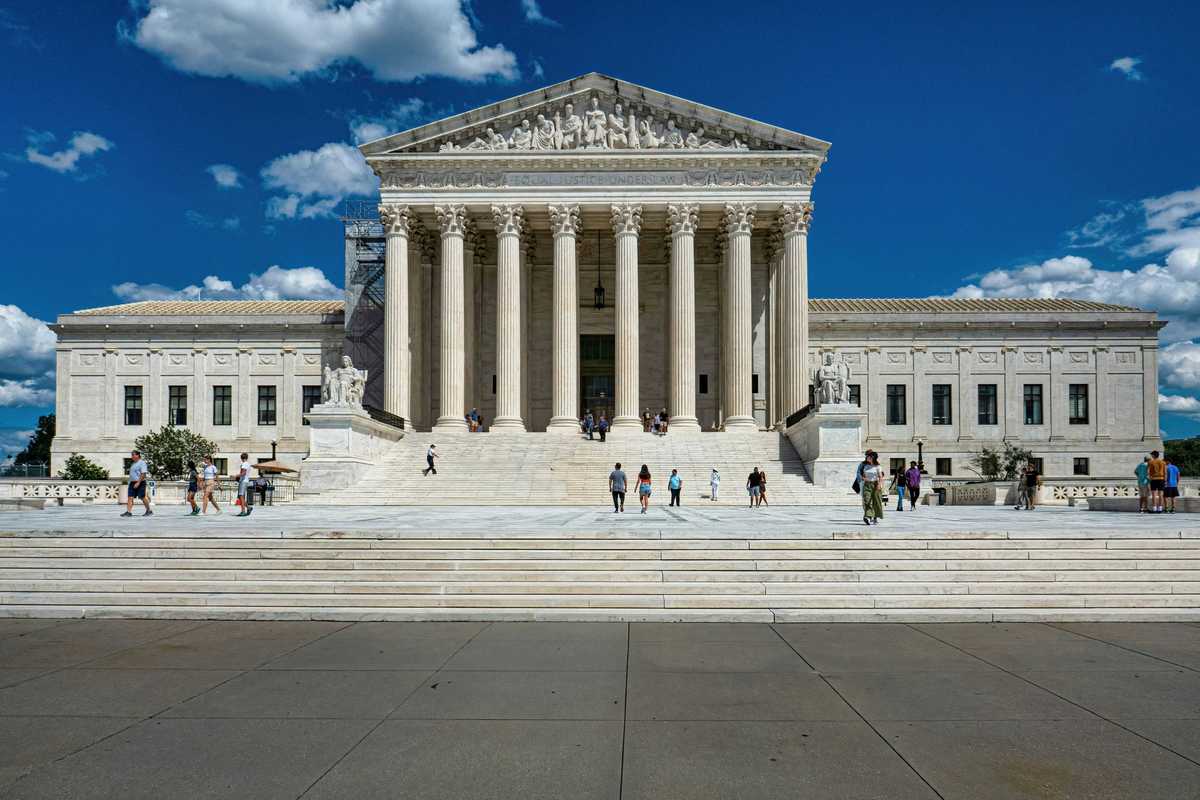
The Power of the Presidency: Trump has expanded the power of the presidency. He has staffed the executive branch with people who will do anything he asks. He has turned Congress into a rubber stamp for implementing his wishes. And he is attempting to make the Judiciary subservient to his wishes.
This is contrary to a core American principle. After stating their grievances against the British king's absolute power in the Declaration of Independence, the Founders designed the American government so that no one person would ever be in a position to hold such power. Under the "balance of power" they created, the three independent branches of government—Executive, Legislative, and Judicial—each provide a check on the exercise of power by the other.
But that balance has been eviscerated by Trump. He has amassed to himself the power the Founders abhorred.
Democracy - Secure Elections:
The election of representatives by the people is a core foundation of American democracy. One of Trump's MOs is complaining that elections are "rigged." Yet the court cases and requests for recounts/audits he filed to argue fraud and other irregularities in the 2020 election all found that there was none.
Ironically, it is Trump and his MAGA allies who are rigging the elections by advocating measures that impede voting by the poor, people of color, and even seniors. And by encouraging—demanding—red states to gerrymander so that more House seats are Republican seats, he is diluting the Democrats' vote.
Despite his losing all efforts to find fraud in the 2020 election, he still did not concede that he lost. That led to him breaching another American principle—the peaceful transfer of power. He attempted to interfere with Congress's certification of the election, and when that failed, urged his followers to storm the capital to prevent the certification.
Trump is, indeed, the Founders' nightmare come alive. It is instead the Democratic Party that is true to American principles.
American Workers:
American workers have suffered for 50 years as jobs moved offshore and wages stagnated. Democrats were focused elsewhere. Many workers voted for Trump because he championed their grievances. But he has done nothing. Democrats must champion policies that will help workers rebuild their financial well-being so that they too can pursue their right to "life, liberty, and happiness."
Rebuilding the Rural Economy:
People living in rural America have also suffered over the past 50 years as large corporate farms gobbled up small family farms, as rural industries closed, and as people moved into cities for want of jobs.
Democrats strengthened the rural economy in the 20th century, but have been largely absent as it has declined. Democrats must develop a vision and policies that will rebuild the rural economy and bring prosperity back.
Make America great again by returning to our founding principles, helping the American worker, and rebuilding rural America.
Last, but certainly not least, it's not enough to have a great message if you don't get it out to the public effectively. That means rebuilding a strong presence in rural America. That means taking advantage of every opportunity for mass exposure, including podcasts of every political stripe. Democrats have nothing to lose and everything to gain by appearing on far-right podcasts; it gives them an opportunity to speak directly to people inclined to vote against them and rebut fake news with their perspective. It gives them an opportunity to show their strength and character.
Ronald L. Hirsch is a teacher, legal aid lawyer, survey researcher, nonprofit executive, consultant, composer, author, and volunteer. He is a graduate of Brown University and the University of Chicago Law School and the author of We Still Hold These Truths. Read more of his writing at www.PreservingAmericanValues.com