





Double, double toil and trouble;
Fire, burn; and cauldron, bubble.
- Shakespeare
Macbeth’s witches could not have brewed up anything more poisonous than the current political and social climate. No “eye of newt” or “wool of bat” can compete with the venom surging through our country right now as we deal with a government shutdown and dissension between political parties, as well as civil unrest.
In hospital emergency rooms, the staff recognizes a phenomenon called the “Triple Witching Hour.” Three components create this witching hour: the holiday itself, Halloween falling on a weekend, and a full moon.
Halloween will soon be here, and this year it does fall on a weekend night, a Friday. However, the moon will not reach fullness until November 5th, so emergency rooms are safe on that count. Yet, just as a hospital must gear up to handle the madness of a “triple witching hour,” so must we to handle our current and future political climate.
A year from the upcoming “Beaver Moon,” as the November full moon is called, on Nov. 4, 2026, we will be holding mid-term elections. Already, the political machine is turning, and we are beginning to choose and support candidates.
Can we find true “representatives” who will really act as our representatives, and work for their constituents, not simply tow their party lines?
Few of us would have predicted when making, or already breaking, our New Year’s Resolutions last January 1st, what we would be dealing with now. Since January 20th’s inauguration, our country has endured an avalanche of lawsuits, mandates, pardons, tariffs, voting rights challenges, and economic uncertainty. Most did not foresee how much more divisive our politics could become, how protests would escalate, or how personal and devastating the political climate could be for so many.
Our country is on edge.
Such bitterness in this political polarization, such havoc it has racked upon our country and our citizens’ psyches. Such extremism on both sides.
Malcolm Gladwell, in his enormously successful book, The Tipping Point, documents the point at which change becomes unstoppable.
Change itself, of course, is inevitable and the very nature of life.
But destructive change is not. What we cannot let become unstoppable is the toppling of our beloved country.
Before the jack-o’-lanterns shrivel and we have polished off the rest of the Halloween candy, October 31st becomes November 1st, and Halloween turns into All Saints' Day. At the stroke of midnight, we’ll hurdle into the next month, going from demons to saints.
Such opposition is a familiar rhythm, a human one, incorporated into our customs and practices. Similar to the wild partying of Mardi Gras (Fat Tuesday) melding into the somberness of Ash Wednesday for Christians. What a difference a day makes.
And in just a few weeks, we will gather around the Thanksgiving table with family and friends. Or we will not, because we no longer will listen to opinions we do not champion, even if articulated by our favorite uncle, or our own child. Not even if it means severing life-long relationships because of our, or, as we claim, their, extreme political views.
Do we not agree then with our Constitution’s First Amendment, that freedom of speech, religion, press, and assembly is an inalienable right of every citizen?
Our hemisphere will very soon will be careening into winter. Cycles persist, seasons march on, holidays are celebrated, all oblivious to our views, to our great loves, to our intense hatreds. Yet our lives are lived out amidst these cycles, seasons, and holidays.
Will we defend those views we are so certain are right, no matter how extreme,or unlikely they are to ever lead to understanding? Even when they bring great heartache to us, individually, and as a nation?
Or will we recognize the duality of being human, in each of us and all of us, and put relationships we treasure and the country we love, first?
Each of us must choose.
Amy Lockard is an Iowa resident who regularly contributes to regional newspapers and periodicals. She is working on the second of a four-book fictional series based on Jane Austen’s “Pride and Prejudice."







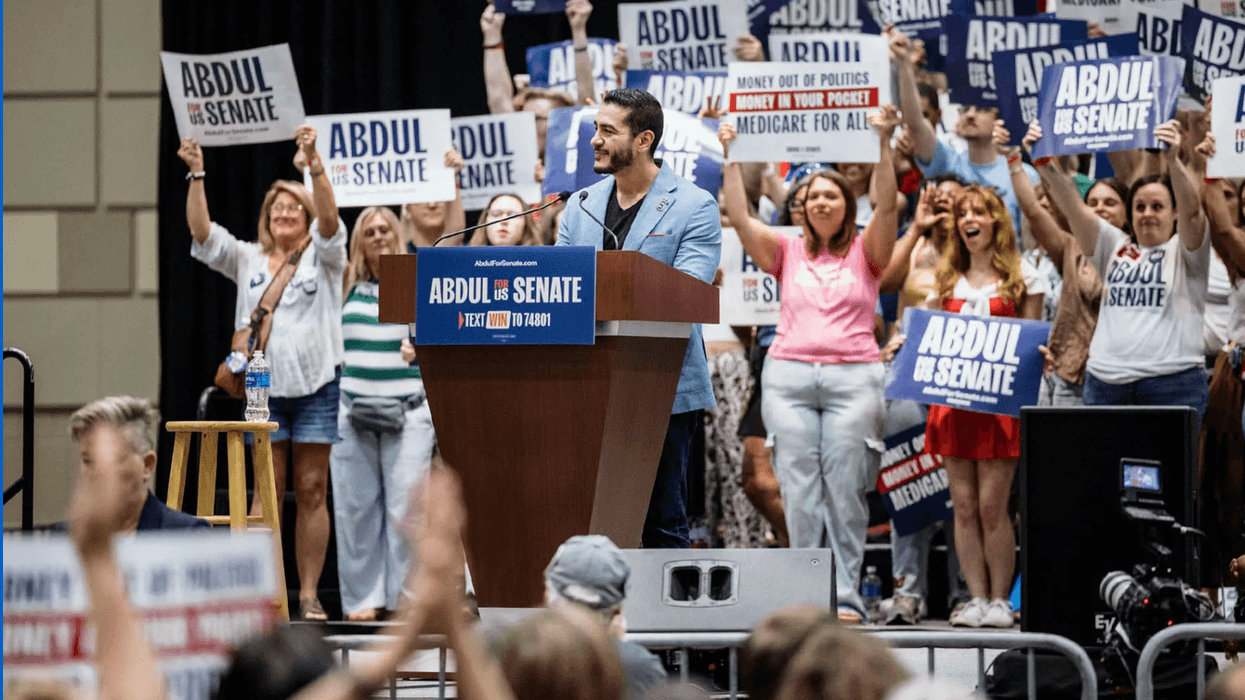
 Rep. Haley Stevens speaks at the Michigan Democratic Party Endorsement Convention in Detroit, Michigan on April 19, 2026. (Andrew Roth/SIPA/AP)
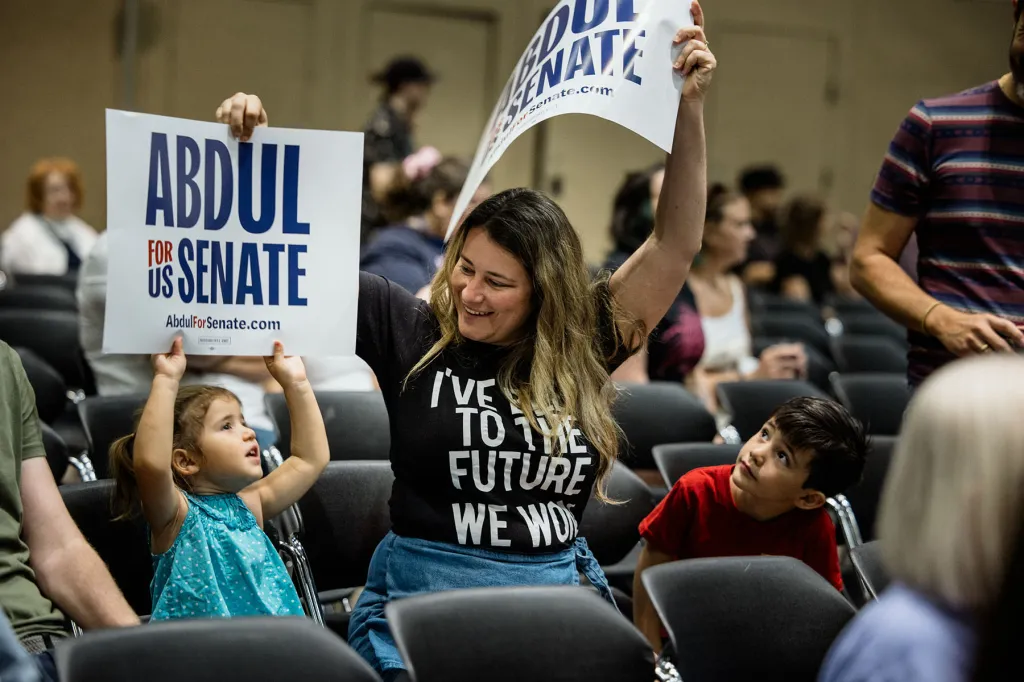 Cecelia Terraza, 36, and her children, Maya, 3, and Rio, 5, hold signs during a rally for Dr. Abdul El-Sayed in Lansing Center, Michigan on July 19, 2026. (Rosem Morton for The 19th)
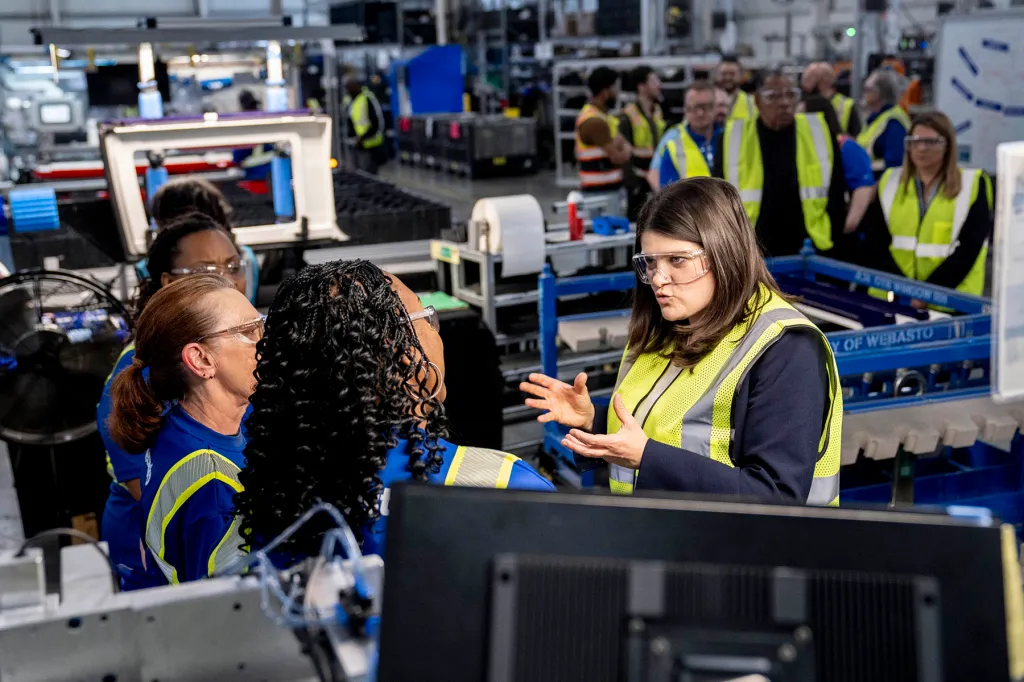 Rep. Haley Stevens talks to women working on the line as she tours the Webasto Plymouth Plant on May 1, 2026 in Plymouth, Michigan. (Sarah Rice/Getty Images)
 The crowd cheers as Rep. Alexandria Ocasio-Cortez, Senate candidate Dr. Abdul El-Sayed and Sen. Bernie Sanders raise their hands during the “People vs. the Powerful” rally at the Lansing Center in Lansing, Michigan, on July 19, 2026. (Rosem Morton for The 19th)