
Almost immediately after being sworn in again, President Trump fired the Chairman of the Joint Chiefs, a Black man.
Chairman Brown, a F-16 pilot, is the same General who in 2021 spoke directly into the camera for a recruitment commercial and said: “When I’m flying, I put my helmet on, my visor down, my mask up. You don’t know who I am—whether I’m African American, Asian American, Hispanic, White, male, or female. You just know I’m an American Airman, kicking your butt.” He got kicked off his post. The first-ever female Chief of Naval Operations was fired, too.
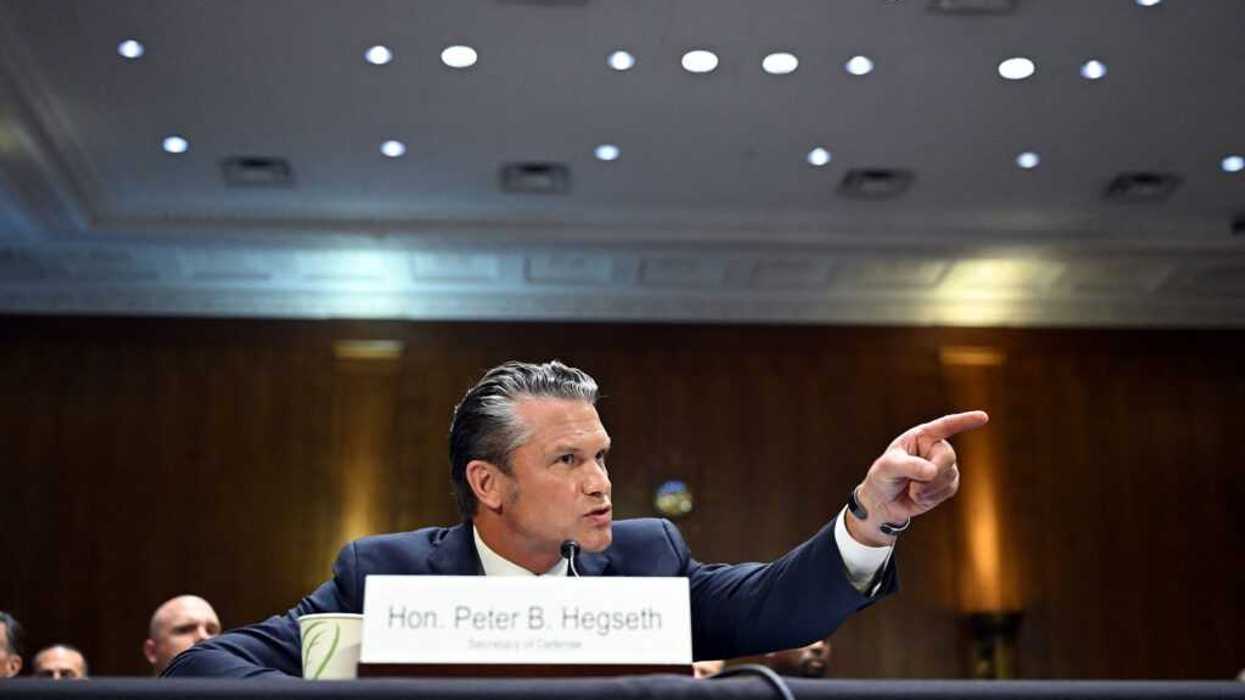
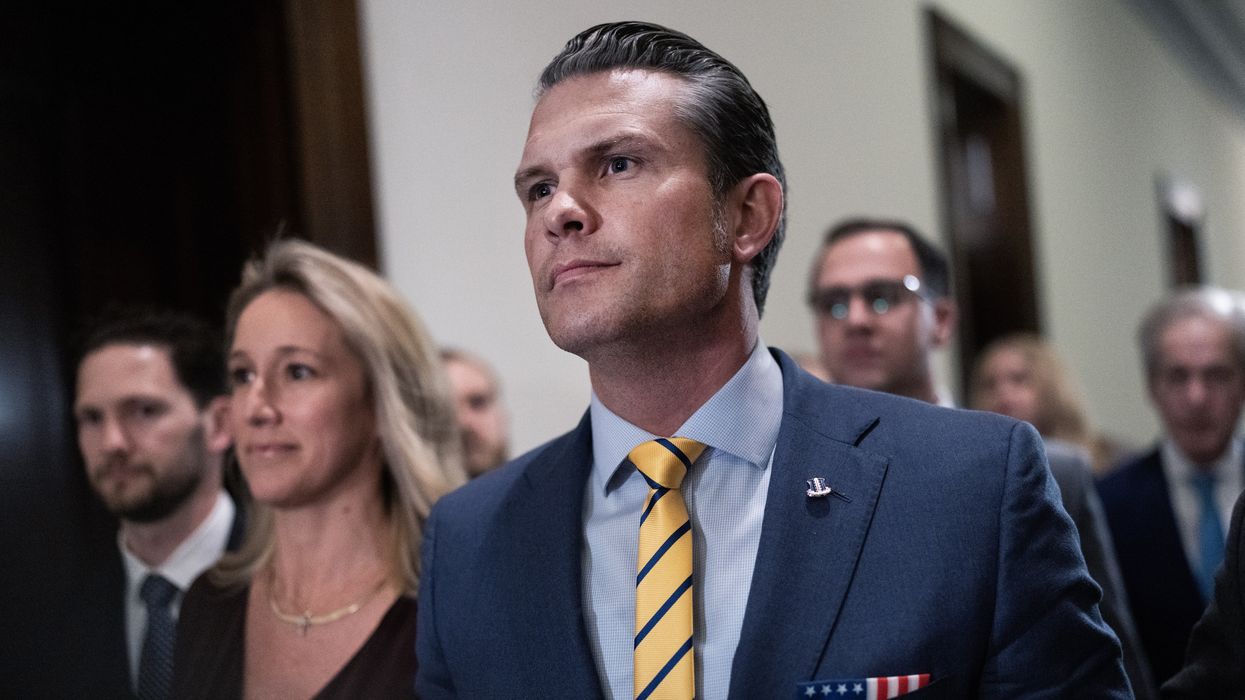
These were the warning shots. Now, Secretary of War Pete Hegseth has fired or blocked the promotions of at least two dozen military leaders at the highest level. It is unprecedented and highly troubling.
Of course, these actions undermine the military’s credibility as an apolitical force for good. But critically, they also come at a time when our military already faces recruitment challenges and a declining public trust. The Army fell short of its recruitment goal by 10,000 soldiers in 2023, while the Navy and Air Force also missed their targets. The public’s confidence in the military is at its lowest level in two decades, and only about 10% of young people express any interest in enlisting. The vast majority of Americans want the military to remain apolitical, and deploying troops to American cities can’t have helped that image. Meanwhile, at great cost to the taxpayer, Hegseth recently rallied hundreds of generals and admirals to assemble for a speech where he made it clear they could get on board or get out.
Unless you’re a straight white male with an anti-woke agenda, good luck. A new memo on shaving standards is a thinly veiled attempt to disqualify Black men, about 60% of whom face a medical condition that can lead to painful irritation from shaving. Despite past efforts to improve recruitment and retention of women, the likelihood of separation for women is 28% higher than for men, largely attributed to sexual assault, family planning, and childcare, which are inherently DEI issues. And because one sailor performed on an aircraft carrier in drag once, Hegseth stripped the commander of that carrier of his nomination to be vice admiral and commander of Seventh Fleet. Therefore, since June, at a time when our Pacific presence is more important than ever, no commander has been designated next for the largest overseas force in the Navy.
For the most racially and ethnically diverse generation in U.S. history, diversity, equity, and inclusion (DEI) are increasingly seen as essential values in the workplace. According to Forbes, “brands that make inclusivity part of their core mission…will win the hearts and minds of a new generation of citizens.” The flip side of the coin is that 76% of millennial workers would leave a job if DEI initiatives were not offered, and 75% of Gen Z workers might not even apply to a company lacking sufficient DEI efforts.
For all those kids who are the least bit different, turning 18, observing military leadership, and wondering if there might be a future for them among the ranks, this Administration is hitting them with a resounding no. When the next class of recruits generationally are pro-DEI, it’s a miscalculation for the Department of War to be at war with DEI.
On a personal level, meeting people from so many backgrounds was one of my favorite parts of being in the Navy. I do believe diversity is a force multiplier and a “critical component of being successful on a global scale.” That being said, as a queer, Jewish, female Naval aviator who got a law degree in my free time while active duty, I got out of the military after ten years this June because I didn’t think my other-ness would last much longer with this new leadership.
Even if it wasn’t proven that diverse teams perform better, it still might actually be useful to embrace diversity for the sake of keeping numbers up. The year General Brown released the “helmet” video, it was one of the most-viewed videos on the Air Force and Space Force recruiting channel, and the Air Force’s top recruiter called it a slam dunk. Instead, current anti-DEI actions threaten to affect recruitment, retention, and overall readiness negatively. Hegseth and Trump are playing fast and loose with our country’s defense in the “fight” against “woke.” We must fight back.
The American people can push for accountability and transparency. We can pressure Congress to hold oversight hearings, establish an independent oversight committee, call for a review of promotion and removal criteria, and vote for representatives who support these ideas. We can also speak out against a press policy that serves to exclude investigative journalism from properly covering the military. If anti-DEI animus is what’s really driving decision-making, we can expose it. Then we can steer the military back toward standards that actually keep this country safe and strong.Julie Roland was a Naval Officer for ten years, deploying to both the South China Sea and the Persian Gulf as a helicopter pilot before separating in June 2025 as a Lieutenant Commander. She has a law degree from the University of San Diego, a Master of Laws from Columbia University, and is a member of the Truman National Security Project.