

Mandate for Change: The Public Calls for a Course Correction
The honeymoon is over. A new national survey from the Independent Center reveals that a plurality of American adults and registered voters believe key cabinet officials should be replaced—a striking rebuke of the administration’s current direction. Homeland Security Secretary Kristi Noem, Secretary of War Pete Hegseth, Attorney General Pam Bondi, and Health and Human Services Secretary Robert F. Kennedy Jr. are all underwater with the public, especially among independents.
But the message isn’t just about frustration—it’s about opportunity. Voters are signaling that these leaders can still win back public trust by realigning their policies with the issues Americans care about most. The data offers a clear roadmap for course correction.
Health and Human Services: RFK Jr. Is Losing the Middle
Secretary Robert F. Kennedy Jr. is emerging as a political liability—not just to the administration, but to the broader independent movement he once claimed to represent. While his favorability ratings are roughly even, the plurality of adults and registered voters now say he should be replaced. This sentiment is especially strong among independents, who once viewed Kennedy as a fresh alternative but now see him as out of step with their values.
Kennedy’s controversial stances on vaccines and public health have eroded trust. 44% of adults say he and his CDC vaccine advisory panel have decreased public confidence in the CDC, compared to just 25% who say he has increased it. His promotion of fringe scientific claims—such as the link between acetaminophen and autism—has failed to gain traction, with less than one-third of adults accepting the claim.
Across the board, Kennedy is underwater with independents, who now view him as more disruptive than constructive. His tendency to issue premature health warnings based on emerging or contested data has led to public confusion and alarm. By a 15-point margin (48% vs. 33%), Americans say he should wait for established scientific consensus before making public health declarations.
The Path to Public Trust: Kennedy must pivot away from alarmism and toward institutional credibility. That means embracing consensus science, rebuilding the CDC’s reputation, and communicating with caution and clarity. Without a sharp course correction, Kennedy risks dragging down the administration’s broader health agenda—and alienating the very voters who once saw him as a symbol of independent reform.
Department of Homeland Security: Moving Past 'Too Harsh'
Secretary Kristi Noem faces a crisis of perception regarding immigration enforcement. A plurality of adults (44%) now believe that the current level of enforcement is “too harsh.” Disapproval of ICE’s tactics is widespread, with double-digit margins expressing concern about overreach.
The Path to Public Trust: Moderation is key. Noem must shift toward targeted, non-disruptive enforcement and visibly rein in ICE’s aggressive tactics to address public concerns.
Department of War: A Name That Undermines Security
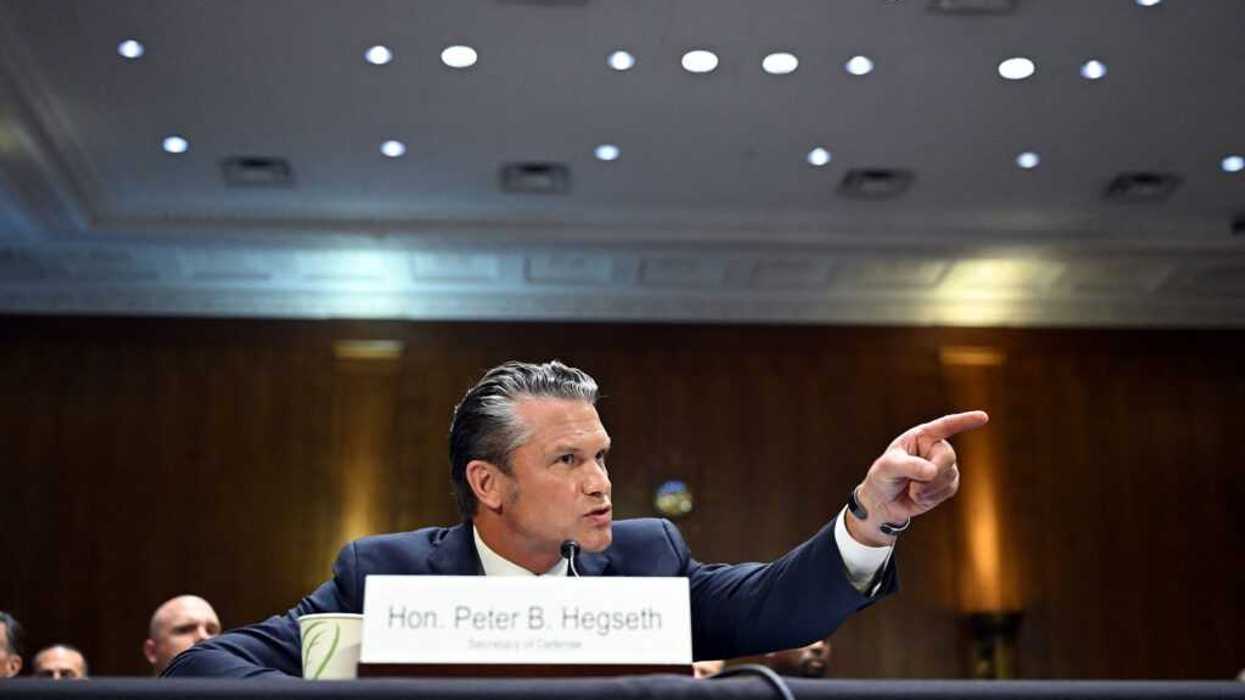
Secretary Pete Hegseth’s rebranding of the Department of Defense to the Department of War has backfired. Only 29% support the change, while 51% oppose it. His emphasis on “maximum lethality” is viewed as harmful, with 45% saying it makes the U.S. less safe.
The Path to Public Trust: Hegseth should restore the department’s original name and abandon polarizing rhetoric in favor of a message centered on defense and strategic calm.
Department of Justice: Restoring the Firewall of Independence
Attorney General Pam Bondi is seen as compromising the Justice Department’s independence. 40% of adults say she is less likely to maintain political neutrality, with 22% of independents saying she is “much less likely” to do so.
The Path to Public Trust: Bondi must publicly commit to nonpartisan justice, ensuring investigations and prosecutions are free from political influence.
A Wake-Up Call for Washington
This polling data should serve as a wake-up call. Voters are no longer viewing independents as spoilers—they see them as a fresh start. But that fresh start must be earned. Cabinet officials have a narrow window to recalibrate their approach and reconnect with the public. The message is clear: replace the rhetoric, not just the people.
Cabinet on the Clock: How Four Top Officials Can Win Back Public Trust was first published on Independent Voter News and was republished with permission.
Brett Loyd is President and CEO of The Bullfinch Group.