


Skip to content
Search

Latest Stories

Top Stories

End Citizens United

Established March 1st, 2015, End Citizens United is a Political Action Committee funded by grassroots donors. We are dedicated to countering the disastrous effects of Citizens United and reforming our campaign finance system. We'll show elected officials, candidates, voters, and the press that the grassroots are fighting back with force against the increasing brazenness of billionaires trying to buy our elections. This will be key to building a broad coalition working towards campaign finance reform and pressuring lawmakers to take action.


Read More

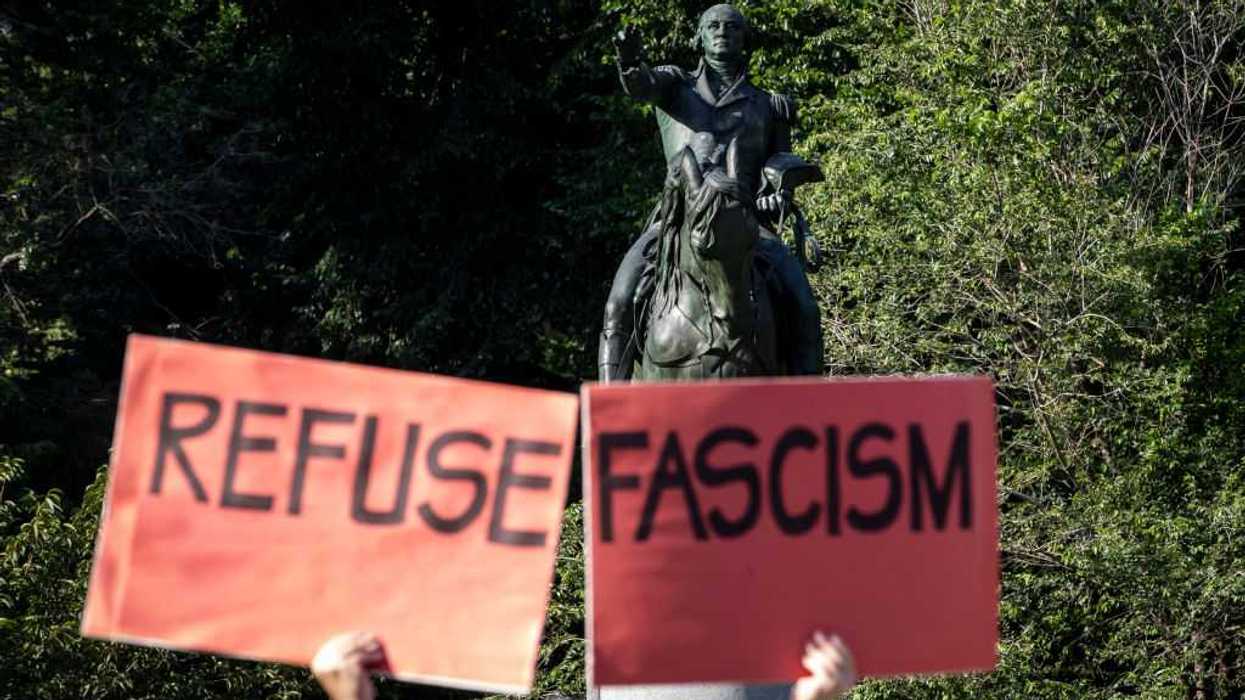
If It Quacks Like a Fascist

A Navy veteran argues the Trump administration keeps reaching for fascist symbols, from eagle imagery to a livestreamed execution.

Ira L. Black/Getty Images

If It Quacks Like a Fascist

The Trump administration is evoking neo-fascism on purpose. I want to say that plainly, because when a pattern is this consistent, it would be naive to call it a coincidence. They may deny the intent, but they keep reaching for fascist symbols. If it looks like a fascist and quacks like a fascist, it probably is one.

When a reporter at opening night of Les Misérables asked Trump whether he identified more with Jean Valjean, the protagonist who steals bread to feed the hungry, or Javert, the villain who treats mercy as weakness, Trump called it a tough one. It’s not a tough one, unless you want to be the bad guy. And he might. In their new book, Regime Change, New York Times reporters Maggie Haberman and Jonathan Swan describe a moment when President Trump showed them a list that placed him alongside Mao, Stalin, Hitler, Attila the Hun, and Genghis Khan. By Swan’s account, the president relished the company. Trump is less worried about his approval ratings or the law than about expanding his personal power.

Keep ReadingShow less
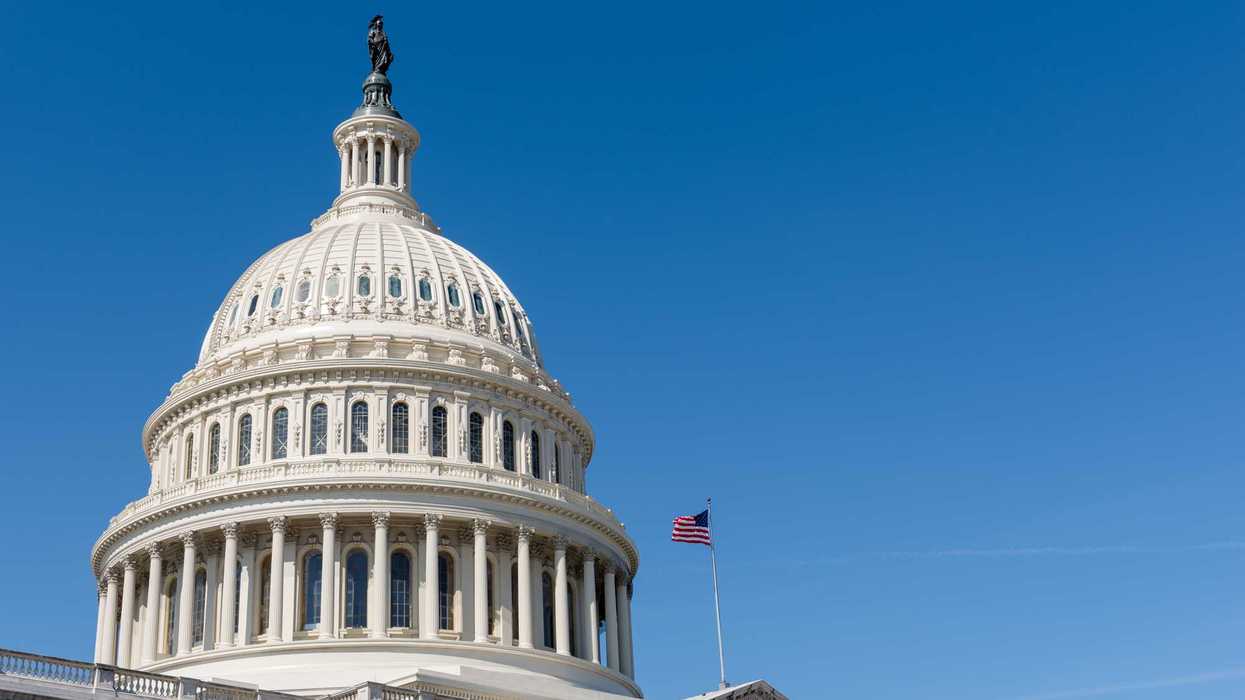
White marble exterior of the United States Capitol, often called the Capitol Building, is the home of the United States Congress and the seat of the legislative branch of the U.S. federal government

Congress approval is at a record-low 10%. Moderation and consensus-building, not partisan theatrics, are how Washington gets problems solved.

Richard Sharrocks / Getty Images

Reclaiming the Politics of the Possible

Washington is stuck in a cycle of performative conflict. The incentives seem to reward outrage, not outcomes that last; purity tests, not problem‑solving. So it’s no surprise that after three shutdowns in less than a year, public approval of Congress collapsed to just 10 percent this spring. (Gallup, April 2026.) But the country we live in — where many middle-income families report persistent financial strain and businesses are navigating unprecedented technological upheaval — cannot be governed by theatrics. Breaking this cycle requires moderation, consensus‑building, and a cooperative approach to governance.

This is not a call for centrism as an ideology. Instead, this is a call for transformative leaders to embrace moderation as their governing strategy, recognizing that in a pluralistic country of nearly 350 million people durable solutions require broad and stable alliances. Ultimately, this is a call for the 240 million of us who are eligible to vote in November to elect consensus-builders instead of bomb-throwers, and healers instead of arsonists.

Keep ReadingShow less
AI chip
a computer chip with the letter a on top of it
Photo by Igor Omilaev on Unsplash

We Should Regulate AI to Make It Grow Faster

The debate over artificial intelligence has become divided between two powerful ideas: that we need a “moratorium” to slow AI until we can make it safe, and that regulating AI will slow the innovation we need for our economy and national security. Both concerns are legitimate. But “moratorium” and “slowing AI growth” are divisive terms: they reassure those concerned about AI's safety, economic and environmental consequences while alarming those who see AI competition and national security as urgent priorities. We need a different starting point—meaningful regulation that provides the safeguards necessary to protect people, communities and the environment while creating the conditions for AI to continue growing. The experiences of Europe and China challenge the assumption that regulation must slow AI.

China has combined increasingly detailed, technology-specific AI regulation with substantial government support for AI development. Recent studies provide evidence that this approach can promote innovation. One 2026 study of Chinese companies from 2017 through 2023 found that the creation of national AI innovation and development pilot zones significantly increased corporate digital transformation, in part through increased research and development, human capital and reduced transition costs. Another 2026 study, covering Chinese manufacturing companies from 2014 through 2024, found that the same policy significantly promoted the adoption of intelligent technologies.

Keep ReadingShow less