Skip to content
Search

Latest Stories

Top Stories

Podcast: We're less divided than we think

Podcast: We're less divided than we think

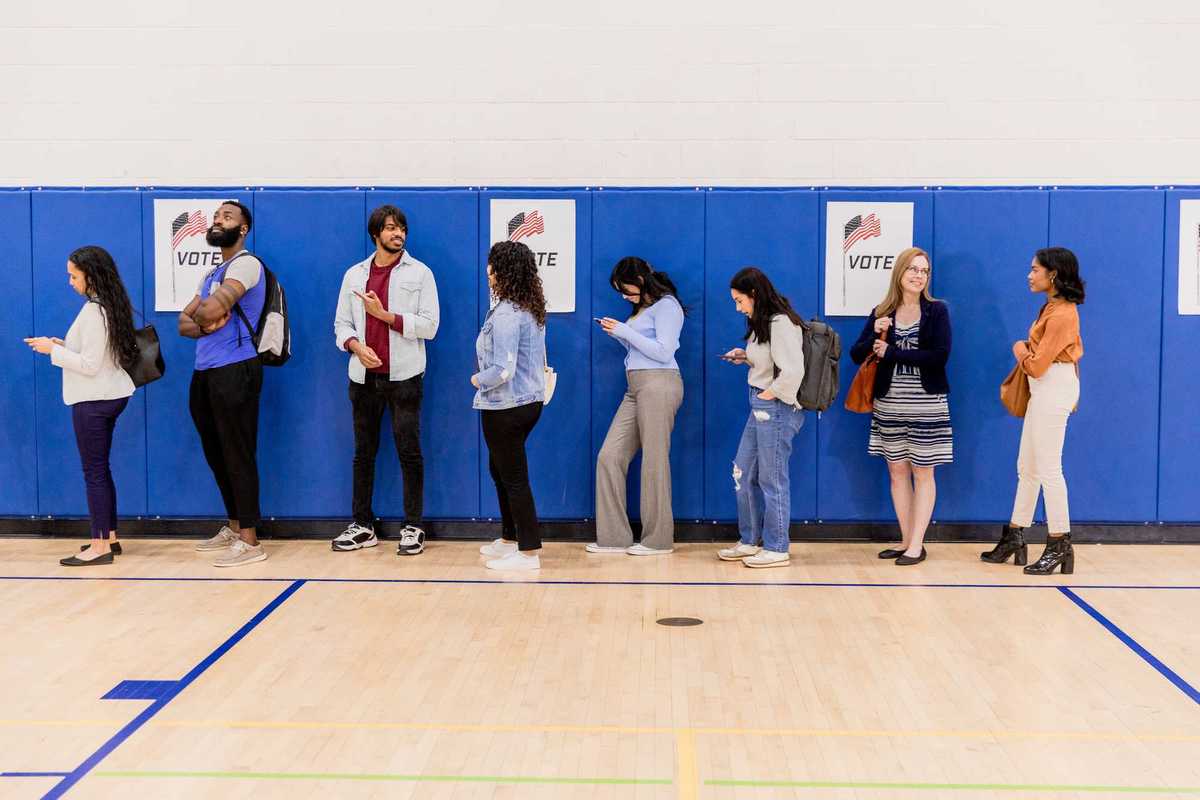
Every day on social media and cable TV, in newspapers and magazines, we’re told that we live in a red-versus-blue world of rigid divides. "Let's Find Common Ground" podcast guest, Tony Woodlief, begs to differ.

“In reality, most people fall somewhere in the middle, or else have a complex blend of views from both sides of the aisle,” says Tony. His new book I, Citizen uses polling data, political history and on-the-ground reporting to make the case that party activists and partisans are attempting to undermine the freedom of Americans to govern themselves and make decisions that have a direct impact on their lives.



We're Less Divided Than We Think

Are we all Team Red or Team Blue? On the podcast, we talk with a thought leader about why he's sounding the alarm on a false narrative.


Read More

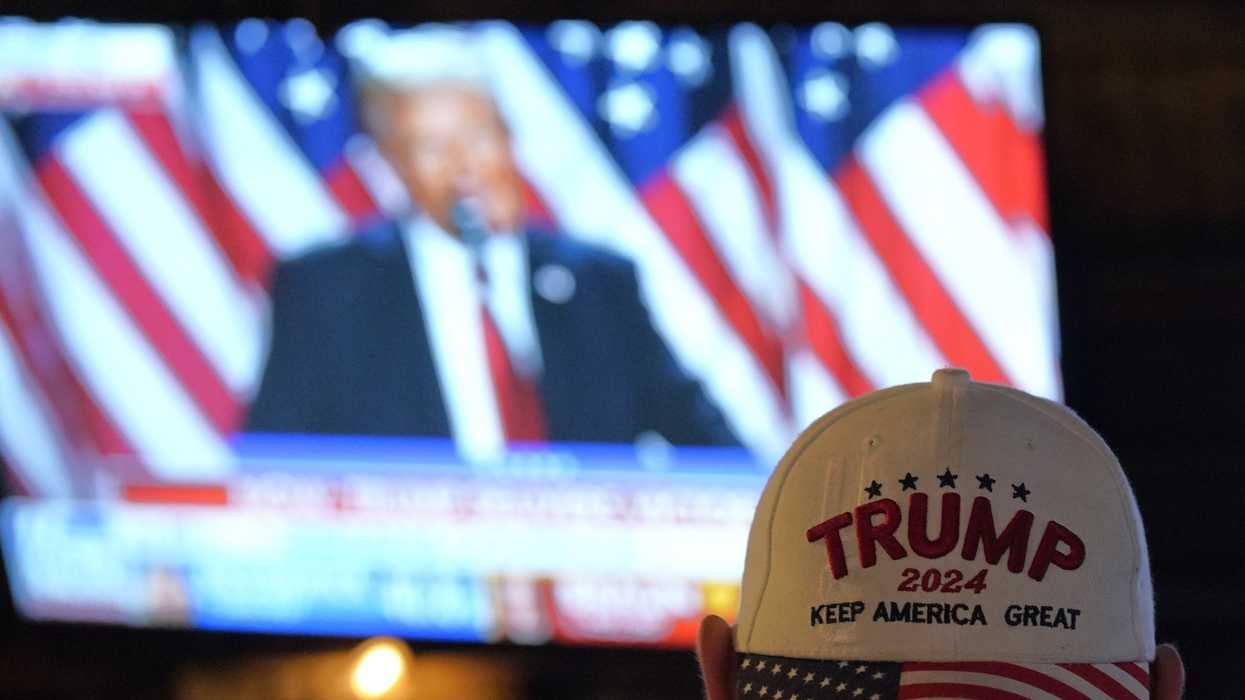
Man wearing Trump hat watches Trump on TV

Trump’s 10-to-1 rule aims to cut red tape, but fewer regulations can mean weaker food safety, Head Start services, and checks on presidential power.

Wu Xiaoling/Xinhua via Getty Images

Trump’s 10-to-1 Rule Gives the Presidency Too Much Power

We only think about the plumbing in our homes when something goes wrong. The same is true for government bureaucracy. Rules, procedures, and bureaucrats operate largely out of sight, making sure food is safe, Social Security checks arrive, workplaces are safe, and children with disabilities receive the services promised to them by law. Yes, there is plenty of red tape in government, just as an old house can accumulate pipes that no longer serve much purpose. But ripping out pipes simply because there are too many of them is not much of a plumbing strategy. Yet the Trump administration has made the number of federal regulations it eliminates a measure of success. That raises a more important question: When does cutting bureaucracy stop making government more efficient and start making it less capable?

1. The Case for Cutting Red Tape

Keep ReadingShow less
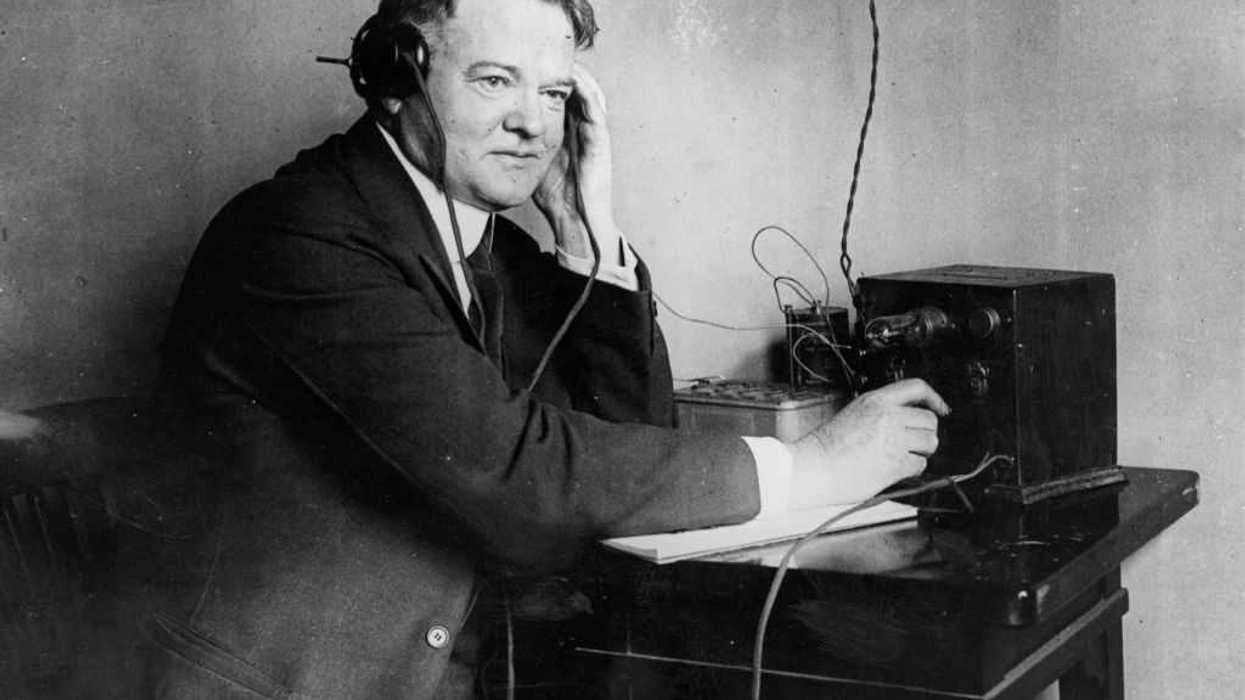
​Herbert Hoover  listening to a one valve radio set.

Herbert Hoover (1874 - 1964), Republican Party candidate for the Presidency of the United States of America, listening to a one valve radio set.

Topical Press Agency/Getty Images

A Second Axial Age Demands Global Leadership Rooted in Hoover’s Ideals

The time has come when we must take an enlarged vision of the future. (Herbert Hoover)

Our 31st President, Herbert Hoover, said this in 1926. Although one hundred years have passed since — and it is always time to take a larger view of the future — his proclamation rings truer now than ever.

Keep ReadingShow less
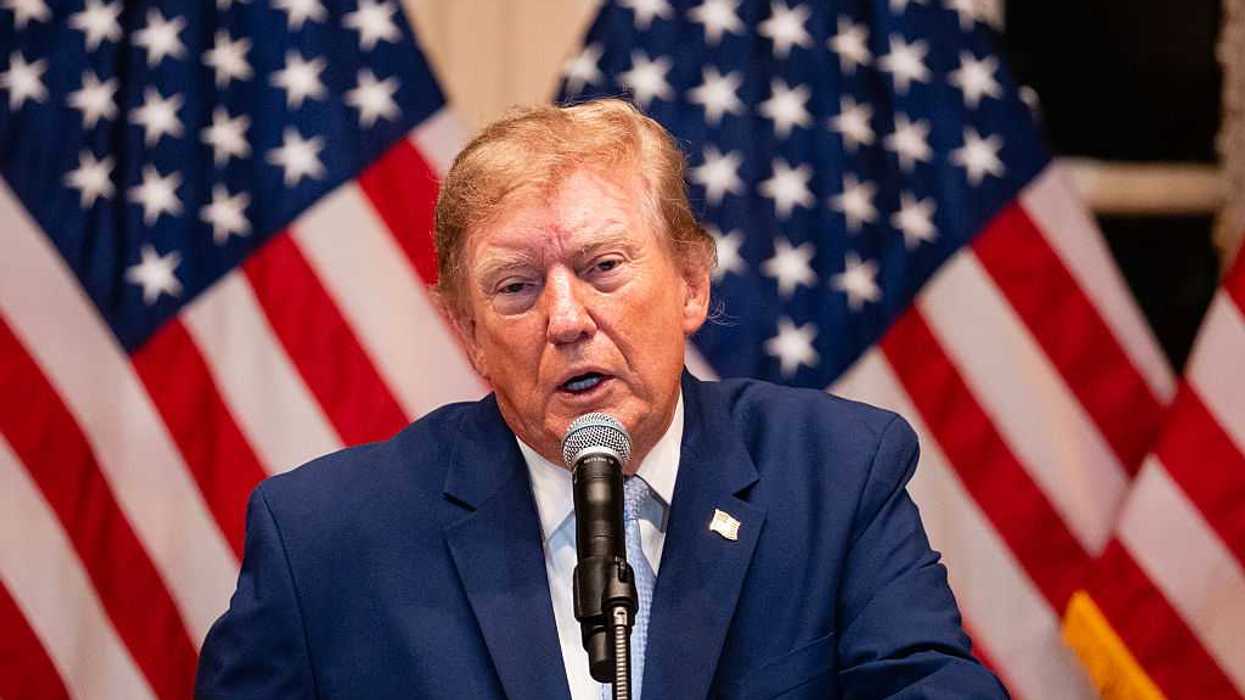
​U.S. President Donald Trump

U.S. President Donald Trump on October 16, 2026 in Palm Beach, Florida.

(Photo by Eric Lee/Getty Images)

Trump — President by Law, Not by Constitutional Duty

A president can win an election and still fail the test of leadership. The presidency is a public trust, not a personal platform, family enterprise, or license to demean people and disregard the law. Donald Trump holds the office legally. Yet his conduct raises a fundamental question: is he fulfilling the constitutional duties that give the presidency its meaning? The answer, visible in his behavior, is no. He performs the role of president the way a showman performs a part — loudly, aggressively, and without the substance the office requires.

Leadership is not conferred by a title; it is demonstrated through conduct. Ethical leadership requires integrity, honesty, sound judgment, and accountability. Moral leadership demands empathy, fairness, humility, and the courage to do what is right even when doing so carries a personal or political cost. When a president repeatedly demeans people, disregards established norms, and places personal interests above public duty, citizens have every reason to question his leadership — or whether he is leading at all.

Keep ReadingShow less