
Skip to content
Search

Latest Stories

Follow Us:
Top Stories

Podcast: Democracy reform: Propositions & ballot initiatives

Podcast: Democracy reform: Propositions & ballot initiatives

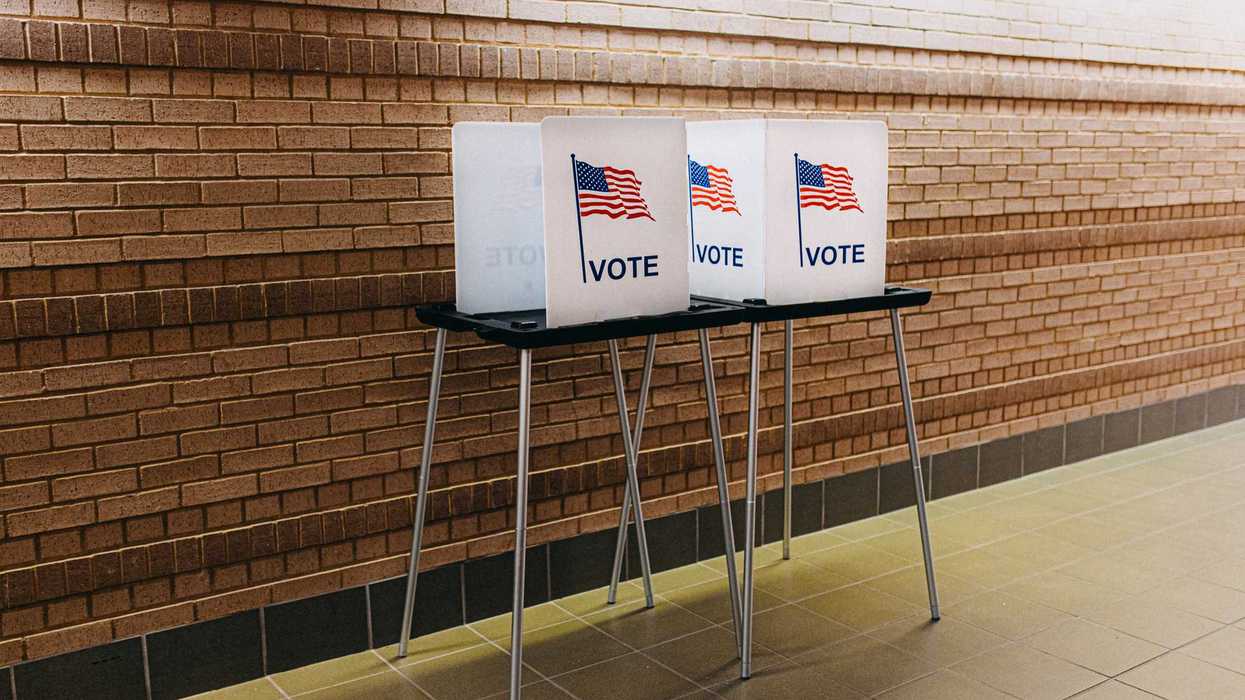
The promise and perils of direct democracy are at the heart of the debate over voter propositions and ballot initiatives. They have emerged as one way that citizens in more than two dozen U.S. states can vote directly on policy and bring issues they care about to their fellow voters.

This episode of “How Do We Fix It?” is inspired by the recent podcast series, "When The People Decide", from The McCourtney Institute for Democracy. The show's producer, writer and host, Jenna Spinelle, tells the stories of some remarkable people who have organized initiative campaigns across the country. Spinelle also discusses the history of ballot measures, including California's Prop 13 in 1978, and more recent efforts to expand Medicaid.


https://open.spotify.com


Read More

Trump’s Anti-Latino Racism is a Major Liability for Democracy

Close-up of sign reading 'Immigrants Make America Great' at a Baltimore rally.

Trump’s Anti-Latino Racism is a Major Liability for Democracy

Donald Trump’s second administration has fully clarified Latinos’ racial position in America: our ethnic group’s labor, culture, and aspirations are too much for his supporters to stomach. The Latino presence in America triggers too many uneasy questions (are they White?), too many doubts (are they really American?), and too much resentment (why are they doing better than me?).

Trump’s targeted deportations of undocumented Latinos, unwarranted arrests of Latino citizens, and heightened ICE presence in Latino neighborhoods address these worries by lumping Latinos with Black people. Simply put, we have become yet another visible population that America socially stigmatizes, economically exploits, and politically terrorizes because aggrieved White adults want to preserve their rank as our nation’s premier racial group. The cumulative impacts are serious: just yesterday, an international panel of investigators on human rights and racism, backed by the U.N., found that such actions have resulted in “grave human rights violations.”

Keep ReadingShow less
Posters are displayed next to Sen. Ted Cruz (R-TX) as he speaks at a news conference to unveil the Take It Down Act to protect victims against non-consensual intimate image abuse, on Capitol Hill on June 18, 2024 in Washington, DC.

A lawsuit against xAI over AI-generated deepfakes targeting teenage girls exposes a growing crisis in schools. As laws struggle to keep up, this story explores AI accountability, teen safety, and what educators and parents must do now.

Getty Images, Andrew Harnik

Deepfakes: The New Face of Cyberbullying and Why Parents, Schools, and Lawmakers Must Act

As a former teacher who worked in a high school when Snapchat was born, I witnessed the birth of sexting and its impact on teens. I recall asking a parent whether he was checking his daughter’s phone for inappropriate messages. His response was, “sometimes you just don’t want to know.” But the federal lawsuit filed last week against Elon Musk's xAI has put a national spotlight on AI-generated deepfakes and the teenage girls they target. Parents and teachers can’t ignore the crisis inside our schools.

AI Companies Built the Tool. The Grok Lawsuit Says They Own the Damage.

Whether the theory of French prosecutors–that Elon Musk deliberately allowed the sexualized image controversy to grow so that it would drive up activity on the platform and boost the company’s valuation–is true or not, when a company makes the decision to build a tool and knows that it can be weaponized but chooses to release it anyway, they are making a risk-based decision believing that they can act without consequence. The Grok lawsuit could make these types of business decisions much more costly.

Keep ReadingShow less
Team Trump had to start a war to learn how the global economy works

U.S. President Donald Trump speaks to reporters before boarding Air Force One at Palm Beach International Airport on Monday, March 23, 2026, in West Palm Beach, Fla.

(Roberto Schmidt/Getty Images/TNS)

Team Trump had to start a war to learn how the global economy works

Early Monday morning of March 23, financial markets surged when President Donald Trump claimed there had been productive talks with Iran about ending the war. Therefore he backed off a vow to bomb Iranian power plants if the Strait of Hormuz wasn’t reopened by Monday evening. Iran denies any such talks actually took place.

This is a rare moment in which reasonable people can be torn about which government is more believable.

Keep ReadingShow less