Pop music has always been more than entertainment. Reflects society’s struggles, dreams, and contradictions.
Across the last fifty years, artists from Bob Dylan to Kendrick Lamar have given voice to war and peace, protest and resilience, identity and equality, economic struggle and hope. Their lyrics, written for a moment in time, echo with startling relevance in 2025.
America is divided today as it has been many times throughout our history, and reflecting on the music of the past emphasizes that music is not just entertainment but a historical record of social and political tensions that shape our nation’s story.
Over the years, The Fulcrum has been honored to celebrate culture as a bridge to the latest news and analysis of politics and policy, and to foster the birth of a new civic and political voice to build greater social cohesion, civic engagement, and problem-solving. Many of you have taken the journey with us as we shared stories, music, poetry, and dance to inspire our better angels and address our problems, creating solutions.
Today, let’s explore how music has historically engaged, activated, and united Americans, inspiring them to take a stand and get involved. As Wynton Marsalis says, “Music heals people because music is vibration, and the proper vibration heals,” showing how music fosters community and collective action.
The themes music has taken are many.
The themes music has taken are many.
War & Peace: The Eternal Question
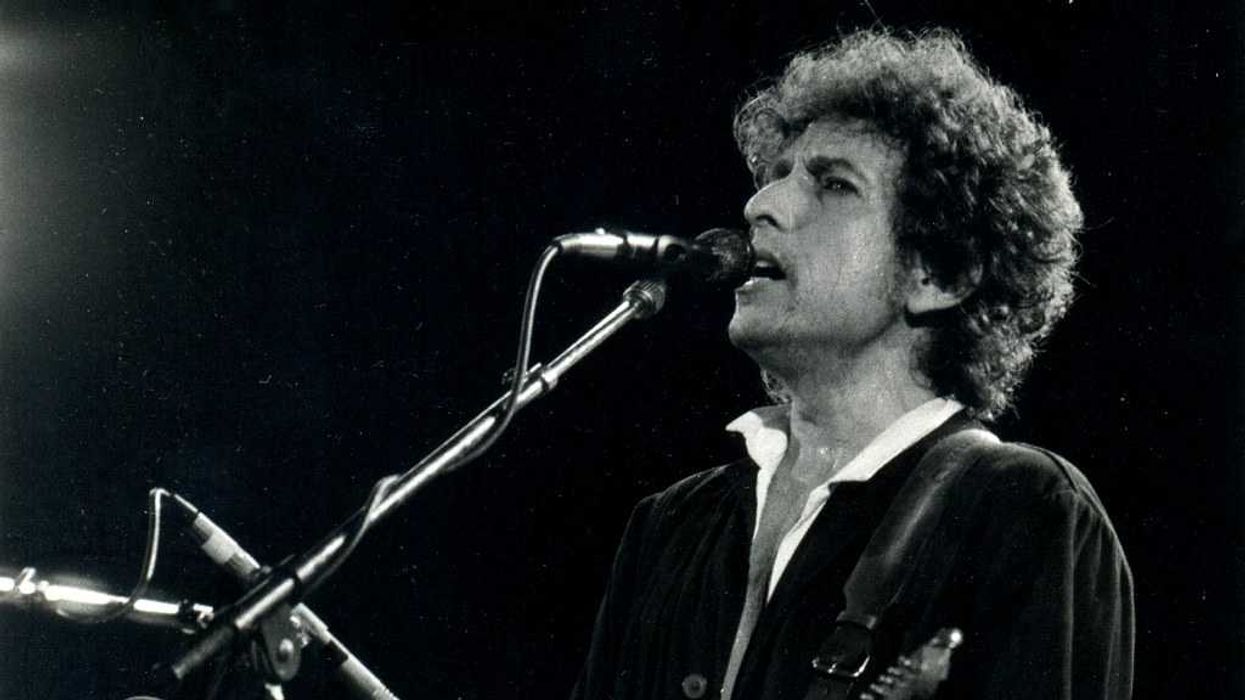
From Dylan’s famous refrain in the iconic song Blowin in the Wind in 1963 ’ “How many times must the cannonballs fly, before they’re forever banned?” to The Cranberries’ lyric 30 years later in 1993 “With their tanks and their bombs, and their bombs and their guns,” music has long asked whether humanity can escape the devastating wars that mark the history of humankind. These songs remind us that the yearning for peace is not new, but remains as urgent today as it was decades ago. They are echoes of protest against war, but also hope for a future where conflict no longer defines our headlines.
Justice & Protest: Voices of Resistance
Marvin Gaye’s plea “Father, father, we don’t need to escalate” from “What’s Going On” in 1973 captured the anguish of a nation torn by war and civil strife to Kendrick Lamar’s promise “We gon’ be alright” 45 years later in “To Pimp a Butterfly” over 45 years later music has often inspired resistance and change. These two songs are just two in a long lineage of protest music, reminding us that art has always been a megaphone for those demanding change.
Identity & Equality: The Struggle to Belong
John Lennon’s “Imagine all the people living life in peace” envisioned a world without borders or divisions. Michael Jackson’s “If you wanna make the world a better place, take a look at yourself and make a change” urged personal responsibility in pursuing justice. Macklemore & Ryan Lewis’s “I can’t change, even if I tried, even if I wanted to” gave voice to LGBTQ+ identity and equality. These lyrics, written and still relevant today, remind us that democracy is not a spectator sport and that governance is not only about laws and institutions but also about belonging, dignity, and courage.
Economic Struggle & Hope: Dreams Deferred
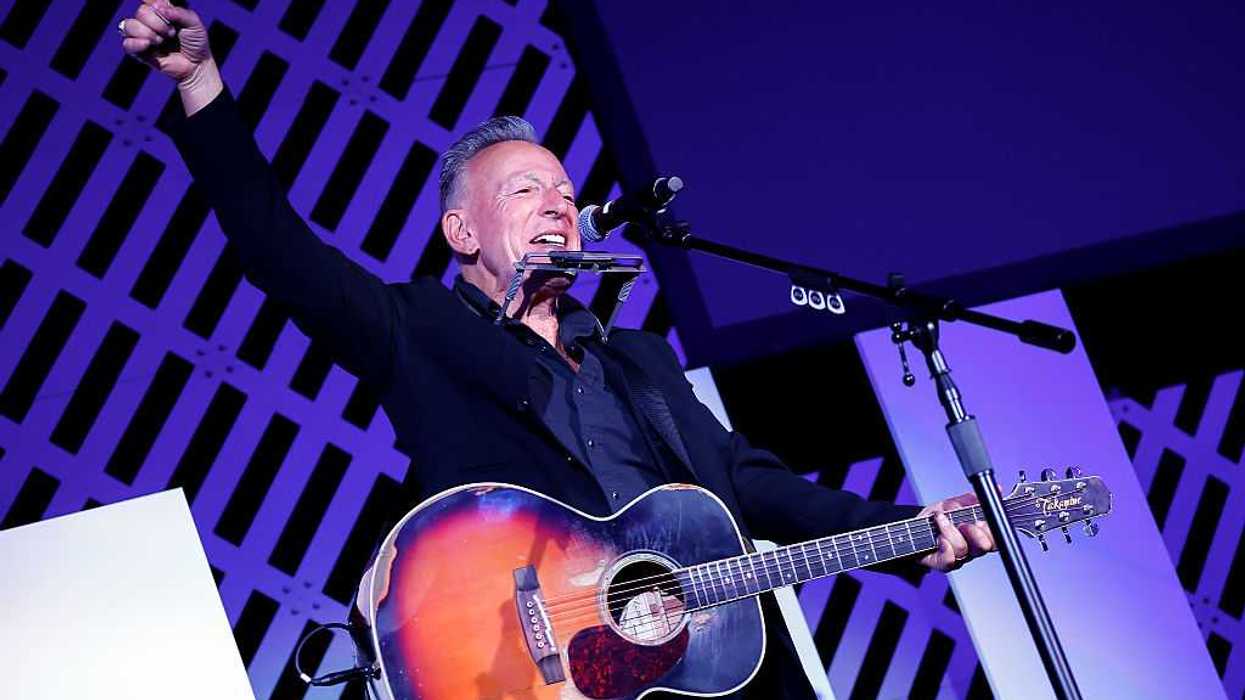
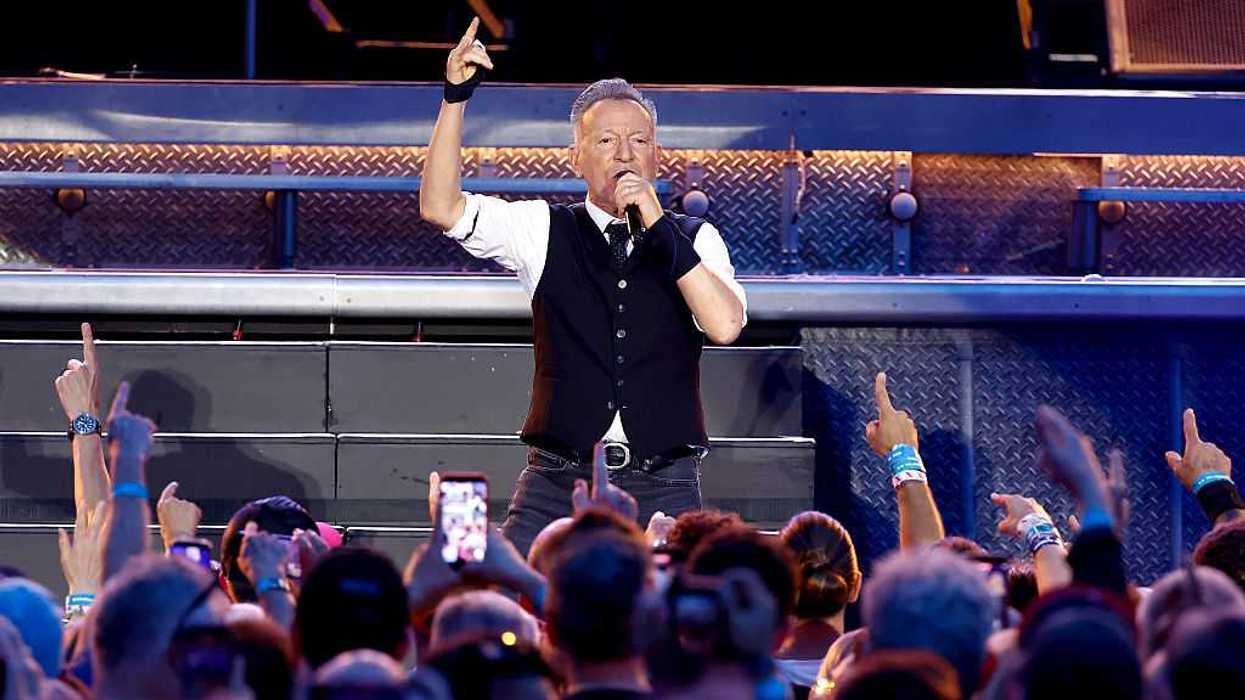
Bruce Springsteen’s “End up like a dog that’s been beat too much, till you spend half your life just covering up” spoke to the disillusionment of working-class America. Tracy Chapman’s “You got a fast car, I want a ticket to anywhere” captured the yearning to escape poverty and find opportunity. These songs remind us that economic struggle is not just about numbers and graphs, but about the reality of daily life for Americans who defer their dreams in the hope that tomorrow might be better for their children and grandchildren.
Closing Reflection
Taken together, these lyrics form an arc of musical history expressing a conscience that transcends generations and time, demonstrating how music has been a powerful tool for social change. They remind us of what binds us, what separates us, and what creates a collective memory that is American culture. Revisiting these songs shows that the struggles of yesterday are still relevant today, and that the music continues to heal, inspire, and unite us in our pursuit of a better society.
Share the Songs that have shaped Your Journey.
As we reflect on these lyrics that have carried voices of protest, hope, and belonging, we encourage you to share the songs that have shaped your own journey and tell us how they connected you to the social and political moments of the time. Which lines from the past still echo for you today, as you witness ongoing social and political divides? Tell us the lyrics that have inspired, challenged, or comforted you—because together as one we can deepen our understanding of where we have been and where we might go.
Share with us by emailing newsroom@fulcrum.us
Today is your moment to add your voice. As Lin-Manuel Miranda reminds us in Hamilton through the anthem “My Shot”:
I am not throwin’ away my shot.
I am not throwin’ away my shot. Ayo,
I’m just like my country, I’m young, scrappy, and hungry,
And I’m not throwin’ away my shot.”
David Nevins is the publisher of The Fulcrum and co-founder and board chairman of the Bridge Alliance Education Fund.