

SAN DIEGO - Every morning before leaving the house, Mateo opens Instagram.
He is not looking for entertainment. He is checking whether it is safe to move around the city.
Mateo, a 22-year-old from Argentina, follows the Instagram account @officialarturoo, a page that posts short videos and alerts about immigration enforcement activity, police encounters, and incidents affecting immigrant communities in Southern California.
Mateo is undocumented. The names of the young people in this story have been changed to protect their identities.
“If I see something about ICE in a certain area, I just don’t go there,” Mateo said. “Sometimes that means changing my route to work or deciding not to go out at all.”
For undocumented young people like him, social media alerts have become part of how they navigate daily life.
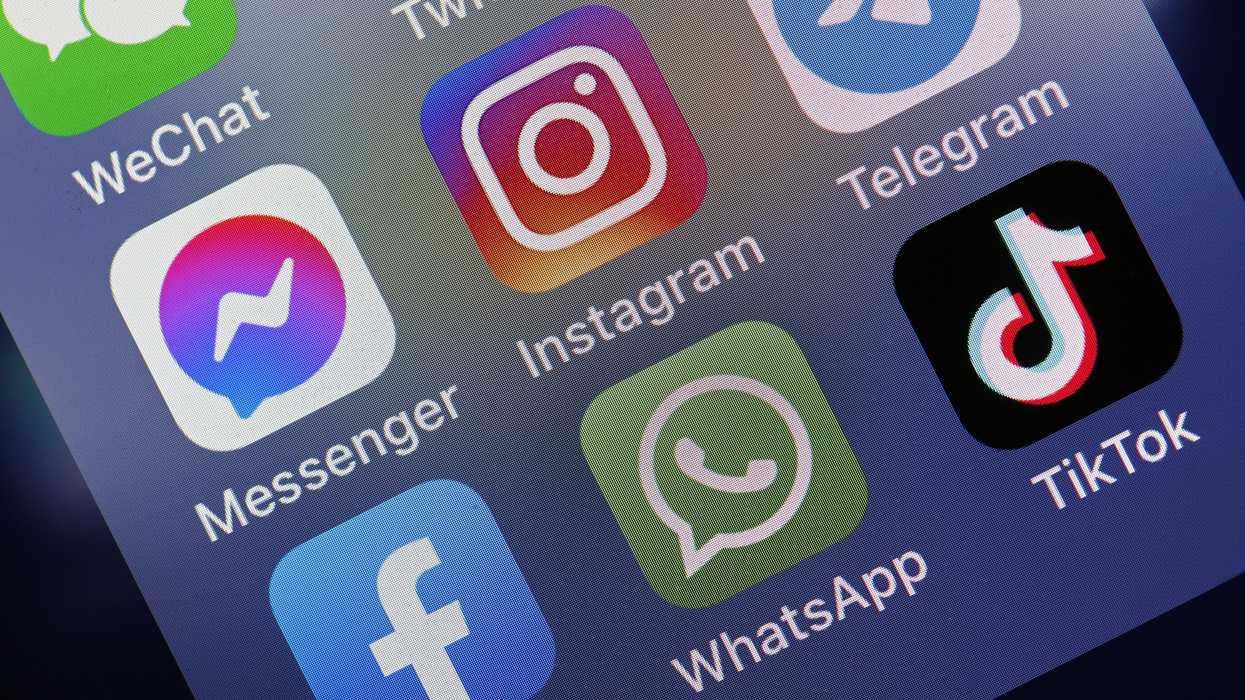
Across San Diego County, some immigrant communities are increasingly relying on grassroots Instagram accounts, WhatsApp groups, and TikTok videos to track possible immigration enforcement activity. These informal networks often move faster than traditional news outlets and circulate information within minutes.
The account Mateo follows is part of that ecosystem. With tens of thousands of followers, @officialarturoo regularly posts videos from streets, parking lots, and neighborhoods across the region, warning viewers about potential enforcement activity or documenting confrontations involving police or immigration agents.
For some followers, the page functions almost like a community alert system.
Carlos, a 20-year-old undocumented worker from Mexico, says he checks the account several times a day.
“When you don’t have papers, you are always thinking about risk,” he said. “If someone posts that ICE is near a Home Depot or a certain street, people share it right away. It spreads fast.”
Carlos works part-time in construction and often looks for jobs through word of mouth or day labor opportunities. He says the posts sometimes influence where he decides to go.
“If there’s something happening in an area, I might avoid going there for a few days,” he said. “Maybe it’s true, maybe it’s not. But you don’t want to take chances.”
Across the United States, an estimated 11 million people live without legal immigration status, according to Pew Research Center data. Millions more live in mixed-status families where at least one household member is undocumented.
Advocacy groups say fear of immigration enforcement remains a daily reality for many of these communities. In fiscal year 2023, Immigration and Customs Enforcement carried out more than 140,000 deportations nationwide, according to federal data. Even in states with policies that limit cooperation with federal immigration authorities, enforcement actions still take place.
For others, the alerts provide a sense of awareness in an environment where reliable information can be difficult to find.
Andrea, a 19-year-old from Guatemala who arrived in the United States as a teenager, says she started following similar accounts after hearing about immigration arrests near a transit stop she uses regularly.
“People in my community send the posts to each other,” she said. “Sometimes my friends send me screenshots and say, don’t go there today.”
She says the posts can be both helpful and stressful.
“On one hand, it helps you know what’s happening,” Andrea said. “But at the same time, it makes you feel like you always have to be watching.”
Social media has long played a role in how immigrant communities share information. Platforms like Instagram and WhatsApp allow individuals to post videos quickly and distribute warnings to thousands of people in seconds.
For communities that may distrust official channels or fear contacting authorities, these digital networks can become an important source of information.
But the speed of social media also means that information is not always verified before it spreads.
Posts that warn about immigration enforcement activity can spread quickly across group chats and feeds, sometimes causing confusion when the details are incomplete or inaccurate.
For undocumented youth navigating daily life, however, the distinction between confirmed reports and community alerts is not always the most urgent concern.
What matters is speed.
“When someone posts something, you see it immediately,” Mateo said. “It’s like a warning system.”
Even if some alerts later prove exaggerated, he says many people still prefer having the information.
“If there’s a chance it could help you avoid a problem, you pay attention,” he said.
Carlos says the posts also shape how conversations unfold within immigrant communities.
“People talk about it at work or in group chats,” he said. “Someone will say, did you see the video, and then everyone starts checking.”
Andrea says the constant flow of alerts can sometimes feel overwhelming, but she still keeps the account in her feed.
“It’s part of how we stay informed,” she said.
For Mateo, checking Instagram before leaving the house has become routine.
“You just want to know what’s happening out there,” he said. “It’s a way to be a little more careful.”
Alex Segura is a bilingual, multiple-platform journalist based in Southern California.






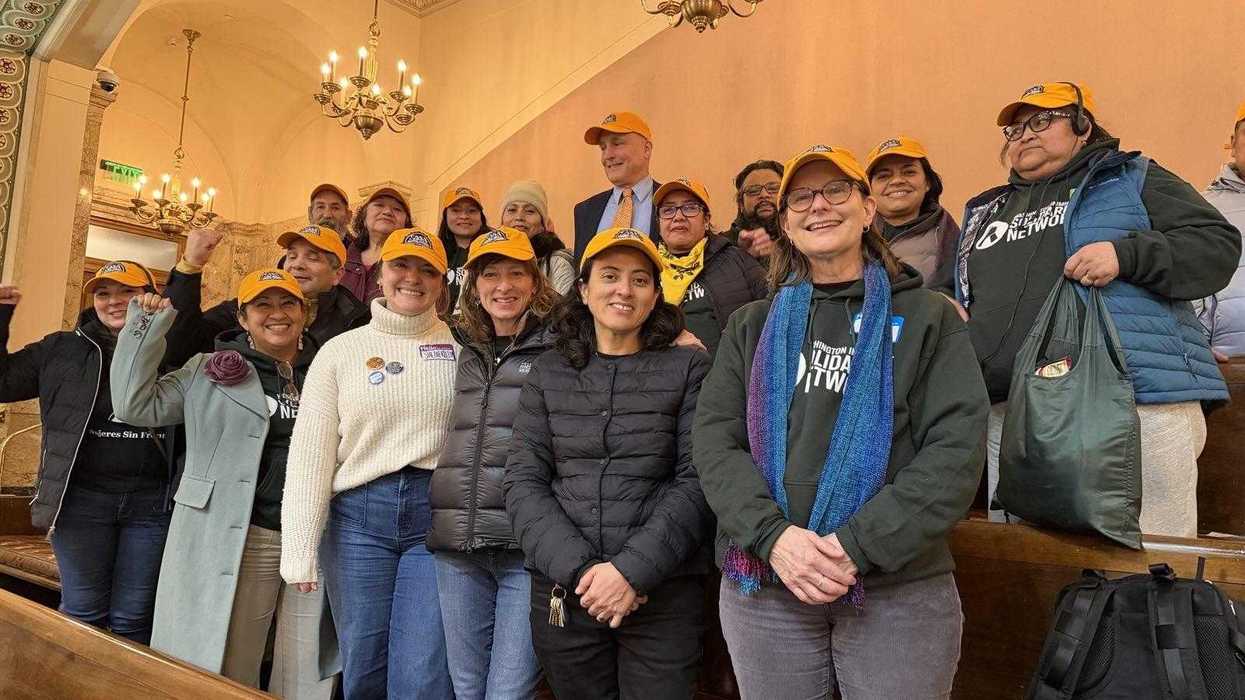
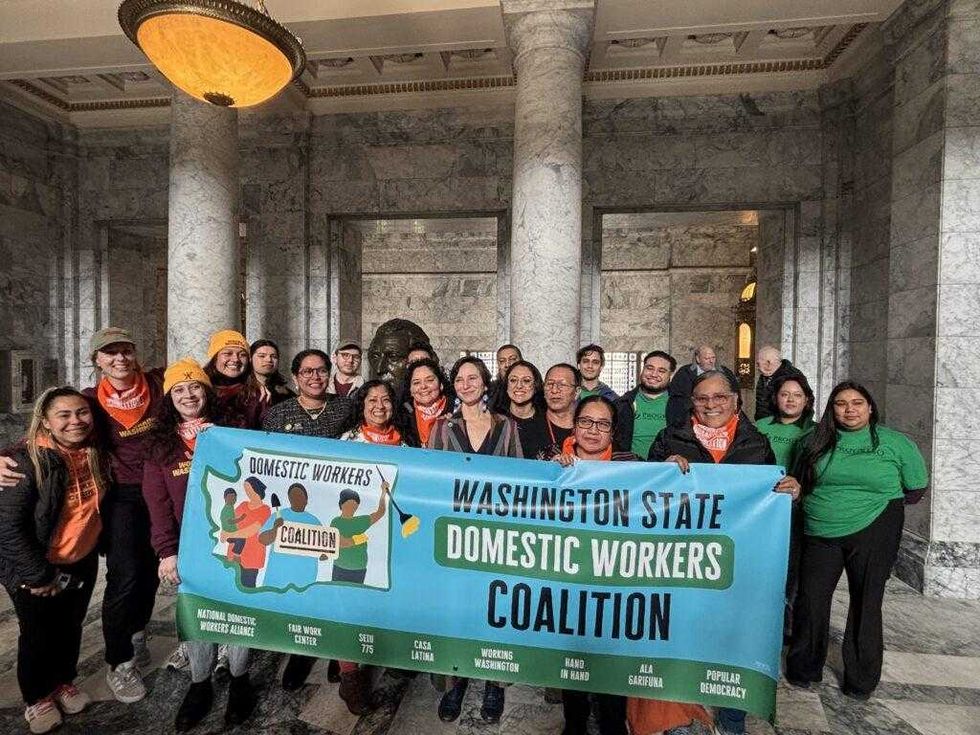 State Sen. Rebecca Saldaña, center, stands with members of the Washington State Domestic Workers Coalition at the state Capitol on Feb. 28, 2026. The Domestic Workers Bill of Rights passed in the House that day, before being signed into law in March. (Photo courtesy of Casa Latina)