

I grew up in a place called Freedom.
Freedom, Pennsylvania, to be exact. In the borough of Economy. My high school is in a town named after the American Bridge Company. The son of an Army veteran and a nurse. A literal white picket fence. Family of five. A dog. The American Dream by many measures.
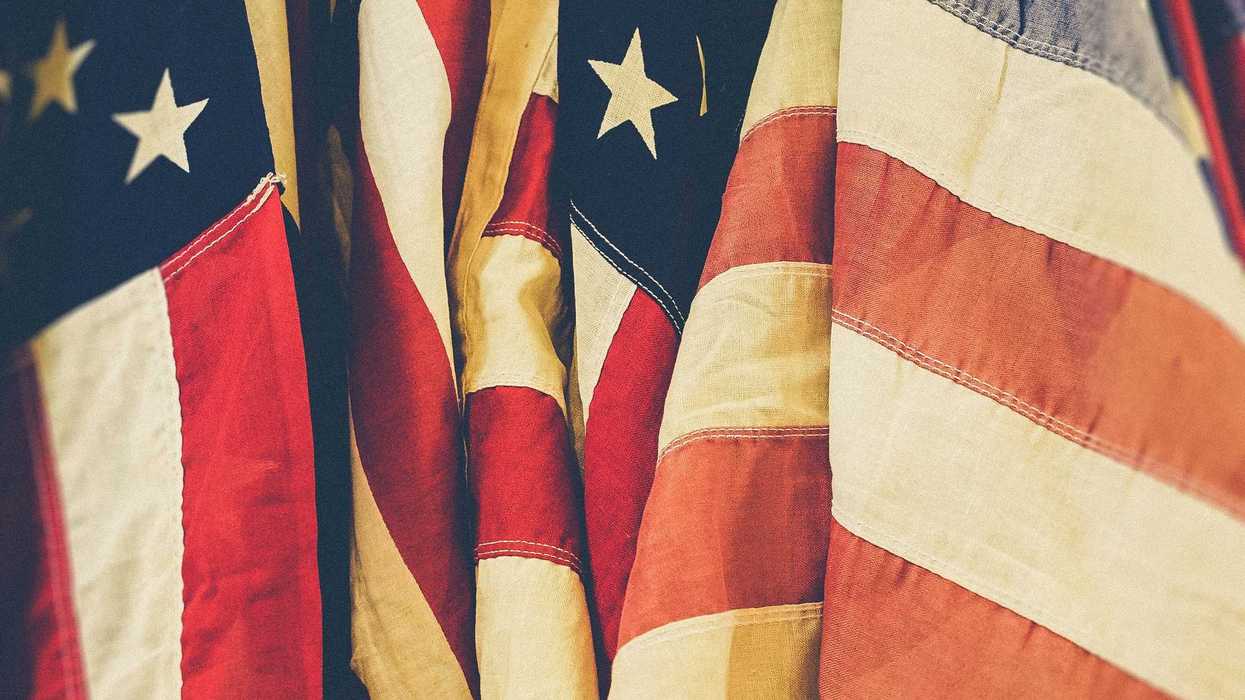
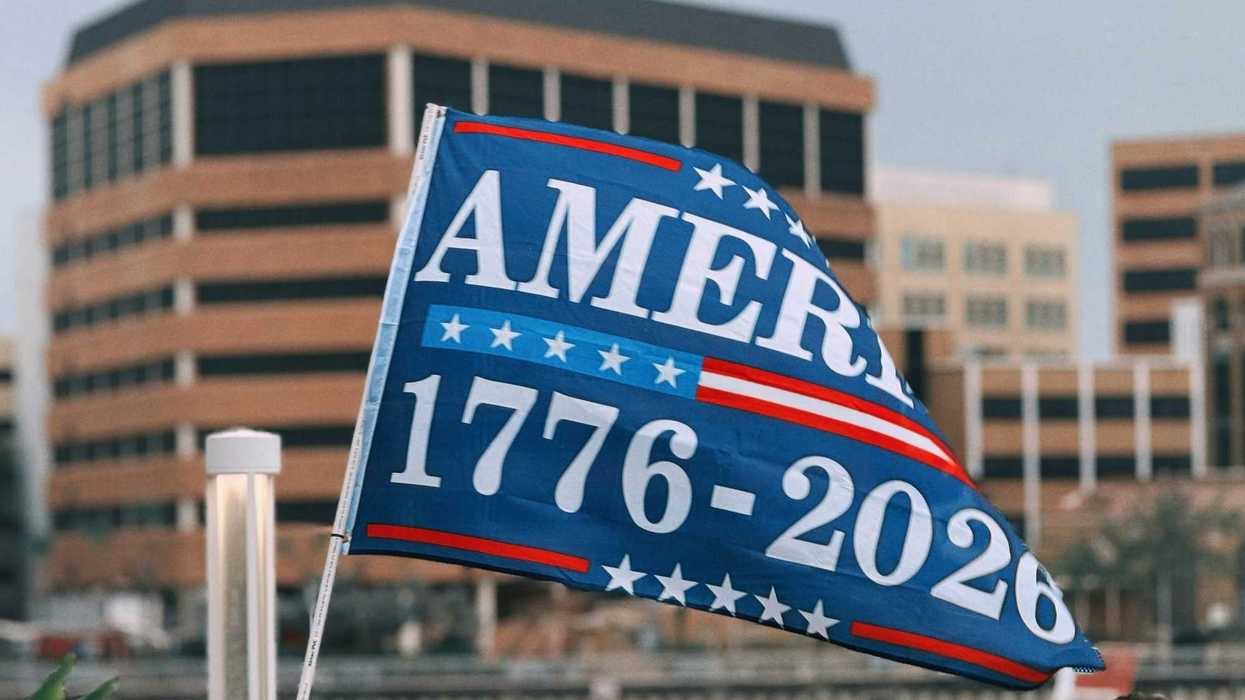
Nearly 40 years later, I'm not sure I believe in that American Dream. And I'm not alone in that doubt. This year, the United States will celebrate 250 years of independence — with fireworks, reenactments, and the familiar stories of founders and freedom. But for a lot of us, the milestone lands differently. Not as a celebration, exactly. More like a question we can't stop asking.
Independence from what? And for whom?
I've watched the definition of freedom narrow in my lifetime. I've felt the quiet suggestion — sometimes subtle, sometimes loud — that people like me are outside the frame of what this country was meant to be. And yet, queer people have always been here. In towns like mine. In families like mine. Serving, building, showing up. We were never separate from the American story; we were just edited out.
When I say I'm not sure I believe in the American Dream, I mean: I'm not sure the version I was handed was ever the whole truth. What I'm still reaching for is something underneath it — a possibility that requires participation, friction, and revision. Something that asks more from us than nostalgia.
Which brings me to hope. And how hard it is to hold onto right now. Author and civil rights activist James Baldwin once wrote, Hope — the hope that we, human beings, can be better than we are — dies hard; perhaps one can no longer live if one allows that hope to die. But it is also hard to see what one sees. Published in 1972. It could have been written this morning.
Baldwin isn't asking us to be naive. He's acknowledging the weight of seeing clearly, and choosing hope anyway. That distinction matters. Hope isn't wishful thinking. Its orientation. It's preparation. It's a practice of becoming the kind of person capable of the world you're working toward. That reframe feels important to me as I sit with the contradictions of this anniversary. I don't know if I believe in the American Dream the way I was taught to. But I do believe in the possibility of this place — and I think that belief requires me to keep acting like it's real, even when the evidence is hard to look at.
Joan Didion writes: I'm not optimistic, darling, but I'm hopeful. There's a difference. I'm hopeful.
That's what I'm aiming for. Not optimism. Optimism feels too easy, too untethered from the weight of what's actually happening. Something harder than that. Hope as a discipline. Hope is a form of showing up.
If this country is going to celebrate 250 years, let it be honest about who's been here the whole time — building it, serving it, loving it enough to expect more from it. That's not cynicism. That's the most patriotic thing I know how to do.
That, to me, feels like what it means to grow up in Freedom.
And to choose, still, to hope.
Joshua Lavra is a 2026 Public Voices Fellow of the Op-Ed Project Public Voices Fellowship on Youth Well-Being and Power with Hopelab.






The President Invited Iran to Bomb My Home