
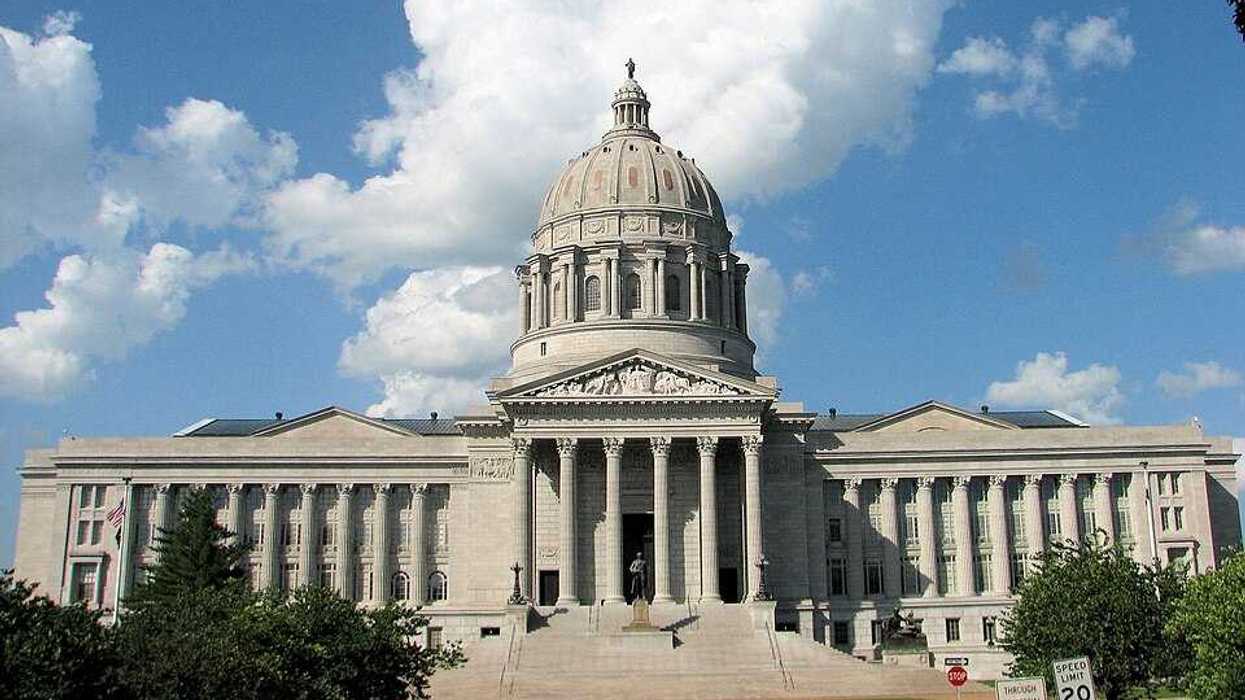
Louis —Tuesday wasn’t just primary election day in Missouri. It also marked the deadline for Secretary of State Denny Hoskins to certify ballot measures for November.
Among them was a veto referendum to overturn a legislative gerrymander signed into law in September 2025. However, instead of revealing how many valid signatures the measure had—Hoskins declared it unconstitutional.
The referendum, sponsored by People Not Politicians (PNP), would repeal HB 1, which put in place a new congressional map designed to give Republicans 7 of the state’s 8 US House districts.
Missouri became the third state to move forward with a mid-cycle gerrymander in 2025 following Texas and California.
PNP’s campaign began immediately following the bill’s passage in the legislature.
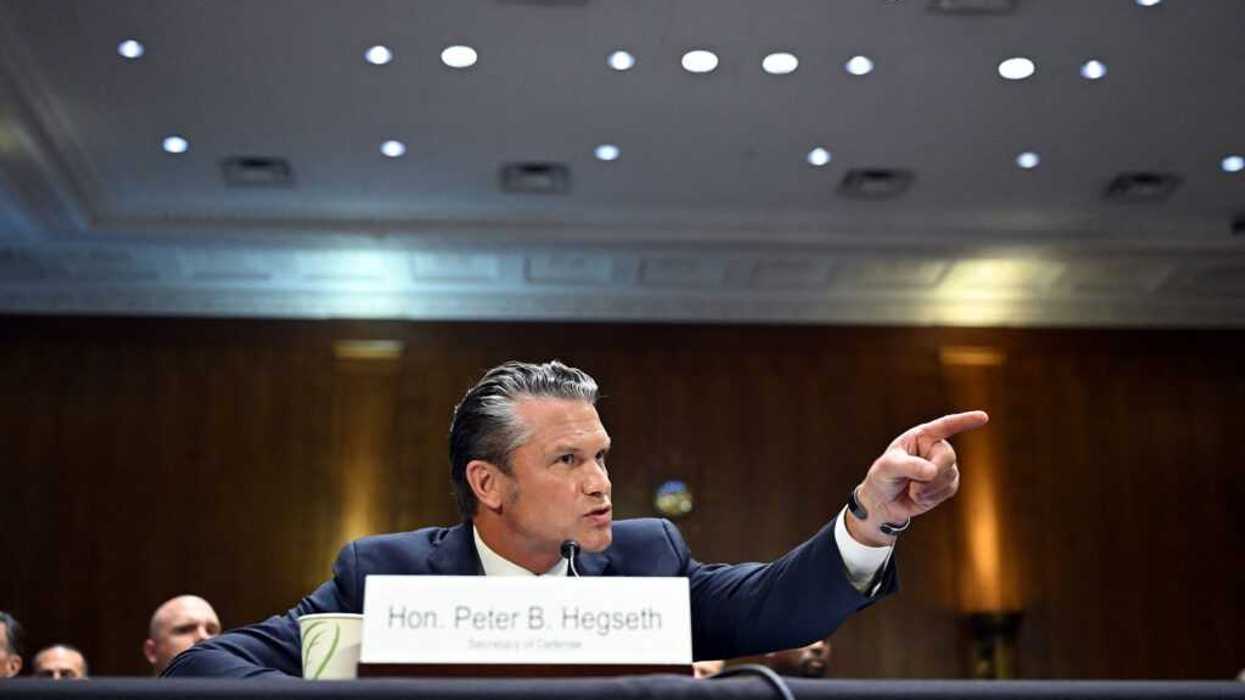
Hoskins asserts that a legislative redistricting plan cannot be subject to a voter referendum. When asked how many valid signatures the measure had during a news conference Tuesday, he refused to answer.
“Whether they had one signature or 500 million signatures doesn’t really matter because they are unconstitutional,” he said.
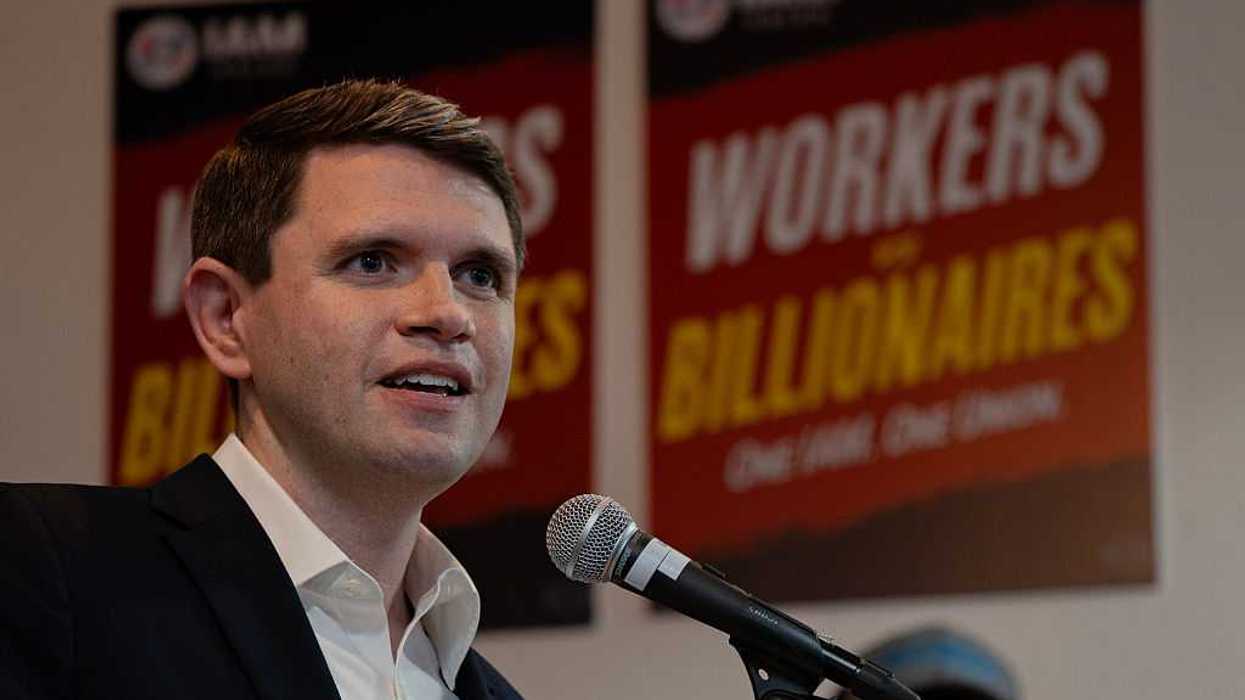
In response, PNP accused Hoskins of “making a last desperate attempt to silence the people’s voice in Missouri,” and vowed to take the matter to court. In a statement, the group’s executive director, Richard von Glahn, said:
“Missourians will have the final say in November and a chance to vote no to politicians’ desperate power grabs.”
PNP submitted more than 300,000 signatures to put its veto referendum on the ballot. It needs about 110,000 of them to be verified in order to qualify for the ballot.
However, from the start of the campaign, it ran into problems with Hoskins and other Republican leaders.
First, Hoskins said he wouldn’t count approximately 100,000 signatures because PNP collected them before the referendum was approved for petition circulation. He cited a Missouri law that no longer exists because it was ruled unconstitutional.
Hoskins has also said he will do everything in his power to protect the new map.
Advanced Micro Targeting, Inc., the signature gathering group hired by PNP, alleged in a lawsuit that its contractors were bribed to switch sides. And if the contractors refused, they were threatened and harassed.
Republican Attorney General Catherine Hanaway filed a lawsuit in federal court attempting to get the referendum ruled unconstitutional. It was dismissed. But Hanaway also reported PNP to ICE, alleging it was using undocumented migrants to collect signatures.
Then, on Black Friday, the Republican National Committee sponsored a mass statewide text to Missouri voters warning them not to trust “out of state” signature gatherers trying to trick them while shopping.
- YouTube youtu.be
After PNP submitted its petitions on December 9, Republican officials still implemented the new congressional map on Dec. 11. PNP argues that once the signatures were submitted, HB 1 should have been suspended until a public vote.
Multiple lawsuits were filed. Not all by PNP. Some wanted HB 1 ruled unconstitutional. This was rejected all the way up to the Missouri Supreme Court. PNP filed a complaint against Hoskins for refusing to count a third of its signatures, but a judge delayed ruling on the matter.
In March, PNP reported that data from the secretary of state’s office showed that its referendum had enough signatures to be certified. And yet, Hoskins still waited until the last possible minute to make his decision on it.
And now, he has determined that it is unconstitutional.
It was always a card Hoskins had to play. The federal judge that dismissed Hanaway’s lawsuit said that the secretary of state had the authority to reject the referendum, at which point it would be a matter for state courts to resolve.
And now, it will be.
It’s notable that on the same day Hoskins rejected the referendum, he also rejected another measure that would have restricted the legislature’s ability to amend citizen initiatives approved by voters.
He said it violated the state’s single subject rule.
Meanwhile, Missouri voters overwhelmingly rejected an amendment proposed by the legislature that would make it harder for voters to amend the state constitution.
If approved, Amendment 4 would require an amendment measure to be approved by a majority in each congressional district rather than a statewide majority. Eight in ten voters rejected it.
Missouri Drew a Gerrymander. Now Its Secretary of State Says Voters Can’t Say No. is republished as part of The Fulcrum’s partnership with IVN and the Latino News Network to expand voter‑first journalism and strengthen public‑centered coverage of democracy.
Shawn Griffiths is an election reform expert and National Editor of IVN.us.