


Last month in these pages, I urged voters to choose consensus-builders over bomb-throwers. On November 3, Democrats won control of both the House and the Senate, flipping Senate seats in Kansas, Iowa, Texas, Ohio, Maine, North Carolina and South Carolina (Alaska and Mississippi remain uncalled). Whether voters chose consensus-builders is another question, and the winners have yet to answer it.
What Democrats clearly understood, however, was that voters wanted to hear about their grocery bills more than the culture wars. The results also offer a lesson in how to build a majority in a divided country — and a warning about how quickly it can be lost.
How the Bigger Tent Was Built
This cycle, Democrats were the bigger-tent party. They got there not by papering over their differences, but by rallying around one theme that voters of every stripe feel at the checkout counter: affordability.
Nearly nine in ten voters said the cost of living was a crucial or major factor in their vote, and more than 80 percent said they were worried about the price of necessities like gas, groceries and health care. According to CBS News exit polls, Democrats’ lead with independents was critical, and white women — a group that usually leans Republican — narrowly backed them.
Just as important was what Democrats chose not to fight about. Rather than being drawn into culture-war skirmishes, candidates kept returning to grocery bills, utility rates and insurance premiums. In the primaries, mainstream candidates in both parties outperformed their ideological flanks, giving voters nominees who fit their states rather than national litmus tests. This is moderation as a method, not a mushy midpoint: not requiring everyone in a coalition to believe the same things, but finding enough things they can accomplish together.
Some progressives will say economic populism, not moderation, won the day, and the inequality theme at the heart of James Talarico’s Texas Senate campaign clearly resonated. But the two explanations are not mutually exclusive — that is precisely what a big tent means. Candidates who railed against corporate power and candidates who ran as pragmatic problem-solvers won under the same banner, because the party asked them to agree on a goal, not to pass a purity test.
The Pendulum Swings
Some will argue that November 3 was less a vote for Democrats than against the President, the war with Iran and rising prices; even Vice President Vance has blamed the war for his party’s losses. They are partly right, which is why Democrats should treat their majorities as a loan, not a mandate.
Two years ago, Republicans rode voters’ frustration over prices to the White House and both chambers of Congress, then governed as though the victory were permanent. Voters have just corrected that impression, as they did in 1994, 2006, 2010 and 2018. Affordability belongs to no party; it rewards whoever delivers and punishes whoever doesn’t.
Democrats should not repeat Republicans’ mistake. A loan is not a gift, and it can be called in two years. If the new majorities spend 2027 turning legitimate oversight into political theater, passing messaging bills designed only to provoke a veto, or pursuing partisan priorities voters barely heard about during the campaign, the voters who crossed over this year will be the first to go.
Americans have a peculiar definition of compromise: Pew has found that partisans are far more likely to want the other side to do more of it. Democrats now have a chance to show that compromise is a governing principle, not merely something they demanded from Republicans.
Divided Power, Shared Responsibility
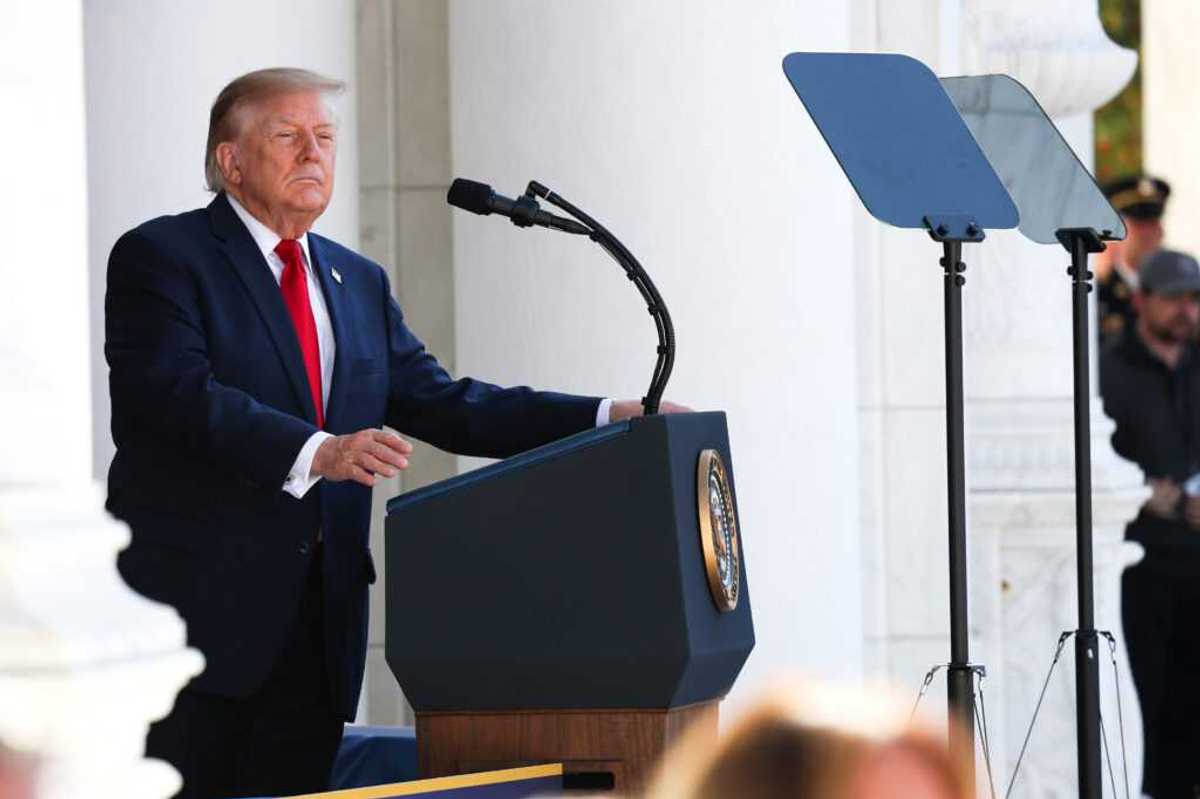
The President struck two notes on Election Day. Earlier he embraced the label “Mr. Veto.” But late that night, he told The New York Times, “We’ll probably work something out.” He also reminded the Times that he has “total veto power, so they have to come to us.”
Both statements are true. The new Democratic majorities fall well short of the two-thirds needed to override a veto. The President, meanwhile, cannot sign anything Congress does not pass. Neither side can govern alone. That is not a flaw in our system; it is the framers’ design. Divided power leaves the parties with a choice between compromise and paralysis.
The wave also swept away some of the Republicans most inclined to cut deals, including Problem Solvers Caucus co-chair Brian Fitzpatrick. Democrats should seek partners among the Republicans who remain, rather than assuming none exist.
The first test arrives before the new Congress is sworn in: government funding runs out December 11. A lame-duck Congress that passes full-year appropriations, rather than staging a fourth shutdown in barely more than a year, would send an unmistakable signal that neither side intends to spend the next two years governing by crisis. From there, the most promising common ground lies in the same affordability theme that decided this election — health care costs, prescription drug prices and housing supply — where both major parties have staked out largely overlapping positions.
The Politics of the Possible
Voters handed Democrats the gavels by trusting them on the issue that touches every household. The way to keep that trust is to deliver, and in divided government, delivering requires partners. To Democratic leaders: govern like the bigger tent you campaigned as. To congressional Republicans: the standard of compromise you expected from the minority now applies to you. To the President: if you meant what you told the Times, prove it in December.
Voters have already shown that they are willing to change who governs them. The harder test now is whether the people they elected are willing to change how they govern.
D. James Jones is the Chief Operating Officer of New Statecraft Institute, a DC-based think tank that conducts independent research and analysis of American public policy. He also serves as Senior Advisor to Resonant Public, a public affairs firm. He can be reached at djames@newstatecraft.org.