The Bible is filled with stories of betrayal and warnings of human treachery. Recall that Cain betrayed his brother Abel after God showed Abel his favor. Cain’s response was to lure Abel into a field where he killed him.
Or recall how Samson was betrayed by Delilah, the woman he loved. As the book of Judges says, she lured him into showing her “the secret of his great strength and how we can overpower him so we may tie him up and subdue him.” In return, she received “eleven hundred shekels of silver.”
But, alas, stories of betrayal aren’t confined to biblical texts. They have special resonance in political life.
As the famous Italian political commentator Niccolò Machiavelli put it, “For this can be said of men in general: that they are ungrateful, fickle, hypocrites and dissemblers, avoiders of dangers, greedy for gain; and while you benefit them, they are entirely yours, offering you their blood, their goods, their life, their children,...when need is far away, but when you actually become needy, they turn away.”
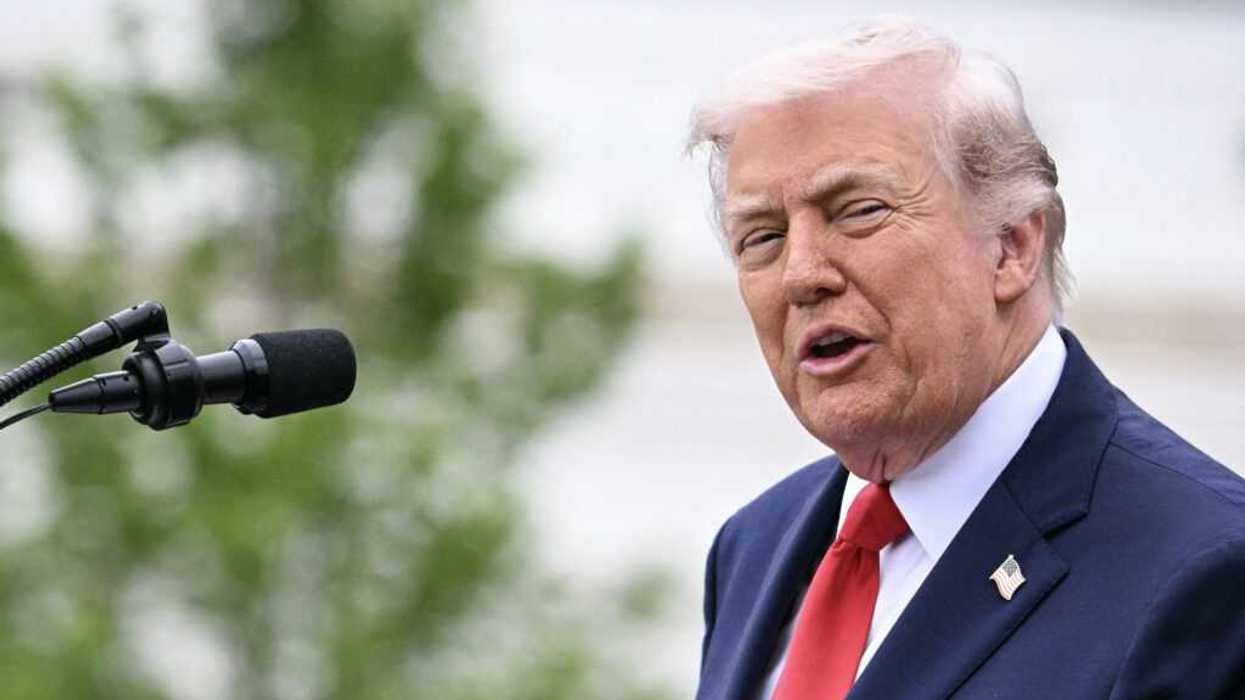
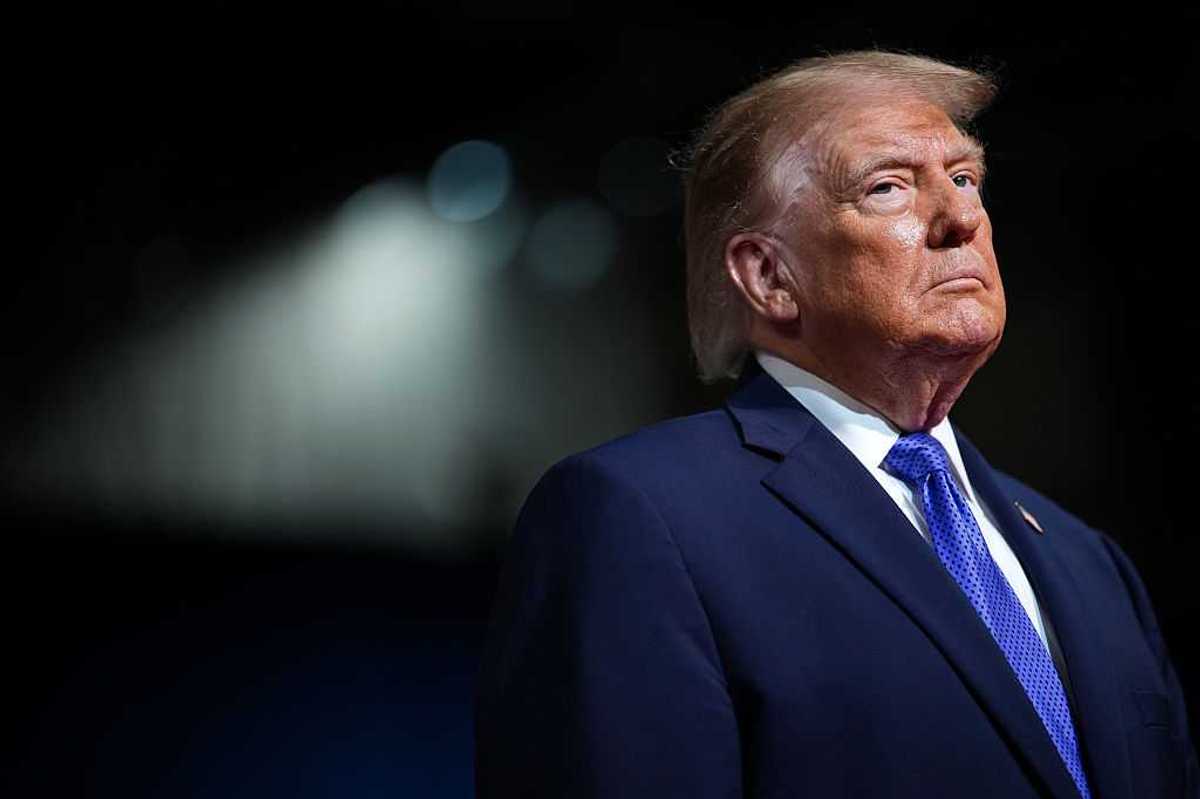
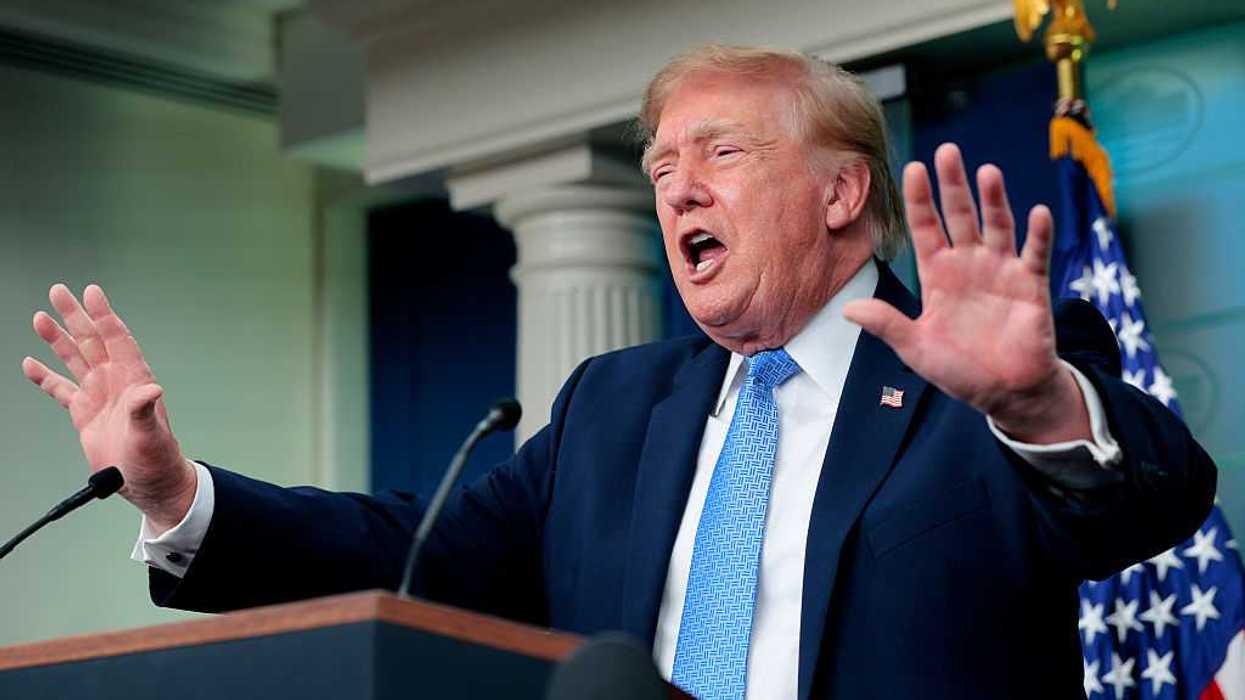
Those lines could have been written with Donald Trump in mind.
It has been hard to watch over the last few days as he turns his back on Ukraine, blames it for problems of his own making, stands by while hundreds of Ukrainian citizens are killed in Russian missile attacks, and has the temerity to tell Ukrainians that they should replace their president.
Trump’s betrayal of Ukraine will be the stuff of nightmares when the history of our era is written; it, and he, will live in infamy. That betrayal will do untold damage to the nation he leads and to its reputation worldwide.
As the Guardian notes, “Volodymyr Zelenskyy has said he feels personally betrayed by Donald Trump after it emerged that Ukraine’s military has had its access to Elon Musk’s Starlink satellite squeezed, raising doubts about long-term US support for Kyiv.”
“I am sure,” Zelensky added, “they knew what they did, absolutely. Because it was 1 am at night, Starlink was blocked by SpaceX and the United States…This decision will bring a lot of human losses … of course, people will die.”
And there is more to Trump’s betrayal.
Think about his deal to lift sanctions on Russia in exchange for diesel fuel. Supplies. Senators from both parties wrote to the president that his deal “only provides Putin with more fuel to finance his war machine and enables Russia to continue its brutal attacks on Ukrainian civilians.”
“Granting Moscow the ability to sell Russian diesel freely in global markets damages American security interests and is a betrayal of the people of Ukraine, who continue to defend themselves from Putin’s murderous, illegal war. This deal is a gift to our adversary and a betrayal of our Allies.”
Betrayal involves a rupture, an undoing of a trusting relationship. It is a disruption and undoing of expectations. Writing about Avishai Margalit’s book On Betrayal, the political theorist Michael Walzer observes that in Margalit’s view, “Betrayal…always depends on a relationship; there is always someone or some group that has been betrayed…. (U)nless someone else was counting on my faithfulness, I am not a betrayer.”
Of course, sometimes we think of such a rupture as morally virtuous, for example, when a whistleblower reveals nefarious and dangerous behavior, or when police choose to break “the blue wall of silence.” And, whether virtuous or not, for Machiavelli, the skillful Prince needs to anticipate and be ready for betrayal.
And one cannot really imagine that Zelensky was surprised by Trump’s latest acts that put Ukraine in jeopardy. He should not have been.
As he has shown throughout his career, Donald Trump is, as The Guardian’s Jonathan Freeland puts it, a “master of betrayal.” That is why it is hardly surprising that he would betray Ukraine.
He has done it more than once.
In 2019, Trump held up hundreds of millions in military aid to pressure Zelenskyy into investigating Joe Biden and his son, Hunter. In February 2025, barely a month into his second term, Trump “delivered an on-camera dressing down of Volodymyr Zelenskyy in the Oval Office, seeking to humiliate the Ukrainian leader by telling him, ‘you don’t have the cards,’ even as JD Vance demanded their visitor show gratitude.”
By the end of 2025, the Washington Post reported that Trump had changed his position on the war in Ukraine 19 times. He has become the living and breathing embodiment of the political theorist Judith Shklar’s observation that “In a tricky and unstable world, fidelity may be in such short supply that betrayals become the norm….(and) betrayal…lose(s) its primitive horror.”
Nonetheless, Freeland captures the horror of Trump’s latest betrayal when he notes, “Just as Russia’s military position was looking precarious, Donald Trump has come riding to the rescue. Throw in the US invitation to Putin to attend December’s G20 meeting at one of Trump’s golf clubs in Florida, and you have a US president who might as well be skywriting his support for Russia and his betrayal of Ukraine.”
The result of all this is that the United States has lost its standing as a bastion of freedom and a reliable ally and partner.
And as Ukrainian civilians die because of Trump’s fecklessness, he should remember what God said to Cain after the slaying of Abel: “Now his blood is shouting to me from the ground. So you will be cursed from this ground. Now when you work the soil, the ground will not help your plants grow. You will not have a home in this land. You will wander from place to place.”
All Americans can only hope that because of what Trump has done, this country will not be cursed and banished from the community of nations.
Austin Sarat is the William Nelson Cromwell professor of jurisprudence and political science at Amherst College.