

Skip to content
Search

Latest Stories

Follow Us:
Top Stories

Gravity Sends Trump Tumbling Back Down

Opinion

James Talarico

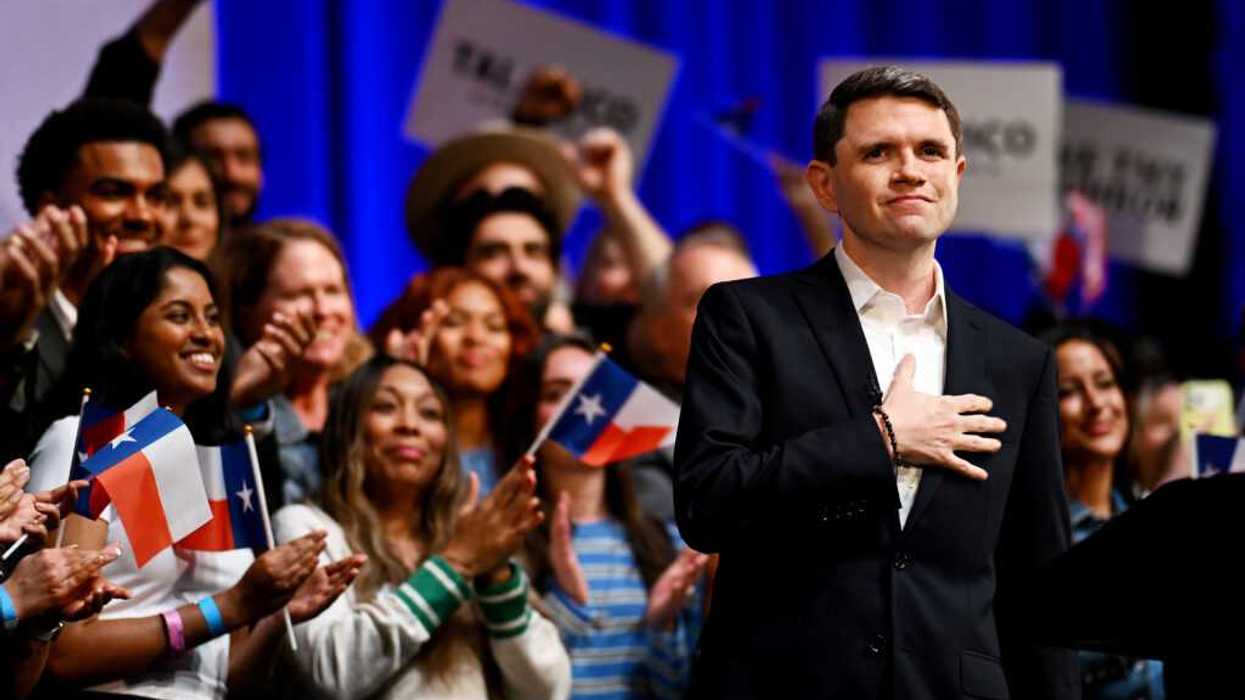
U.S. Sen.-elect James Talarico speaks during a midterm election night event at the Long Center for the Performing Arts on Nov. 3, 2026, in Austin, Texas.

(Getty Images)

For many Americans, the last decade of politics has tested their patience — and the laws of physics.

Donald Trump’s rise from reality star to president has been marked by jaw-dropping moments that seemed to bend the conventions long-held not only by conservatives and Republicans, but by the world as we know it.


His unseemly personal peccadillos didn’t hurt him. His ugly attacks on people usually spared by smart politicians — and decent people — like veterans, the disabled, women and children didn’t turn off a majority of voters. His open grifting and profiteering off of his own impeachments and mugshot didn’t keep him from reelection — nor did those criminal convictions.

Nor did instigating an insurrection at the U.S. Capitol, in which his supporters attacked police officers and American democracy itself.

But last night, the laws of physics proved immutable, to the relief of millions of Americans.

Gravity is, in fact, real.

It turns out, you can’t start a war in the Middle East in an election year after promising you wouldn’t.

It turns out, you can’t raise gas prices as a result of that unpopular war and then tell people to suck it up — it’s patriotic.

It turns out you can’t raise the cost of goods on everything from groceries to energy with tariffs — a tax on consumers — and then tell people affordability is “a hoax.” Again, in an election year.

It turns out you can’t openly use the presidency to line your own pockets and the pockets of your family; you can’t party with caviar bars and live zebras, and brag about how much the oil companies are making off of the ill-advised war no one voted for while most Americans are struggling to feed their families.

It turns out you can’t break a bunch of core promises to voters — to end inflation, to end forever wars, to release the Epstein files, to name just a few — and expect them to take it on the chin.

It turns out unelected tech bros can’t just buy elections, even with nearly half a billion dollars.

And it turns out, you can’t ask voters to pretend you’re on the ballot with just 30% approval.

On Tuesday night, voters all over the map, including in the reddest of states and counties, sent a message to Trump and the Republicans who enabled him that they were done with the nonsense, the self-dealing, the broken promises, the open corruption, the let-them-eat-cake largesse, and the focus on everything but the things that matter to them.

To say Democrats overperformed is an understatement. With wins everywhere from Texas to South Carolina, Dems took back the House and the Senate with seats to spare, and won a majority of governors’ races. It’s harder to find the places where Republicans actually had some wins — and can they really brag about winning in Florida, the president’s home state?

Sen.-elect James Talarico won in Texas by a whopping 12 points.

Sen.-elect Adam Hamilton won by four points in Kansas.

Sen.-elect Troy Jackson won by eight points in Maine.

Sen.-elect Annie Andrews won in South Carolina by three points.

The question now is, will Trump and MAGA learn the very clear lesson voters taught them? Will Republican lawmakers begin to pry Trump’s bloated fingers off of their party as the sun sets on his second term? Will they reject Trump’s culture wars and return to the principles that drew Americans to the right in the first place?

Trump seemed to believe “total immunity” wasn’t just a legal application but a political one. It turns out, it wasn’t. Not even he was immune from his own bad decisions and the will of the people.

S.E. Cupp is the host of "S.E. Cupp Unfiltered" on CNN.

Read More

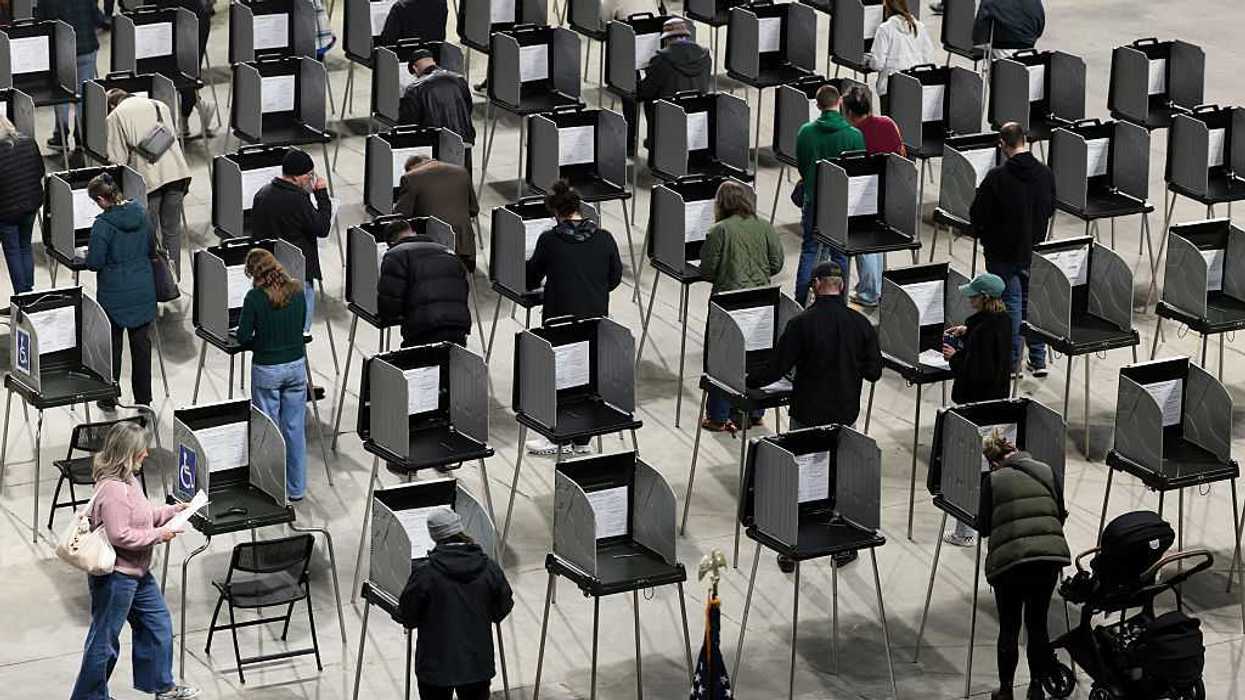
Voters cas ballots in Ohio

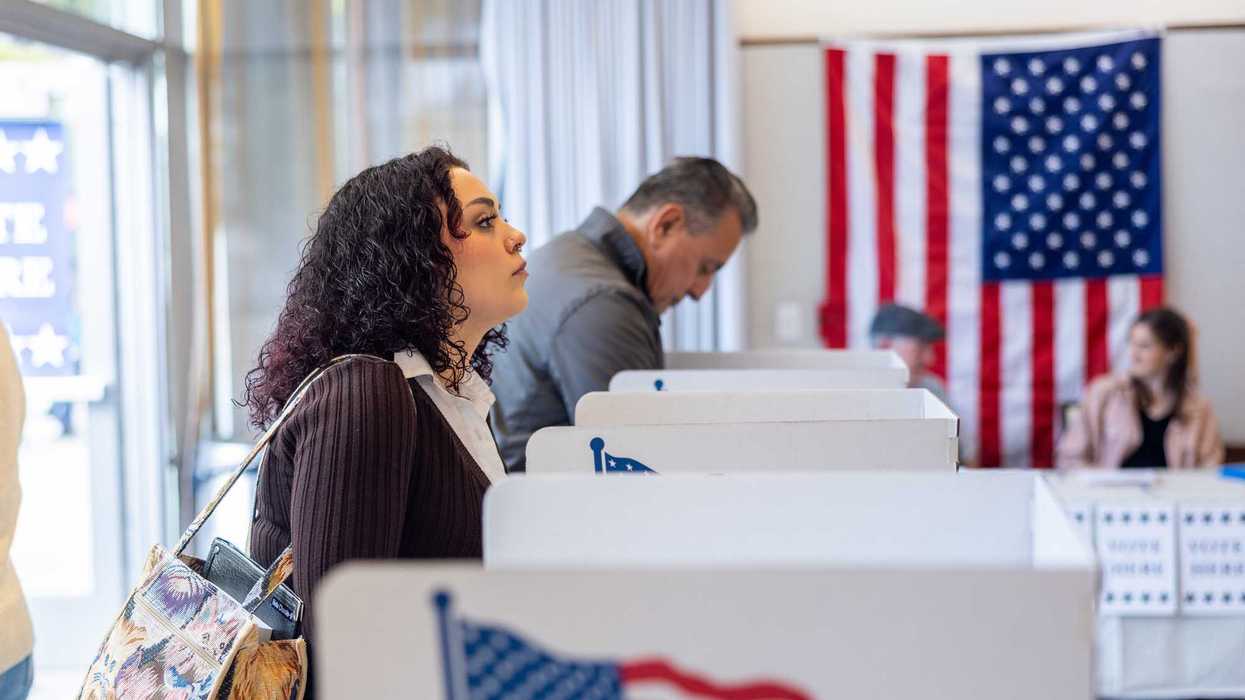
Voters cast their ballots inside a polling location in the social hall at St Patrick's Church on November 3, 2026 in Youngstown, Ohio.

(Photo by Jeff Swensen/Getty Images)

The Election Night TSUNAMI Wasn’t Blue - It Was Independent

Election night turned into what Shawn Griffiths calls a "bloodbath," and our hosts could barely contain themselves reacting live: Troy Jackson just knocked off 30-year Senate fixture Susan Collins in Maine, and that was only the beginning.

Chad, Cara, Shawn, and Ethan break down a stunning wave election that saw James Talarico take the victory over Ken Paxton in Texas and Troy Jackson upset Susan Collins in Maine. Showcasing the open primary in California, Democratic Socialist candidates got crushed by other Democrats, but moderate Republicans survived. Here’s the part the mainstream media will miss: the driving force behind this wave was independent, not blue.

Keep Reading Show less
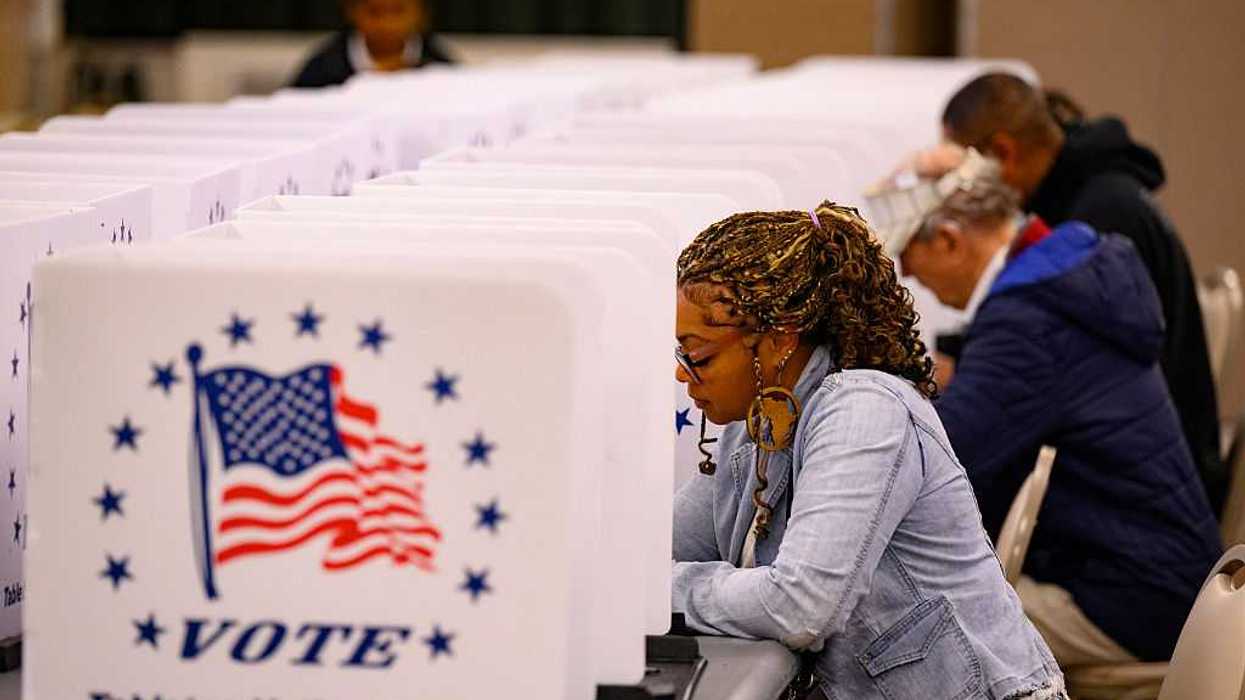
People voting

Election Day in America

Getty Images

The Future of Our Democracy Is Being Built Close to Home. Will America Pay Attention?

Today, voters in Lexington, Kentucky will decide whether ordinary residents should have a permanent role in reviewing the rules of their local government. If approved, an assembly made up of residents selected by lottery would review the city charter at least every eight years, giving everyday people a recurring opportunity to examine how Lexington is governed.

It's a significant proposal, and one that could put our Kentucky city at the forefront of democracy reform in the United States.

Keep Reading Show less
I Voted stickers and American flag
person holding white and red box

Too Tired to Vote? The Hidden Question Hanging Over the 2026 Midterms

The 2026 midterm elections are finally here, and campaigns are still consumed with a familiar question: Who will voters support? While this may seem obvious, another question may matter just as much: Will they vote at all?

Americans are hardly indifferent about the economy. A July Pew Research Center survey found that economic issues were, by a wide margin, what registered voters most wanted congressional candidates to discuss. Twenty-nine percent spontaneously identified an economic issue, with affordability and the cost of living leading the list.

Keep Reading Show less
US Supreme Court
a group of people standing in front of a building
Photo by Stephen Talas on Unsplash

Supreme Court Rejects DOJ Election Request, Leaving California Procedures Intact

The administration had asked the Court to order California election officials to set aside ballots cast by approximately 20,000 registered voters whom federal officials claimed might be ineligible to vote. According to the federal government, these concerns stemmed from possible issues related to citizenship status, questions about residency, or discrepancies in voter registration records. State and local election officials disputed the reliability of the federal government's data and warned that complying with the request could put lawful votes at risk and disrupt election administration already underway.

The Supreme Court's decision leaves California's existing election procedures in place and marks the administration's latest setback after lower courts rejected similar requests.

Keep Reading Show less