
As the fall semester enters its final stretch at the university where I teach, Thanksgiving break promises a respite as final exams loom. That’s the same timeline of the first season of Amazon Prime’s record-setting, hit series Off Campus.
Most chatter about Off Campus concerns its romance genre tropes, the steamy sex scenes and the chemistry among the actors. Critiques tend to focus on how the show diverges from the book it’s based on. Now, of course, the Cornell 7 case lurks in the show’s frat-style hockey house, the incessant texting and sexting, and the side-by-sides of excessive drinking and hook-ups–despite the fact that Off Campus has a refreshing insistence upon consent.
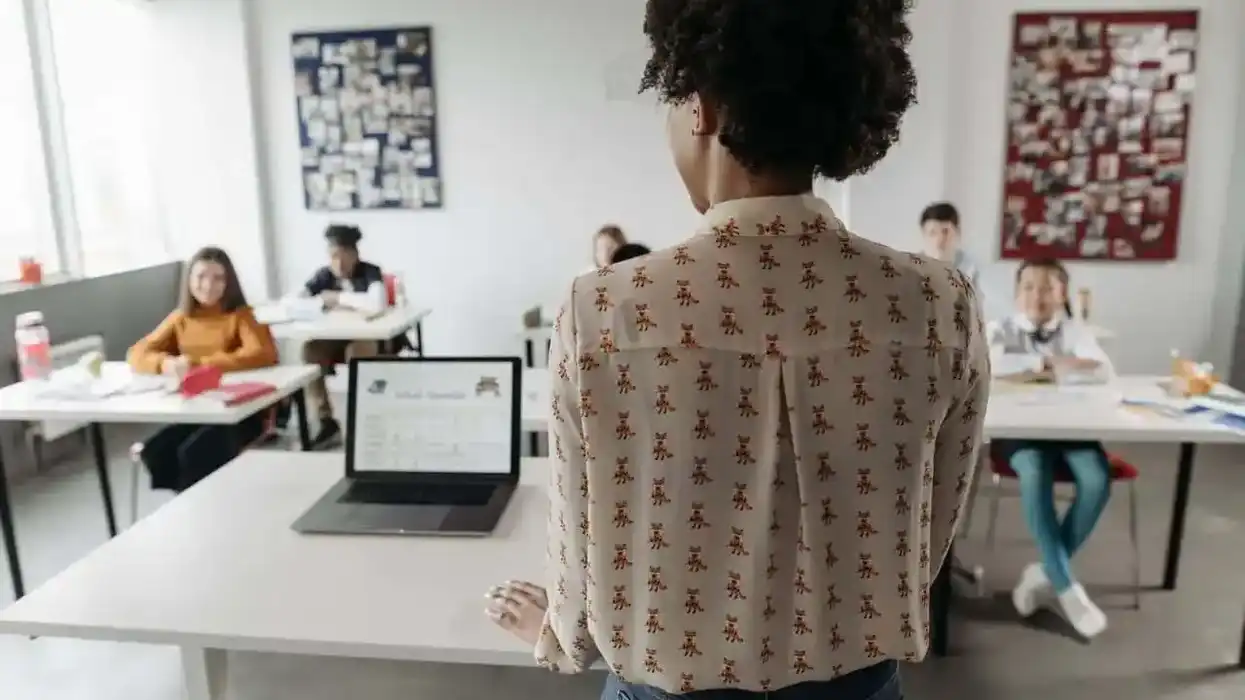
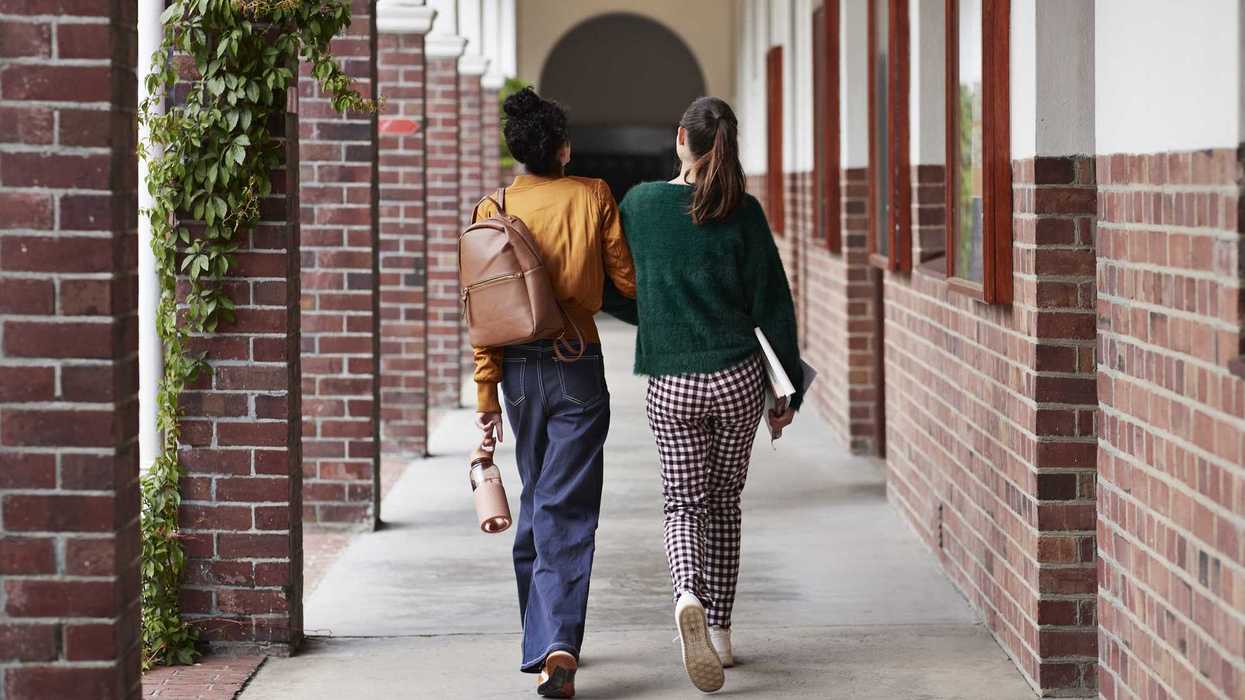
My concern after watching the series, however, focuses on the characters’ actual education. Much of the show is embedded within a college curriculum centered on the humanities and fine arts which reflects the show’s themes and buoys the characters as they struggle and grow. Yet in real life, the very existence of higher education programs in the humanities and fine arts, let alone their vibrancy depicted in Off Campus, is under threat more than ever. That’s not just bad for enrollments; understanding our shared humanity is vital to the very tenets of democracy.
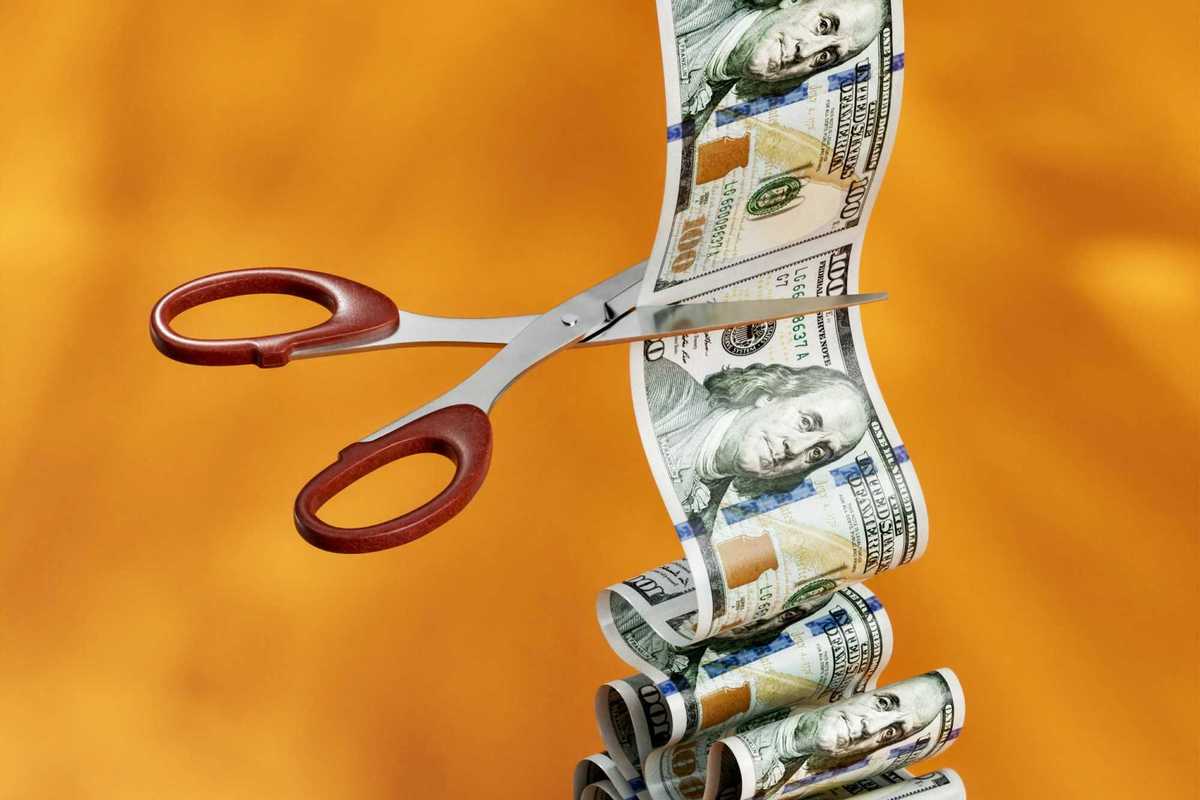
Perennial underfunding hobbles these departments. Early in the first episode, Allie, an acting student, confronts the main character who is on the hockey team about their expensive, fancy gyms, “even though the theater department is literally falling apart.” Crumbling infrastructure aside, the humanities receive a pittance –one tenth of one percent in 2020– of the federal government’s overall investment in higher-ed research. And that was before DOGE hacksawed the National Endowment for the Humanities and the National Endowment for the Arts.
The starting ploy of Off Campus’ plot takes place in a philosophical ethics course where both Garrett and Hannah, the two main characters, are enrolled. Hannah earns an A+ on her paper, Garrett receives an F and the tutor-turned-lover trope begins. The course is more than just background, though. On the blackboard, in lectures and through assessments, the course raises big questions about the human experience –morality, truth, intelligence, emotions– while the characters tangle with those same issues in their private lives. For example, Hannah’s perfect paper focused on a historical feminist figure as she herself struggles throughout the series with the aftermath of gender violence.
Yet in a recent report from the American Academy of Arts & Sciences, the number of bachelor’s degrees awarded in the humanities, including philosophy, is in steep decline: over 30% fewer than in 2012. Degrees in the arts dropped over the last decade, too, but only by one percentage point. Overall, the arts and humanities combined make up only 15% of all bachelor’s degrees conferred.
My field, languages and literatures other than English, experienced a 16.6% fall in enrollments from 2016-2021, a trend Inside Higher Ed described as “plummeting.” The need for multilingual Americans with intercultural competence has not decreased one iota, though. In Off Campus’ Thanksgiving episode, international exchange students are played for laughs. But in language courses, college students engage thoughtfully with other cultural perspectives and amplify their understanding of our shared human experience. And in this country, an inclusive civic discourse needs to be multilingual since according to the US Census Bureau, “More than 1 in 5 people (22%) age 5 and older in the United States spoke a language other than English at home.”
Artificial intelligence threatens the arts and humanities from a new direction. For example, Garrett’s philosophy paper had a weak title, no page numbers, confusing wording and no real thesis statement. Generative AI can create seemingly “perfect” humanities papers without the critical thinking these sorts of assignments are intended to develop and that a truly informed citizenry needs. In contrast, Garrett’s internal struggle with his father’s long shadow compels him to earn his wins –and grades– through old-fashioned effort, hand-written notecards and in-person study sessions.
Finally, the arts and humanities fuel the characters’ development outside the classroom, too. Music is key to their understanding of their emotions and of who they are in relation to others. Musical performance, whether for social media, on the karaoke stage, in the hockey rink or in front of a panel of judges, guides Hannah's growing ability to share her vulnerabilities. Allie improvises her Shakespearean soliloquy to articulate her doubts about her recent breakup. And even though Hannah’s collaborative song-writing sessions with her crush don’t pan out, she borrows his use of ambient sounds to enrich the music of her final performance. Add to that the faculty, advisors and coaches who pose the right questions at the right time because they know and care about these students, and the audience sees that the arts and humanities are about connection and inquiry.
Off Campus, in the end, is a genre romance that also romanticizes the college experience. Still, I saw glints of my real-life students in these characters: their difficulties, their goodness and their willingness to grapple with core questions of our human experience and our shared body politic.
Everyone deserves access to rigorous, enriching programs in the humanities and fine arts. If we want that to remain more than just fiction, those programs need to be valued as essential to a thriving democracy and supported.
Annie Abbott is an Associate Teaching Professor of Spanish at the University of Illinois and a Public Voices Fellow of The OpEd Project. She is currently writing a book about her three languages: English, Italian, and Spanish.