
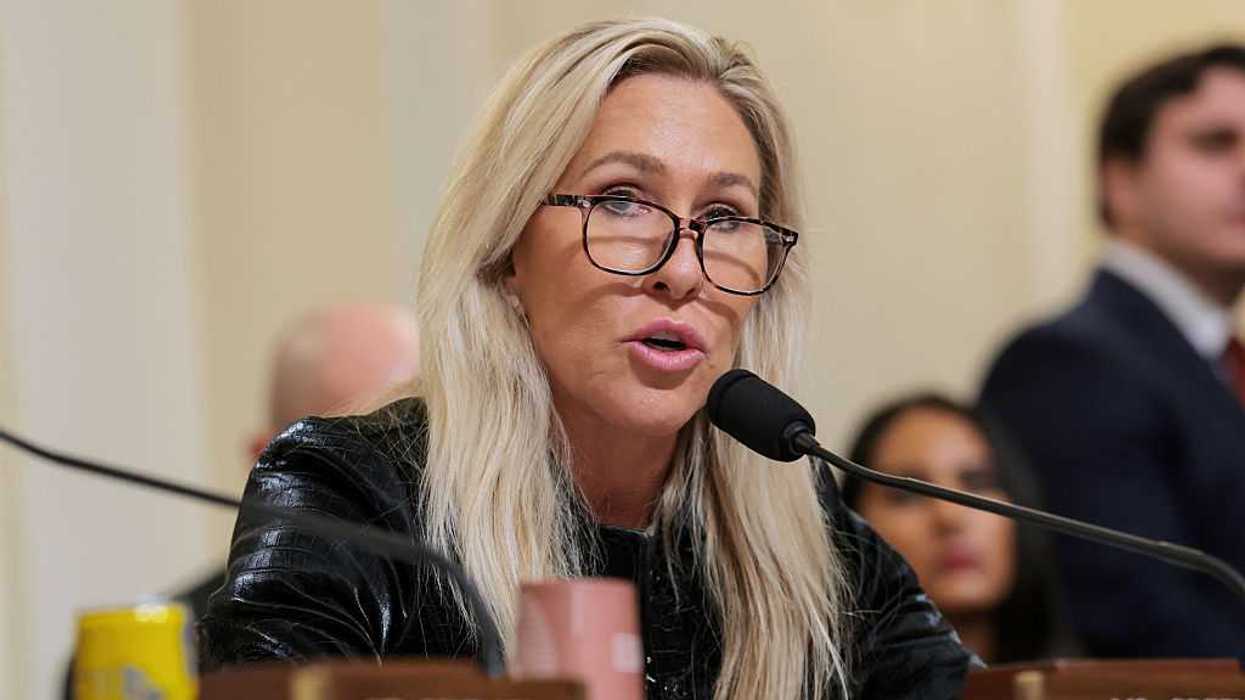

On a recent episode of conservative commentator Tim Pool’s podcast, former US Rep. Marjorie Taylor Greene responded to the near 40-point swing among young white men to Democrats in the 2026 midterm.
Her message: They don’t care about party. They want people in office who will do something for them.
“That’s what Fox News doesn’t get and a lot of these good ole GOPers and establishment Republican people,” she said. “They don’t understand that no one really cares anymore. It’s literally, ‘what are you going to do for me?’”
- YouTube youtu.be
Regardless of how one feels about Greene, she has a point, and it is a lesson not just for Republicans, but Democrats as well.
The lingering question after the election is, how are Democrats going to perceive this victory?
If they perceive it as a mandate to push whatever policy they want, or a realignment of young voters or Latino voters, then they failed to understand what happened in this election.
What Americans witnessed was a massive rebuke of failed promises on bringing down prices, on making the US feel more affordable, on no wars,. and on tougher immigration enforcement that would target only serious criminals.
This wasn’t just seen among voters on the left, but people who voted for Trump and aligned-MAGA candidates because they wanted someone who would actually deliver.
Author and GOP consultant Mike Madrid called what happened with the Latino vote a dealignment, not a realignment. The same can be said for young white men too who aligned with a political movement, but rejected it when their concerns weren’t addressed.
The mistake both parties make is they feel they are entitled to certain votes.
The Democratic Party believes they are entitled to the ballots of young people, Latinos, black communities, and other groups that showed in 2024 that they can’t be taken for granted.
The Republican Party believes it is entitled to control states like Mississippi, Texas, South Carolina, etc. But if voters sent one clear message on and immediately after Election Day, it is that the parties do not own anyone’s vote.
Or in Greene’s words, “No one cares anymore.”
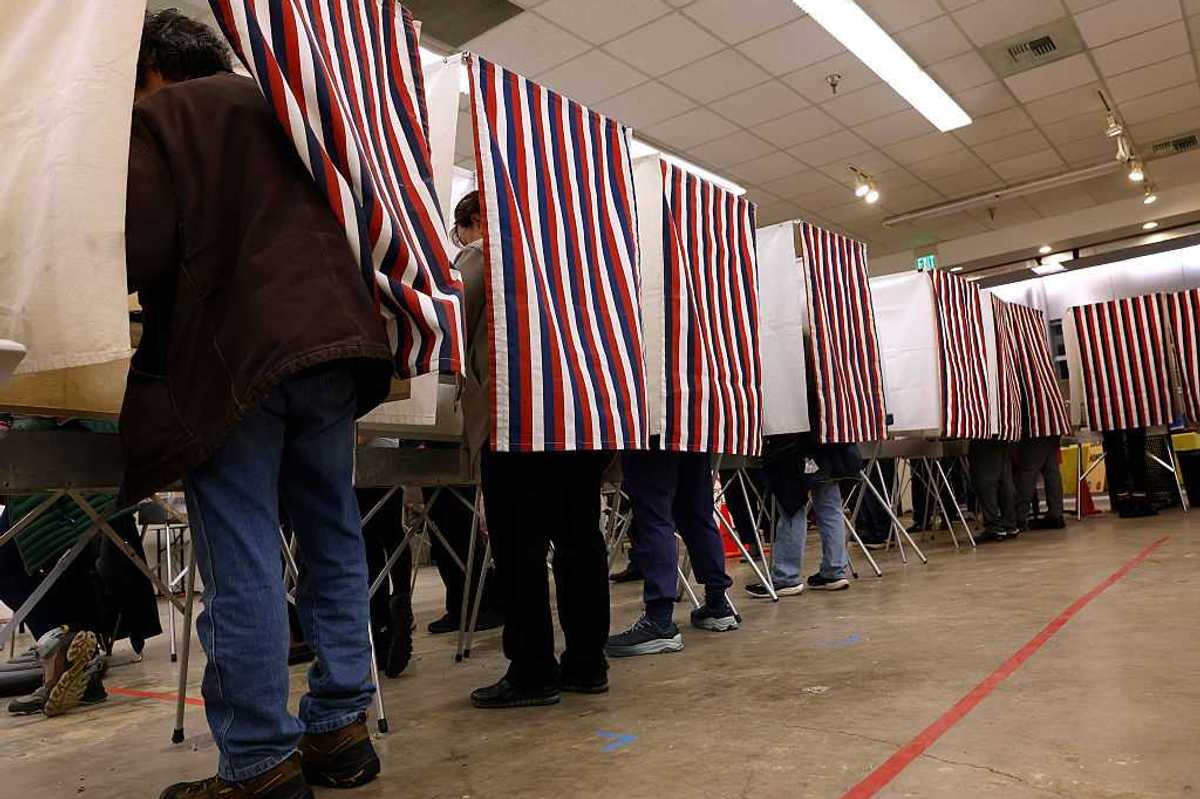
Nearly half of the national electorate identifies as independent. Political pundits often scoff at that figure and say independent voters are a myth. In the end, they will always align with one party or the other.
This election, more than any other in recent memory, proved them wrong.
As Open Primaries Senior Vice President Jeremy Gruber noted in a commentary piece published on IVN:
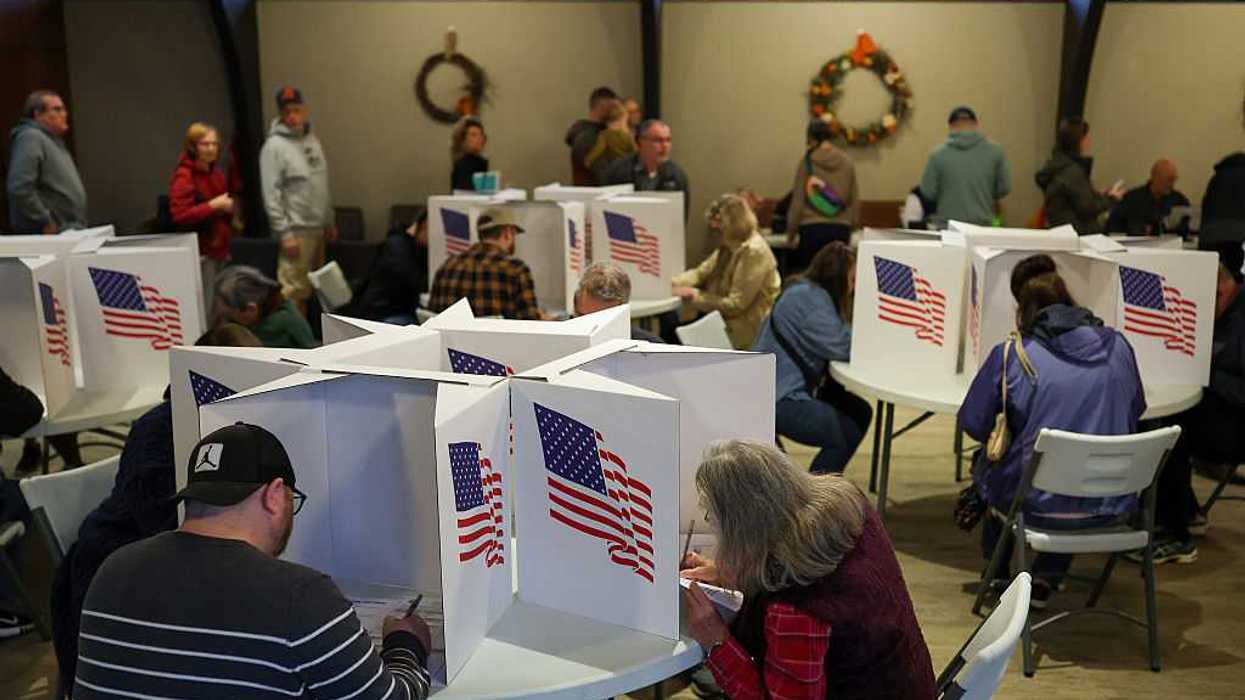
“Independent voters turned out in force. Texas saw record-breaking early voting, with more than 7.7 million people casting ballots before Election Day. Early turnout analysis also showed independent voters participating at rates exceeding Democrats and Republicans. And when the votes were counted, independents broke decisively for Democratic candidates in some of the most consequential races in the country.
“They went 63% for James Talarico in Texas, 62% for Sherrod Brown in Ohio, 64% for Annie Andrews in South Carolina and 64% for Adam Hamilton in Kansas. In statewide contests, they supported Sand in Iowa by 65% and Gina Hinojosa in Texas by 59%.
“These weren’t marginal differences. These were the votes that changed the map.”
CNN host Michael Smerconish had these additional data points on his SiriusXM Radio show Wednesday:
“18-29-year-olds are 38% independent. In the midterm they voted Democratic 73%-25%. First time voters—37% independent—voted Democratic 65-35. Nonvoters from 2024 who voted in ‘26, 51% independent. They voted Democratic 70-25.”
- YouTube youtu.be
The risk is that Democrats will ignore independent voters, as the parties regularly do until they need their votes, and make the same mistake Republicans did after 2024 and assume they are now entitled to conduct party politics as usual.
Many voters didn’t vote for Democrats. They voted against the party in power that didn’t deliver.
Greene used the analogy of hiring a contractor to remodel her kitchen. “He comes in and tears up the kitchen and throws everything in my front yard and leaves an entire mess and doesn’t do the job,” she said.
“Am I going to be upset that I have to go out and find someone else? No! I am going to fire that guy, not pay him a dime, and I am going to go out and find the next competent construction company that will come in and give me a beautiful kitchen.”
The only thing missing from her analogy is that the system is designed in such a way that there are only two contractors to choose from because the industry has intentionally been shaped to squash any other companies from being competitive.
But that is the warning for both parties.
Democrats can celebrate their massive wins in 2026, but if voters see politics as usual, some of those gains will be erased in the next cycle. They cannot get too comfortable or feel they are now entitled to control.
It is the same warning to Democrats I had immediately after the election a week ago on the Independent Voter Podcast:
- YouTube youtu.be
Or as it was simply summed up: “Don’t fumble the bag.” Both parties have to earn the votes they get. They have to earn the chance that voters —who are increasingly demonstrating their independence in greater numbers—give them.
And not mess it up if they want to keep their seats.
Why Democrats Should (Ironically) Listen to Marjorie Taylor Greene Right Now is republished as part of The Fulcrum’s partnership with IVN and the Latino News Network to expand voter‑first journalism and strengthen public‑centered coverage of democracy.