

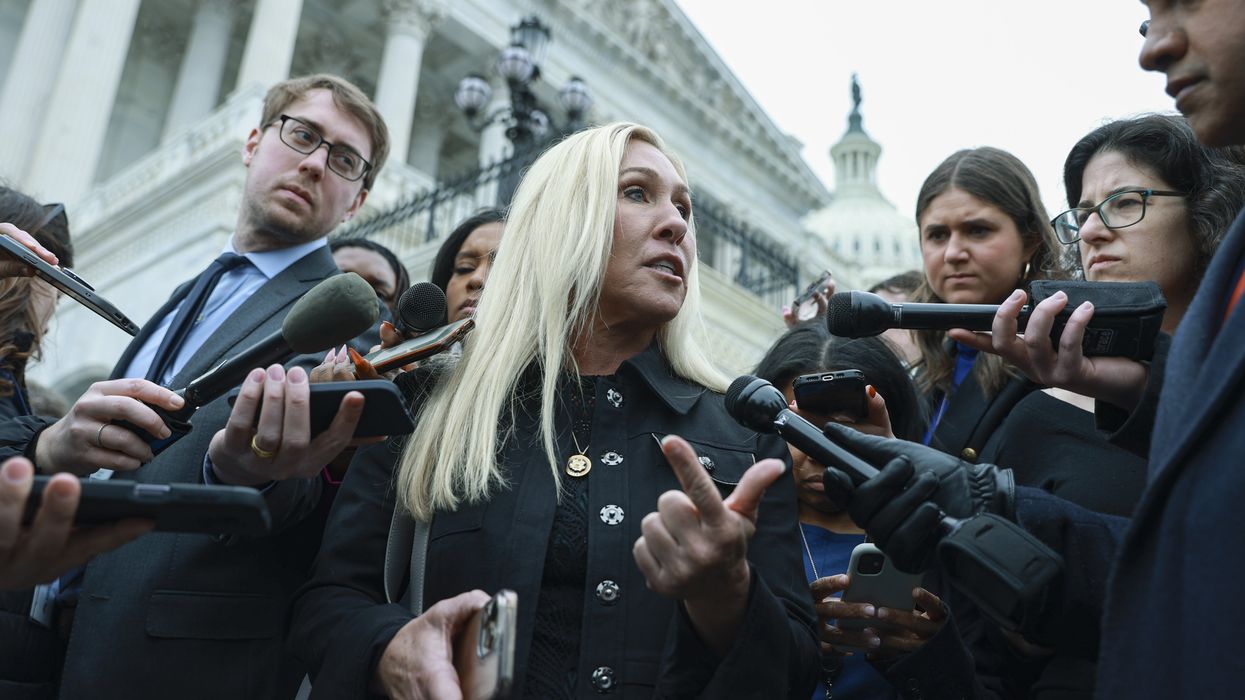

In an interview on Fox News, President Trump affirmed his support for H-1B visas. He argued that because the US lacks enough talented people, we “have to bring this talent” from abroad. His words sparked outrage among conservatives.
Representative Marjorie Taylor Greene, one of Trump’s staunchest loyalists, pushed back against Trump’s narrative. Greene praised US-Americans as “the most talented people in the world.” She even introduced legislation aimed at ending “the mass replacement of American workers” by the H-1B visa program.
Greene is not alone here. Paul Dans, the Project 2025 architect, likewise expressed skepticism, noting that “things are seriously askew.” Despite this, Trump insists that he knows “what MAGA wants better than anybody else, and MAGA wants to see our country thrive.”
But are these actions a betrayal of Trumpian politics? I argue that it’s not. His supporters just never truly grasped what MAGA means for Trump. U.S. Americans – ‘real’ or otherwise – are not the priority of his politics. MAGA politics prioritizes economic growth and, even more so, Trump himself. Ironically, Trump supporters wanted a president who would run the country like a business. They failed to understand, however, that within this corporate metaphor, citizens would be the employees. Employees are always contingent and disposable under capitalism.
In addition to the wealthy, two other broad groups matter within Trumpian politics:
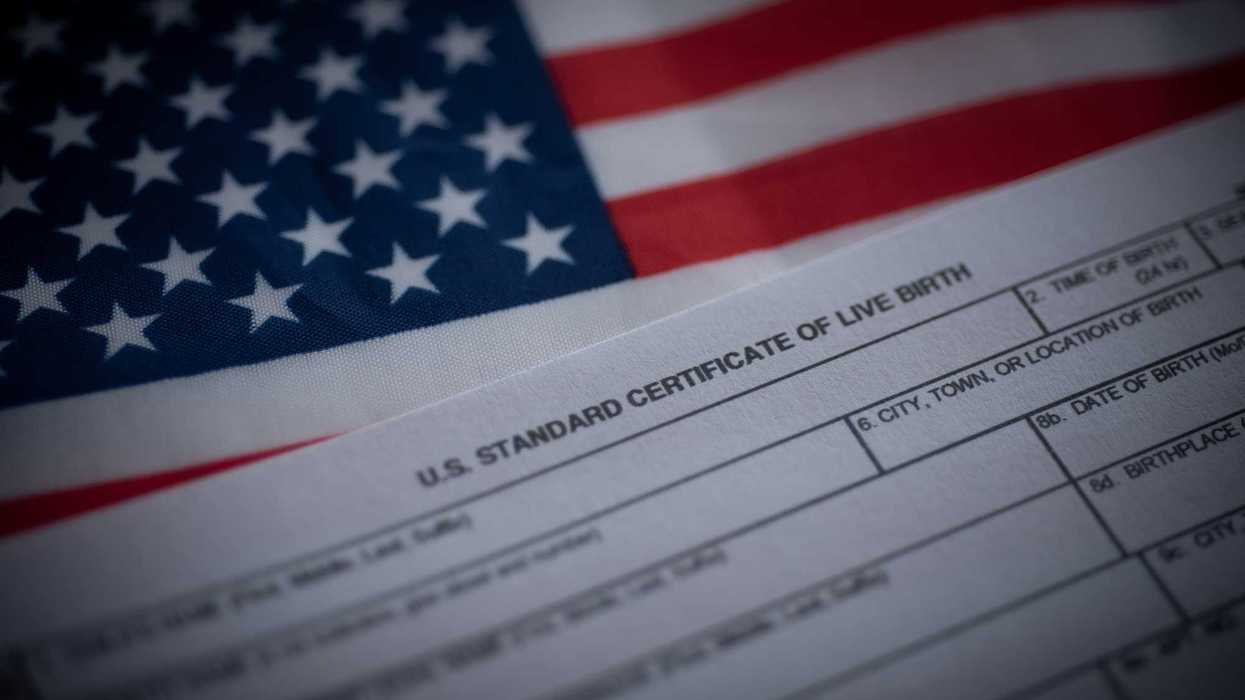
The first group is those in high demand by industry – those with “certain talents,” as Trump put it. This is why he is a proponent of H-1B visas, while also attempting to eliminate the birthright citizenship of people born to undocumented immigrants. H-1B visa holders are in demand, especially by tech companies. For Trump, the children of undocumented immigrants are a riskier investment, so they are expendable.
The second group consists of white, Christian Trump supporters. This is why
Trump is willing to go “guns-a-blazing” into Nigeria to defend Christians, while actively refusing to fund the Supplemental Nutrition Assistance Program (SNAP) during the government shutdown. Most SNAP recipients are people of color (though whites do make up the single largest racial group receiving benefits). Moreover, because SNAP recipients rely on a government program, they are not actively contributing to the labor force. As Trump put it, “But people who are able-bodied can do a job — they leave their job because they figure they can pick this [SNAP] up, it’s easier.”
This isn’t simply Christian nationalism. Christians who oppose Trump are also at risk. This includes people like the Rev. Jorge Bautista, Rev. David Black, and the Rev. Hannah Kardon, all of whom were attacked while peacefully protesting ICE. Within MAGA politics, loyalty to Trump is non-negotiable. Greene is currently learning this herself.
While these two groups form the basis of Trump’s politics, they are not equally important to him. Here’s a rough sketch of his priorities from most to least important:
1. Donald J. Trump
2. The wealthy
3. White Christian Trump supporters with “certain talents” that contribute to the economy
4 . White Christian Trump supporters that are not economically productive (e.g., Trump voters receiving SNAP benefits) AND ‘talented’ foreigners (e.g., H-1B visas). At times, he may favor one or the other, but they are largely interchangeable.
5. White Christians who are not Trump supporters
6. Muslims and people of color who are US citizens and voted for Trump
7 . Muslims and people of color who are US citizens and didn’t vote for Trump
8. Undocumented immigrants and all other noncitizens not included in 4
Perhaps you disagree with some of these rankings. The final three are somewhat interchangeable depending on the circumstances. This also overlooks important categories like class, gender, and sexuality. Trumpian identity politics are deeply intersectional after all.
The reality, however, is that none of these rankings is set in stone, aside from the top spot. Trump’s actions consistently demonstrate his lack of Christian faith and values. Christians have simply been loyal to him.
What this incomplete sketch highlights is that Trumpian politics are messy, contingent, and hierarchical. It is not the clear-cut us vs. them “America-only agenda his supporters wanted. That’s what the current rift is ultimately about. Trump supporters thought he was their savior: a successful businessman who would uplift ‘real’ Americans and save the country from the grips of mass immigration and wokeism. What they got was a conman whose values are dictated by capitalism and narcissism.
Yet, this moment represents a shred of hope. Trump supporters are starting to see Trump for who he really is. They are unhappy, and they are not alone. The truth is, no one is happy with the status quo. This presents us with the opportunity to consider a new post-Trump reality.
For all our political differences, I think many of us want the same things: to see our communities flourish, to achieve our dreams, to uplift our families, and to live happy, peaceful lives. We all genuinely want America to be great. And I think most of us believe it can. But it won’t be if we keep getting distracted.
The rise of Trumpism is largely the byproduct of people’s desperate desire for a new politics – one that prioritizes people. A system that works for us, and not simply the other way around.
Conservatives fell for Trump because he was able to redirect and manipulate their fears and anxieties. He made them genuinely believe that if we could just deport the “illegals” and eliminate “extreme gender ideology,” then America would be great, and their lives would be better. Democrats failed to stop Trump precisely because they failed to listen to the working class. They were more concerned with appealing to centrists, corporate interests, and Israel than offering voters a vision of a better tomorrow.
This needs to be our new starting point. We need to acknowledge the real problems of income inequality, housing and food insecurity, discrimination, and political violence. For America to be great, real change is needed. We need to reject capitalists like Trump, political opportunists like J.D. Vance, and corporate politicians like Kamala Harris.
Fortunately, we don’t need to look far. Zohran Mamdani is this change. New Mexico’s no-cost universal child care is this change. A better tomorrow is possible; we need only to embrace it.
Jordan Liz is an Associate Professor of Philosophy at San José State University. He specializes in issues of race, immigration and the politics of belonging.







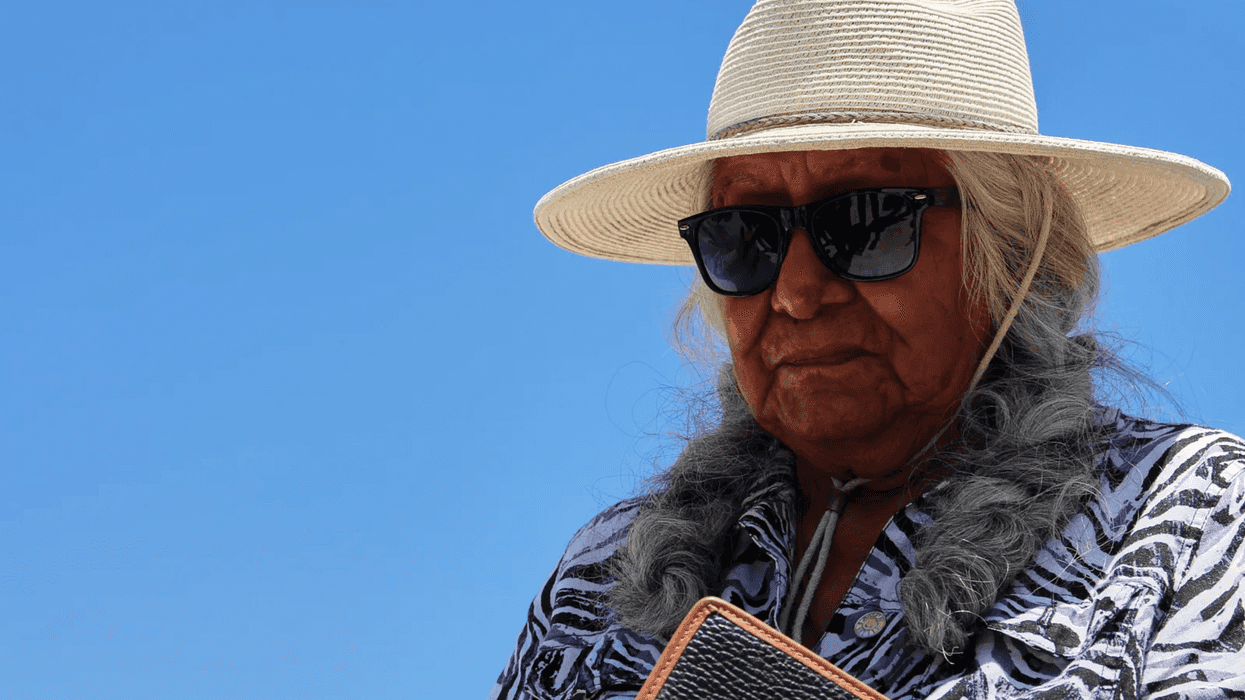
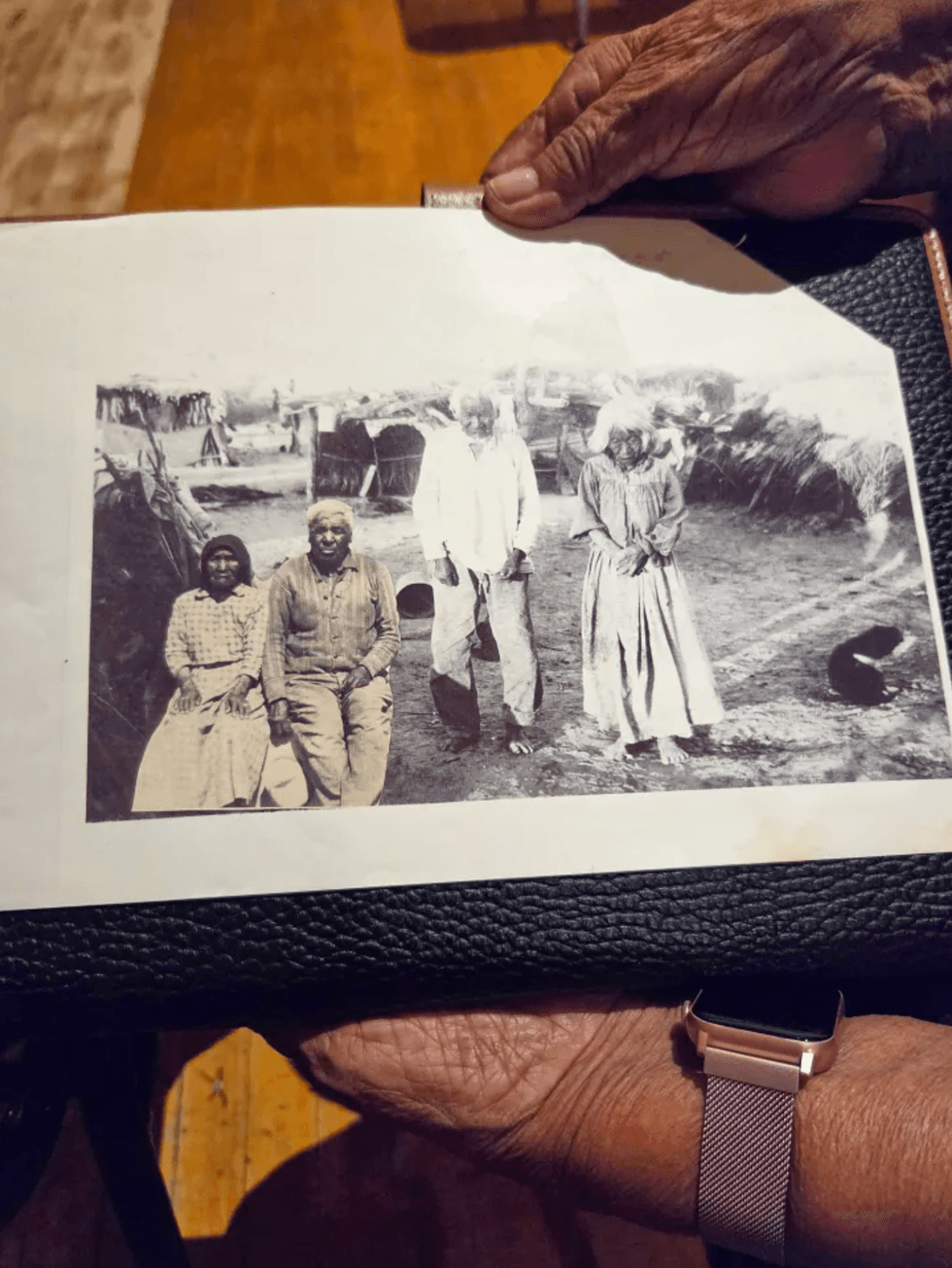 Lorraine Marquez Eiler’s photo of her great-great grandparents and her great-grandparents, who would walk about 50 miles through the Sonoran Desert to the springs.
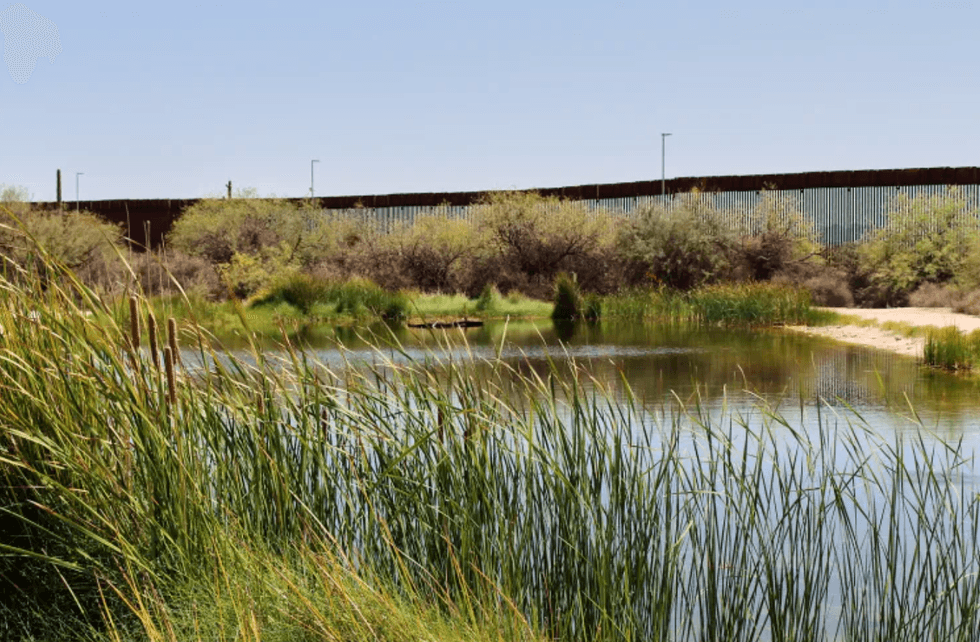 The Quitobaquito pond sits near the U.S.-Mexico border just west of the Lukeville port of entry on Monday, Aug. 24, 2026. The Trump administration is attempting to build a second border fence 150-feet from the existing border, which O’odham tribal members and environmentalists say would damage Quitobaquito, a sacred site to the O’odham and other indigenous people. Credit: Stephanie Casanova
 Construction equipment is seen near the U.S.-Mexico border just west of the Lukeville port of entry on Monday, Aug. 24, 2026. Credit: Stephanie Casanova
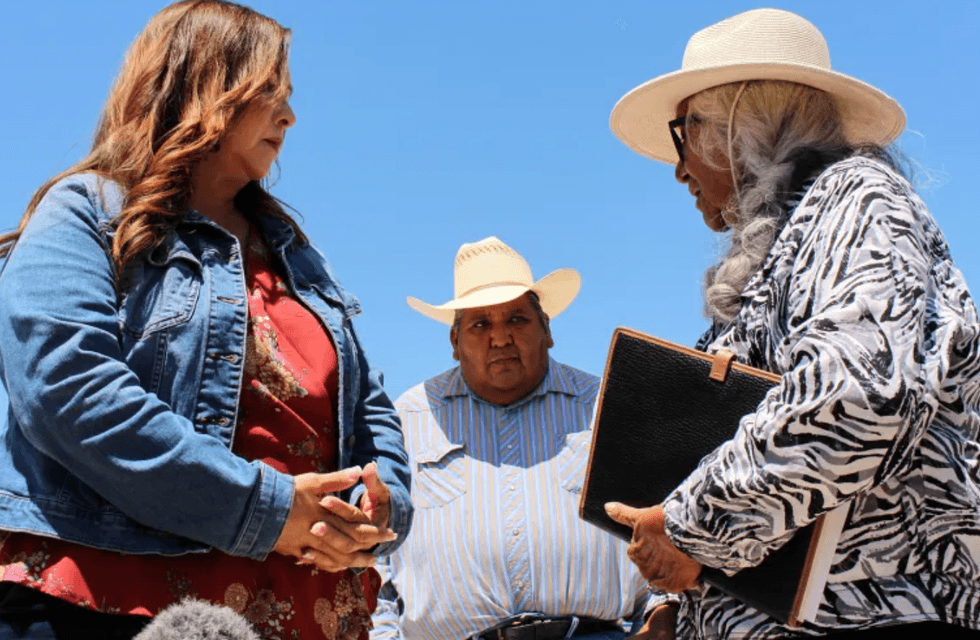 Rep. Adelita Grijalva, left, and Tohono O’odham Chairman Verlon Jose listen as Lorraine Marquez Eiler, a Hia-C’ed O’odham elder, shares how her ancestors would hold ceremonies at Quitobaquito Springs. Grijalva visited the springs with tribal leaders on Monday, Aug. 24, 2026. Credit: Stephanie Casanova
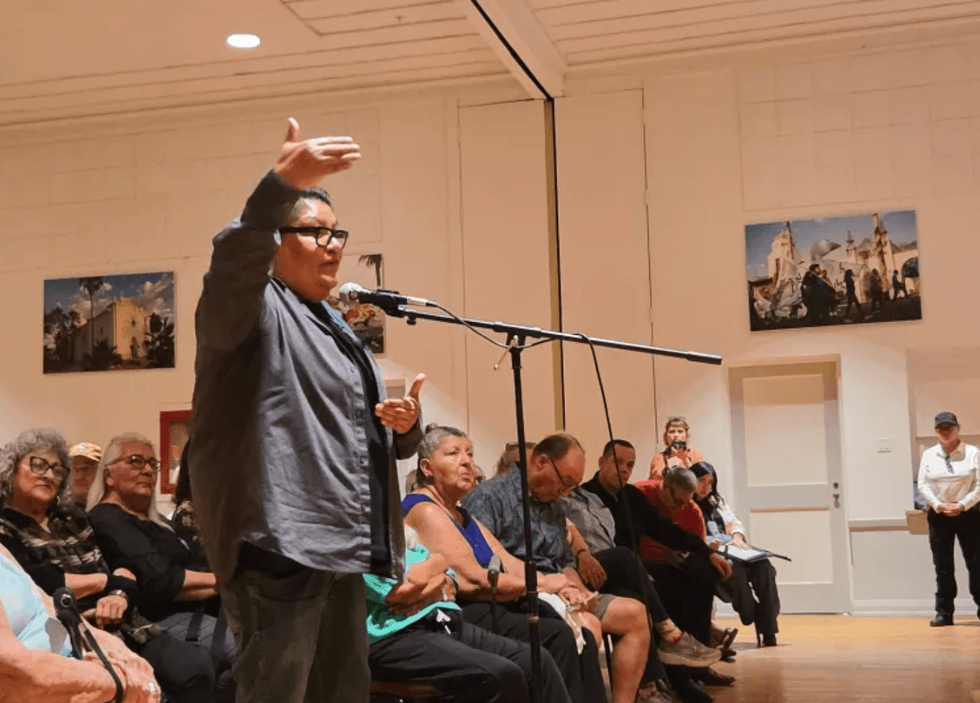 Sara Mae Williams, Justice of the Peace in Ajo and a Tohono O’odham citizen, shares their concerns regarding border wall construction on Tohono O’odham land at a town hall at the Ajo Plaza Rec Hall on Monday, Aug. 24, 2026. Credit: Stephanie Casanova