
Delaware’s rapid demographic and economic shifts have placed affordability and equitable development at the center of public debate. As housing costs rise and immigrant communities grow—particularly in Sussex and Kent Counties—local organizations are stepping in where traditional systems fall short. Supported by the Delaware Community Foundation (DCF), groups like La Esperanza and NeighborGood Partners are demonstrating how community-led strategies can strengthen economic mobility, stabilize neighborhoods, and expand opportunity for families who have long been excluded from mainstream pathways to prosperity.
"We have a fund called the Arsht-Cannon Fund, which has for 15 years been funding Latino serving organizations in the state of Delaware and really putting on the map that these are our neighbors," said Stuart Comstock-Gay, President and CEO of DCF. These are people who are creating businesses, and going to our schools and really creating communities that are great. And that fund and the people who lead that fund are constantly looking for which are the organizations that are serving people while listening to the community and how can we help them be stronger."
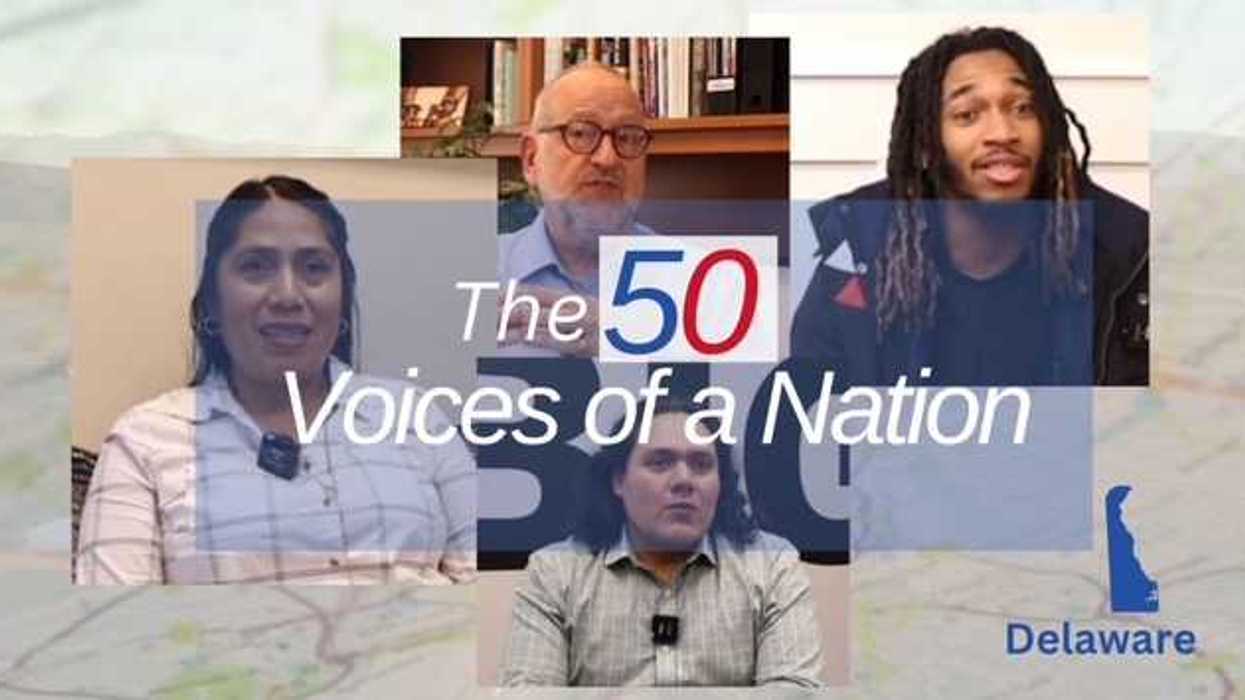
The Fulcrum spoke to Comstock-Gray and other members of his team for an episode of The 50: Delaware.
- YouTube youtu.be
Sussex County has experienced one of the fastest-growing immigrant populations in the region. Since its founding in 1996, La Esperanza has evolved into a multiservice nonprofit dedicated to helping Latino and immigrant families achieve stability, integration, and success through bilingual, bicultural support services. Their work reflects a broader truth: economic development is not only about infrastructure and investment—it’s about people having the tools, rights, and stability to participate fully in their communities.
"That entrepreneurial spirit really grew in the Latino community out of both necessity, but also because this is a community that has always been resilient and has always found ways to continue to thrive and move forward. I think more than anything that’s a testament to just how resourceful and resilient the community is," said Bryant Garcia, Executive Director of La Esperanza.
In Kent and Sussex Counties, NeighborGood Partners (formerly NCALL) has spent nearly 50 years tackling affordability from multiple angles—housing counseling, financial education, lending, and community development. Their mission to strengthen communities through housing, lending, and education has shaped a comprehensive model that addresses affordability not just as a housing issue, but as a driver of economic opportunity. Their work spans affordable housing development, foreclosure prevention, financial coaching, community development financing, and resident-driven revitalization efforts such as Restoring Central Dover.
Will Grimes, Executive Director of NeighborGood Partners, emphasized that the strength of local economies comes from within the neighborhoods themselves. "The entrepreneurs are within the community. Inevitably, they have a vested interest in their community. So many of our entrepreneurs are reinvesting into the community... it just builds a better community. They're investing in their community and building up their community, he said.
The Delaware Community Foundation’s support for both organizations reflects a strategic approach to economic development—one that prioritizes local leadership, culturally competent services, long-term community capacity, and systems-level change through grassroots empowerment. DCF’s investments help ensure that organizations like La Esperanza and NeighborGood Partners can scale their impact, innovate, and respond to emerging needs—from immigration legal services to small-business development.
"The Arsht family felt as a family of immigrants themselves that they wanted to support newcomers in the state of Delaware. And when they were creating their fund and establishing what its purpose would be, they saw that they wanted to support the newcomer and Hispanic Latino community of Delaware. And so I think that really the philanthropy is driving what we think is important," said Dr. Jennifer Fuqua, Director of Community Partnerships and Hispanic Initiatives at DCF.
La Esperanza’s bilingual staff helps families navigate complex systems—legal, educational, financial—ensuring that immigrant communities are not left behind. By helping families secure legal status, access education, and build economic stability, La Esperanza strengthens the workforce and contributes to the region’s long-term economic resilience. Their vision of an inclusive and thriving community where hope is fulfilled resonates deeply in a region undergoing rapid demographic change.
"It is helping me to learn and do things the right way," said Oralia Morales Gonzales about La Esperanza's Opciones College and Career program. "I know that in order to reach goals, one never stops learning something new, something better," she said in Spanish. Gonzales is working to earn a GED (General Educational Development), the high school equivalency credential for adults who did not complete a traditional high school education. She aspires to be a psychologist.
NeighborGood Partners approaches affordability as a community-wide ecosystem. Their homeownership counseling, financial education, real estate development, self-help housing programs, and CDFI lending all work together to create pathways to stability and wealth-building. Their Launcher program, supporting small-business entrepreneurs in Dover, shows how economic development can be rooted in local talent and community voice.
As an instructor in NeighborGood Partners’ Launcher program, Janaid Kareem sees firsthand how access—or the lack of it—shapes an entrepreneur’s future. He stresses that opportunity isn’t evenly distributed, and that his classroom is designed to close those gaps. "I'm adamant about the resources because a lot of times... throughout my 34 years, I've realized that there's a lot of things that I have access to because I'm able to navigate through certain rooms. But everybody doesn't have access to that. So I take pride in my classroom. I take pride to bring those people into the classroom. You're hearing it from the horse's mouth. We can help you with this. We can help you with that. We can help you with this," said Kareem, who is a Barbershop owner in Dover.
The stories emerging from these communities in "The First State" reflect a broader national conversation about who benefits from economic development, what affordability means in communities undergoing rapid change, and how local organizations can build trust where institutions have historically failed. Delaware’s answer—through the work of La Esperanza, NeighborGood Partners, and DCF—is that sustainable economic development must be rooted in equity, cultural competence, and community voice.
Together, these organizations demonstrate that affordable housing is economic development, immigrant integration is workforce development, financial education is community development, and local leadership is democracy in action. Their work offers a blueprint for other states grappling with affordability crises and shifting demographics.
Hugo Balta is the executive editor of The Fulcrum and the publisher of the Latino News Network, and twice president of the National Association of Hispanic Journalists.
The 50 is a four-year multimedia initiative led by The Fulcrum, traveling to communities in every state to uncover what motivated Americans to vote in the 2024 presidential election. Through in-depth storytelling, the project examines how the Donald Trump administration is responding to those hopes and concerns—and highlights civic-focused organizations that inform, educate, and empower the public to take action.










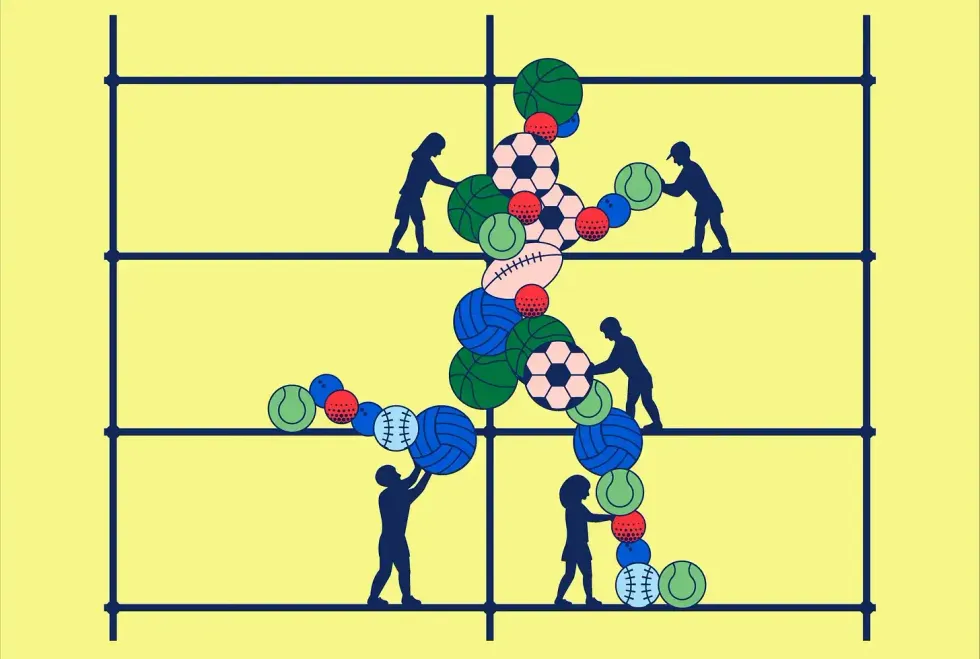 Following our HWF Civic Futures kickoff last week with Eric Liu, our design partners at Public/Official have created a unique visual to capture the “civic scaffolding” spirit of this conversation.
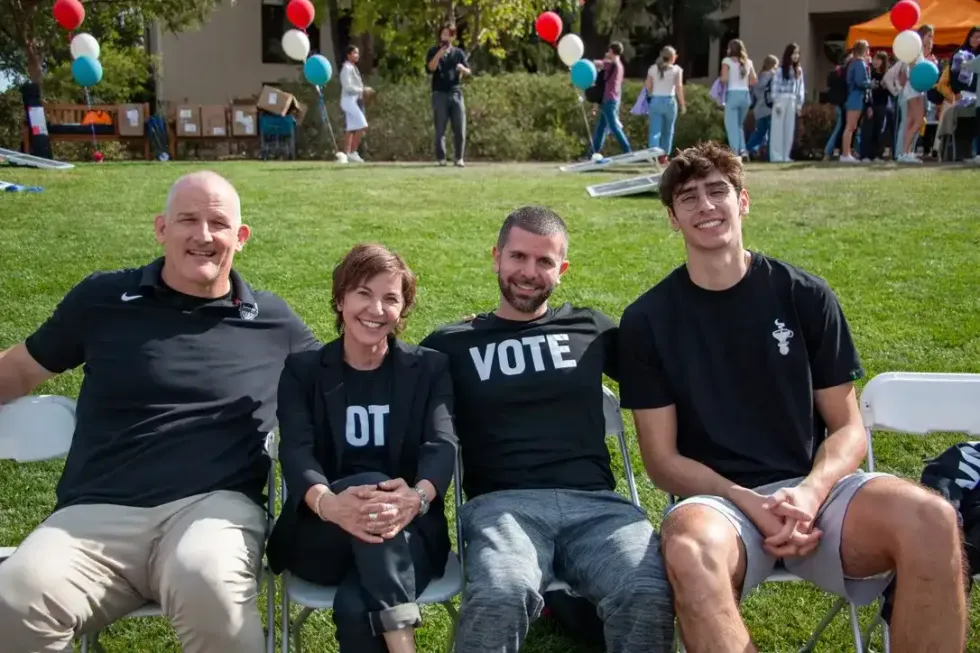 Lisa, Coaches Rev and Matt Elkin, and former Stanford Men’s Basketball star Maxime Raynaud at Stanford’s “All Vote No Play” Democracy Day, 2025