
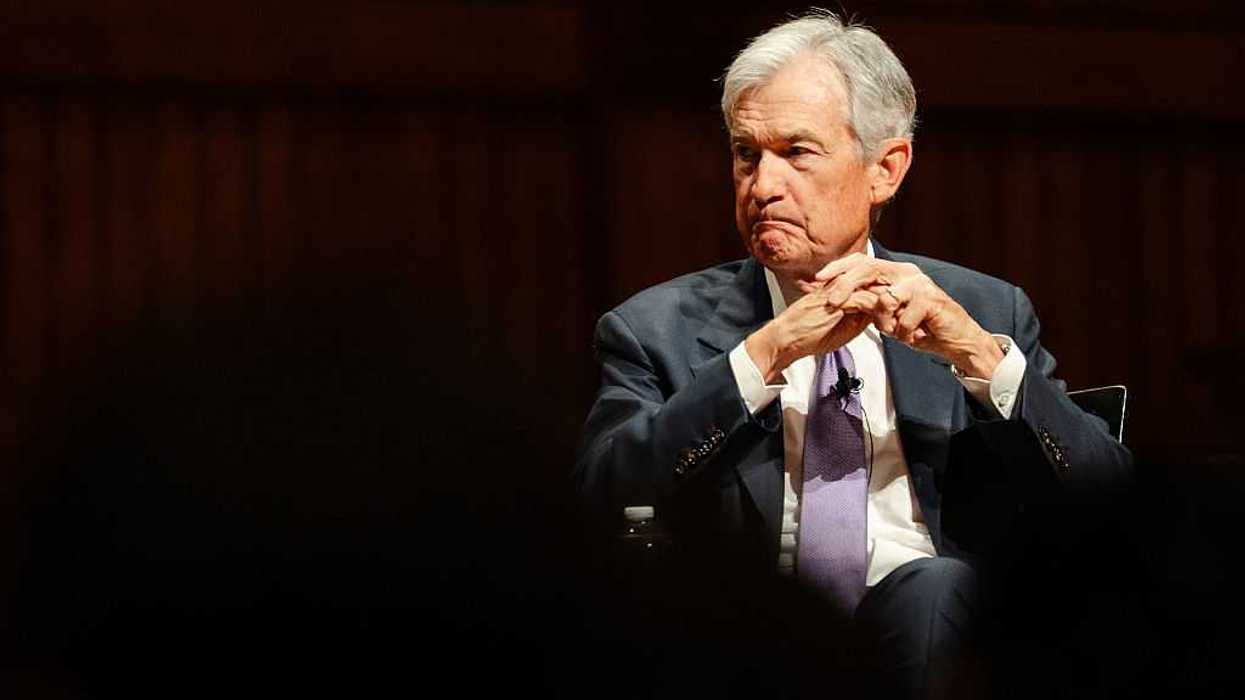
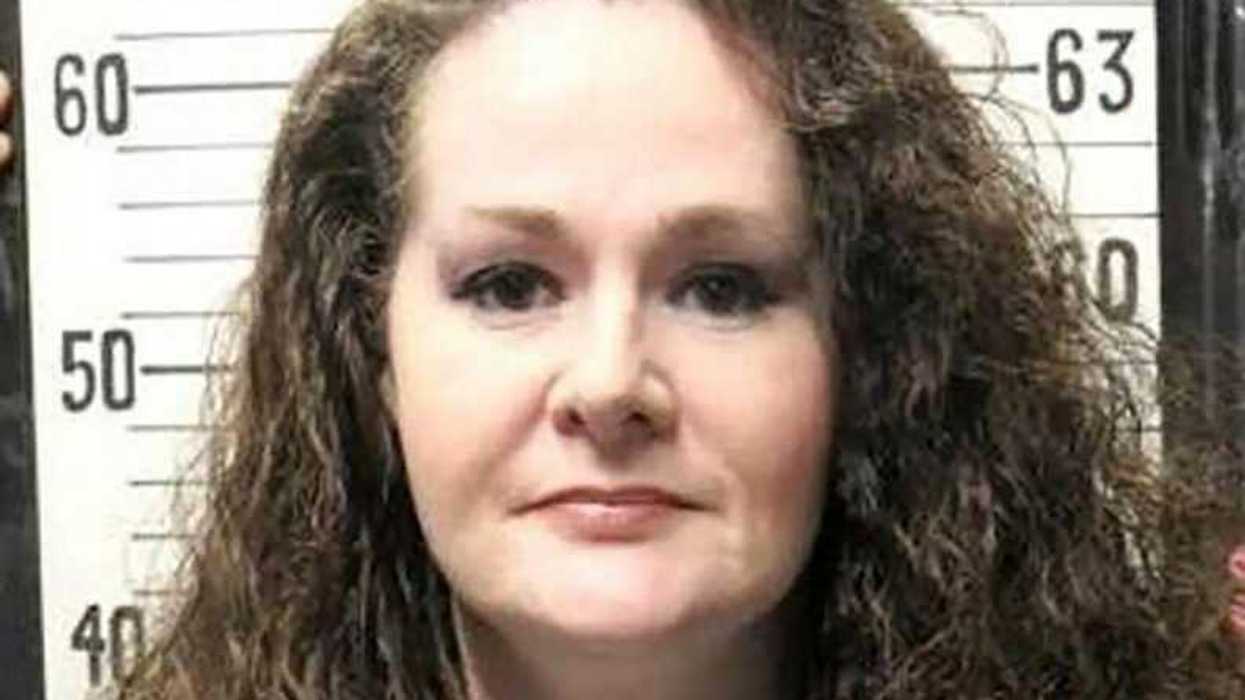
On April 27, Jeanine Pirro, the U.S. attorney for the District of Columbia, announced that she was closing the criminal investigation of Federal Reserve Chair Jerome Powell. Initially a surprise—due to President Trump’s well-known desire to discredit Powell and put him behind bars—the concession led to the successful confirmation of Kevin M. Warsh as the new Fed Chair on May 22.
Key Senators, including North Carolina’s Thom Tillis, had said they would not be willing to confirm the president’s choice, Kevin M. Warsh, to succeed Powell until Pirro’s prosecution of him was dropped.
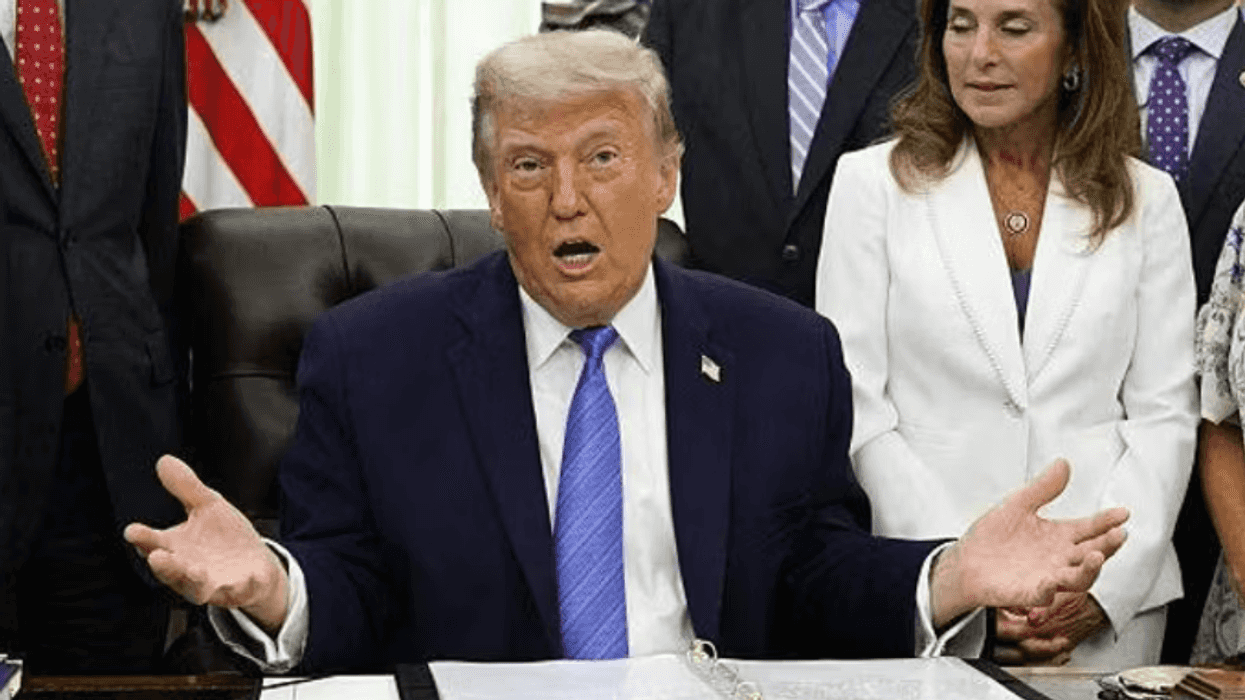
Trump has accused Powell of lying to Congress about the cost of the ongoing renovation of the Federal Reserve Building, which Powell oversees. That allegation was the focus of Pirro’s inquiry.
Only two days before the April 27 announcement, Pirro said she was determined to keep going after Powell. She was undeterred by Federal District Judge James Boasberg’s March 11 decision quashing subpoenas her office had sent to the Fed.
Boasberg pulled no punches, pointing out that there was no legal basis for prosecuting Powell. "There is abundant evidence,” he said, “that the subpoenas' dominant (if not sole) purpose is to harass and pressure Powell either to yield to the President or to resign and make way for a Fed Chair who will.” “On the other side of the scale,” he continued, “the Government has offered no evidence whatsoever that Powell committed any crime other than displeasing the President."
To drive home that point, the judge started his opinion by recounting Trump’s tirades about Powell. “'Jerome ‘Too Late’ Powell has done it again!!! He is TOO LATE, and actually, TOO ANGRY, TOO STUPID, & TOO POLITICAL, to have the job of Fed Chair. He is costing our Country TRILLIONS OF DOLLARS . . . . Put another way, ‘Too Late’ is a TOTAL LOSER, and our Country is paying the price' Donald J. Trump (@realDonaldTrump), Truth Soc. (July 31, 2025, at 7:11 AM), https://perma.cc/PX9L-RPSD."
“That,” Boasberg noted, “is one of at least 100 statements that the President or his deputies have made attacking the Chair of the Federal Reserve and pressuring him to lower interest rates.”
But, don’t be fooled, neither Pirro nor the Trump Administration has suddenly seen the light. In fact, on May 3, Pirro told an interviewer that she would be appealing Boasberg’s decision and that she might reopen the investigation.
It is clear that she halted the investigation, just as she started it, for purely political reasons, further damaging faith in prosecutorial integrity and the administration’s commitment to the rule of law. We are left with the bad taste of a political vendetta, suspended for the wrong reason.
For democracy to be vibrant, opponents of those in power cannot be afraid to say what they think, lest they be prosecuted on trumped-up charges. Neither can they rest easy when those charges suddenly go away because it is politically expedient for that to happen.
As the New York Times reports, in Powell’s case, “The move reflected the reality that Mr. Trump, who has spent years trying to get rid of Mr. Powell and browbeating him to lower interest rates, would not be able to get his choice for the job installed while the inquiry continued.”
Having secured Tillis’ vote in the Senate Banking Committee, where it would have been decisive, after Pirro said she was ending what Tillis had labeled a "bogus investigation into Chairman Powell that threatens the independence of the Fed,” it is not surprising she would issue a new threat.
Chairman Powell should be on notice. The President doesn’t readily give up on his grudges.
In fact, what Powell said last January remains true today: “This unprecedented action,” he observed, “should be seen in the broader context of the administration's threats and ongoing pressure. The threat of criminal charges is a consequence of the Federal Reserve setting interest rates based on our best assessment of what will serve the public, rather than following the preferences of the President.”
“This is about,” Powell added, “whether the Fed will be able to continue to set interest rates based on evidence and economic conditions—or whether instead monetary policy will be directed by political pressure or intimidation.”
The open-ended possibility of prosecution is a way to exert pressure and intimidate someone. That is why, from the president’s point of view, even if charges against his enemies don’t hold up in court, they are still valuable even if they damage democracy.
Reading Pirro’s warning that she would not hesitate to restart the investigation of Powell brought to mind the saga of Eric Adams, former Mayor of New York City. In September 2024, the Biden Justice Department indicted him on bribery charges.
At that time, Damian Williams, then United States Attorney, accused Adams of “abus(ing) his position as this City’s highest elected official….By allegedly taking improper and illegal benefits from foreign nationals…Adams put the interests of his benefactors, including a foreign official, above those of his constituents."
Enter the Trump Administration.
Only a few months after returning to power, the Justice Department moved to dismiss the Adams indictment, without prejudice. That meant that if the Mayor did not cooperate with the administration’s unfolding crackdown on illegal immigration, the department could refile the charges.
That comes perilously close to extortion. As Judge Dale Ho put it when he ruled on the motion to dismiss, “Everything here smacks of a bargain: Dismissal of the indictment in exchange for immigration policy concessions.”
Judge Ho got it right when he said, “DOJ seeks to abandon its prosecution of Mayor Adams at this time, while reserving the right to reinitiate the case in the future. DOJ does not seek to end this case once and for all. Rather, its request, if granted, would leave Mayor Adams under the specter of reindictment at essentially any time, and for essentially any reason.”
“The Court declines,” he stated, “to endorse that outcome. Instead, it dismisses this case with prejudice—meaning that the Government may not bring the charges in the Indictment against Mayor Adams in the future.”
Ho reminded us that the way a prosecution ends may be as consequential for the health of a democracy as the way it begins. He wrote, “In light of DOJ's rationales, dismissing the case without prejudice would create the unavoidable perception that the Mayor's freedom depends on his ability to carry out the immigration enforcement priorities of the administration, and that he might be more beholden to the demands of the federal government than to the wishes of his own constituents.”
Since the Adams fiasco, the Trump Administration has made it standard operating procedure to try to make people beholden to the federal government's demands. That has been very clear from the way it has dealt with Chairman Powell.
There is no doubt that Pirro is a loyal foot soldier in the Trump Administration. There should also be no doubt that halting a prosecution to help achieve a political goal should be as intolerable in a democracy as it is to start one for that reason.
Austin Sarat is the William Nelson Cromwell professor of jurisprudence and political science at Amherst College.








The President Invited Iran to Bomb My Home