





If he leaves, Donald Trump will not leave the Oval Office until January 2029. Seems like a long way off.
But whether it feels near or far, it is time for pro-democracy forces to begin thinking about the work needed to rebuild, revitalize, and improve the infrastructure and architecture of American Democracy. That should not be done as one part of a policy agenda, but as THE priority for a post-MAGA world.
Restoring and/or building a vibrant constitutional democracy will require that singular focus. The damage the Trump Administration has done and will do to the democratic fabric of American life is incalculable.
Addressing it can’t be a side gig. It will take a singular focus for a post-MAGA president to lead a “transition to democracy” in the United States and learn from the experiences of nations that have traveled that path before us.
But if you poke around on the internet, you’ll find several comprehensive projects that place the work of rebuilding democracy side-by-side with an ambitious policy agenda, many of which claim the mantle: Project 2029.
One of them holds itself out to be “a grassroots, citizen-led effort to reclaim our democracy. We are not affiliated with or supported by any political party or political action group (PAC).” But it says very little about how to rebuild democratic institutions and practices.
It offers a vision of government that does many things, like “prioritize(ing) people over profit, embracing policies informed by science, expertise, and empathy. It actively engages citizens as empowered participants in shaping their communities, rather than passive consumers of decisions made behind closed doors.”
This version of Project 2029 says it is “Inspired by principles that balance human well-being with ecological health, this governmental approach proactively addresses economic inequality and discrimination of all forms, placing human rights and flourishing at the forefront. It ensures inclusive democracy through robust protections of voting rights, transparent elections, and active representation of diverse communities in decision-making processes.”
Its “Day One Agenda” promises “policy proposals that maximize existing statutes and legal frameworks to achieve maximum immediate impact within current legal and constitutional parameters.” I’m not sure what that means and what will be left of “existing statutes and legal frameworks” post-Trump.
Another Project 2029 goes under the slogan, “Big Ideas for America’s future.” It is being led by Chad Maisel, who worked as a special assistant to President Biden on the White House Domestic Policy Council.
Maisel argues that “the lesson from Project 2025 is just the importance of preparation." He hopes to "have a bookshelf full of really bold, transformational ideas" ready to be deployed if and when a Democrat again occupies the Oval Office.
This version of Project 2029 defines its mission as “identify(ing) the most promising ideas and thinkers from across the country and build(ing) a coherent governing framework for real change and progress – focusing relentlessly on solving the problems that people face, shaping an agenda for the future, and providing a blueprint for action beginning on Day One.”
Its list of policy proposals so far includes a “crackdown on the annoyance economy” and putting “Kids over Clicks.” And one of its guiding principles is that “Government needs to work for everyday Americans – and it just plain needs to work by delivering real progress.”
That all sounds right and would, if it could be done, help sustain democratic government in the long term. But rebuilding, renovating, and reviving democracy can’t wait for the long term.
A post-MAGA president will have to make decisions fairly quickly on a range of appointments, institutional arrangements, and issues.
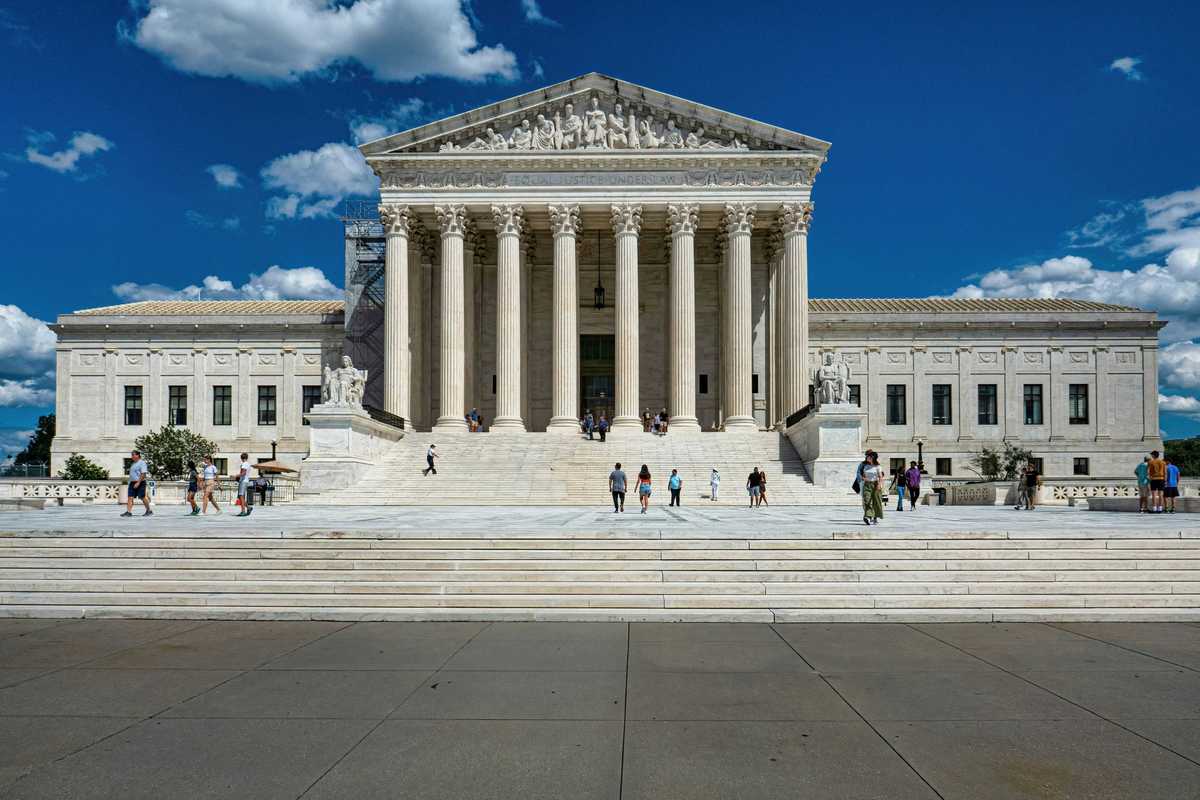
They will have to decide if they want to harness the enormous power accumulated by President Trump and blessed by the Supreme Court’s embrace of the so-called “unitary executive theory.”
“Democrats consider Trump’s actions an affront to democracy and the Constitution,” an article on NOTUS explains, “but many of them don’t want to rule out exerting those same powers to undo Trump’s agenda.” It quotes Rep. Alexandria Ocasio-Cortez: “’In order for us to correct the abuses that are happening now, we have to act the same in similar capacities that Trump has given himself….I don’t think that we serve anybody, and I especially don’t think we put things on the right course by setting a precedent that one party can have greater power when they are in the majority.”
As Arizona Senator Mark Kelly puts it, “(W)hen leaders of countries start to get more power and more influence, as it comes time for election time they start to get worried. ‘Is the next guy going to turn these new powers against me? ’ So, we need whoever winds up in the White House next time to hit the reset button.”
Reset to what? And promising to “hit the reset” button is hardly a rallying cry for a pro-democracy movement or a formula for a pro-democracy governance strategy.
And even if it were, reset is not the way to go.
Let me offer a few examples of the kinds of decisions a post-MAGA president will have to make. First, they will have to decide how to use the vast new power to fire officials in administration agencies recently recognized/created by the Supreme Court. They will have to use that power to rid the federal government of MAGA operatives.
It won’t be pretty, but it is necessary. Only then can they use expertise in ways that are vital to a well-functioning democracy
Second, the next post-MAGA president will have to decide very quickly what to do with the Department of Justice. Should they appoint a political ally as Attorney General and charge them with carrying out a pro-democracy agenda in areas like civil rights, voting rights, and anti-corruption? Should they ask the department to investigate and prosecute any members of the Trump Administration who have violated the law, anyone the president does not pre-emptively pardon before he leaves office?
My answer is yes to both.
Here, I think there is no going back to a hands-off relationship between the president and the attorney general. And, as we have learned from the transitions to democracy undertaken in numerous other countries, you can’t really revitalize democracy without holding those who were its enemies to account.
Third, in the post-MAGA world, it will be critical to ensure, as the Open Society Foundation argues, that “the security sector comes under democratic civilian control…” so individuals can participate in civic and political life without fear.
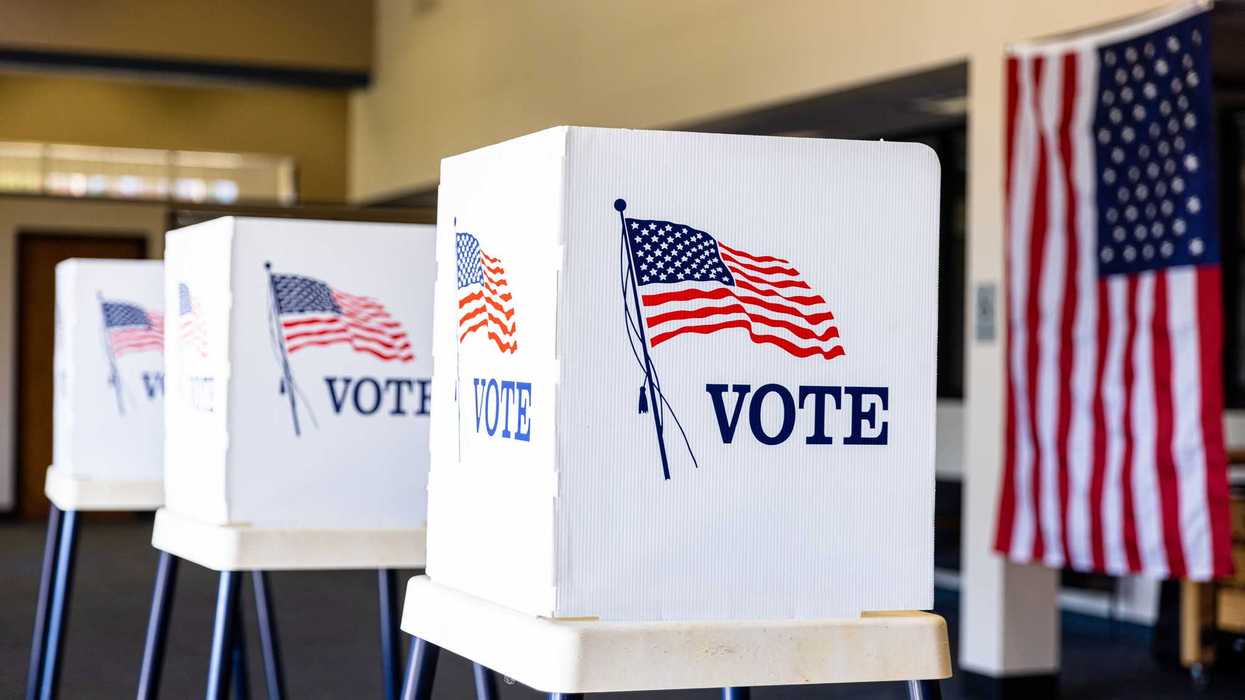
Fourth, a post-MAGA president will have to restore the election infrastructure that the Trump Administration has done so much to discredit and dismantle. But that won’t be enough. Our coming transition to democracy can only work if we improve the electoral process through things like ranked-choice voting.
And, finally, the world after Trump will need to have a national debate about “what elements of the previous order enabled the misuse of power” and what constitutional changes will be necessary.
Any worthwhile Project 2029 should put items like those I’ve just enumerated at the top of its agenda.
At the end of the day, the Brennan Center gets it right when it says: “A return to stable democracy requires sustained effort to revitalize democratic institutions to address the underlying weaknesses that made them vulnerable to begin with. While it may be tempting for leaders to simply revert to the status quo that existed before a country started to backslide, trying to do so may actually prolong a country’s period of instability.”
Austin Sarat is the William Nelson Cromwell professor of jurisprudence and political science at Amherst College.










The President Invited Iran to Bomb My Home