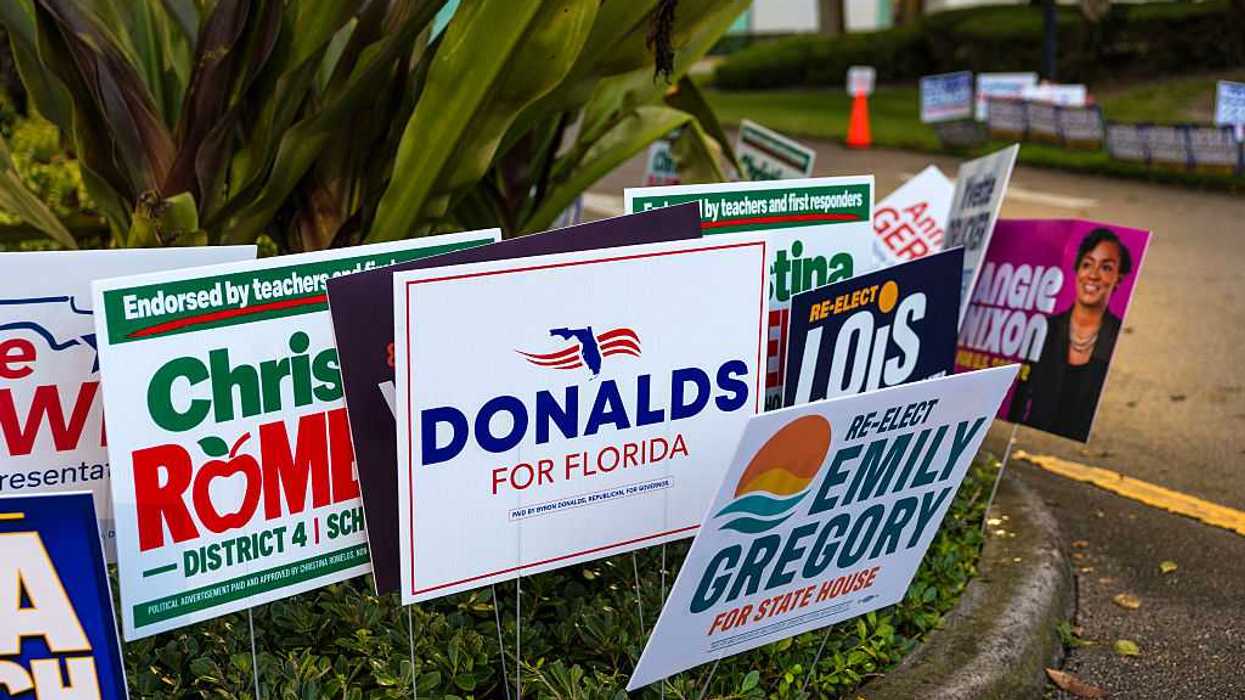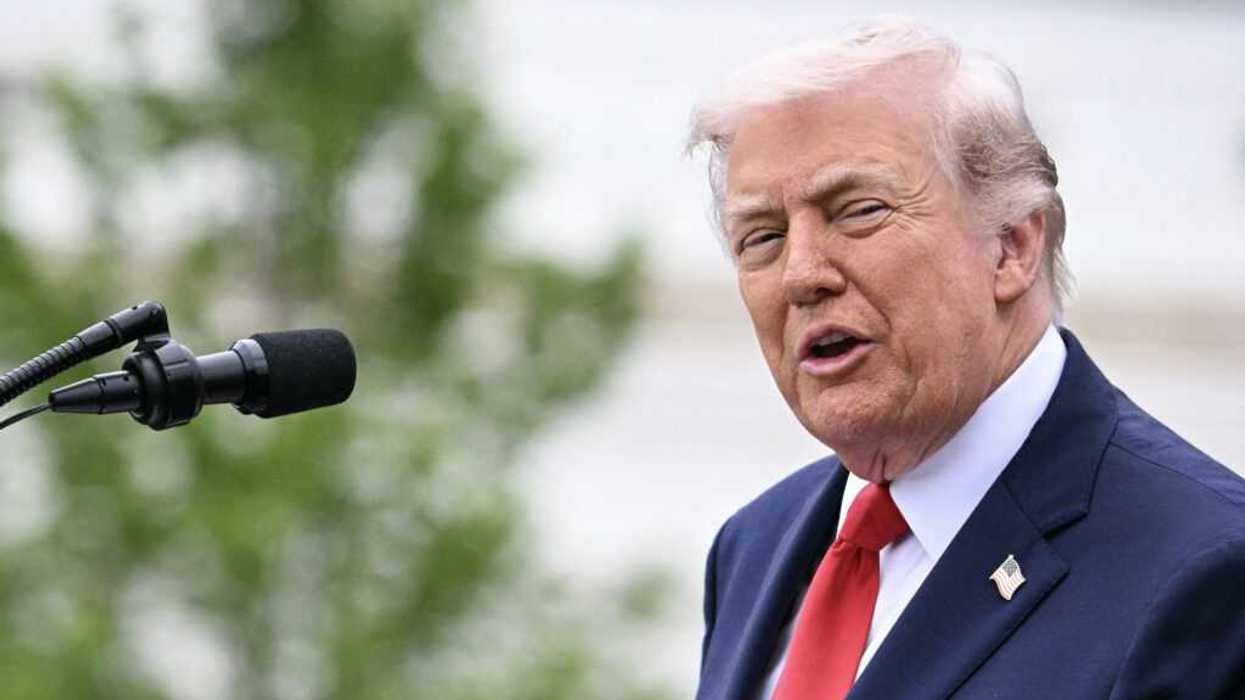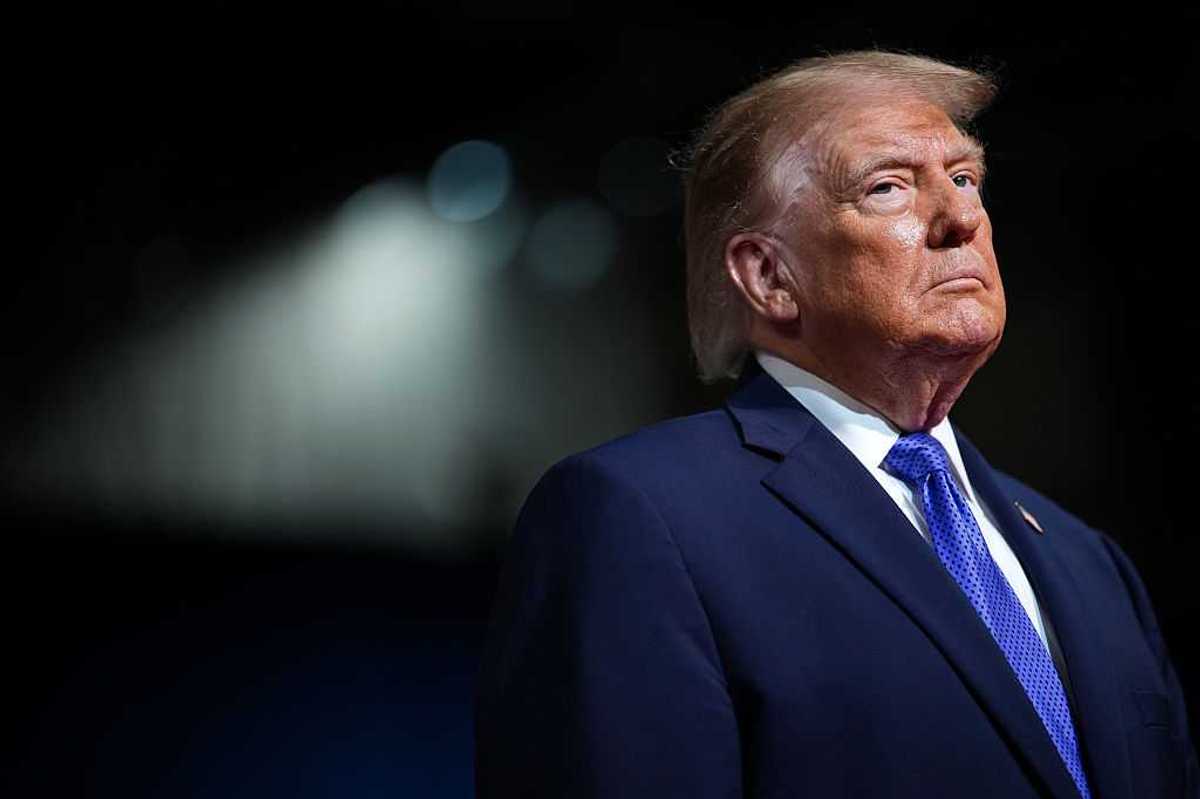
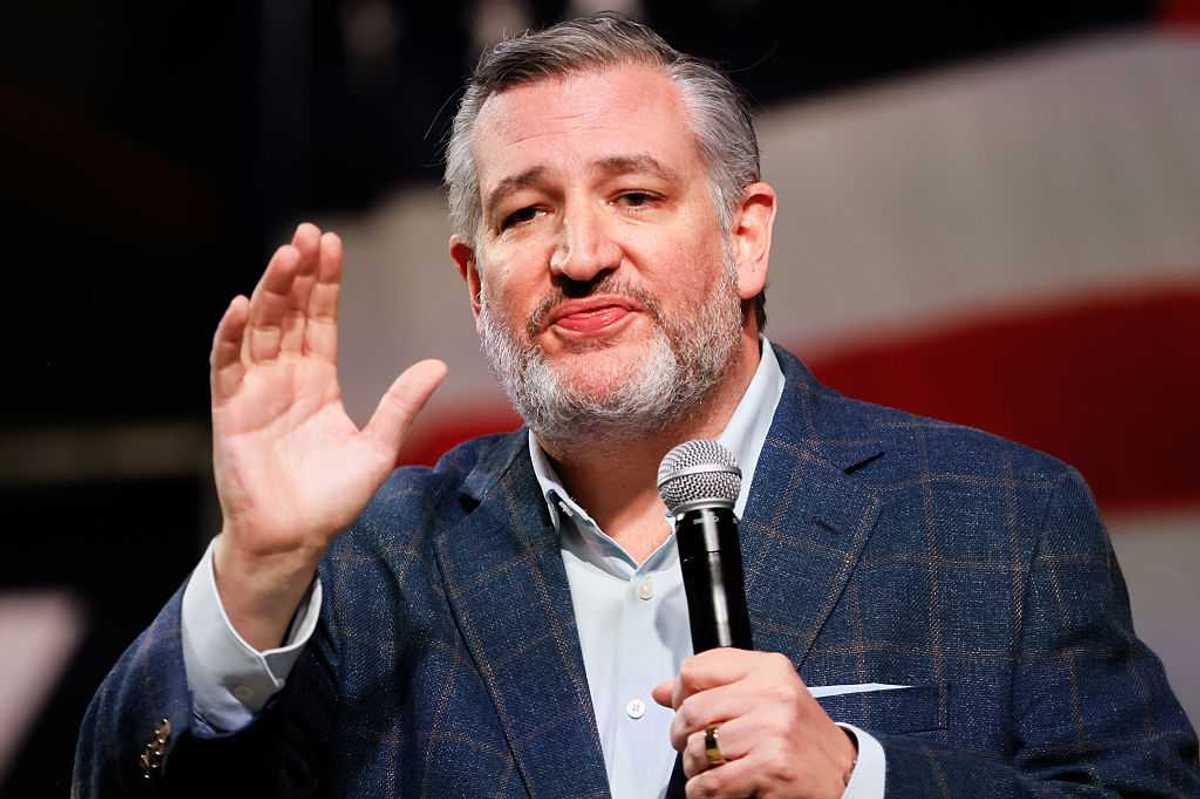
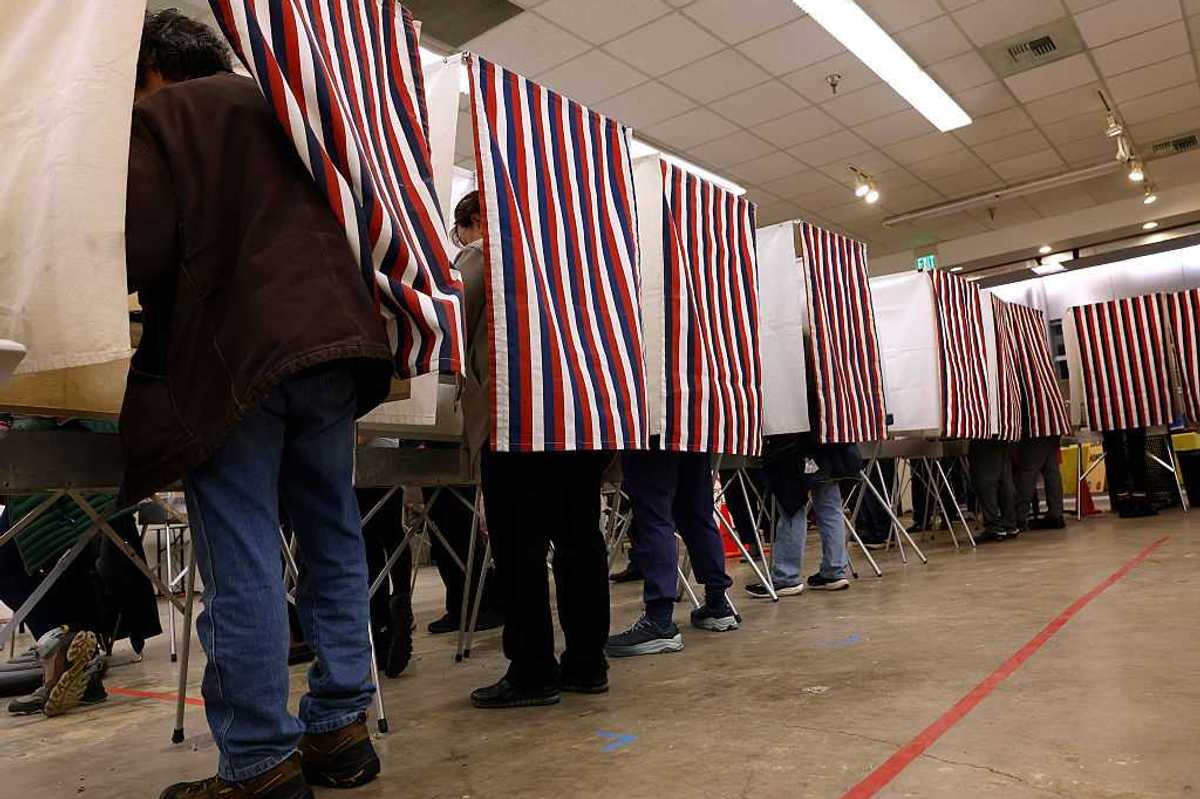
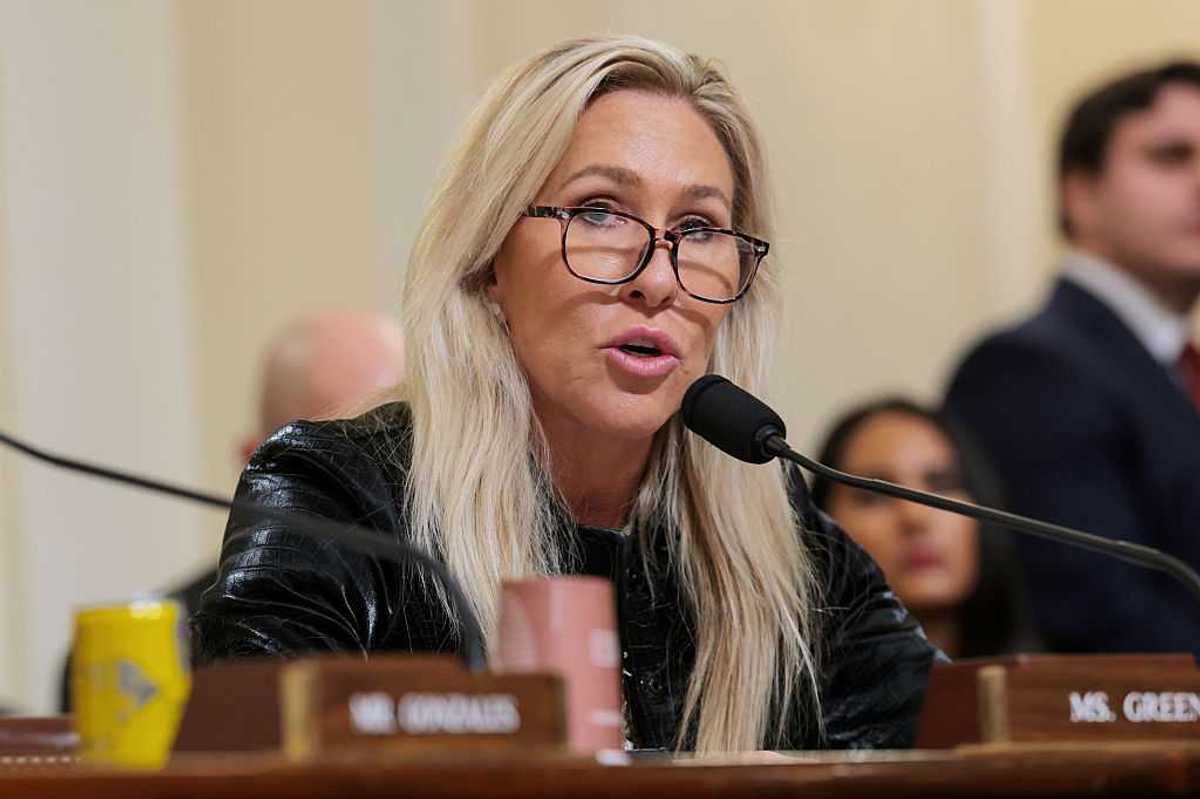


The elections of a few weeks ago were historic. And in the days ahead, we'll hear no shortage of analysis about what the results mean for President Trump, how Democrats can turn this momentum into a presidential victory in 2028, or how Republicans or J.D. Vance might regain their footing. These are not the questions I'm most interested in.
As I wrote to our state lawmakers in the Future Caucus group chat on November 4: we don't win elections simply for the sake of winning. We win elections so we can govern.
So what I'm watching now is whether the leaders elected two weeks ago, and the political forces that brought them into office, can translate electoral victories into meaningful progress for the American people—and what support they’ll need to do that well. A few takeaways that I’m sitting with:
- Winning an election and building a governing coalition are two very different things.
Democrats won big this cycle. But for the candidates who delivered those victories, from moderates to Democratic socialists, their biggest uniting issue was simply that they weren't Republicans. A closer look shows that they represent a remarkably diverse range of ideologies, constituencies, and approaches to politics. That diversity was certainly an electoral strength. Whether it becomes a governing strength is an open question.
The temptation will be to interpret these results through the familiar lens of which faction of the party prevailed and will shape the party's future. But voters in different communities sent different leaders to office to solve problems that matter to them. Those leaders will need to find common ground (not only within their own party, but across the aisle) to deliver on their promises. This growing need for intra-party bridge-building is one reason Future Caucus has, over the years, talked about supporting “cross-partisanship” rather than only “bipartisanship.”
The opportunity is to build a politics where coalitions are more fluid, where leaders work together on shared priorities even when they disagree on others, and where political success is measured not by ideological purity but by progress.
- Young people are sending a message that neither party should ignore.
In 2024, young voters gave Republicans a real opening, swinging right and contributing to President’s Trump win. Some interpreted their movement as evidence of a lasting generational realignment. Two years later, the picture looks dramatically different.
According to early analysis from CIRCLE at Tufts, voters under 30 favored Democrats by 36 points in the U.S. House elections. That’s a 22-point increase in the Democratic margin compared with 2024. But I wouldn't interpret this as young voters simply coming home to the Democratic Party.
This is a generation still forming its political identity, and one that has grown up amid extraordinary political dysfunction, economic insecurity, and declining confidence in institutions. The youngest first-time voters this year were just eight years old when Donald Trump was first elected president. They have little lived memory of a different political era. Among the young candidates we tracked running for Congress this cycle, Gen Z was most likely to run outside the two-party system, showing a reluctance to tie themselves to either party’s brand.
Young people’s political choices, like anyone’s, are shaped by many forces. But their willingness to reconsider political allegiances should warn both parties: Winning their votes is not the same as earning their trust. Our friend Rachel Janfanza, an independent journalist and expert in the politics of Gen Z, shared this nugget yesterday:
“Young men’s swing back left makes sense when you listen to them. Here's what a 19-year-old told me tonight: "I don't look for anything different depending on the party. Lower prices, gas. I just want a better quality of living, and I expect that from both parties."”
The next two years will matter enormously. Economic credibility—particularly on housing, jobs, and the affordability of building a life—will matter more than slogans. And the appetite for political disruption is unlikely to disappear. Voters may simply look for different leaders to deliver it. The Democrats who won need to remember that this generation should not be taken for granted.
- We're witnessing a generational renewal of political leadership—not just the electorate, and the story gets more interesting in the states.
Our research at Future Caucus found that more than a third of candidates who filed to run for Congress this cycle were Millennials or Gen Z. Of those still on the General Election ballot, about 38% won—including 3 Gen Zers, tripling their representation in the House. Four members of our State Future Caucus Network, including Dr. Jasmine Clark of GA and Manny Rutinel of CO, will be sworn into Congress in January. So far, Gen Zers and millennials hold 102 seats in Congress, including 6 senators.
And the story is even bigger at the state level!
Across the 19 states where Future Caucus is most active, our initial tracking identified 280 newly elected Gen Z and Millennial state lawmakers eligible to join their local caucus. Our whole team celebrated “Governing Day” the day after Election Day, when we combed through the results to identify these new lawmakers, and we are already moving forward with a multi-pronged outreach strategy to make sure they know Future Caucus is here to help them govern effectively.
For Democrats and Republicans alike, the political landscape they will govern has shifted dramatically. Some of the big numbers I’ve seen from state tracking websites include how power is now divided, or supermajorities have been eroded:
- 12 state legislative chambers flip from R to D
- 5 Republican trifectas broken
- 13 Republican supermajorities broken
- 3 in 4 Americans are projected to have a Democratic Governor
These changes create new opportunities, but also new demands on lawmakers. Some will govern with a majority for the first time. Others will need to figure out how to remain effective in the minority. All will face constituents who expect progress. My bet is that those who have invested in building strong relationships across the political spectrum before Election Day will be best positioned to execute their agendas in 2027.
I wrote in an op-ed a few weeks ago that a new generation of elected officials is not inherently a new kind of politics. Generational change creates an opportunity to establish different governing norms, but those norms must be built intentionally. That’s what makes this moment so consequential for Future Caucus and its members.
- The real mandate of this election is still to be fulfilled.
Americans are frustrated with a political system that too often seems more interested in accumulating power than using it to solve problems. They're worried about the cost of living, the future their children will inherit, the integrity of their institutions, and America's role in an increasingly uncertain world. They're tired of political gamesmanship and apparent corruption, while consequential problems go unresolved.
I don't think every voter who cast a ballot was asking for bipartisanship. But I do believe the election creates an opportunity to demonstrate that a different approach to governing can deliver what people are asking for. That's where Future Caucus comes in.
Our mission has never been to help one party win more elections. It is to help the next generation of lawmakers build the relationships, skills, influence, and capacity to govern effectively across differences.
In the coming months, hundreds of young lawmakers will enter statehouses across the country. The relationships they form, the habits they develop, and the examples of political leadership they encounter will shape not only their first terms in office, but potentially decades of public service.
Some of these lawmakers will one day become committee chairs, legislative leaders, members of Congress, and governors (fun fact: Alaska is poised to have a Future Caucus governor in Jonathan Kreiss Tompkins!). They will help define the political culture of the next generation at a moment in history when Americans are loudly calling for something different.
The question is whether we will leave them to inherit the same incentives, divisions, and dysfunction that have shaped our politics for decades, or invest in the infrastructure that makes a different kind of leadership possible. Now we have a rare opportunity to build the relationships, institutions, and expectations that make collaboration and effective leadership the norm, not the exception.
November 3 changed the political map. What we do next can help change the political culture.
Layla Zaidane is president and CEO of Future Caucus, the nation's largest nonpartisan, nonprofit organization for Gen Z and millennial lawmakers. Future Caucus has supported more than 2,000 state and federal legislators since 2013.