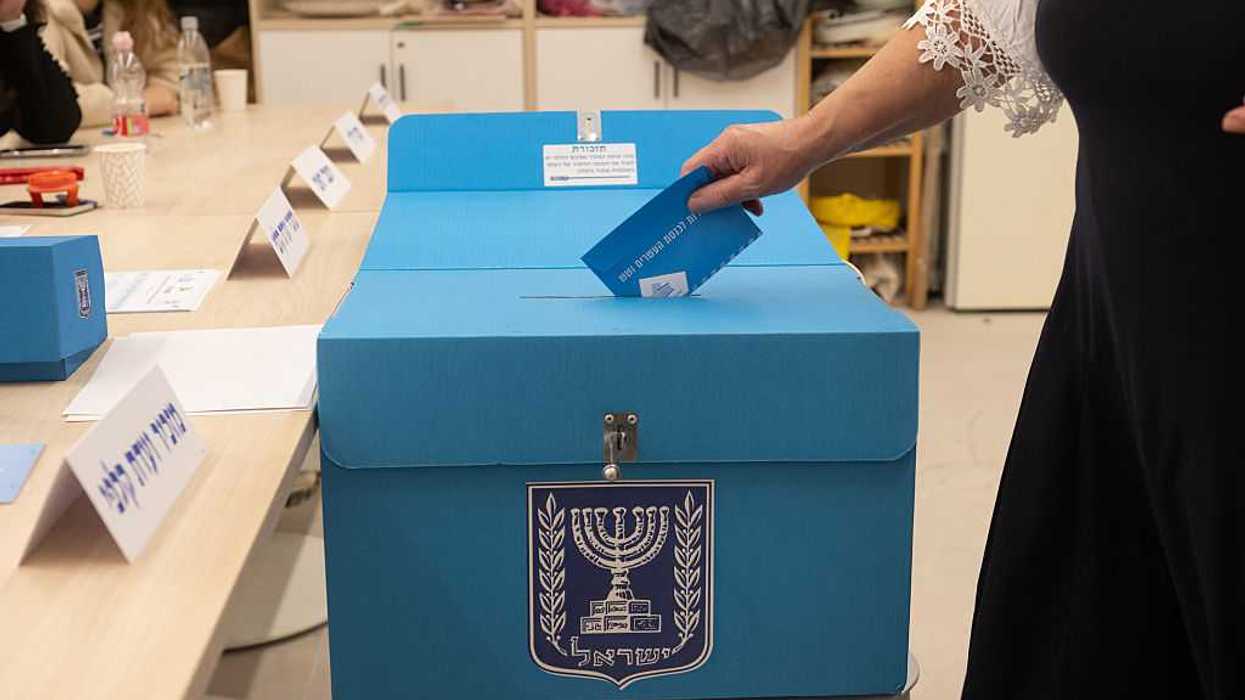

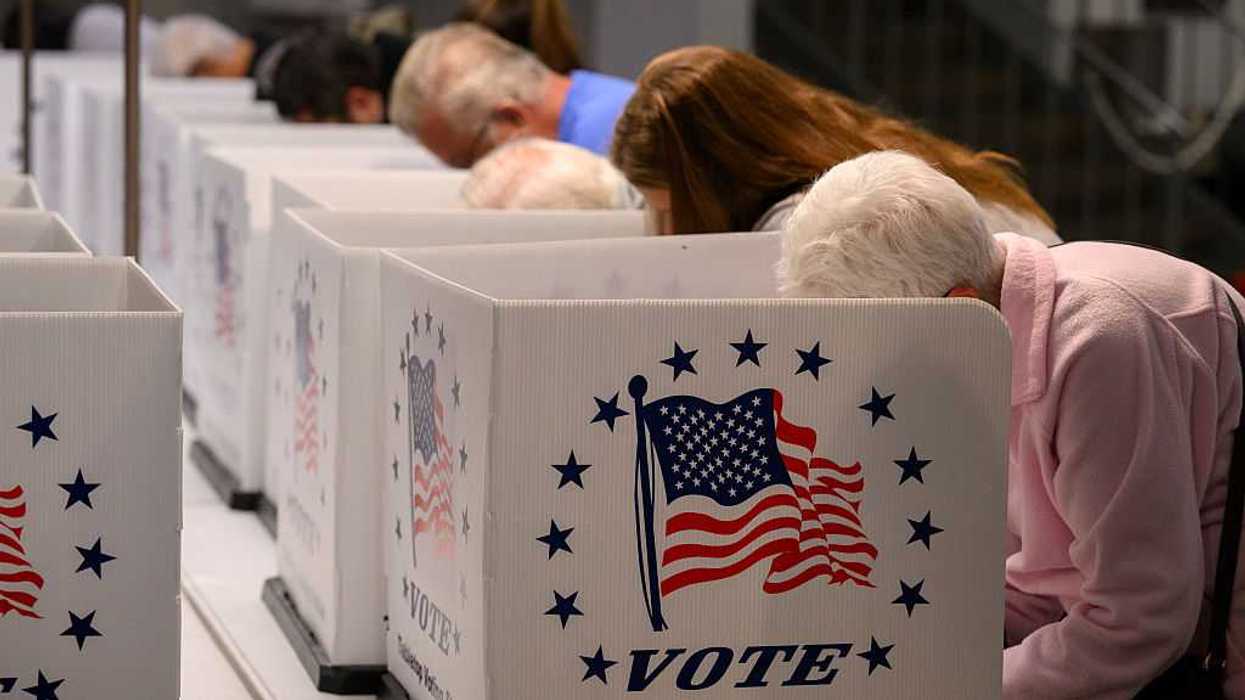

Turnout and free exercise of the vote, including in many super-gerrymandered districts, was decisive on November 3, despite various attempts at suppression. Fear and hate mongering, floods of disinformation, avalanches of political cash, and coercive deployment of federal agencies in the runup to November 3 did not stop Americans from speaking loudly for change.
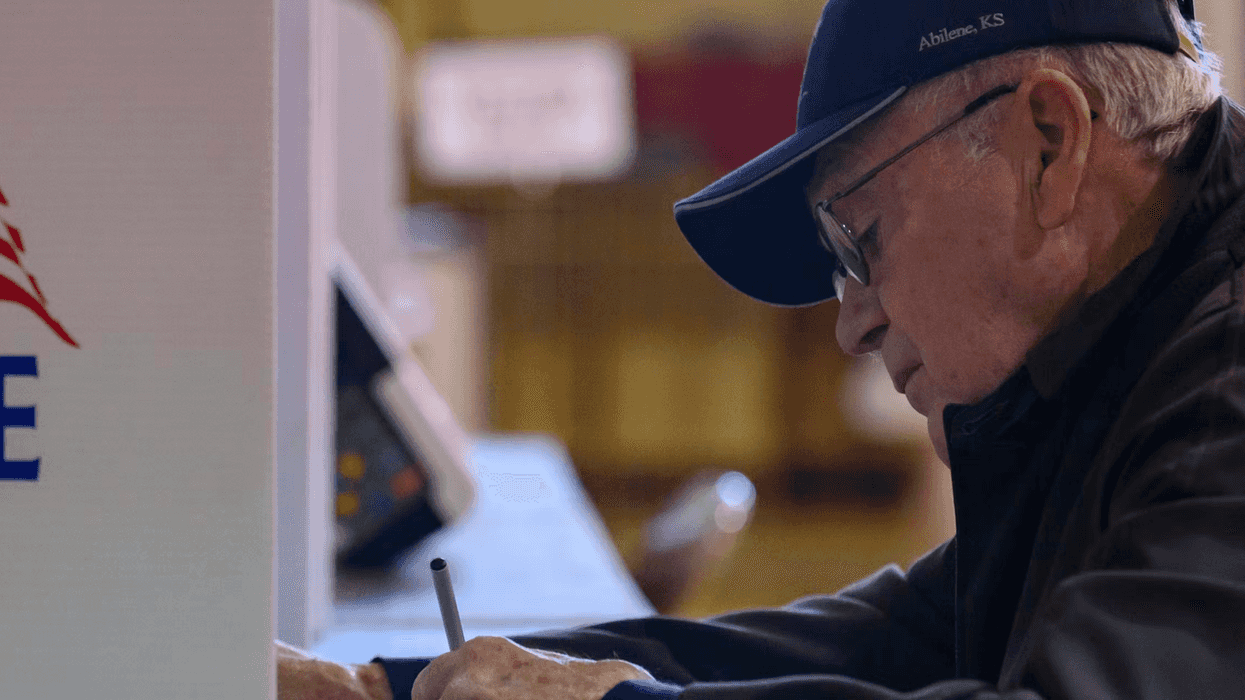
That expression was safeguarded by officials in the multitude of US election jurisdictions and by over 600,000 poll workers and ballot counters. Civic groups, electoral candidates, and political organizations assisted registration and voting with hotlines, door-to-door engagement, and pollwatching. In many places citizen groups organized protection efforts outside the polls to encourage voters and impede interference.
The elections were also guaranteed by rapid, decisive court decisions against unconstitutional federal interference. That was the result of cases brought by states attorneys general and lawyers representing individual voters, unions, civil rights and other citizen groups. And, many sources spoke across numerous platforms to reassure voters that their votes would count.
In short, the architecture of American democracy withstood substantial attempts to dismantle it.
That’s not to say that the battle with authoritarianism is nearly over or that the system does not need reinforcing and reform. So-called election deniers - who in reality are election subverters - will likely double down where they can. Plus, the ideologues of MAGA-ism still control the executive branch and will quickly turn to planning even as recriminations echo through their ranks. Steven Miller’s ascent to White House Chief of Staff proved the point.
Nonetheless, American democracy won the midterms every bit as much as did Democratic candidates. And, diligence is needed to deliver positive change across the policy spectrum, including buttressing trustworthy elections.
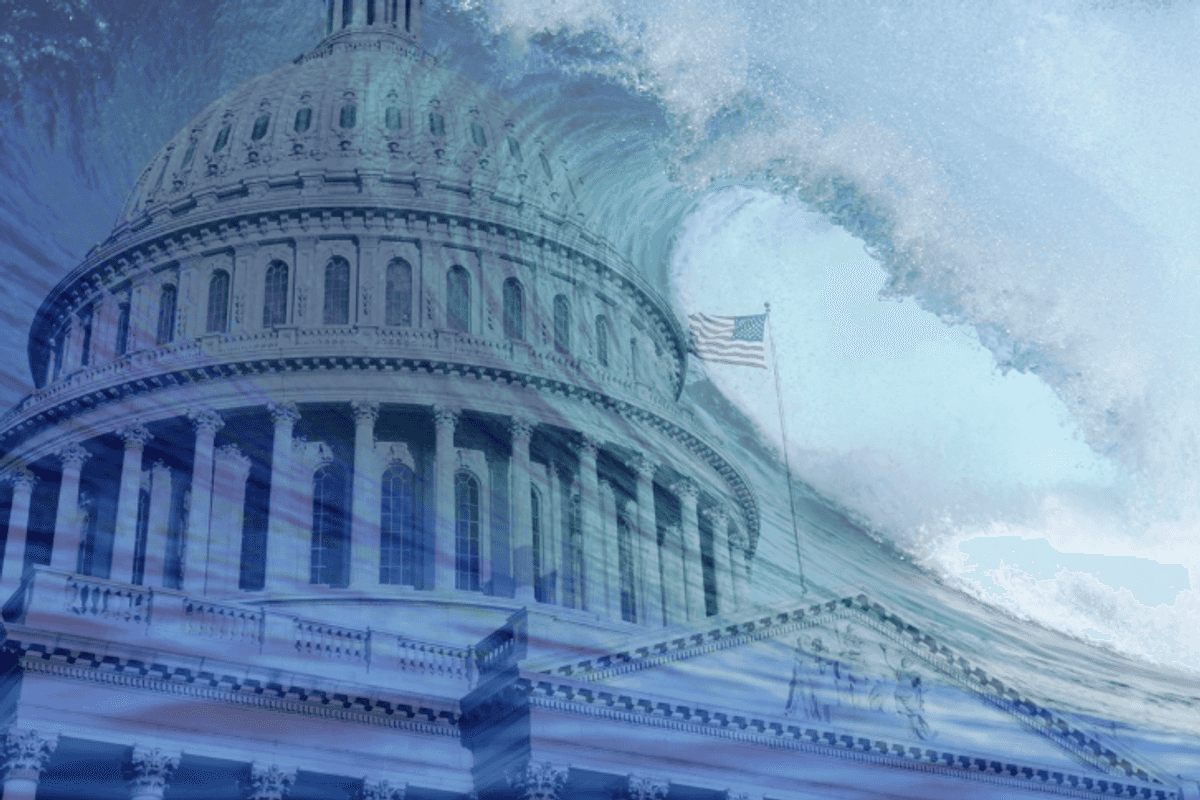
The “Blue Tsunami” encompassed major voting shifts by practically every democratic group. It swept across the country and struck up and down the ballot. Price rises for groceries, gas and diesel fuel - driven by consequences of an illegal war in Iran and irrational tariffs - combined with broader economic complaints. But, exit polls showed that voters also rejected MAGA immigration brutality, which was illustrated in deeply personal ways by hundreds of people placing their “I Voted” stickers on the makeshift memorials for victims of ICE murders in Minnesota, Texas, and Maine.
The state of democracy was also a significant concern noted in exit polls, and voters demonstrated that through referendum results concerning voter rights on a number of issues. The historic firsts among Senators, Governors, and other elections of African American, Native American, Muslim, and LGBTQ+ candidates - including razor thin Senate races in Alaska and Mississippi - and the number of victories for women candidates, illustrate that the majority of voters stood up against racist, antisemitic, Islamophobic, and misogynistic attacks.
This is a moment to celebrate the workings of democracy and rededicate ourselves to making democracy work for everyone.
That was the resounding message sent by midterm voters. With decisive majorities in both houses of the US Congress, a majority of State governorships, the increased number of states where both governors and legislatures were freed from MAGA control, there is a crucial opportunity to demonstrate that the mandated change can be accomplished. That change can be realized only if citizens demand it.
We must demand accountability of those who promise economic affordability and accountability for the brutality, corruption, and gross power grabbing that we’ve been experiencing in our country. In other words, we should exhale a bit, party a little, and rise to meet the responsibilities of citizenship.
Pat Merloe provides strategic advice to groups focused on democracy and trustworthy elections in the U.S. and internationally. He has engaged with those promoting credible elections in more than 60 countries over four plus decades.