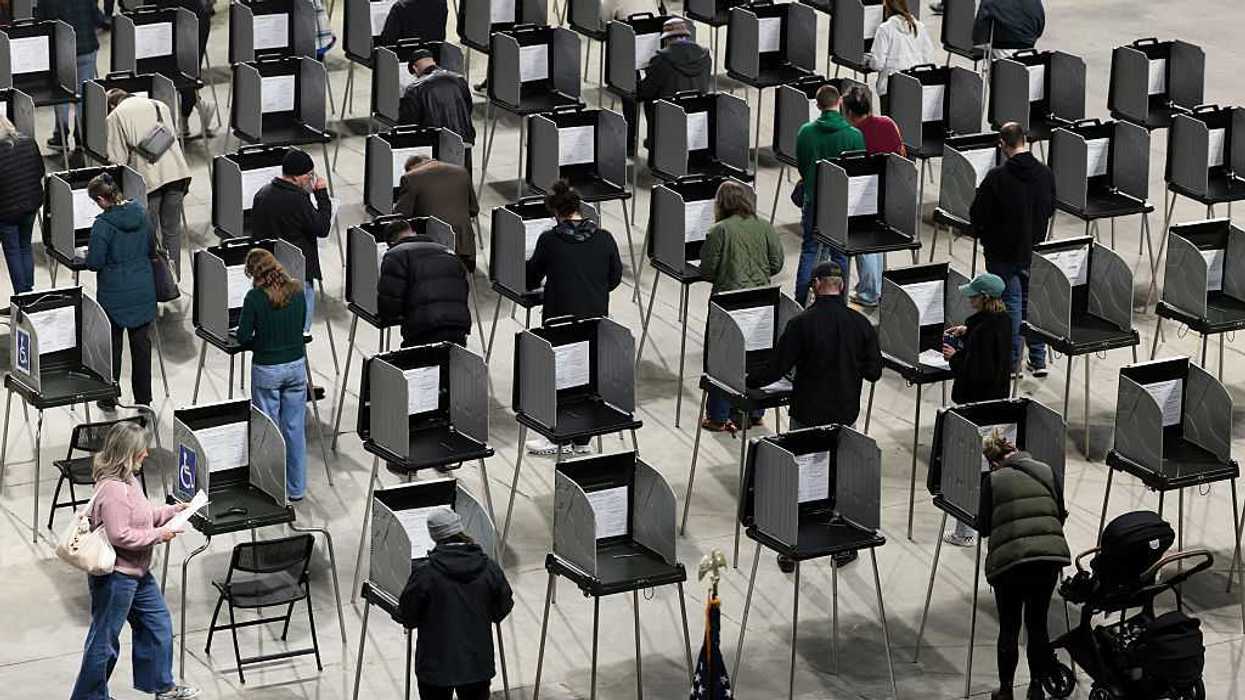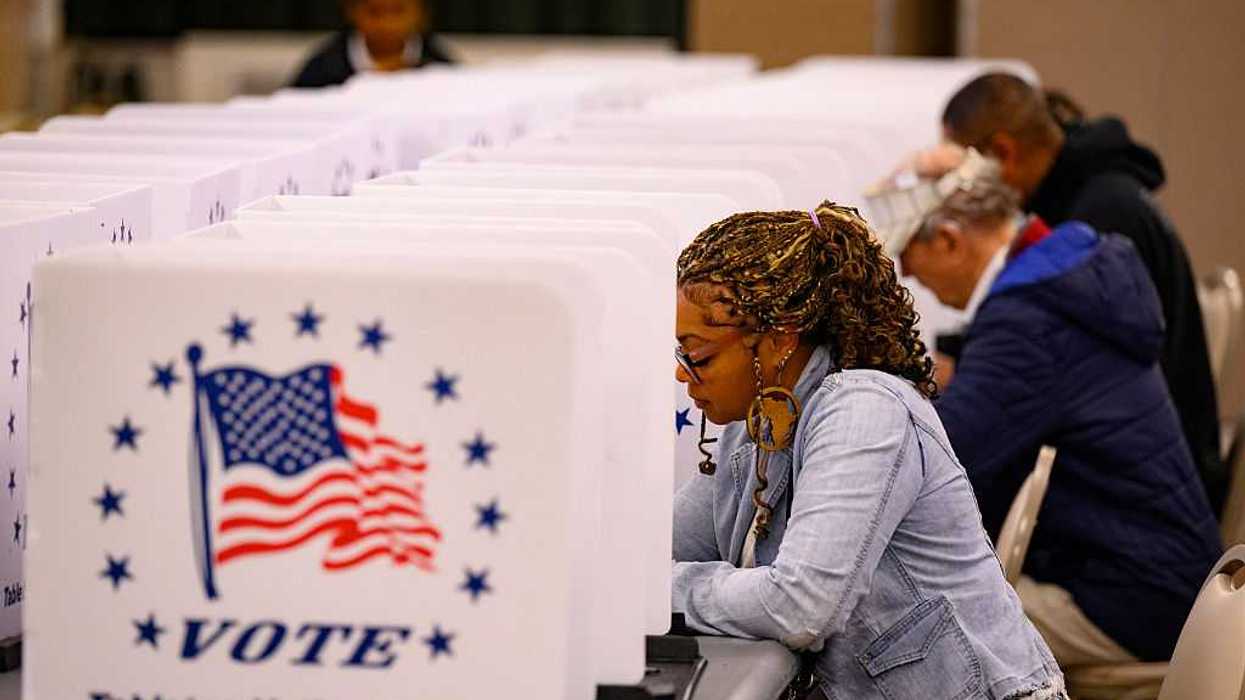
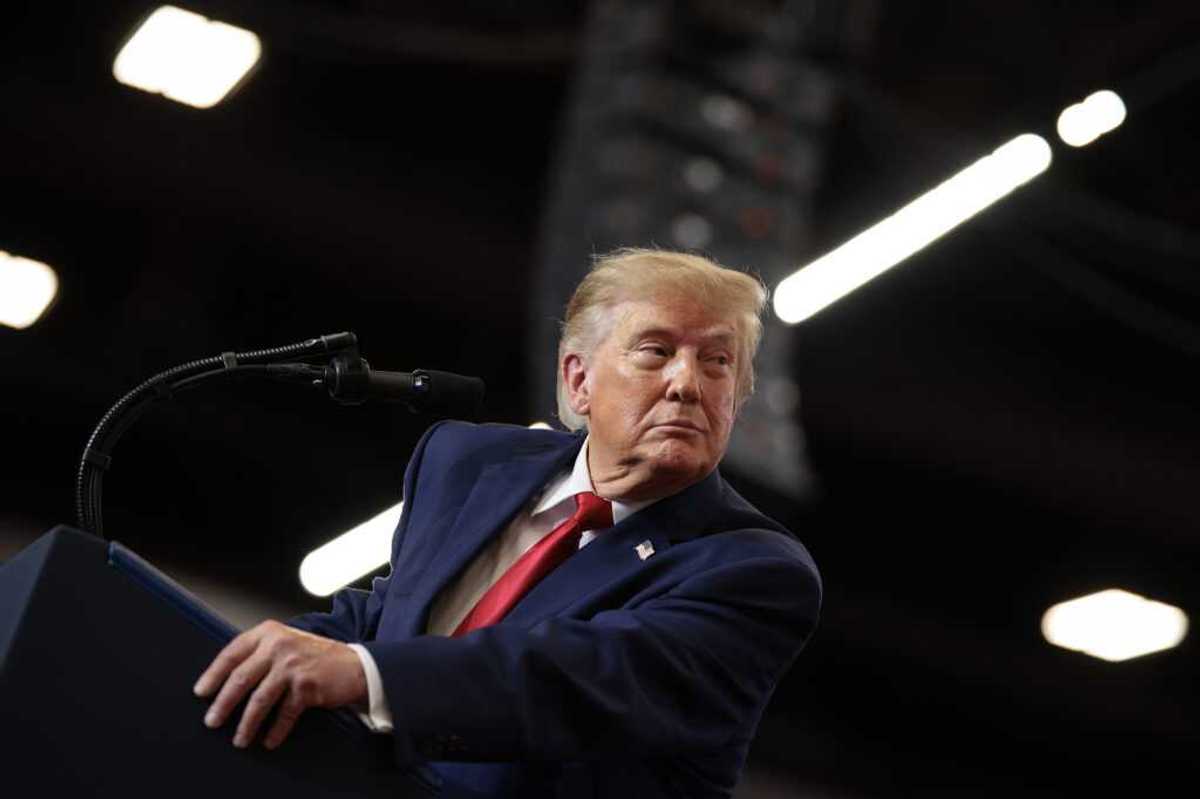


The noise surrounding the demise of Diversity, Equity, and Inclusion (DEI) has been loud, persistent, and, as it turns out, entirely out of touch with the American voter. For the past few years, a coordinated political backlash attempted to turn DEI into a toxic catchphrase and a scapegoat for societal anxieties. Central to this campaign were Donald Trump and his administration, who consistently weaponized the term to fuel cultural anxieties and rally their political base. But during the 2026 midterm elections, the American electorate delivered a definitive, history-making counter-narrative. DEI wasn't rejected; voters voted it back into the highest seats of state power, soundly rejecting that divisive rhetoric.
Look no further than the extraordinary shift in our nation’s gubernatorial landscape. In a historic wave, voters across 17 states elected female governors, shattering the previous record of 14 and ensuring that starting in 2027, one-third of the nation’s state executives will be women. This isn't just a win for gender representation; it is a profound realignment of who gets to lead and a validation of the core tenet of diversity: that leadership should reflect the demographics of the people it serves.
What makes this milestone truly transformative are the profound historic firsts that accompanied it. In Georgia, Democrat Keisha Lance Bottoms won a historic victory, becoming the first Black woman elected governor in U.S. history. In New Mexico, former Interior Secretary Deb Haaland shattered another barrier as the first Native American woman elected to lead a U.S. state. And closer to the heartbeat of the Latino community, Texas elected Democrat Gina Hinojosa, making her the first Latina governor in the history of the Lone Star State. Alongside state-level breakthroughs like Amy Acton in Ohio and Marsha Blackburn in Tennessee, these women didn't just win elections—they expanded the boundary of what is possible in American governance.
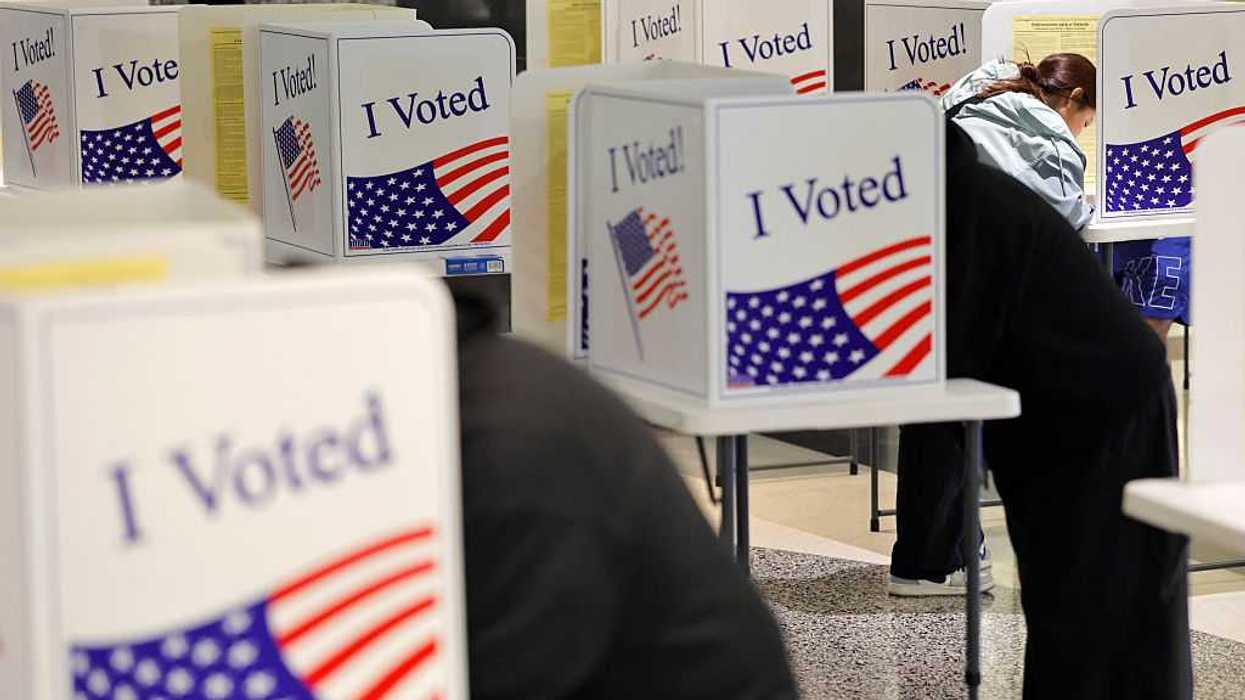
For years, critics have cynically framed DEI initiatives as artificial, forced, or contrary to merit, claiming that emphasizing diversity meant compromising on capability. The Trump administration made this attack a cornerstone of its domestic messaging, aiming to systematically dismantle equity initiatives. The midterms exposed that rhetoric as entirely hollow. These newly elected leaders did not win their historic victories through corporate policy; they won through the purest democratic mechanism we have: the ballot box. Voters in traditionally red, blue, and battleground states looked at these highly qualified candidates, recognized their capability and lived experiences, and chose them over the status quo.
When the electorate intentionally elevates a record number of women—Democrats and Republicans alike—alongside Black women, Latinas, and Indigenous leaders to state chief executive, it consciously embraces inclusive representation. The voters sent a clear signal that they value leaders who bring diverse perspectives to the complex challenges of governing—from reproductive freedom and childcare to economic equity.
This democratic wave proves that while some political factions may try to retreat from inclusion, the people are moving forward. By electing a leadership bench deeper and more diverse than ever before, the American electorate did something truly remarkable. They looked past the weaponization, rejected the scapegoating of DEI from the highest levels of federal power, and quietly, powerfully voted it back into office.
Hugo Balta is the executive editor of The Fulcrum and the publisher of the Latino News Network, and twice president of the National Association of Hispanic Journalists.