

In 2026, well before the midterm election and before the blue tsunami reached the ballot box, I was already trying to make my voice heard.
I wrote elected officials in different states and parties. Some were not my representatives, but their actions, silence and roll-call votes affected people far beyond their states, including my grandchildren, nieces, nephews and friends across the country. I contacted my own elected officials, too.
My concerns included presidential rhetoric, healthcare and the Affordable Care Act, corruption, accountability and congressional oversight. Again and again, I returned to the Constitution.
In one letter, I asked, “At what point are you going to use the power the Constitution gave to you?”
I was doing what citizens in a participatory constitutional republic are supposed to do.
Participate.
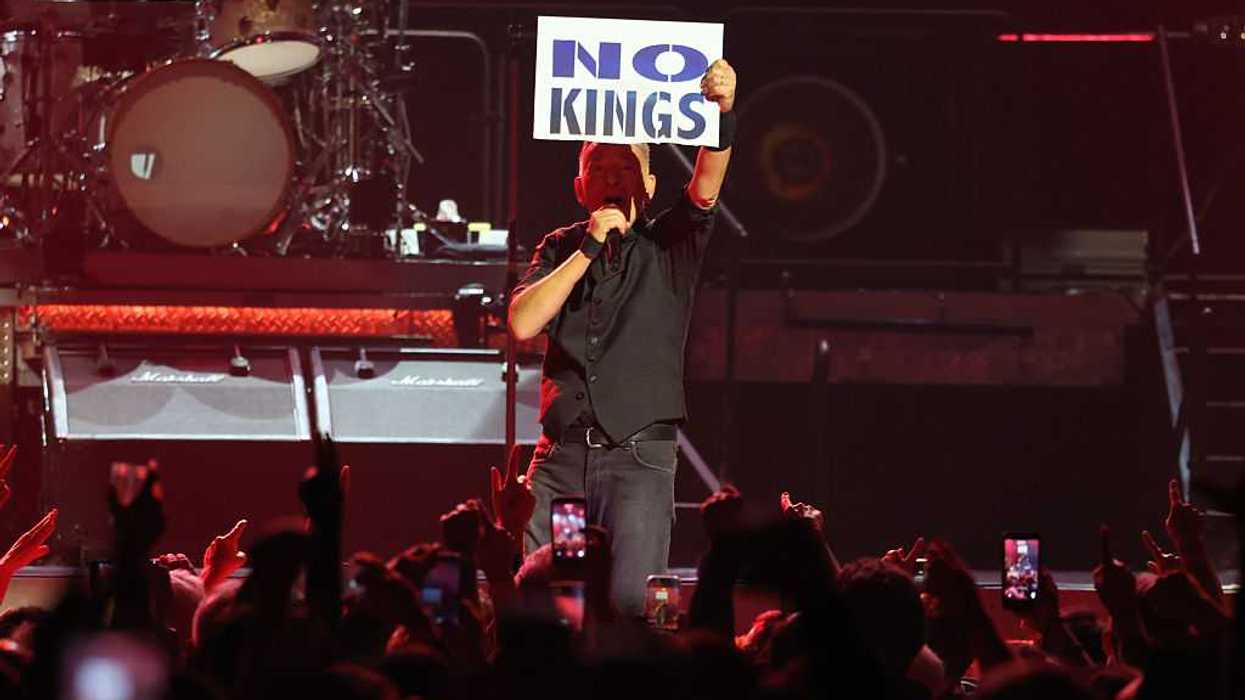
We write. We question. We protest. We follow our government.
And we vote.
My letters were only a few of the warning signs.
Across America, people were communicating. They called and wrote elected officials. They protested. Polls registered dissatisfaction. Families struggled with affordability. Citizens raised concerns about corruption, war, government accountability and presidential power.
Many Americans expected more from Congress. They expected their representatives to listen, deliberate, collaborate across differences, compromise when necessary, provide oversight, exercise constitutional checks and balances, and legislate for the good of the nation. When Congress seemed silent or failed to act on concerns citizens repeatedly raised, its silence and inaction became warning signs, too.
The warning signs were everywhere.
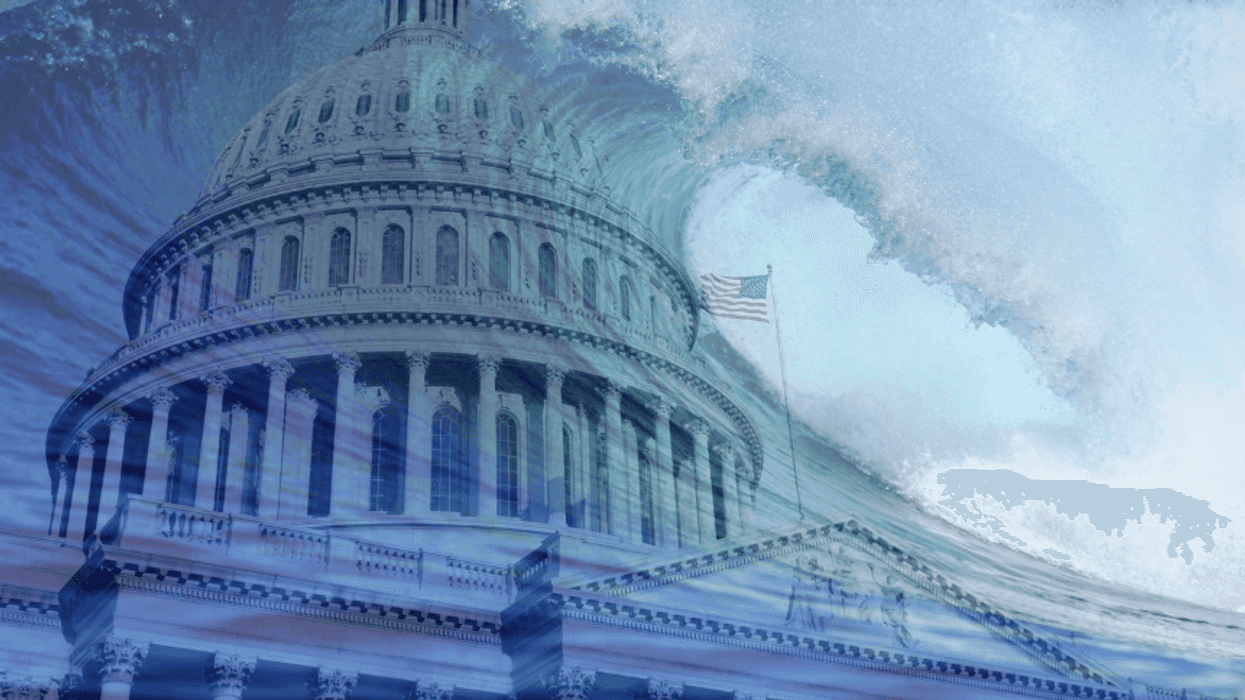
A tsunami does not arrive as one giant breaking wave. It is a series of waves generated by powerful forces building beneath the surface.
So was the blue tsunami of 2026.
For nearly two years, political pressure had been accumulating: voices people felt were being dismissed, frustration over the cost of living, anger about corruption, concern about the Iran war and presidential power, and dissatisfaction with a government many believed was not listening.
The earlier warning signs could be debated, discounted or explained away.
Then came the election.
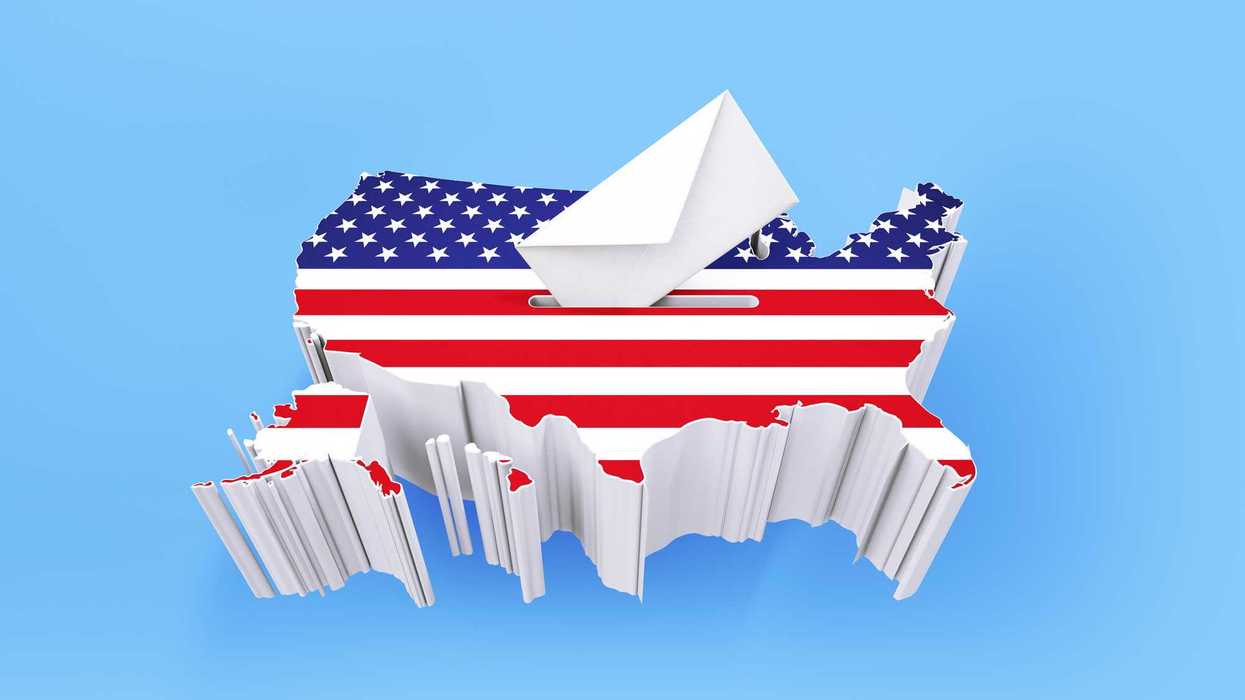
The midterm election was more than a choice among candidates. It was an evaluation of performance. Voters evaluated what leaders had promised, what they delivered, what they failed to deliver, and how their decisions, or failures to act, affected their lives.
Then the ballots spoke.
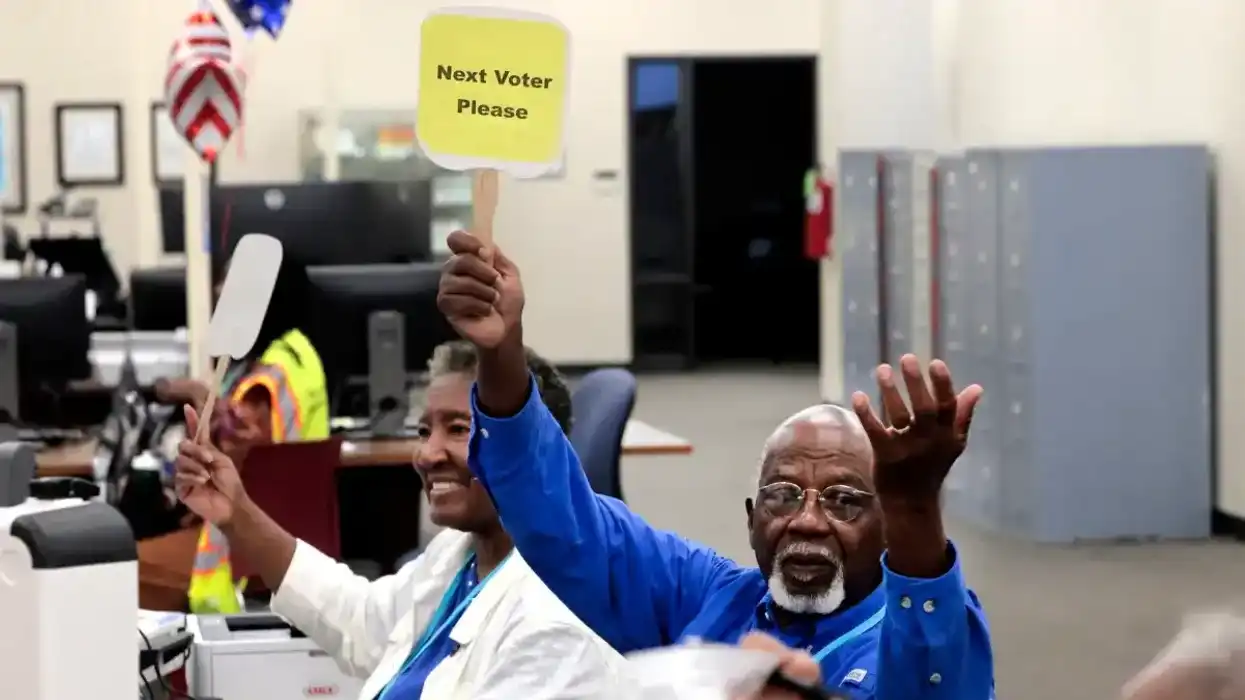
Millions of individual evaluations were expressed through ballots. They did not carry one message from one kind of voter.
Make life affordable. Confront corruption. Listen to the people. Restore constitutional checks and balances. End the Iran war. Honor the oath.
My own ballot carried concerns about constitutional order, accountability, corruption and protecting the republic.
But that was my message.
Americans did not vote with one mind or for one reason. National voter data nevertheless identified powerful common concerns about the economy, cost of living, corruption, democracy and congressional checks on presidential power.
And some messages were visible in whom voters elected.
Across the country, Americans elected a historically diverse group of leaders, breaking long-standing barriers involving race, gender, ethnicity, religion and sexual orientation.
Those candidates were not elected simply because of their identities. Voters decided they were qualified to lead.
Collectively, the results affirmed something government policy cannot erase:
This is a diverse country.
Through their ballots, Americans declared:
You cannot tell us whom we are allowed to elect to represent us.
We are here. We belong. We vote. And we can lead.
That message was loud and clear. But was it received?
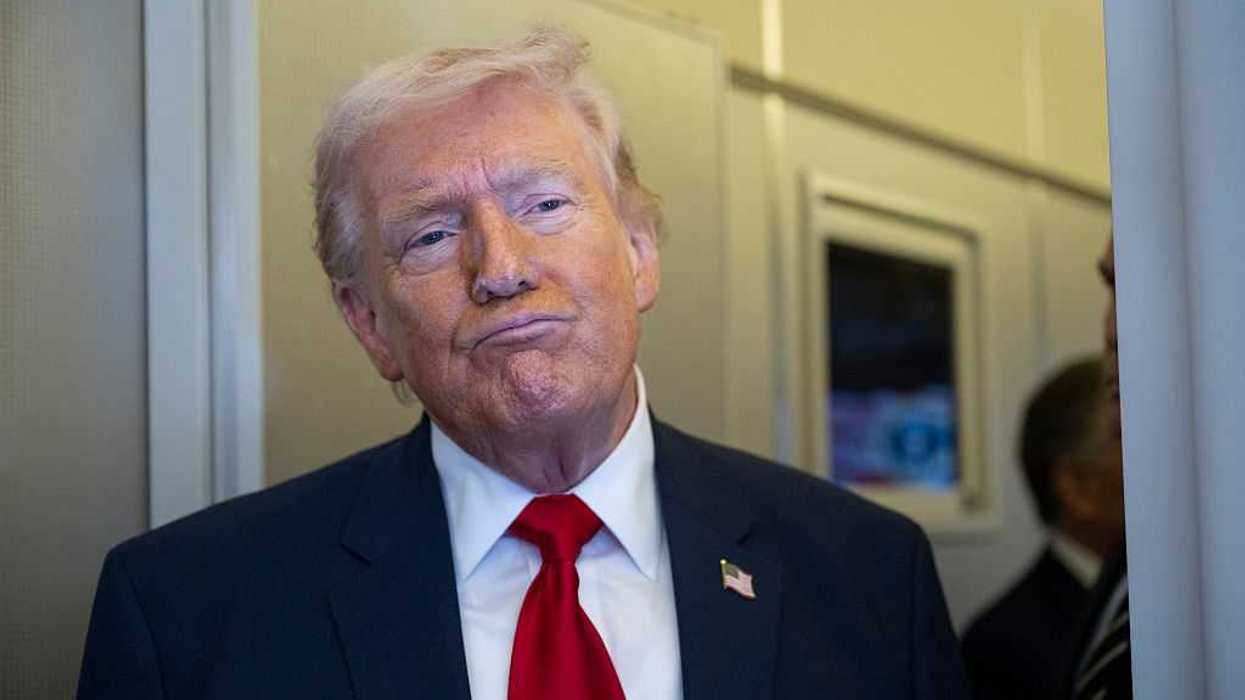
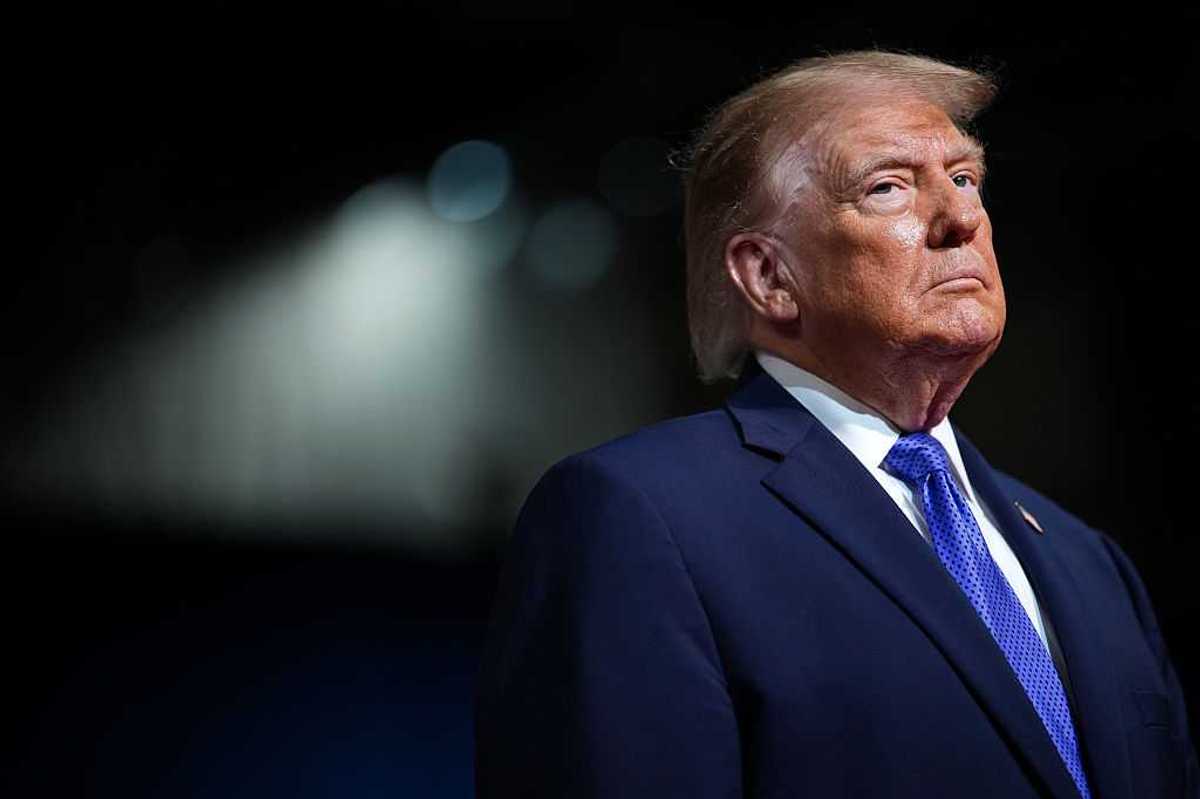
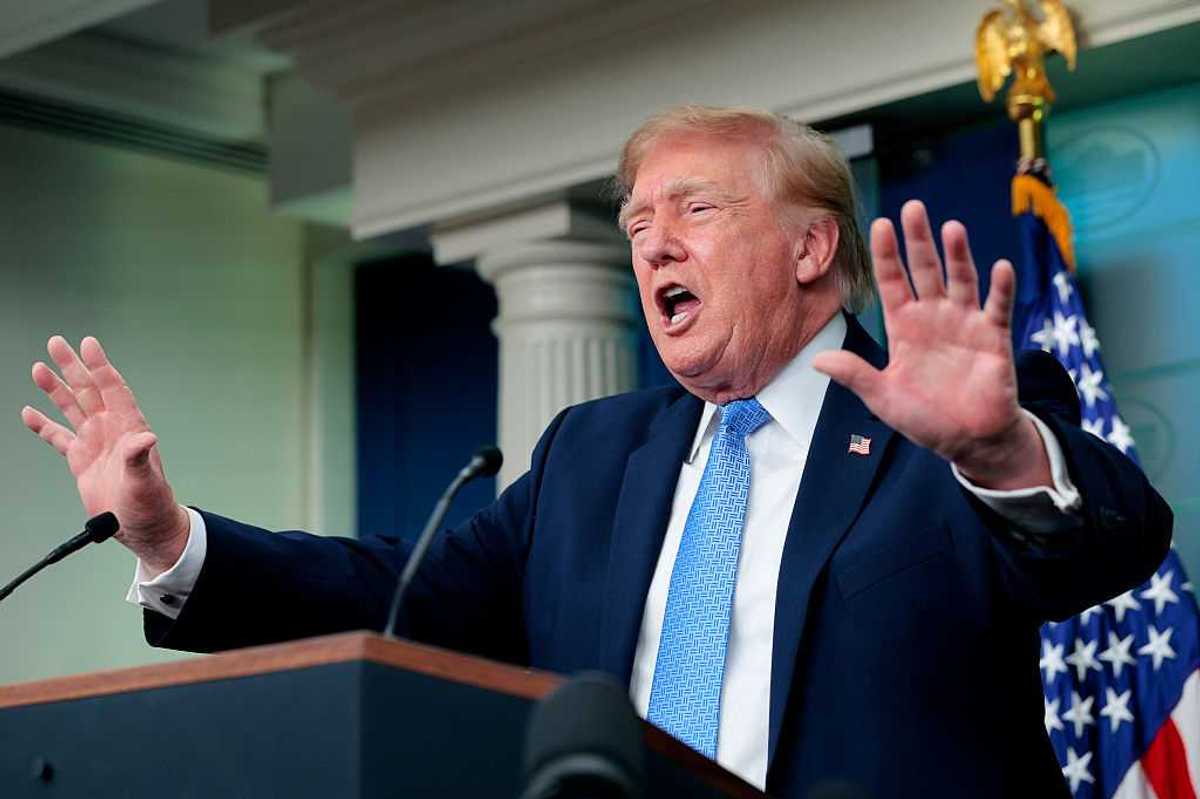
President Trump later said, “I was not on the ballot.”
His name was not.
His presidency was.
Voters had nearly two years of his leadership, policies and decisions to evaluate. Before Election Day, he had repeatedly encouraged supporters to behave as though he were on the ballot.
The results confronted Trump and congressional Republicans with something every leader eventually faces: an uncomfortable truth.
Senator Ted Cruz called the election a “blue tsunami” and a “Watergate-level repudiation.” He acknowledged Americans’ economic pain and said Republicans needed to “listen and respond.”
That is what effective leaders do with difficult results: examine them rather than explain them away.
But Senator Lisa Murkowski had already identified a deeper leadership problem. She publicly acknowledged anxiety about using her voice because “retaliation is real” and described Republican colleagues afraid of political consequences for speaking out.
Members of Congress do not swear to support and defend the Constitution only when doing so is politically convenient.
Fear does not suspend the oath.
If lawmakers heard their constituents but remained silent because they feared political consequences, that was not merely a failure of communication.
It was a failure of leadership.
Democrats should heed that lesson, too. Winning does not prove they understood every voter any more than losing proves Republicans learned from them. This blue tsunami is not permission for the winning party to tell Americans what their votes meant.
Leaders must listen, examine the evidence and question their own assumptions.
During my years in leadership, I sometimes used an echo method to ensure I understood someone correctly: I repeated what I believed I had heard and allowed the person to confirm or correct my understanding.
Congress needs the equivalent now.
Congress should ask: What did the people tell us? What does the data show? Where did government fail? What must change?
Then act. Address affordability. Exercise oversight. Confront corruption. Restore constitutional checks and balances. Honor the oath and protect Congress’s independent authority.
Measure the results and change course when the evidence demands it.
That is accountable leadership.
The 2026 election was not simply the story of Democrats gaining power or Republicans losing it.
It was the people exercising theirs.
For nearly two years, Americans had been communicating. We wrote. We called. We protested. We questioned. We watched. We remembered.
Then we voted.
One tsunami. Many waves. Many messages.
Behind them was a fundamental expectation:
Serve the people.
The people have completed their evaluation. Now the work of governing begins.
Leaders must listen, act, measure results and change course when the evidence demands it. Citizens must continue doing our part, too: stay engaged, expect the best and hold those entrusted with power accountable.
Election Day changed who holds power.
It did not change who ultimately owns it.
The people do.
Now leaders must show, through their actions, that they heard us.
_____________________________________________________________________
Carolyn Goode is a retired educator and educational leader who writes on leadership, civic responsibility, equity and government accountability.