

In business, there is a golden rule that separates thriving enterprises from bankrupt ones: The customer is always right. When consumers stop buying what you are selling, you do not stand at the storefront door and scold them for having bad taste. You go back to the drawing board, listen to their needs, and fix your product.
Apparently, House Speaker Mike Johnson never got that memo.
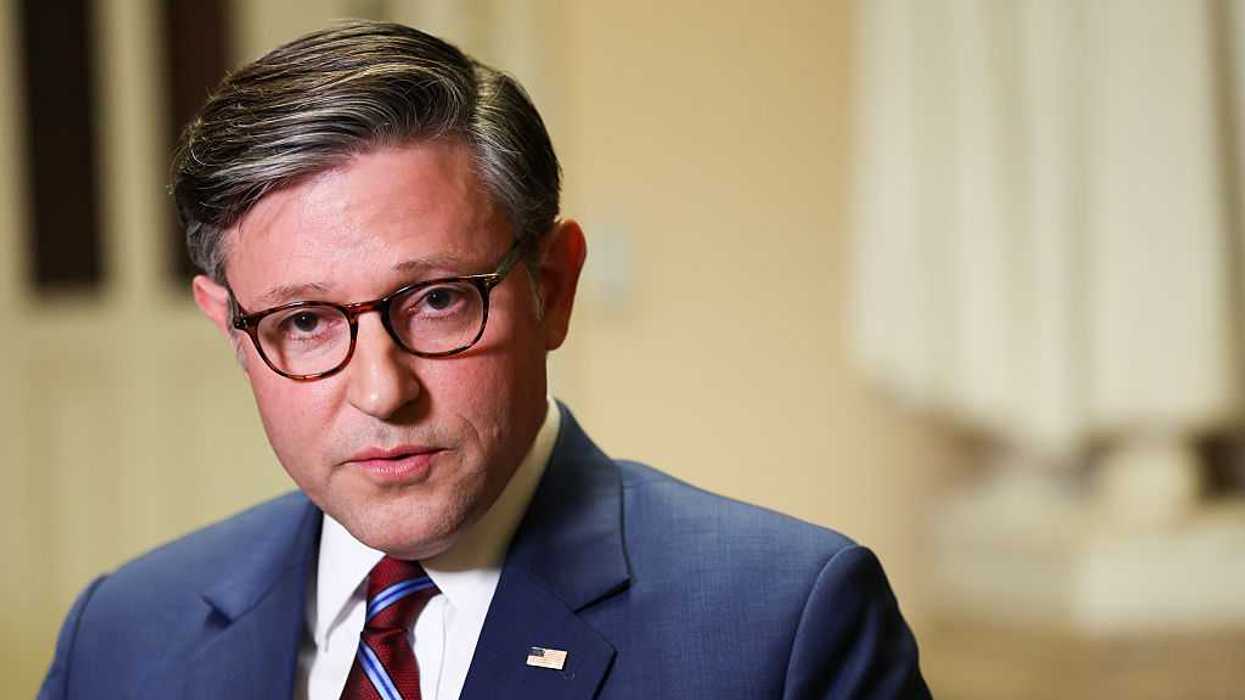
Speaking to reporters on Capitol Hill on Monday, just days after Democrats swept control of both chambers of Congress in a decisive midterm election, the outgoing Speaker offered a breathtakingly tone-deaf postmortem. Rather than reflecting on why voters rejected the Republican majority, Johnson pinned the blame squarely on the American electorate.
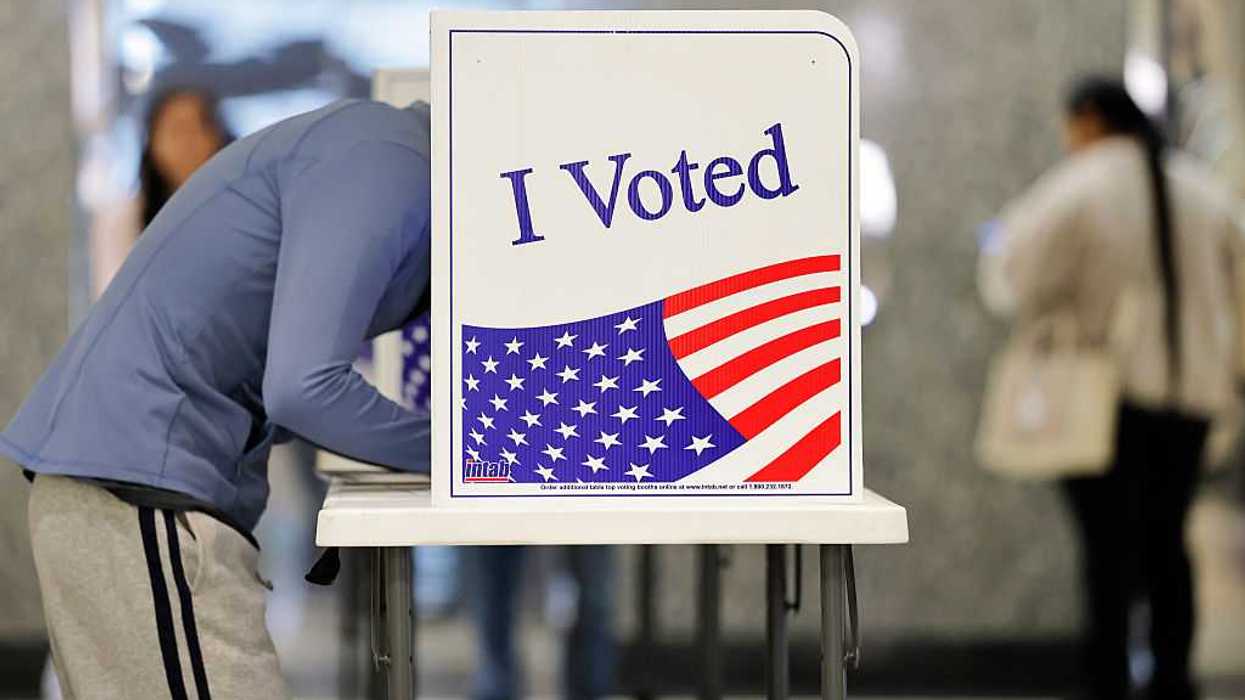
“I’m sorry that the voters made the wrong choice,” Johnson told CNN’s Manu Raju. He went on to describe the Democratic victory as a “great tragedy” and predicted that the next two years under Democratic leadership “is going to be a bit of a circus” and “is going to be chaos”. When pressed on whether President Donald Trump needed to “course correct” following the losses, Johnson flatly refused to entertain the idea, boasting of an “incredible record” over the last two years.
This "we know better than you" mentality is precisely the problem. It is this exact brand of top-down arrogance—an insistence on dictating to Americans what their reality should be rather than listening to what they are actually experiencing—that fueled the blue wave in the first place.
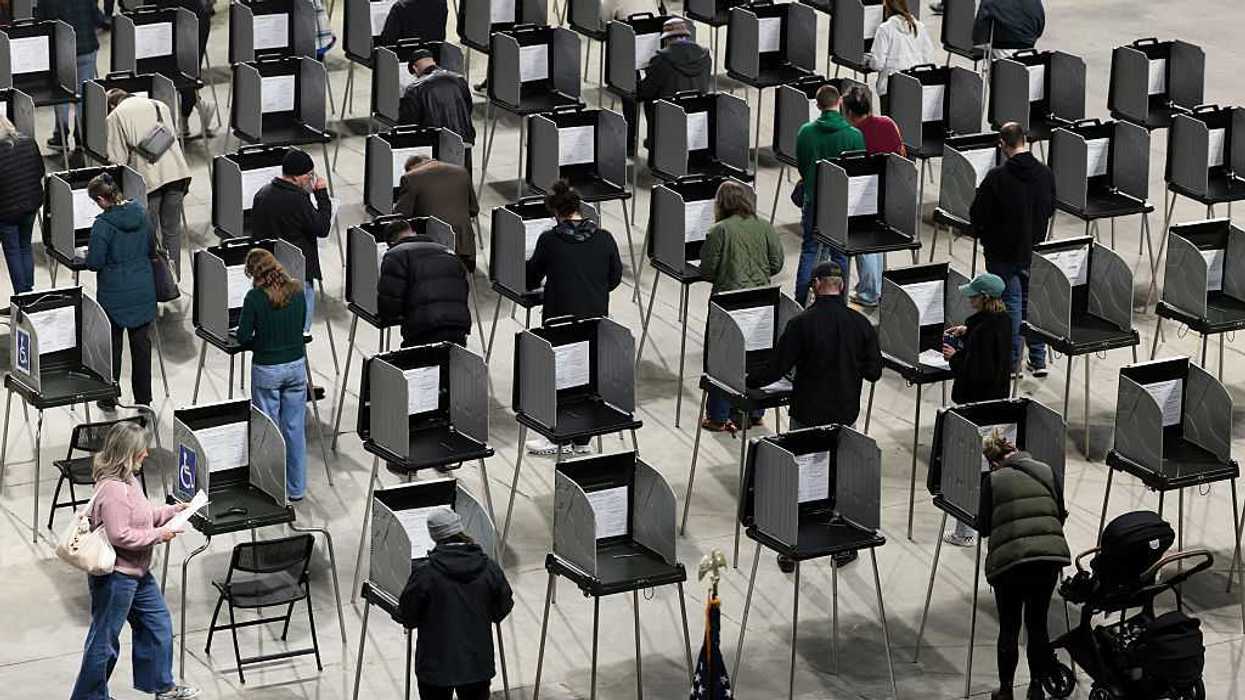
In a representative democracy, elected officials are not rulers; they are public servants. Voters are the customers, and last week, they rendered a loud, unambiguous verdict on the product Washington, D.C. has been delivering. Democrats needed only three seats to flip the House; instead, they picked up dozens, riding a wave of frustration political pundits have dubbed a "blue tsunami."
Why did voters make that choice? Not because they were confused, and certainly not because they wanted "chaos." They voted with their wallets and their lived experiences. According to ABC News Voter Polls, a staggering 75 percent of House voters rated the economy as poor or not so good. While leadership in Washington patted itself on the back over legislative talking points, everyday families were grappling with a grim economic reality, compounded by rising gas prices tied to conflict in the Middle East.
When millions of Americans are struggling to afford groceries, housing, and fuel, telling them they made the "wrong choice" at the ballot box is not just insulting—it is a fundamental misunderstanding of how democracy works. As Representative Jim McGovern (D-Mass.) pointed out on the House floor Tuesday, “You might disagree with their choice, Mr. Speaker, but it's not wrong. You just ain't listening.”
If the Trump administration and the incoming Congress want to avoid repeating the mistakes of the past two years, they must abandon Capitol Hill's top-down echo chamber. Governing cannot be a one-way monologue where politicians tell constituents what to care about. It requires a bottom-up approach rooted in humility, active listening, and genuine engagement.
Both parties—the Republicans licking their wounds and the Democrats preparing to take the gavel—must recognize that a midterm victory or defeat is not a permanent mandate. It is a performance review. To truly serve the public, leaders need to step outside the Beltway, sit down with working families in communities across the country, and ask a simple question: What matters most to you?
As a journalist and educator, I have spent decades advocating for reporting that centers the voices of everyday people rather than just amplifying the rhetoric of the powerful. Good governance requires the exact same discipline. When leaders prioritize partisan loyalty over public accountability, trust erodes, and democracy suffers.
Speaker Johnson may view the 2026 midterm results as a "tragedy", but the real tragedy would be if Washington fails to learn the lesson voters just taught them. You cannot bully, lecture, or dismiss your way into the American public's good graces.
The customers have spoken. It is time for Washington to start listening.
Hugo Balta is the executive editor of The Fulcrum and the publisher of the Latino News Network.