

Are labor unions and worker advocates on the rise, organizing to win elections as well as better wages and working conditions? Recent activities suggest: possibly yes. If so, workers and unions will expect the new Democratic majorities in Congress and state legislatures to deliver on an affordability and pro-worker agenda.
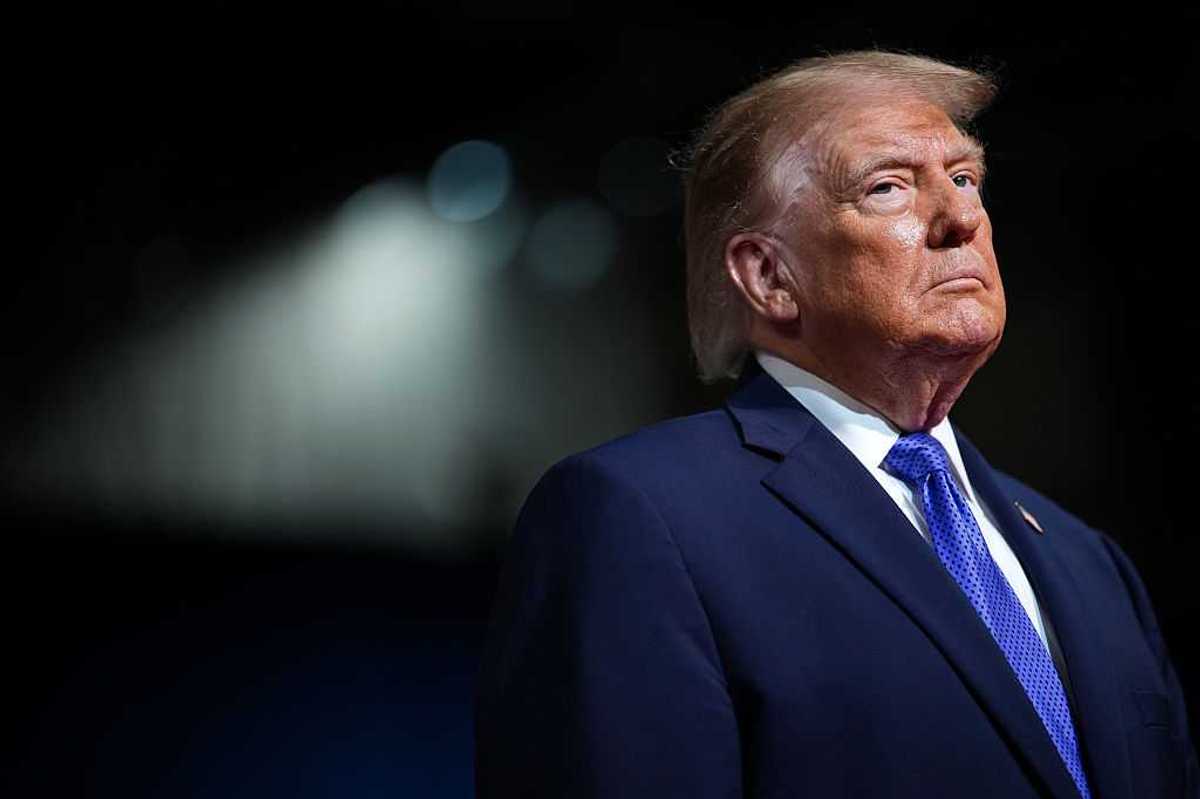
Post-election, the media has reported that certain demographics of voters who supported Donald Trump in 2024 reversed course and strongly supported Democratic candidates. The shift was particularly prominent among Hispanic/Latino voters and young adults, especially young men.
But another important demographic shift among a certain group of voters has not been reported as much, yet may have been more important: labor union members.
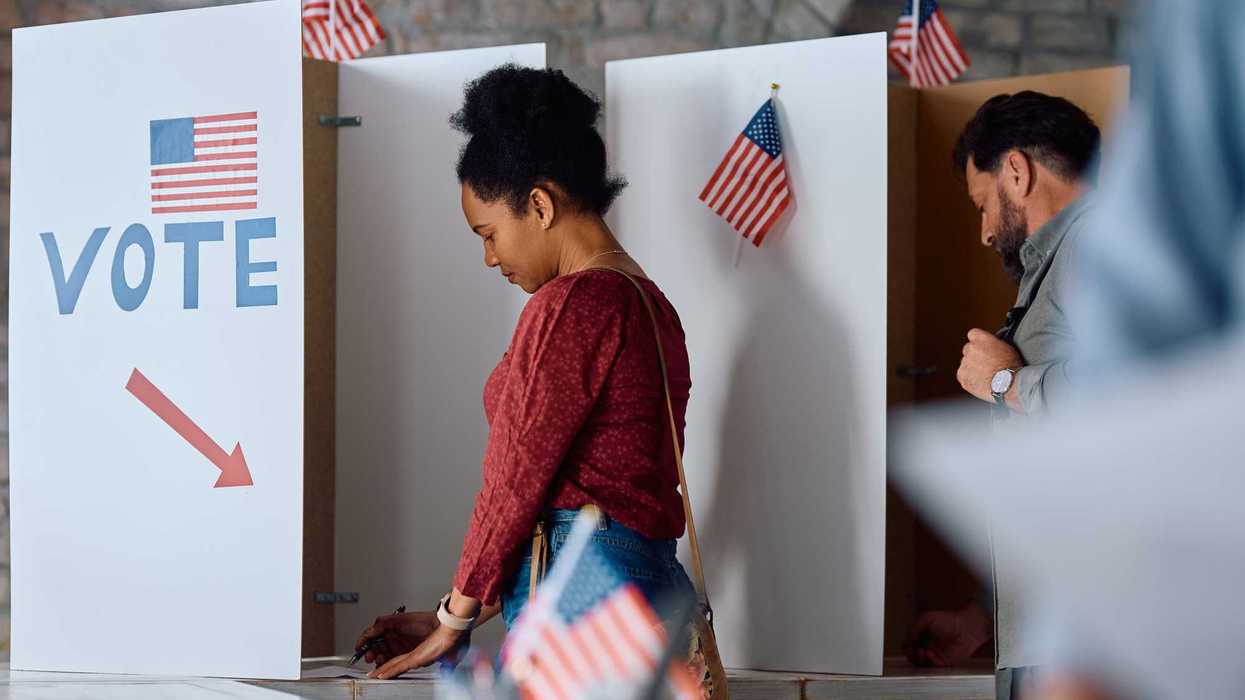
Historically, labor union members have long favored Democrats, but in 2016 many union members voted for Donald Trump for president. Hillary Clinton won labor voters by only a slim 4.4-percentage-point margin, much lower than Democrats did in previous elections. In 2024, union voters were 8.2% more likely to vote for Democrat Kamala Harris, still low historically. But in 2026, the labor gap—voters preferring Democratic candidates—widened to around 22 points, nearly double the margin of the rest of the electorate, according to a CNBC Voter Poll.
How did the labor movement accomplish such a huge swing? One reason is that Donald Trump is so historically unpopular that voters from all demographics rejected him. But labor union members across the nation, led by the AFL-CIO, America’s national labor confederation, and other unions, organized a major mobilization to corral many of those swing voters.
Unlike most other vote-shifting demographics, such as young people, labor unions have money, members, and organizing experience, which made a big difference. The AFL-CIO launched its largest-ever midterm organizing drive in 35 states, including a 26-state bus tour, phone banks, and door-to-door outreach to voters. It says its members engaged with more than 16 million union voters. According to the AFL-CIO, more than 639 union members themselves were elected, including dozens to the US Congress and hundreds to state legislatures. In many races, union organizing began during the party primaries to ensure that pro-union candidates were nominated.
As evidence of labor’s effectiveness, while only about 10% of US workers are union members (about 14.7 million workers), about 16% of voters nationwide were from union households, and as high as 22% of the electorate in important states like Michigan.
More workers organizing for better conditions, affordability
But this labor mobilization actually started several years before. The backlash against AI and Big Tech in the US—first against giant data centers, as I previously documented for Fulcrum in this article, and now with tech workers joining labor unions -- has added momentum.
Over the past two years, hundreds of thousands of tech workers have been impacted by layoffs. No one knows when the next round of layoffs might occur, and at what company. This uncertainty is fueling a rising tide of labor unrest among millions of tech workers. Tech workers with high-paying “dream jobs” who once happily pulled 70-hour workweeks are suddenly realizing they are expendable.
These developments are leading to an unprecedented surge in union organizing, something previously unseen in Silicon Valley. This, in turn, has prompted a backlash by the companies. The National Labor Relations Board (NLRB) is adjudicating hundreds of unfair labor practice charges, including retaliation, worker surveillance, hosting "captive audience" meetings to threaten workers, and firing pro-union organizers. Tesla, Google, and Amazon in particular have been the subject of complaints.
Labor unions increasingly active
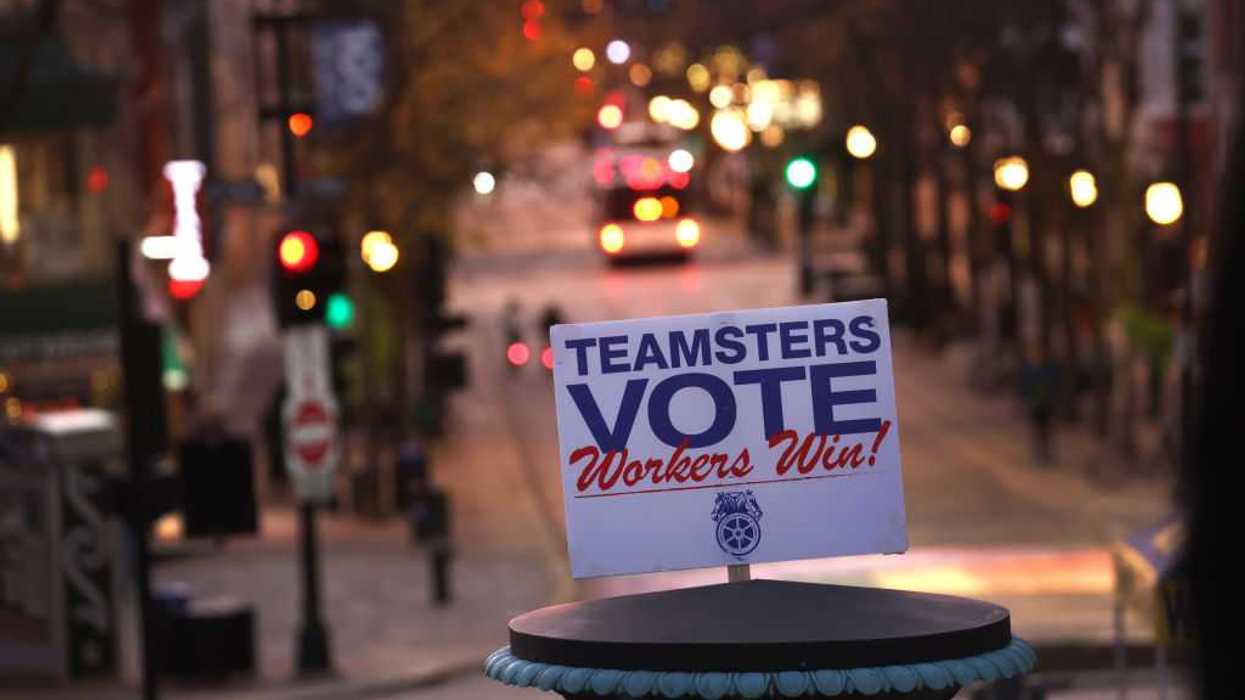
These and other issues have given momentum to unionization within the workforce. Labor unions like Communications Workers of America (CWA), Office and Professional Employees International Union (OPEIU), the Teamsters, International Association of Machinists and Aerospace Workers (IAM) and others are driving and funding the organizing push into Silicon Valley. The CWA has become a primary force behind tech organizing through its Campaign to Organize Digital Employees (CODE-CWA) initiative. It has absorbed pre-existing informal tech worker groups into its ranks, including the Alphabet Workers Union (AWU-CWA Local 9009) at Google, video game workers at Microsoft/Xbox, and thousands of IT workers across public universities.
The Alphabet Workers Union at Google has smartly tried to incorporate into their efforts the vast army of contractors that work for Alphabet/Google. Separately, hundreds of engineers and workers at Google and its parent company Alphabet formed a union affiliated with the CWA, pushing back against the development of AI for military use and corporate decisions made without worker input. Microsoft's ZeniMax tech workers have successfully unionized, with its video game developers also joining the CWA.
At the University of California, over 2,100 IT and technical employees at 10 campuses across the UC system voted to join the University Professional and Technical Employees (UPTE-CWA Local 9119), creating the largest tech worker union in the United States with 8,400 members. Their goals are negotiating for better pay, layoff protections and remote work rules. The International Federation of Professional and Technical Engineers (IFPTE) is actively organizing tech, IT, and video game professionals to secure workplace representation and collective bargaining. The New York Times Tech Guild was launched when over 600 software engineers, designers, and data analysts at the newspaper voted to unionize with the CWA, creating one of the largest certified tech unions with full collective bargaining rights.
The Teamsters and the Machinists Union (IAM) have negotiated contracts for tech contractors, biotech developers, and corporate tech specialists at firms like Facebook, Apple, and Google. Workers at the crowdfunding platform Kickstarter successfully organized with the OPEIU, and the union negotiated a new contract that included a four-day workweek, a minimum salary for all workers, protections against replacing full-time workers with contractors, and an agreement that management cannot replace roles with AI.
The momentum is also visible among the blue-collar contract workforce that keeps Silicon Valley physically running. In September 2026, 14,000 unionized security guards represented by Service Employees International Union-United Service Workers West (SEIU-USWW) launched a massive strike affecting the offices of AI and tech giants like OpenAI, Anthropic, Google, Meta, and Salesforce. The workers demanded higher wages as their roles become more critical amid high-profile security concerns. Teamsters Local 853 already represents tech drivers and operational logistics workers who contract with Google, Apple, Facebook, and others.
Impact on Election 2028
While union membership is currently only about 10 percent of the workforce, the new and renewed activity is notable. If its strength grows, organized labor will expect Democrats at the federal and state levels to deliver on an affordability and pro-worker agenda. Powerful United Auto Workers President Shawn Fain recently said, “The days of just blindly giving our endorsements to people because of party affiliation are over. They’re going to earn our support.”
In the short term, that might not be so easy for Democrats to accomplish. With Trump still president and threatening to use his veto pen, the federal legislative picture will be plagued by uncertainty for the next two years. Already, Trump in two years has issued nearly 300 executive orders, way more than any previous US president ever issued in four years.
In reality, this election was just the first cannon shot aimed at the 2028 election, when Trump will leave office and a new president will be elected. Labor unions and their members are mobilized and preparing for an even bigger electoral battle in two years.
Steven Hill is a fellow at Rutgers University’s Institute for the Study of Employment Ownership, and was previously a leader at FairVote, New America and Center for Humane Technology. See more of his writing at DemocracySOS.