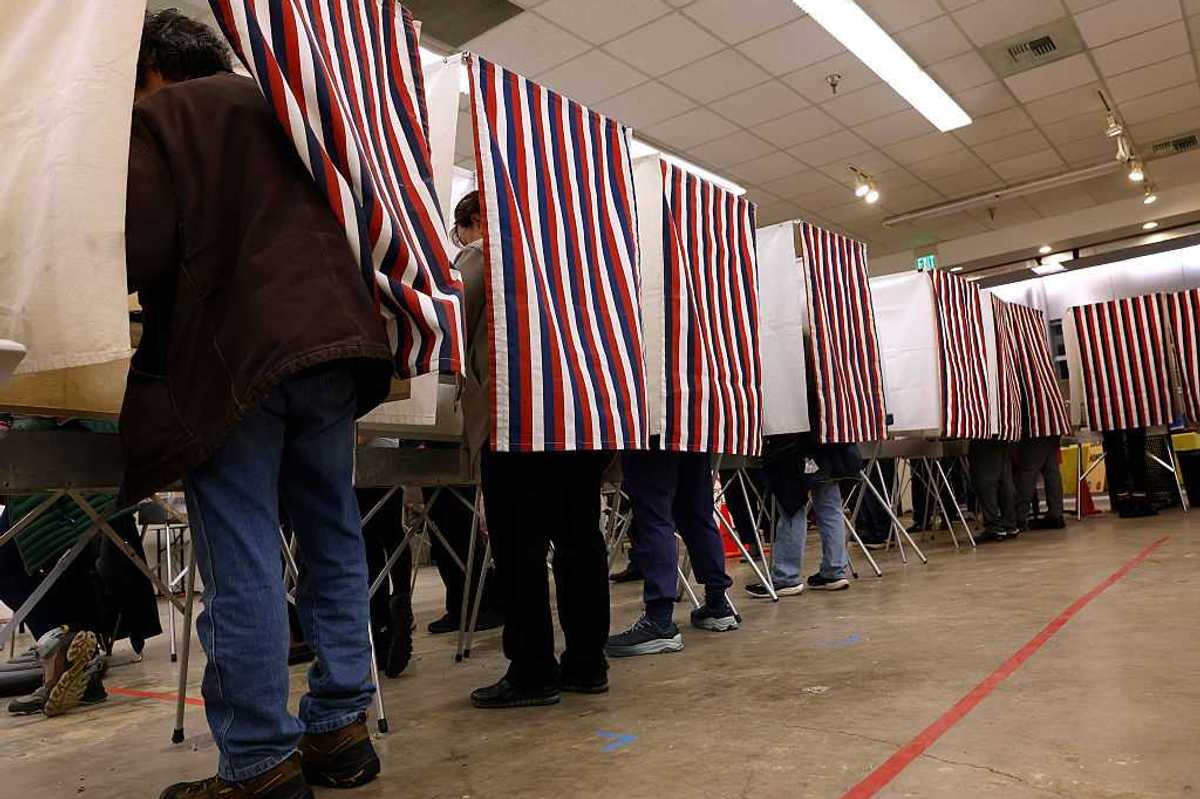


At the end of the 2026 midterm elections, “corruption” emerged as a central issue in the campaign. The public outrage had been building for years. In a September 2026 Gallup poll, 89 percent of Americans agreed that corruption is “widespread throughout the government,” an all-time high. Allegations that members of Congress use insider information for stock trading have become a common belief. Additionally, a raft of sexual harassment and sexual assault scandals has shed light on the inadequate protections in place for congressional employees. As the 120th Congress convenes in January, Congress must respond to this national cry for ethics reform in the legislative and executive branches.
Historically, Congress has always needed a scandal to act. The Honest Government and Open Leadership Act of 2007 – famously proclaimed by Speaker Nancy Pelosi as an act to “drain the swamp” – was passed as a result of the lobbyist Jack Abramoff scandal involving illegal gifts and favors to members of Congress. It appears the swamp was harder to drain than anticipated.
Congress is again at a time when circumstances demand action to police itself. Among measures Congress could adopt:
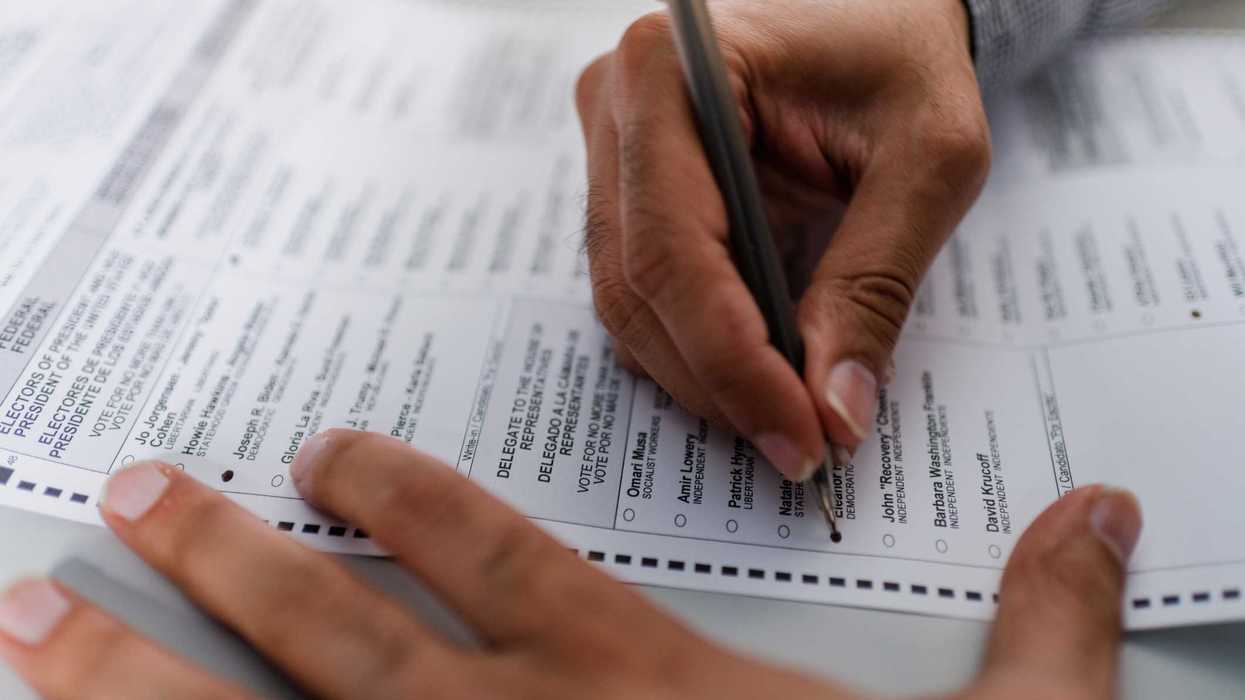
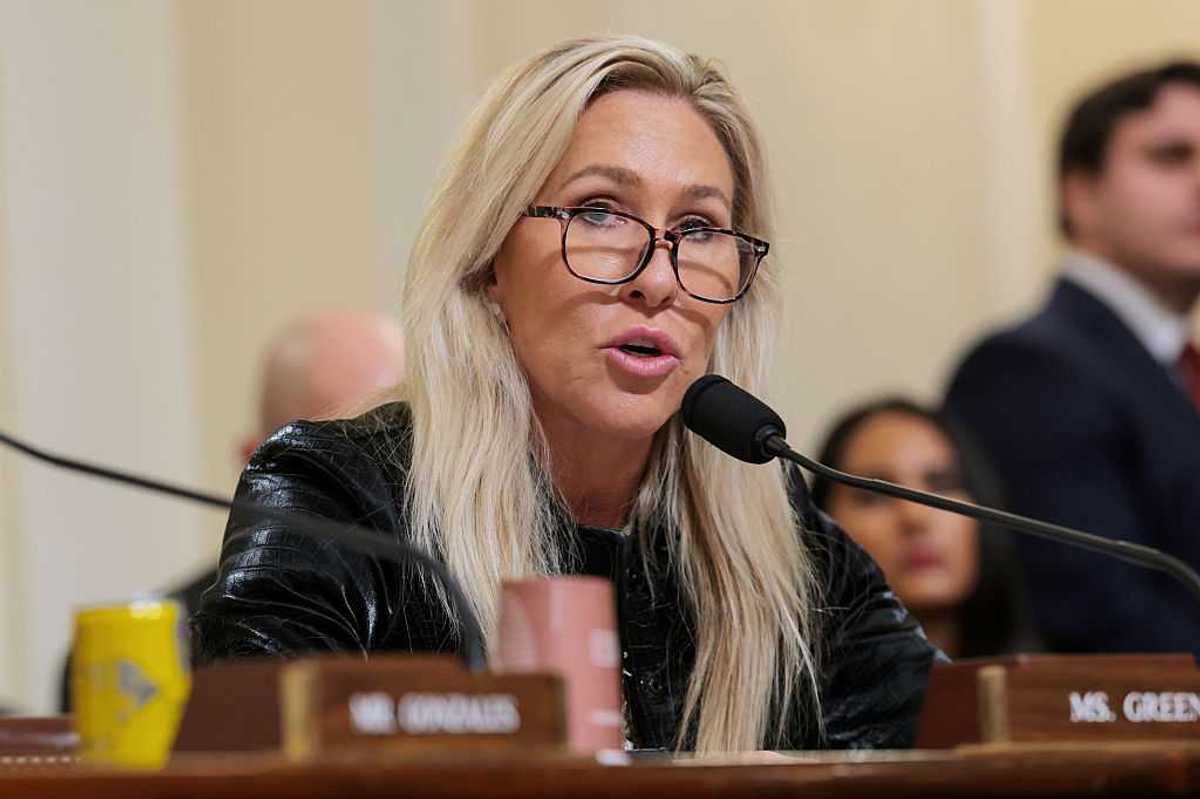
- Congress should immediately pass a complete ban on stock trading by members of Congress. This scandal evolved in part a result of a previous congressional attempt to display transparency in personal finances. Enacted in 2013, the Stop Trading on Congressional Knowledge (STOCK) Act required members of the House to publicly report on any stock trade within 45 days. The idea was that this transparency would dissuade anyone from using insider legislative information for personal gain. In reality, the act produced thousands of news articles about members' stock trading, eroding trust in the legislative branch. The Republican-led House passed a half-way measure in 2026, hoping this fig leaf of a bill would fool the public into believing it took meaningful action. However, the bill only banned future trades; members could still trade stock they had previously acquired. The strongest measure, which has bipartisan support, would ban all stock trades and is absolutely necessary to restore some trust in our legislative branch.
- The House currently has an outside ethics watchdog, the Office of Congressional Ethics (OCE). Unlike the House Ethics Committee, which is run by House members, the OCE is run by former members of Congress and former congressional staff. Plus, while the House Ethics Committee cannot initiate an investigation without a formal request, the OCE can initiate one on its own, perhaps in response to news articles alleging wrongdoing. However, when the House established this entity in 2007, it failed to give it subpoena power, tragically crippling its ability to investigate House members and staff. Giving this body subpoena power will allow it to better execute this mission.
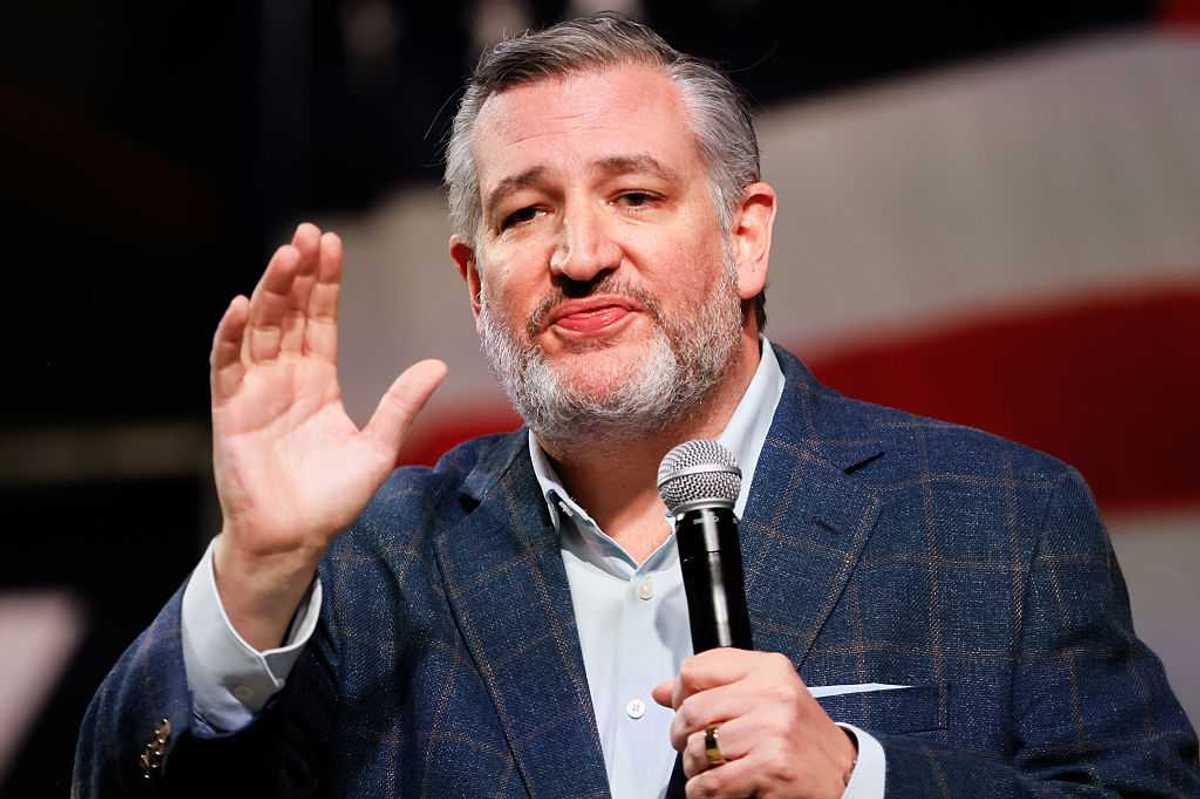
- The U.S. Senate has been completely absent in fulfilling its mission to police ethics within its own ranks. The last time the Senate Ethics Committee made any formal recommendation of a penalty against a senator was in 1995. So, either the upper chamber of our national legislature is inhabited by angels, or the committee is ignoring unethical behavior occurring under its watch. The Senate needs to copy the House and establish its own Office of Congressional Conduct, allowing an independent body to launch credible investigations.
- Both chambers need to enhance the organizations and structures designed to protect employees from hostile work environments and sexual harassment. The power dynamic on Capitol Hill means employees live in fear of legal and career consequences if they speak up against a bad boss. And all the legal and financial apparatus in place favor protections for the employer, not the employee. The House Progressive Staff Association has pushed for an excellent reform agenda that would add protections to congressional staff.
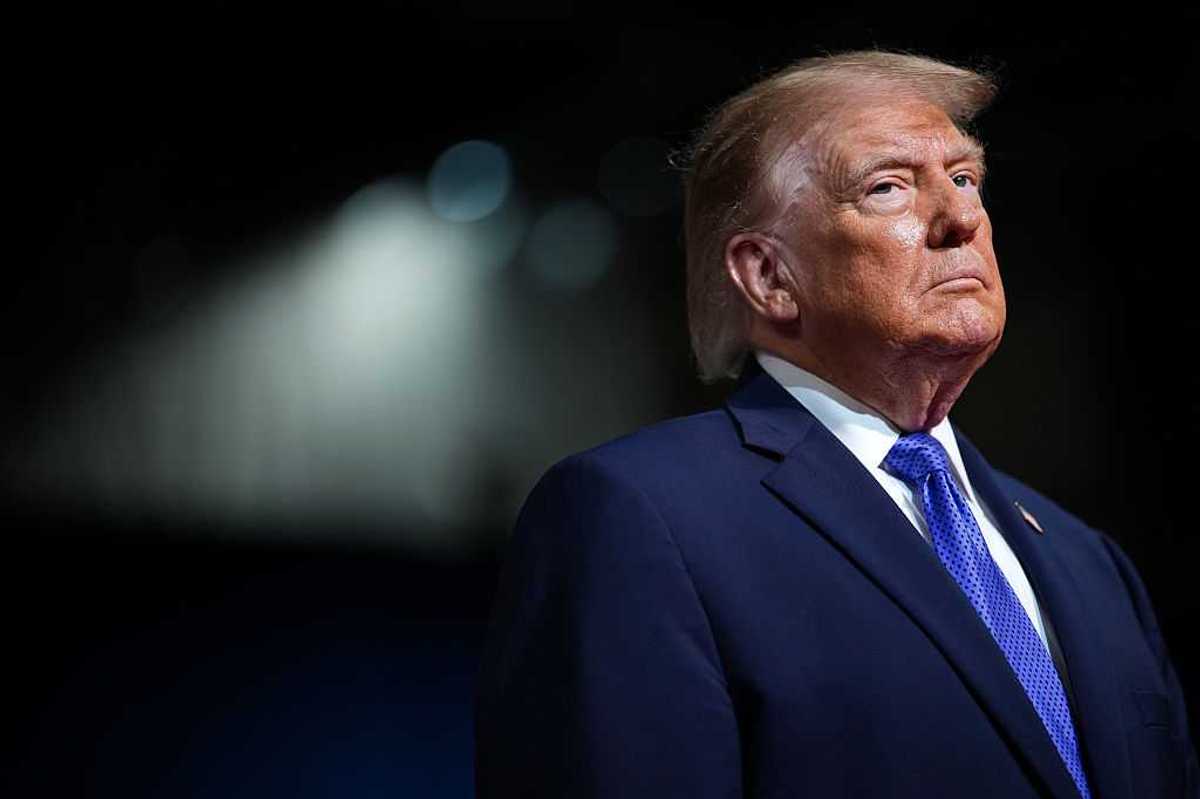
- While it's next to impossible to envision a world whereby Donald Trump would sign into law any measure curbing executive branch excesses, Congress should still lay down a marker for the next administration. This administration's ethical transgressions would fill volumes and are too long to list here. Yet Congress is the only entity that can force reform on the executive branch and generally improve public trust in our institutions.
Laws and reforms themselves will only go part of the way in restoring trust in government. Congress must lead by example, even though it requires some personal sacrifice. Public trust in Congress is a living gift – it must be cared for, nurtured, and occasionally restored. Congress has a once-in-a-generation opportunity to restore that gift … now.
Bradford Fitch is the former CEO of the Congressional Management Foundation, a former congressional staffer, and author of “The Citizen’s Handbook for Influencing Elected Officials."