
The final weeks of the 2026 midterm election cycle felt less like a contest of democratic governance and more like a race to the absolute bottom of human decency. Rather than engaging on the pressing kitchen-table issues keeping working-class Americans up at night—skyrocketing grocery bills, inflation, and healthcare access—a prominent faction of campaigns instead chose the path of least resistance: sophomoric bullying, xenophobia, and identity-driven vitriol.
Saturday Night Live captured the absurdity of this political landscape just days after the election. In a cut-for-time digital exclusive simply titled "Post-Election Ad," the show parodied a group of defeated Republican candidates (played by host Druski alongside Andrew Dismukes, Ashley Padilla, and Jeremy Culhane) who instantly pivot from vicious campaign smears to a casual, shameless plea for voters to "forgive and forget." In one brilliantly biting line, Dismukes’ character attempts to brush off his unhinged behavior by saying, "Keep in mind, a lot of stuff was said on both sides. He said I was out of touch with everyday Americans; I said his children weren't biologically his."
- YouTube youtu.be
It was brilliant satire, but it hit entirely too close to home. The sketch's fictional candidates boasted about running 24/7 ads calling opponents illegal immigrants, claiming a female opponent turns into a werewolf once a month, and asserting an opponent's pronouns are "he/gay." While the writers at SNL intended these as exaggerations, the real-world tactics deployed by actual politicians this cycle were barely distinguishable from the comedy sketch.
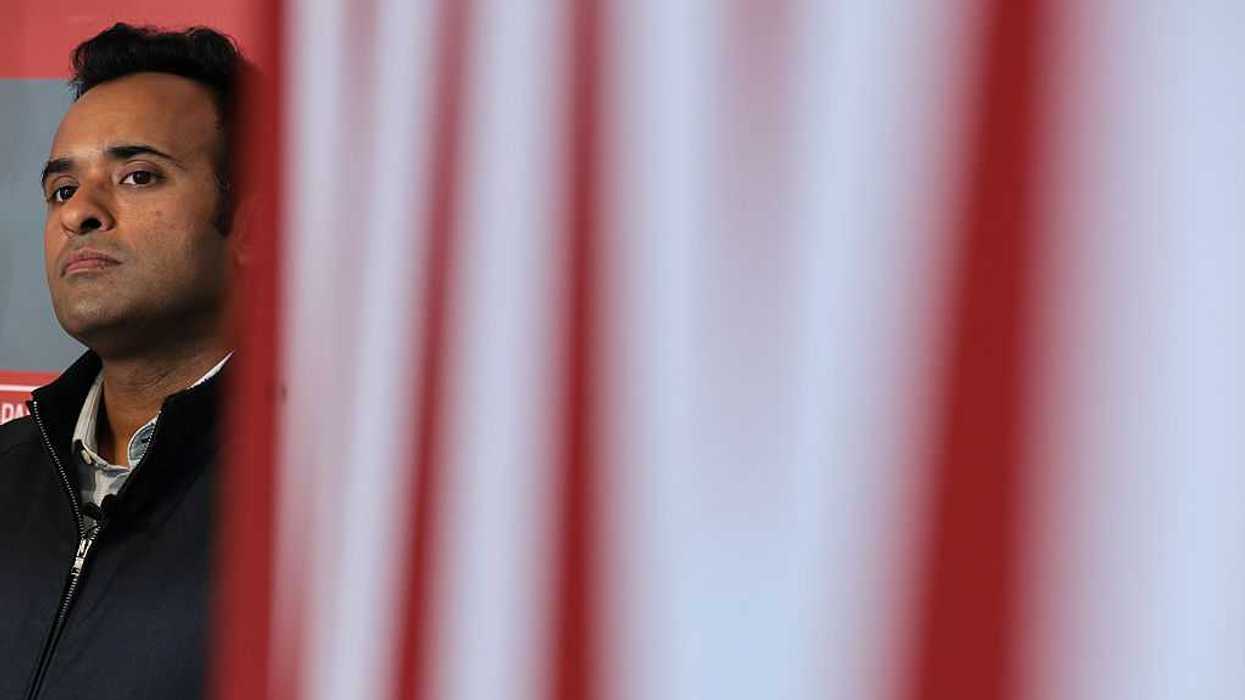
For months, we watched as candidates substituted legislative platforms with personal degradation. Vivek Ramaswamy, maintaining his brand of aggressive provocation, spent the cycle deploying disrespectful and toxic broadsides against anyone standing in his way, turning political discourse into a playground shouting match. In Ohio, the gubernatorial landscape dissolved into aggressive smear tactics, while similar ugly dramas played out in high-profile races across the country.
Nowhere was this degradation more apparent than in Donald Trump’s toxic, identity-based rhetoric on the campaign trail. At rallies in Ohio and Michigan, Trump turned his sights on Michigan’s Democratic Senate nominee, Abdul El-Sayed. Rather than debating El-Sayed’s progressive platforms on universal healthcare or economic reform, Trump chose to mock the candidate's Muslim faith and Egyptian-American heritage. He repeatedly mangled El-Sayed's name on purpose, mockingly branding him "Abdul Ramadan" and "Mohammed" while baselessly painting him as a "jihadist". To a roaring crowd, Trump even xenophobically suggested that Congress would need to install metal detectors just to accommodate a Muslim senator.
This type of bias—sometimes masked as political theater, but more often laying bare outright racism—was not unique to Trump. Republican Senate candidate Mike Rogers and his allies leaned heavily into the strategy. Rogers famously laughed along at rallies when fellow Republicans made unhinged jokes about El-Sayed’s loyalties, including claims that the Rhodes scholar and former Detroit health director slept in an Osama bin Laden jersey.
Like the politicians in the SNL parody, these real-world campaigns treated malicious, identity-driven lies as nothing more than standard political sportsmanship. It was a deliberate strategy to stoke fear, division, and otherness.
Yet, it failed spectacularly.
The American electorate sent a clear, unambiguous message: performative cruelty is no longer a viable substitute for real policy. Voters ultimately saw right through the negative rhetoric. They recognized it for what it was: the sheer, unadulterated desperation of campaigns with no real ideas to offer. When a candidate has no plan to lower gas prices, no strategy to fix public education, and no blueprint for community economic growth, they resort to the only tool they have left—identity-driven bullying.
The beautiful irony of the 2026 midterms is that American voters proved far more sophisticated than the consultants orchestrating these smear campaigns. In Michigan, despite tens of millions of dollars poured into attack ads designed to weaponize Islamophobia, voters chose substance over slurs. They elected Abdulrahman Mohamed El-Sayed, making him the first Muslim senator in United States history.
As El-Sayed noted with "delicious irony" in his victory speech, Vice President JD Vance is now constitutionally obligated to swear him into office this coming January. And as for Trump’s playground name-calling, El-Sayed delivered the perfect antidote to political bullying: after the swearing-in, Trump can skip the games and simply call him “Senator”.
The 2026 blue wave sharply rejected Trump's war on diversity and representation. It proved that the public trust cannot be bought with cheap insults. Real life will not mirror the SNL sketch; voters will not simply "forgive and forget" the cruelty once the polls close. Moving forward, political parties must understand that the electorate is demanding a return to accountability, results, and practical solutions for everyday challenges.
Sophomoric bullying is a dying political currency. The American people want leaders, not trolls.
Hugo Balta is the executive editor of The Fulcrum and the publisher of the Latino News Network