

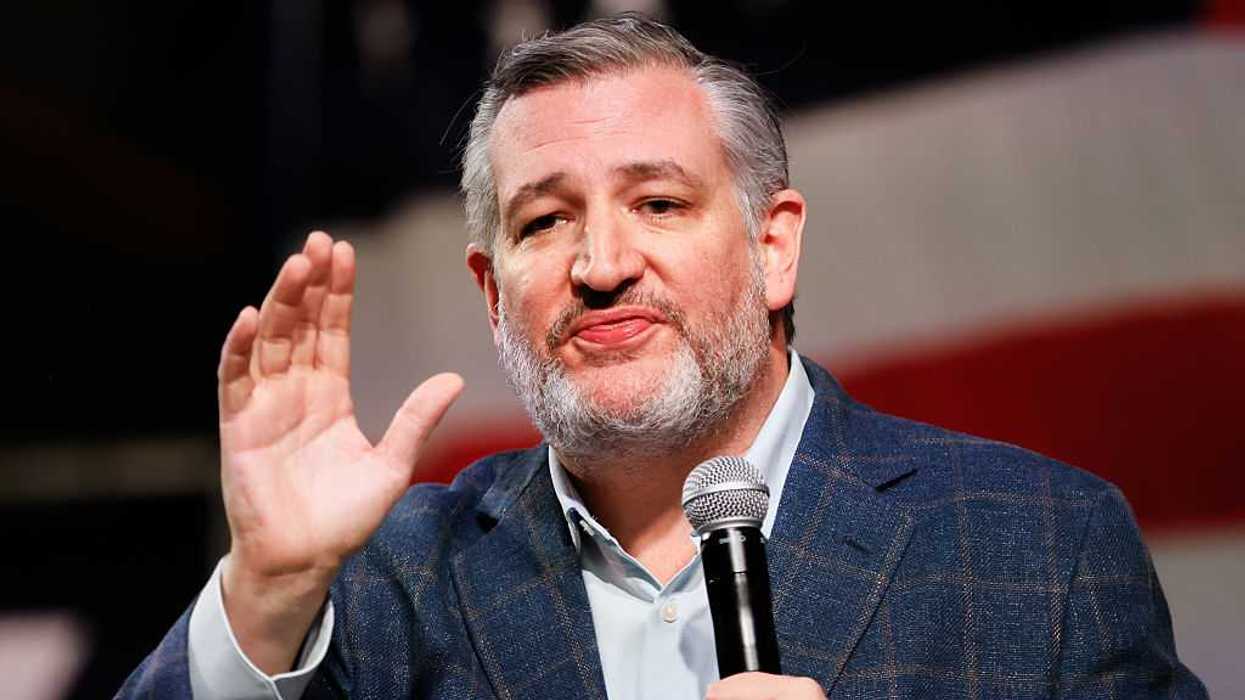

Texas Senator Ted Cruz wants you to believe Texas has just plunged into deep, inescapable darkness. Cruz took to his podcast and social media to deliver a characteristically apocalyptic sermon. “It is dark right now,” Cruz lamented, “but it is always darkest before the dawn.
”It is a remarkably self-indulgent framing. Senator Cruz is projecting his own partisan melancholy onto an electorate that didn’t lose a game—they cast a ballot. What Cruz views as a grim twilight is, for millions of Texans, a breath of fresh air and a long-overdue dawn. By treating a democratic election like a tragedy, Cruz reveals a fundamental disconnect from the very people he is elected to represent.
Political pundits are already pointing out that this "day-after" rhetoric is less about state leadership and more about personal ambition, signaling that Cruz is already jockeying for another run at the presidency in 2028. But if this theatrical doom-mongering is his opening salvo, he is off to a disastrous start—one that will ultimately alienate moderate voters and leave him without a serious seat at the GOP nomination table.
Texas voters sent a clear, unvarnished message at the ballot box. They expressed profound exhaustion with escalating cost-of-living struggles, economic anxieties, and the relentless strain of international conflict. But instead of acknowledging the will of the people with humility and committing to work across the aisle with newly elected Democrats to fix these pressing issues, Cruz did what he always does: he retreated into the trenches of division.
Rather than offering a hand in partnership, Cruz immediately began plotting a comeback rooted in the same polarizing rhetoric the Trump administration championed. He pursued this strategy at his own immense political peril. The midterms were, as he said, "Watergate-level repudiation," not just of specific policies, but of an exhausting, hyper-partisan style of governance. Texans are tired of a political culture that treats governance as a blood sport and neighbors as enemies.
Cruz’s defensive posture raises a fundamental question about the nature of representation in our republic. Isn’t Donald Trump supposed to be the president of all Americans, including the millions who did not vote for him? And isn’t Ted Cruz supposed to be a senator for all of Texas, not just the ones wearing red hats?
True leadership requires recognizing that your mandate extends beyond your base. When the electorate demands change, a statesman listens; a politician merely recalibrates his grievances. By doubling down on the Trumpian doctrine of permanent polarization, Cruz is misreading the room entirely.
We, The People, are tired of the partisan politics that paralyze our government. The midterm results were a declaration of independence from manufactured culture wars and tribal gridlock. If Senator Cruz truly wants to see the "morning" he promised, he needs to open his eyes to the reality of the state he represents. Texas isn’t in the dark, Senator. It’s just moving on without you.
Hugo Balta is the executive editor of The Fulcrum and the publisher of the Latino News Network.