PARKERSBURG, West Virginia — At a broad bend in the Ohio River, Parkersburg sits at a familiar American crossroads of industry, history, and modern political identity.
For generations, movement and manufacturing defined the Mountain State’s third-largest city. River commerce came first, followed by the railroads, and later the sprawling chemical and plastics plants that anchored the Mid-Ohio Valley’s economy. Today, like much of West Virginia, Wood County leans heavily conservative, backing Donald Trump by wide margins in 2024.
Yet beneath the familiar headlines of partisan division and post-industrial transition, residents here have spent the past year wrestling with a much closer-to-home question: Can a fractured community still come together to solve a problem that affects everyone?
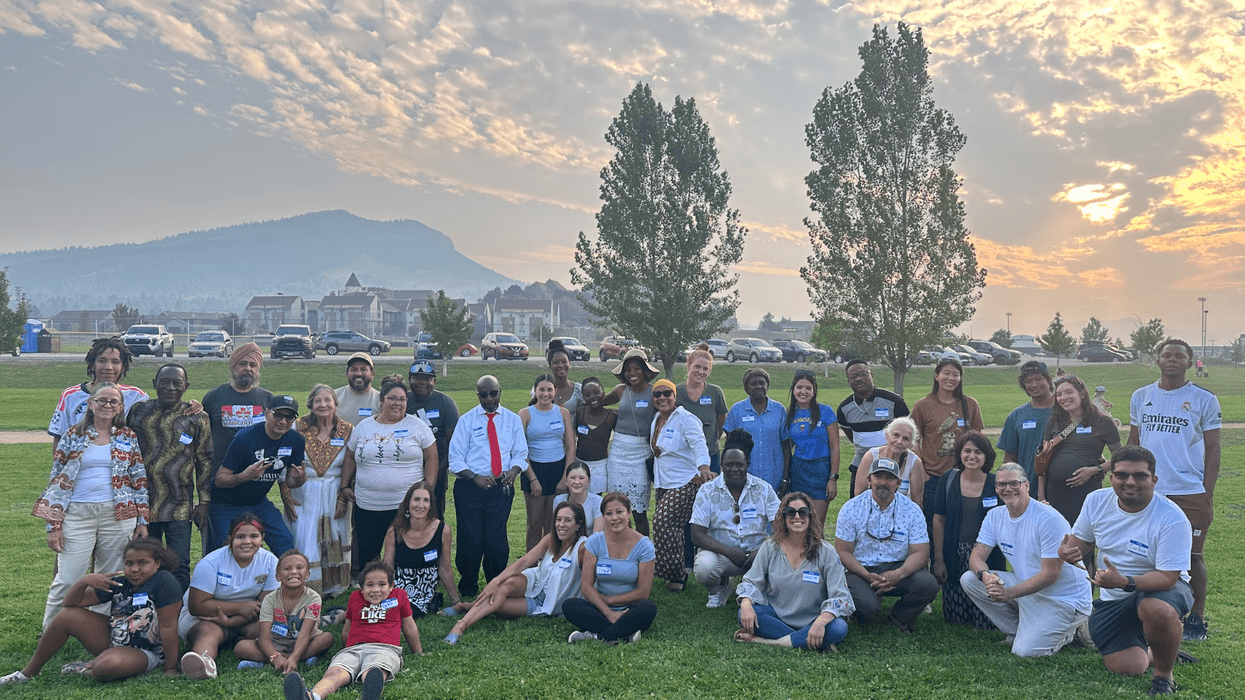
That question is at the heart of the Parkersburg Engagement Project, a yearlong civic initiative built on structured dialogue and resident-led problem-solving. Rather than approaching local challenges through a political lens, organizers, nonprofits, and everyday neighbors chose to begin with something far simpler—and often far harder—than debate: listening.
- YouTube youtu.be
When residents were asked to identify the most urgent issue facing their city, one answer rose decisively to the top: substance use disorder.
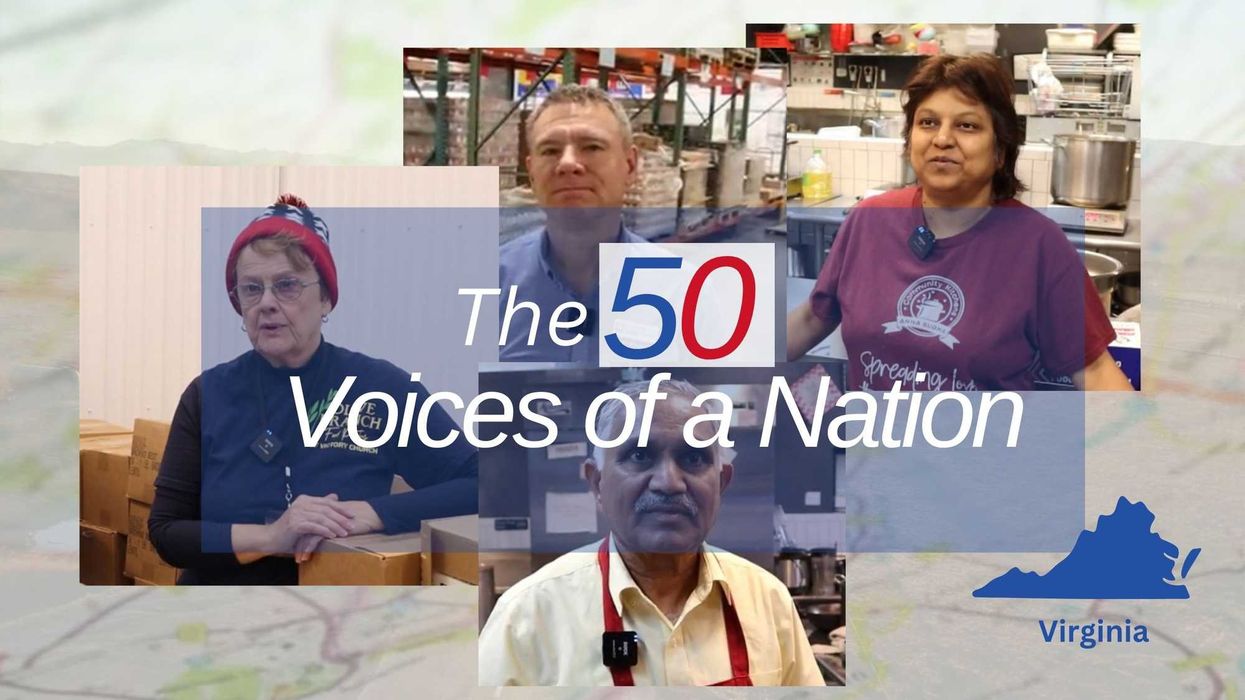
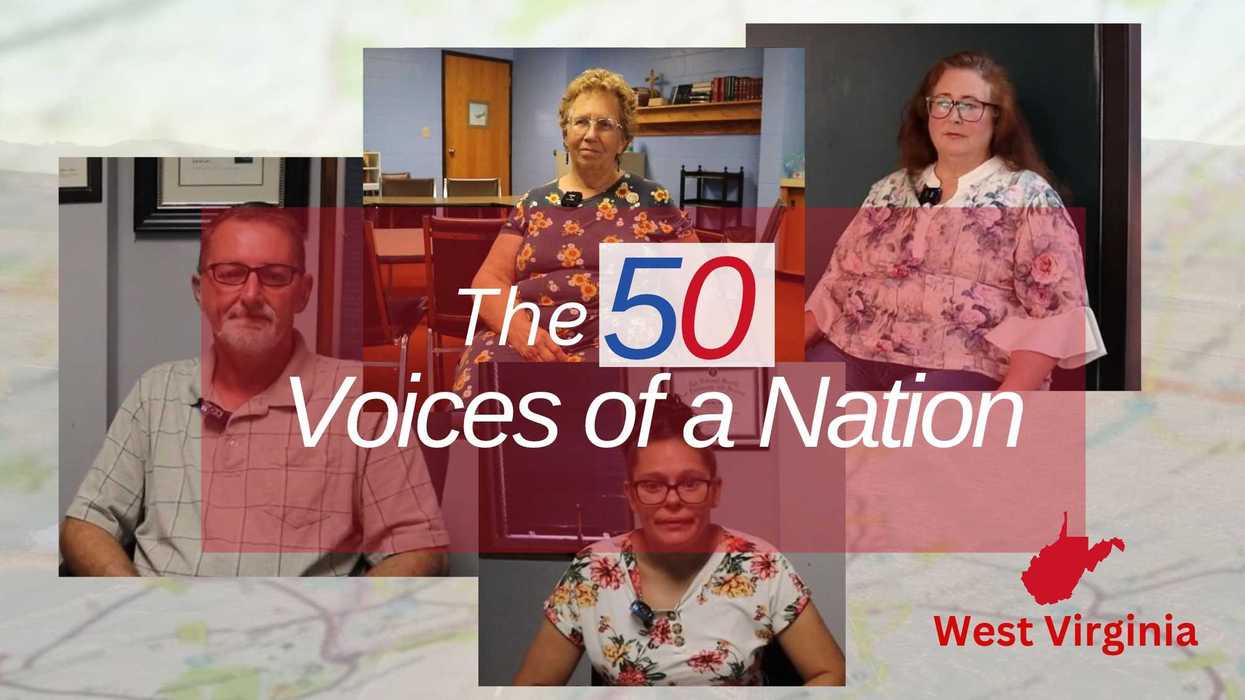
I spoke with Lisa Doyle-Parsons, executive director of the Circles Campaign of the Mid-Ohio Valley and co-chair of the project’s steering committee, for an episode of The Fulcrum's award-winning series The 50: Voices of a Nation, which explores how participation, representation, and trust are shaping civic life.
Doyle-Parsons, the finding came as no surprise. For years, her organization has worked alongside people rebuilding their lives from scratch after addiction—navigating poverty, housing shortages, and transportation barriers that persist long after treatment ends.
What surprised her, however, was who showed up to help fix it. "Getting the opportunity to work with organizations that we wouldn't necessarily have traditionally reached out to has been a great blessing because I'm a strong believer that we are better together," Doyle-Parsons said. "The entire community is better served when different organizations, different individuals with differing perspectives, values, and lived experiences come together to work together to resolve a community issue. I think we just get a much better, higher quality solution than you would otherwise without the input of a diverse group of individuals and organizations."
In Parkersburg, as in communities across the country, the conversation around addiction is often polarized. While many residents champion treatment and recovery programs, others have grown frustrated by visible homelessness, crime, and neighborhood safety concerns tied to active addiction—leading some to oppose new recovery services altogether.
Bridging that divide required shifting public perception just as much as expanding local resources.
Few understand that gap better than Jason Clarence Earl, a community organizer, AmeriCorps member, and recovery advocate who serves on the project’s steering committee and Lived Experience Council. Roughly three and a half years ago, Earl and his wife walked out of rehab sober—and homeless, having lost everything during active addiction.
Today, he uses his own journey to challenge stereotypes and show neighbors what long-term recovery looks like in action. Alongside fellow steering committee member Raeanna Lynn Earl, Jason has helped lead grassroots efforts ranging from anti-stigma campaigns to revitalizing the Discovery Garden, turning a neighborhood space into a hub for families.
For Raeanna, the breakthrough came when the recovery community invited the broader public in—openly and without apology.
"In that aspect of bringing people together, bringing the community and the recovery community together... do I think it's bridging a gap between people who saw us in a negative light? Yes, I do," she said. "We had a lot of people at our events that were not in recovery—they were just people in the community who wanted to bring their kids to a fishing event, and we clearly said that it was people in the recovery community putting it on, and they still brought their kids. We built some super relationships out of this project that are still ongoing, and I don't see an end to those relationships."
Those grassroots efforts were paired with institutional backing. Parkersburg City Council member Wendy Tuck, who co-led the steering committee alongside Doyle-Parsons, helped connect neighborhood voices directly to City Hall. Drawing on her background in social services, Tuck saw the project as a way to re-engage residents who had grown cynical about local government.
"I really wanted a way forward," Tuck said. "I wanted a way that we could strengthen our city council to work together more collaboratively. I wanted ways where people in neighborhoods who felt like, 'Why bother?' that they would feel heard and listened to and part of the solutions."
Tuck and local leaders quickly note that Parkersburg’s struggles did not happen in a vacuum. Economic downturns, gaps in mental health care, and the devastating wave of prescription opioids that targeted small Appalachian communities all compounded the crisis.
No single pilot program can erase decades of complex challenges overnight. Over the year, Parkersburg’s steering committee had to make tough choices—narrowing hundreds of resident ideas to actionable priorities focused on peer leadership, provider coordination, and reducing stigma.
Still, at this bend in the Ohio River, residents have built a working blueprint for civic trust. By trading assumptions for face-to-face conversation, Parkersburg is offering a quiet counter-narrative to a divided nation: progress doesn’t always start with agreeing on everything. Sometimes, it starts simply by showing up at the same table.
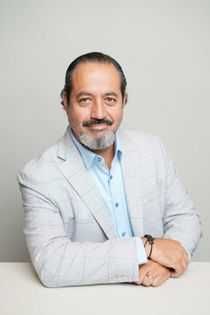
Hugo Balta is the executive editor of The Fulcrum and the publisher of the Latino News Network.
The 50 is a four-year multimedia initiative led by The Fulcrum, traveling to communities in every state to uncover what motivated Americans to vote in the 2024 presidential election. Through in-depth storytelling, the project examines how the Donald Trump administration is responding to those hopes and concerns—and highlights civic-focused organizations that inform, educate, and empower the public to take action.