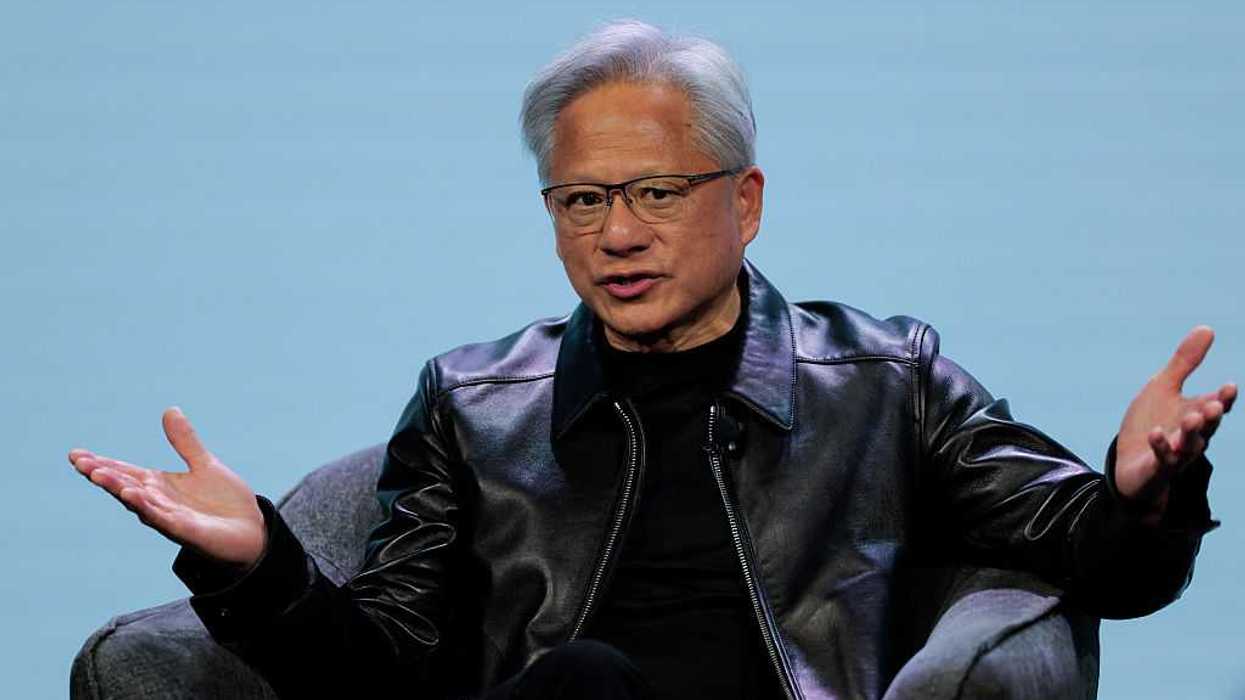

In corporate America, there are rules for the many, and then there are exceptions for the indispensable. Nvidia’s unanimous decision to reinstate Jensen Huang as chief executive officer—just 11 days after he resigned amid revelations of multiple extramarital affairs—is a blatant masterclass in ethical bankruptcy. It exposes a system where stock prices trump workplace protections, national security takes a backseat to market rallies, and the highest office in the land is used to cheerlead male chauvinism.
When Huang stepped down on November 12, it was not merely a matter of private infidelity. Reports revealed relationships not only with a businesswoman suspected by U.S. intelligence of spying for China, but also with Nvidia employees. Corporate policies prohibiting executives from dating subordinates do not exist to police morality; they exist to protect workers—overwhelmingly women—from coercion, retaliation, and hostile environments created by severe imbalances of power. By welcoming Huang back with open arms, Nvidia’s board sent an unmistakable message to every woman in its workforce and across Silicon Valley: your safety, dignity, and workplace protections are expendable the moment they inconvenience the bottom line.
Even more egregious is that Huang has been handed back the keys to a multi-trillion-dollar empire before the independent investigation into his conduct has even concluded. Ask yourself: would a female executive—or any mid-level male manager not deemed a "genius" critical to the AI boom—ever be reinstated while actively under investigation for workplace misconduct and potential foreign espionage? Of course not. They would be escorted out of the building, their careers permanently tarnished.
Yet Wall Street didn't blink. When Huang was forced to resign, investors panicked; the moment his reinstatement was announced, Nvidia’s stock surged by more than 30 percent, adding roughly $1 trillion in market value in a matter of hours. That euphoric market reaction lays bare the cold, unvarnished truth of unchecked capitalism. Accountability is a luxury reserved for people who don't move the S&P 500. When enough money is on the line, ethical guardrails vanish.
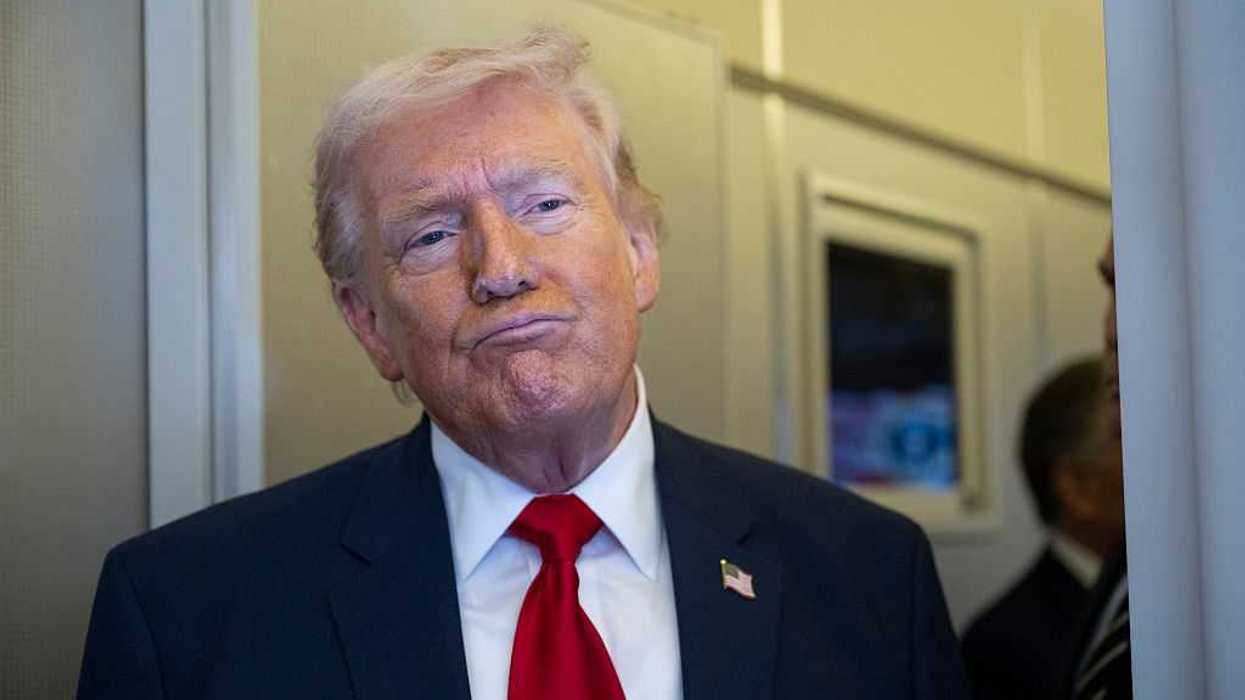
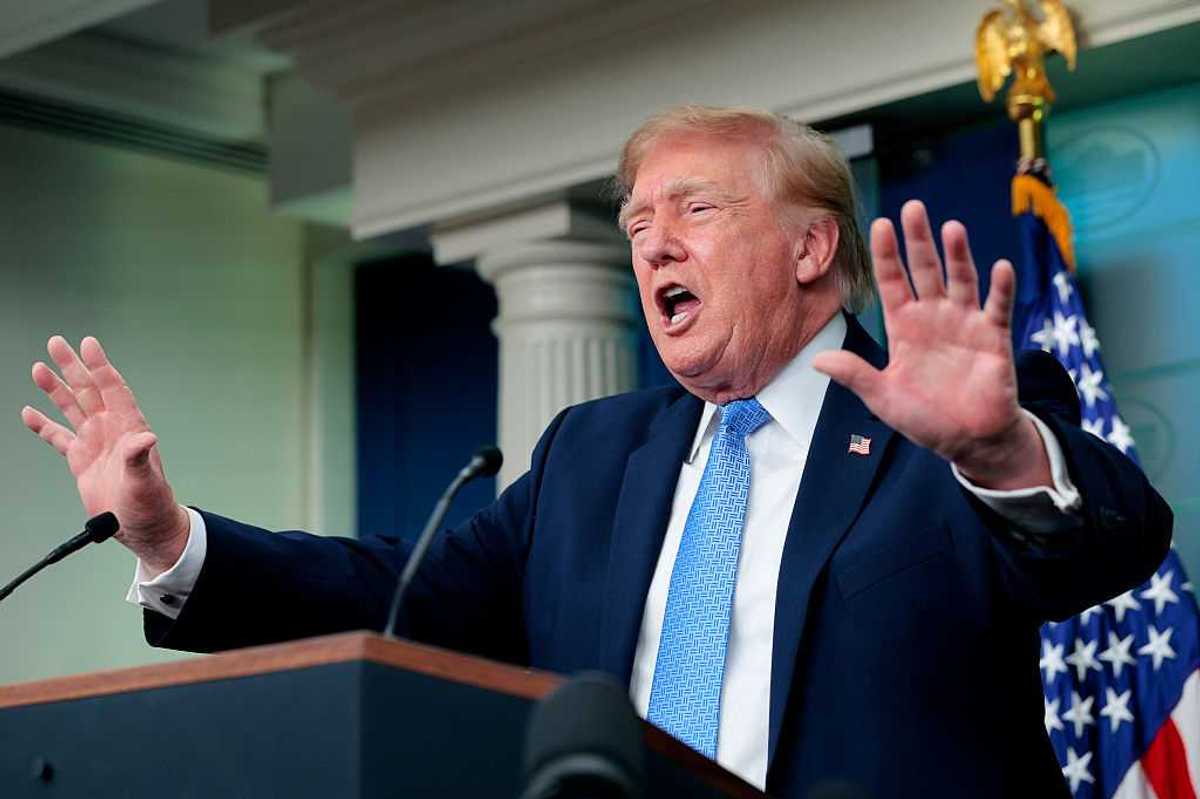
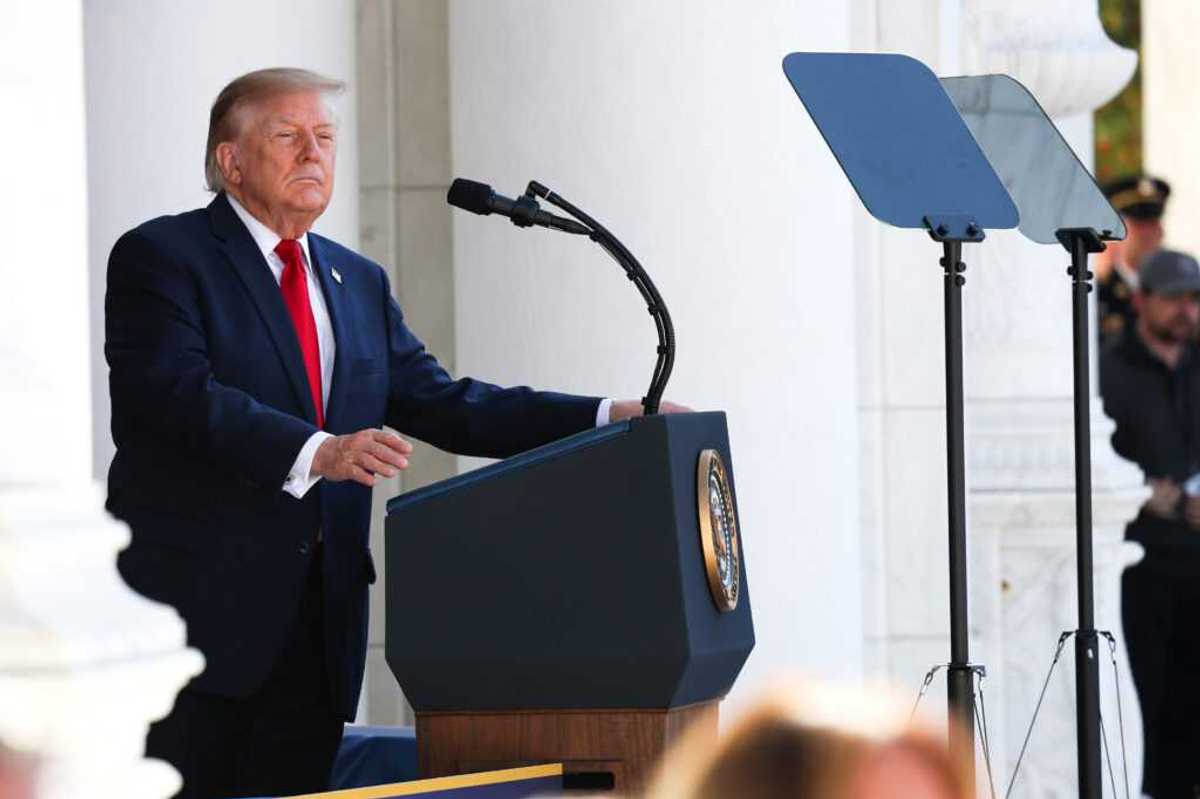
If the board’s cowardice wasn't enough, President Donald Trump’s direct intervention turned a corporate governance failure into a national disgrace. In what universe is it appropriate for the President of the United States to personally lobby a private company’s board to reverse a personnel decision—especially when U.S. intelligence agencies are actively investigating whether the CEO’s affair compromised sensitive semiconductor technology? Trump boasted that he "made the deal" to bring Huang back, brushing aside grave counterintelligence concerns while admitting he didn't even bother to raise the issue with Chinese President Xi Jinping during their recent meeting.
As if meddling in corporate governance and dismissing national security threats weren't enough, Trump punctuated the announcement by posting an AI-generated meme on Truth Social. The image swaps Huang’s bloodied face into the iconic photograph of Trump surviving the 2024 assassination attempt, complete with Huang triumphantly hoisting a red bra into the air. Calling Huang a "National Treasure" and telling CNBC that "sex sells, fellas", the president reduced serious allegations of workplace power abuse and foreign espionage to a locker-room punchline. It is a textbook display of male chauvinism from the bully pulpit, celebrating a powerful man dodging accountability for his personal recklessness.
Real leadership requires moral courage, not just market dominance. By putting profits over people, process, and national security, Nvidia’s board, Wall Street, and the White House have shown us exactly what they value. It is a rigged system where the powerful are insulated from consequences, women’s workplace protections are treated as optional, and everything—including integrity—is for sale.
Hugo Balta is the executive editor of The Fulcrum and the publisher of the Latino News Network,