



Steve Corbin is Professor Emeritus of Marketing, University of Northern Iowa
Charlie Chaplin once said, “A day without laughter is a day wasted.” Life around my Dad (Lester Corbin, 1909-2000) was filled with jokes, teasing and what became known as “Lester’isms.” Raised around the humor of Red Skelton, Redd Foxx, Jonathan Winters, Rodney Dangerfield, Richard Pryor, George Carlin, Laurel and Hardy, plus a subscription to MAD Magazine, I was programmed to seek out laughter.
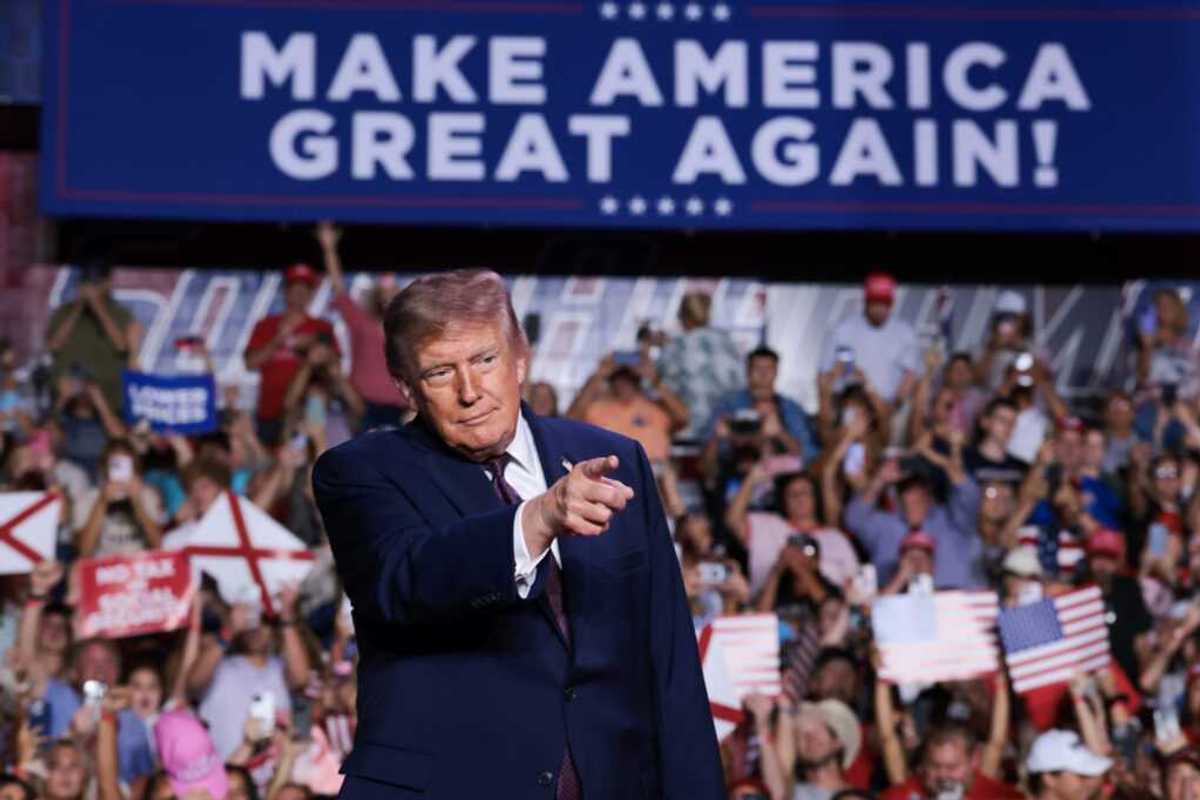
If these comedians were living today, their take on the GOP’s recent “cancel woke culture” would even make card-carrying Republicans laugh. There are over 400 companies, products and individuals GOP party leaders are calling for to be “canceled” (i.e., boycotted) because they either questioned Donald Trump’s leadership or took a stance on racism, sexuality, gender, race, diversity, equity, inclusion, social injustices, wellness and life balance that counters Republican values. Here are some examples:
- United, American and Delta Airlines? Canceled!
- Avis, Budget, Enterprise and Hertz car rental? Canceled!
- McDonalds, Starbucks, Chick-Fil-A, Cracker Barrel, Golden Corral, Taco Bell, IHOP and Red Lobster? Canceled!
- Sports lovers: NFL, NBA and MLB? Canceled!
- HBO and Netflix? Canceled!
- French fries? Yes, French fries. Canceled!
- Harley-Davidson? Couldn’t be canceled!
- Hershey, Procter & Gamble, Kelloggs, Nabisco, Coca-Cola and Pepsi-Cola? Canceled!
You just have to do an internet search on “list of things conservatives have canceled” as well as “Nebraska Taxpayers for Freedom.” Guaranteed, you will laugh.
It’s ironic the Republican Party purport to believe in free enterprise yet are opposed to corporations’ pro-environmental, pro-social and pro-governance (ESG) woke factors of running a successful business. Plus, GOP candidates must be oblivious to the fact that the majority of registered Republicans support corporations’ ESG endeavors (Center for American Progress Action Fund).
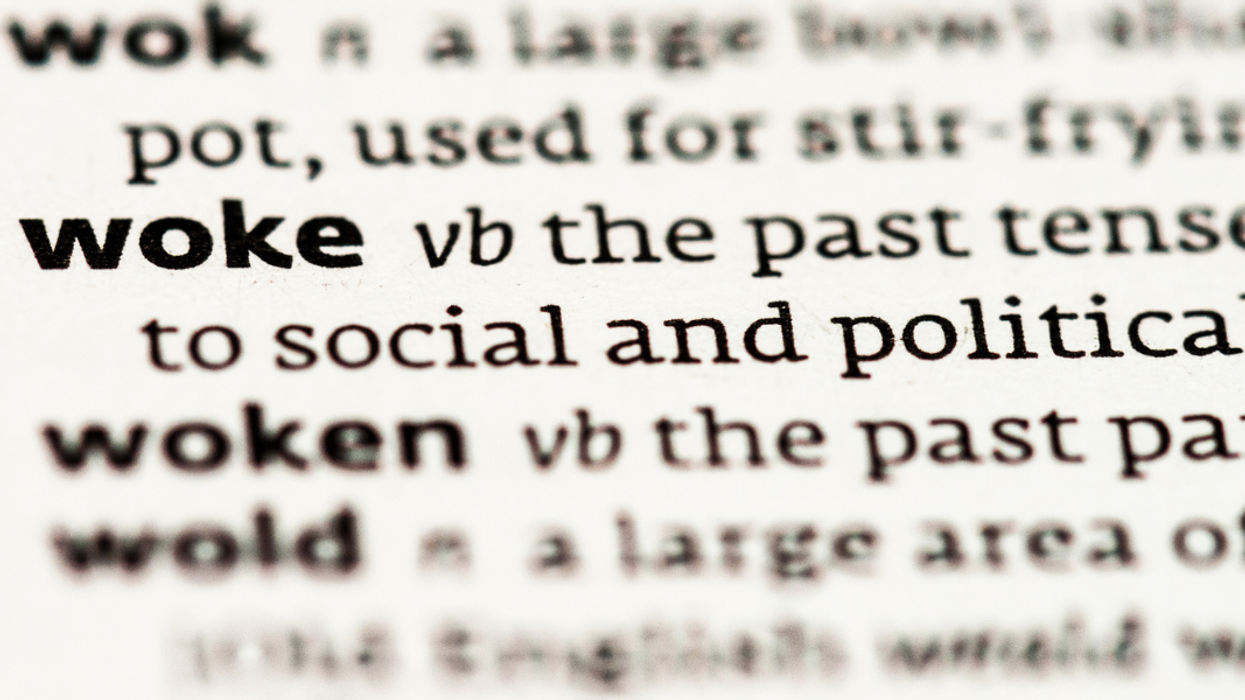
Merriam-Webster Dictionary defines “woke” as being “aware of and actively attentive to important facts and issues—especially issues of racial and social justice.” Being woke is about being alert to racial prejudice and discrimination, being vigilant toward social issues and challenging oppression.
Martin Luther King once said, “Our lives begin to end the day we become silent about things that matter.” Racial and social justice issues matter. For this reason alone, there is a “compelling case to be woke and choose growth.”
The younger strata of America (Millennials; ages 27-42 and Generation Z; ages 11-26) are America’s most pro-woke culturally aware group who are fighting for social justice, equal rights and equal opportunity. Next, they are the most active social media users who readily broadcast their fight against injustice, intolerance and discrimination. Finally, Millennials are the largest electorate population and the Gen. Z voter turnout in 2022 was higher than that of Gen. X’ers (43-58 age range) and Millennials.
Logic reasons that with the Republican Party touting their cancel woke culture belief, more young voters (ages 42 and under) will purposely avoid GOP candidates in the 2024 election. Voters older than 42 will soon – if not already – also rebel against the GOP’s cancel woke culture folly.
Which Republican presidential candidates support the cancel woke culture and aren’t grasping issues like gender pay gap, gender discrimination, racial inequality, racial injustice, LGBTQIA rights, sexual harassment, sexual assault, environmental and climate change, First Amendment rights, Nazi-like book banning, fair voter registration and unencumbered voting opportunity? They include former president Donald Trump, former vice-president Mike Pence, Gov. Ron DeSantis, Gov. Doug Burgum, former Gov. Nikki Haley, Sen. Tim Scott and Vivek Ramaswamy. Former New Jersey Gov. Chris Christie has rejected his GOP peers’ cultural war rhetoric.
The GOP’s 2020 presidential election campaign had no platform and we saw how that worked out. The Republicans’ 2024 cancel woke culture platform, which only 24% of Republican voters support, will be quite the joke come Nov. 5, 2024.
Americans must be compassionately woke to racial and social justice issues. Otherwise, you must be asleep. Are you woke or asleep?
References:
- Jordan Wolman, GOP’s `anti-woke’ campaigns have voters hitting snooze, Politico, Aug. 23, 2023
- Naia Toke, Wokeism: What does it mean, why is it important and why we need to support it, Diversity for Social Impact, July 13, 2023
- Nebraska Taxpayers for Freedom, https://www.netaxpayers.org/archives/4956, 2001-2023
- Shantini Rajasingam, Woke culture: The good, the bad and the ugly, The Karyawan, Oct. 15, 2021
- William S. Becker, Actually, it’s good to be woke, The Hill, Nov. 19, 2022
- Cathleen A. Cerny-Suelzer and Susan Hatters Friedman, Be woke, choose growth, Journal of the American Academy of Psychiatry and the Law, March, 2022
- Rex Huppke, The Republican Party has become the very cancel culture it presents to rail against, USA Today, May 7, 2023
- List of things Conservatives have “canceled,” https://www.thealmightyguru.com/Wiki/index.php?title=List_of_things_Conservatives_have_%22canceled%22
- Jonathan Weisman, Are G.O.P. voters tiring of the war on `wokeness’?, The New York Times, Aug. 6, 2023
- Kara Voght, Young Republicans are begging party elders to stop saying `woke’, Rolling Stone, March 5, 2023
- Fabiola Cineas, Where the war on woke goes from here, Vox, Sept. 1, 2023
- Philip Elliott, Some in GOP see `woke’ rhetoric as lazy. Then there’s Ron DeSantis, Time, June 7, 2023
- Patrick Coffee, Marketers maintain diversity focus despite outside pressures, lawsuits, The Wall Street Journal, Sept. 26, 2023
- Pew Research Center Staff, Americans, Politics and Social Media, Pew Research Center, Oct. 15, 2022
Disclosure: Steve is a non-paid freelance opinion editor and guest columnist contributor (circa 2013) to 172 newspapers in 32 states who receives no remuneration, funding or endorsement from any for-profit business, not-for-profit organization, political action committee or political party.












The President Invited Iran to Bomb My Home