

The Constitution divides power to protect the people. Political leaders can exploit division to gain power. In 2026, that strategy backfired.
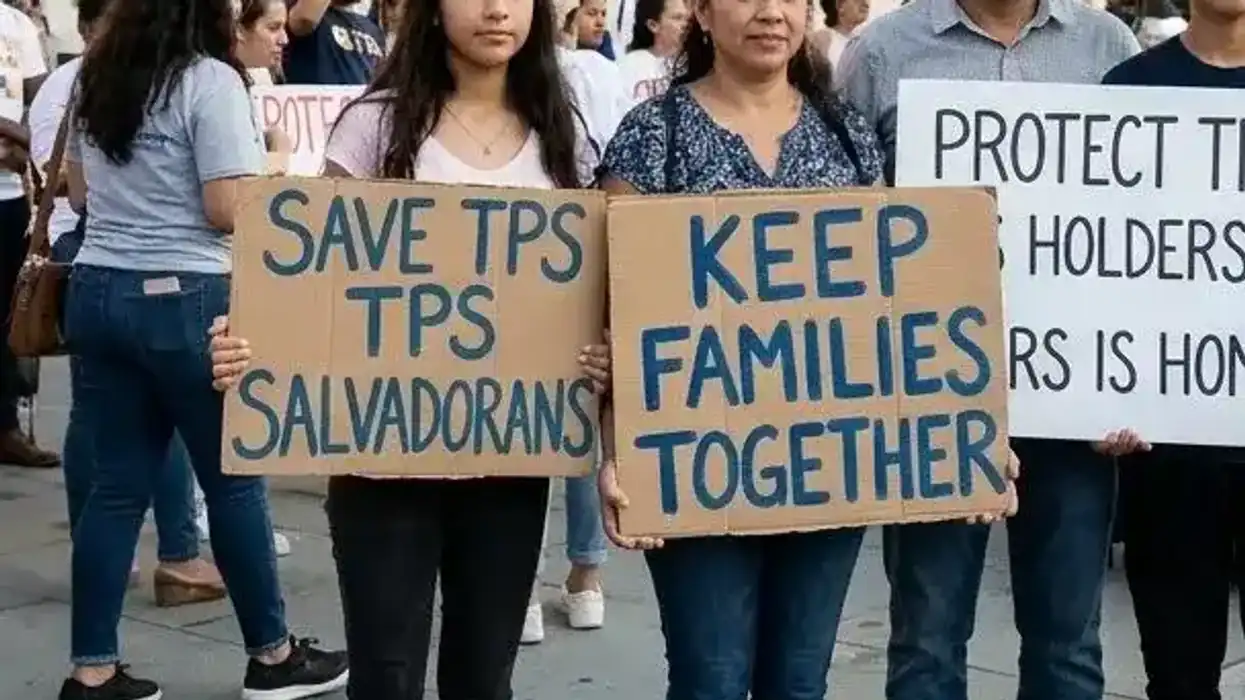
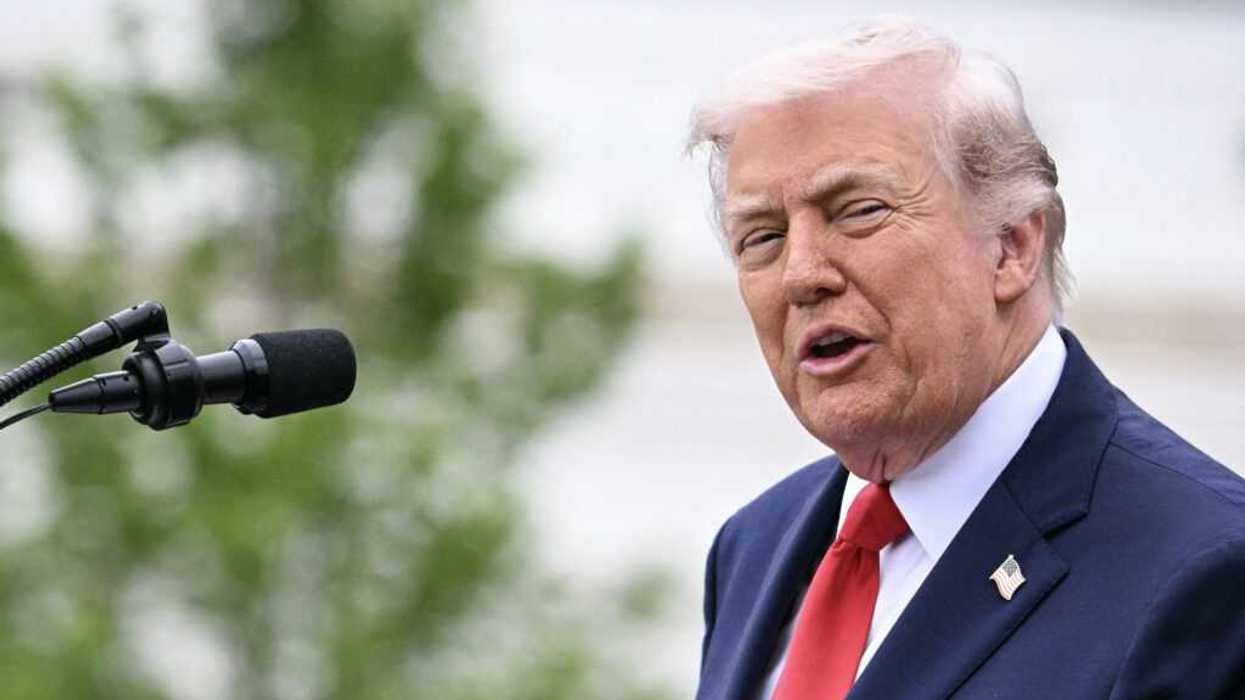
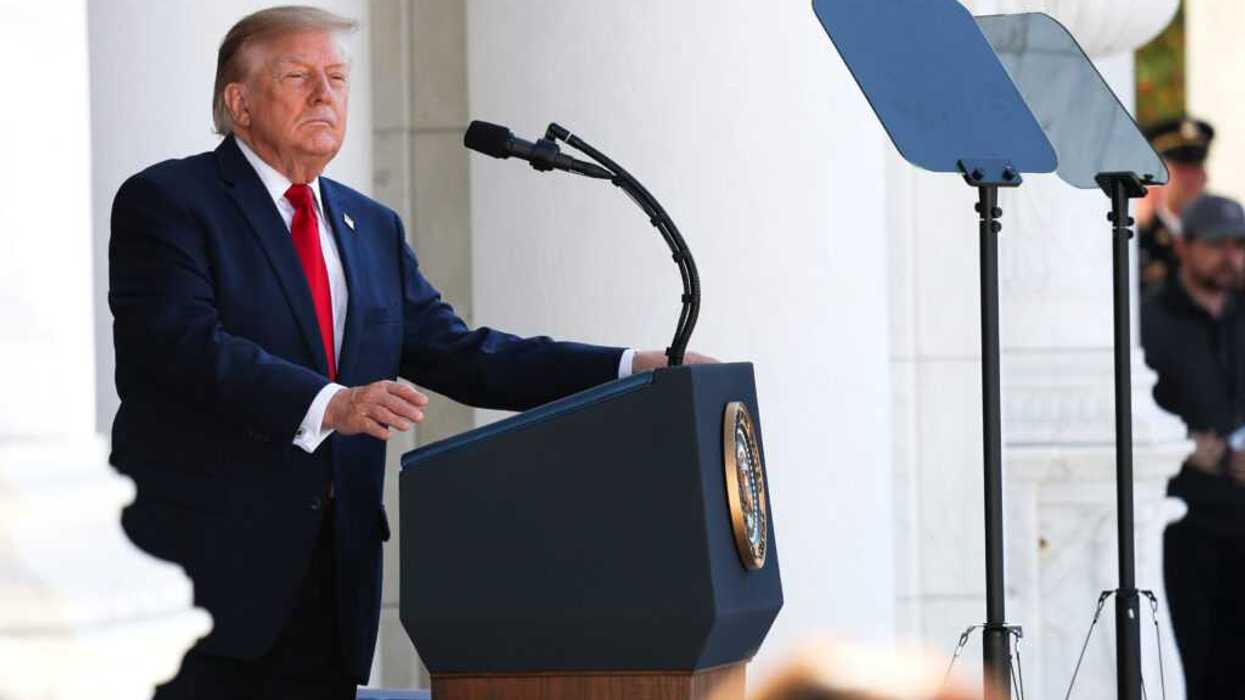
Trump did not create America’s divisions, but I believe he learned how to exploit them. Race, immigration, religion and party became convenient fault lines. Political opponents were increasingly treated as enemies rather than Americans with competing ideas. The Associated Press documented Trump and other Republican leaders repeatedly using communist and Marxist labels against Democrats during the midterm campaign.
Division can be politically useful. It can mobilize supporters and reinforce identity. Trump did more than exploit America’s divisions; in my view, he deepened them, repeatedly turning political, racial, cultural and religious differences into an “us versus them” strategy. But when people recognize shared interests and question whether division is improving their lives, a strategy intended to consolidate power can instead mobilize opposition. When maintaining division becomes more important than governing, leadership has failed.
On November 3, 2026, Americans answered.
We cannot know why every voter voted as he or she did, but the evidence tells us what mattered to many. The AP Voter Poll found the cost of living and government corruption weighing heavily on voters and a strong desire for Congress to check presidential power. About seven in ten said Congress was not doing enough to provide checks and balances on the presidency.
Americans were saying several things at once: Lower our costs. Address the war. Check excessive power. Listen to us. Stop working to divide us.
Corruption became another concern that crossed party lines. In September, Gallup found 89% of Americans considered government corruption widespread, including overwhelming majorities of Republicans, Democrats and independents. Americans may have disagreed over its causes, but the concern itself crossed party lines.
And here may be the deeper backfire: a politics built on emphasizing our differences forced the country to confront how much we still share. Grocery bills do not ask whether a family is Republican or Democratic. Americans can disagree profoundly about policy while still wanting economic security, affordable health care and government worthy of their trust.
Shared burdens began competing with manufactured divisions.
The backfire became tangible. At Trump’s urging, Republicans redrew congressional districts in eight states seeking an advantage that could help them retain their House majority. The strategy backfired. Republicans lost most Democratic-held seats they targeted, lost others they expected to retain and lost control of the House.
Black representation had also been threatened. In Alabama, redistricting reduced the Black voting-age population in Rep. Shomari Figures’ district from 49 percent to 40 percent. He won anyway.
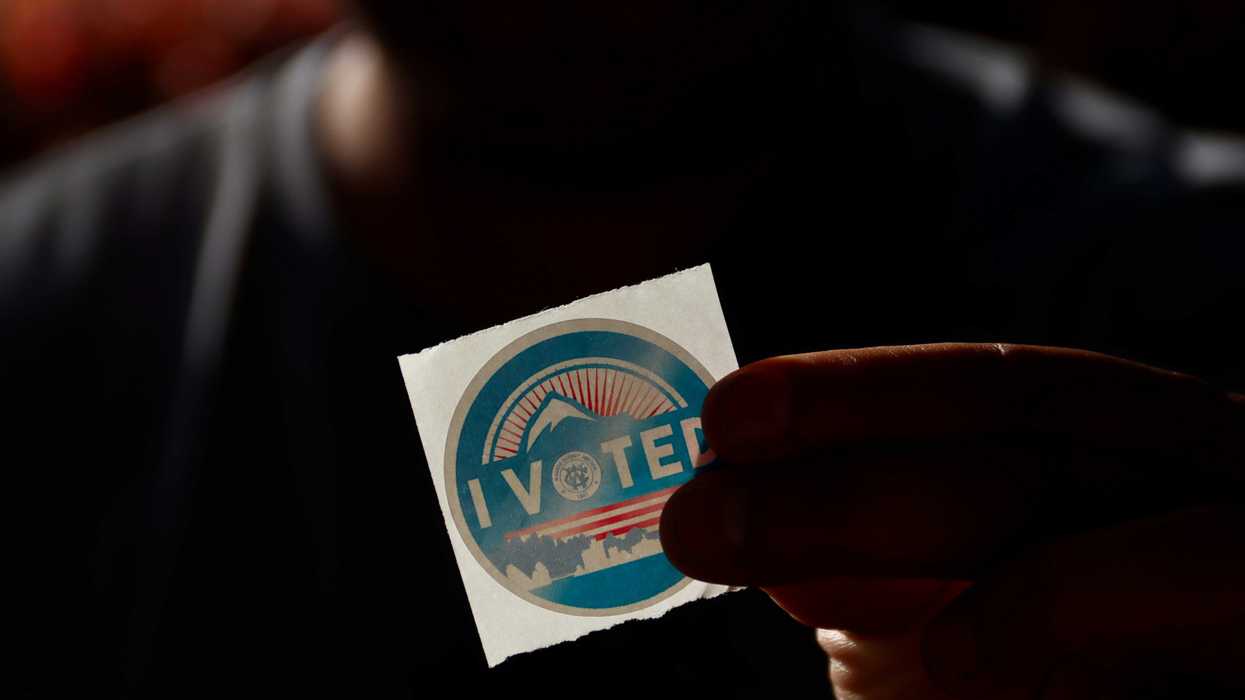
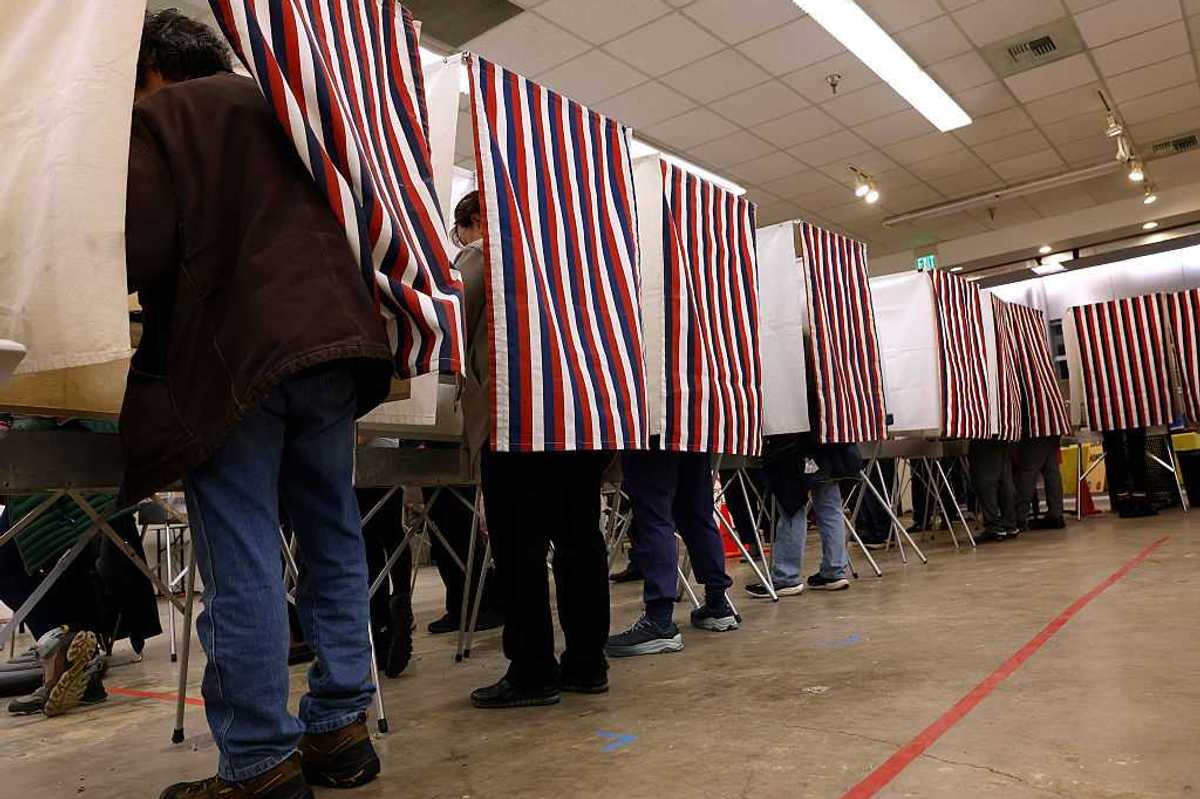
The lines moved. The voters moved too, toward the ballot box. That is what backfiring looks like in a participatory constitutional republic.
Then came another irony. A president’s pen could eliminate federal DEI programs. It could not eliminate America’s diversity. Voters elected the nation’s first Black woman governor, first Native American woman governor, first Native American woman U.S. senator and first Muslim American U.S. senator. Texas elected its first Latina governor, while California elected its first Latino governor in more than 150 years.
Diversity resurfaced without the president’s pen. It resurfaced through the ballots of We the People.
El-Sayed provided the clearest example. Trump called the Michigan Senate candidate a “jihadist,” said he was “on the side of the terrorists” and questioned his loyalty to America. Voters elected El-Sayed anyway, making him the nation’s first Muslim American senator. The politics of division told voters what to fear about him. Voters decided for themselves whom they wanted to represent them.
People are more than somebody else’s portrayal of them. Race, religion and ethnicity should neither qualify nor disqualify a candidate. Judge leaders by character, competence, policies, constitutional responsibility and service.
Yet the warning signs were there long before Election Day. Americans were struggling and making their concerns known. Public dissatisfaction was not noise; it was feedback. Yet too often, partisan politics and loyalty to the president seemed to matter more than listening to the people representatives were elected to serve. Their oath binds them to the U.S. Constitution, not to a president. Needs know no party lines. Effective leaders listen to the evidence, exercise independent judgment and change course when something is failing. When they do not, voters may change the course for them.
But an election is an evaluation, and evaluation means little without self-reflection. I learned that as a school leader. Once, I became so focused on meeting students’ needs that I failed to recognize some staff members needed additional skills to meet those same needs. I had to acknowledge what I had missed and provide training and support.
The goal did not change. My leadership had to.
Elected leaders need that same humility. They need not abandon their principles because voters reject their party. They must be willing to abandon strategies that are failing the people. Ask what went wrong, who was not heard, what the evidence shows and what must change. Without honest self-reflection, there can be no meaningful lessons learned.
The first post-election signs are troubling. After initially accepting the results, Trump again questioned the election's legitimacy without offering evidence. Denying the voters’ judgment is not learning from it.
So where do we go from here? Leaders should listen, govern and account. Listen beyond the political base. Govern for everyone, honor the constitutional oath and ground laws in credible evidence. Then account for results: explain consequential votes, accept oversight, admit what failed and correct it.
Democrats should understand that victory subjects them to the same standard. Winning transfers responsibility. It does not eliminate accountability.
Citizens have responsibilities too: learn, watch and participate. Follow roll-call votes. Compare promises with performance. Verify political claims. Contact representatives. Question our own political side as seriously as the other. Vote in every election. Political literacy is civic responsibility.
Americans chose change in 2026. But electoral change is not a cure unless those elected listen, govern and remain accountable to the people who put them in office. Elections can change political power overnight. They cannot erase fear, misinformation, resentment or distrust overnight.
The voters’ message went beyond changing parties. They wanted government to address their struggles, confront corruption and provide stronger checks on presidential power. They demanded accountability.
The answer to an election is not another conspiracy. It is to listen to the people, check power and govern.
No president owns America. No party does either. No election completes the work of a participatory constitutional republic.
That work belongs to We the People. Our votes demanded change. Our vigilance must demand accountability. And our work is just beginning.
____________________________________________________
Carolyn Goode is a retired educator and educational leader with experience in teaching, human relations, professional development and school leadership. She writes about leadership, equity and civic responsibility.