


The midterms seem to be adhering to a familiar script: the sitting president will be rebuked and the party in power will lose seats in Congress. There’s a blue wave coming. Or there’s a red undertow that will sink the GOP.
But look closer. Not everything is red and blue. Independent voters, independent candidates, and independent reform is surging. Even independent celebrities like Matthew McConaughey are stirring the pot!
Independents are demanding to be let into the party. And people are noticing.
The traditional understanding of independent voters as a passive category (undecided fence sitters) is making way for the grudging recognition that 48% of Americans identify as independent for a reason. They don’t trust the parties. They are suspicious of the politics of division. They hate the unwillingness of our rulers to listen to the American people.
34 years ago, Ross Perot mobilized 20 million Americans from both the left and the right to break with the two party system and vote independent. The major parties freaked out. They reacted by balancing the budget (good) and digging a deeper moat around their already well fortified duopoly (disastrous). This insulation has produced 30 years of deficit-fueled partisanship, massive policy blunders, graft and mismanagement with each party blaming the other for our woes.
This sub-par duopoly is being challenged by independents in multiple ways.
Independent candidates, independent voters, and independent reform is surging. It’s a decentralized surge, a movement not a party, and millions of Americans are participating.
Hundreds of independents are running for federal or statewide offices. And these are not your parents’ independents! As Sarah Zabel, an independent running for Congress in Idaho told NPR, “Independents used to be a curiosity or a protest or a single issue. Now, with the parties having gone to such extremes, independents are the necessary relief for the American voter.”
Candidates like Todd Achilles, Seth Bodnar, Brian Bangs, Dan Osborn, Robbie Mahrou, Kevin Kiley and hundreds more are not merely running as independents. They will, if elected, serve as independents. The Independent Leadership Council, Forward Party and others are working to create new infrastructure in DC so that people can serve their constituents, not dial for dollars for their parties. Think I’m exaggerating? Most members of Congress spend 30 hours a week as telemarketers.
There are also Democratic and Republican candidates like Rob Sand of Iowa who are independent in tone and sensibility but chose to run within the party system so they could have a better chance of winning.
What’s propelling these campaigns is the lack of genuine bipartisan competition in so much of the country, and the recognition that partisan candidates must bow down to special interest groups, not serve their constituents, to stay in office.
Independent voters are flexing their muscles as well. Every journalist in America knows that independents will decide which party controls Congress. But the coverage is going beyond the obvious. Reporters are catching on that Latinos and young people who voted for Trump in 2024 did not become Republicans; they stayed independent and are poised to deliver a message to the GOP. Will Democrats make the same mistake and think independents who vote for a Democrat in the midterms are now on team Blue? Most likely - but some Democrats are cautioning their colleagues against making this mistake.
Mike Madrid, co-founder of the Lincoln Project, highlights the growing clout of Latino independents in key states like Texas and California. His insight is that candidates who rely on blue or red dog whistles don’t resonate with Latinos. Candidates who grasp the pragmatic independence of Latino voters can win support.
Independent voters have decided election outcomes for a generation - that’s not new. What’s novel is the growing recognition that independents are not best understood as undecided voters. Rather, they’ve decided that there must be a better way to do politics. And more and more of them are rolling up their sleeves to create that better way.
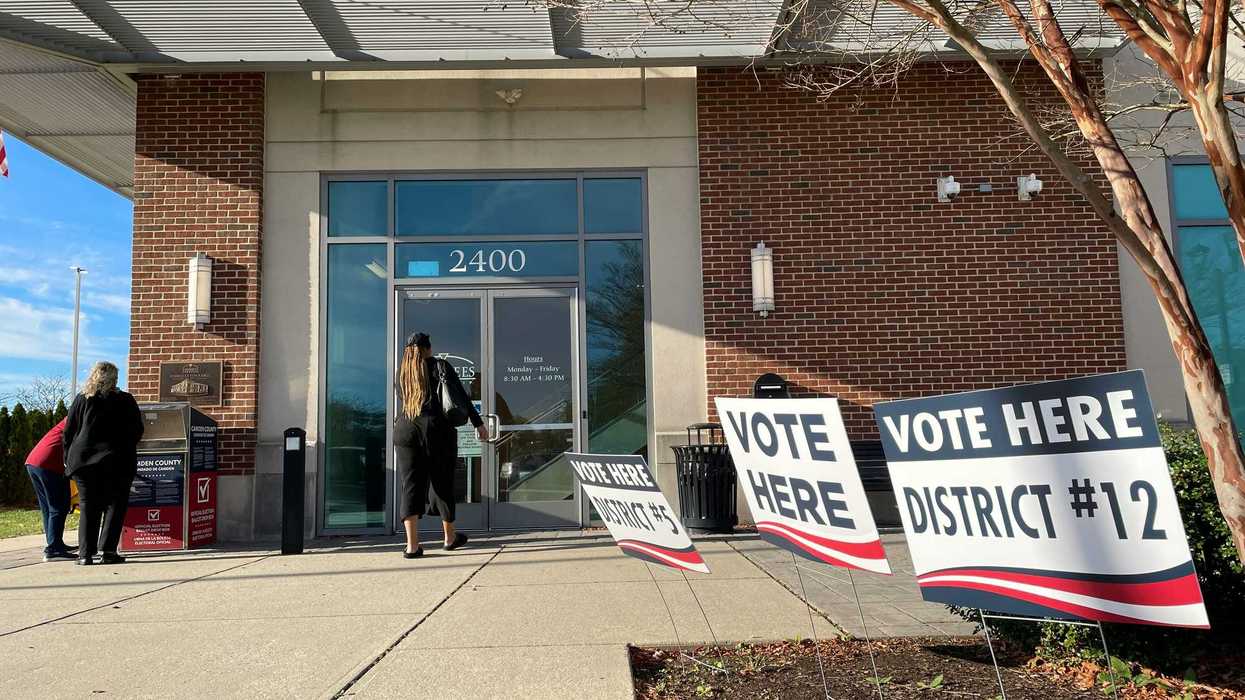
Finally, independents are fighting hard to gain full voting rights. Legal, legislative and/or ballot initiatives are underway in each of the 16 states that bar independents from voting in taxpayer funded primaries - and smart politicians from both parties are saying “we need to be on the right side of this.” But it is a two way street. Republicans in Texas, South Carolina and Alabama, and Democrats in California, New York, Maryland and Massachusetts are advancing efforts to reinstate or maintain restrictive closed systems.
Where they can vote, more independents are participating in primaries.
My organization, Open Primaries, ran an “independent to independent” grassroots public education campaign in New Mexico, which passed primary reform in 2024. 35% of the independents we reached with a simple message came out and voted, clear evidence that there is growing interest among independents in participating in round one.
In Tennessee, Best of Tennessee motivated tens of thousands of “general election only” voters to turn up on primary day - and they rewarded candidates who emphasized effective and responsive governance over partisan virtue signaling.
For many years, independents were voters pulling away. Now they are leaning in, recognizing the importance of participating in elections (primaries) dominated by small partisan factions, and supporting independents and pro-independent Democrats and Republicans for office.
In multiple ways, big and small, independent voters are demanding to be heard. Well funded red/blue warfare still dominates, but scratch the surface and you will find a growing independent movement building and creating.
Alright alright alright!
John Opdycke is the president of Open Primaries, a national election reform organization.