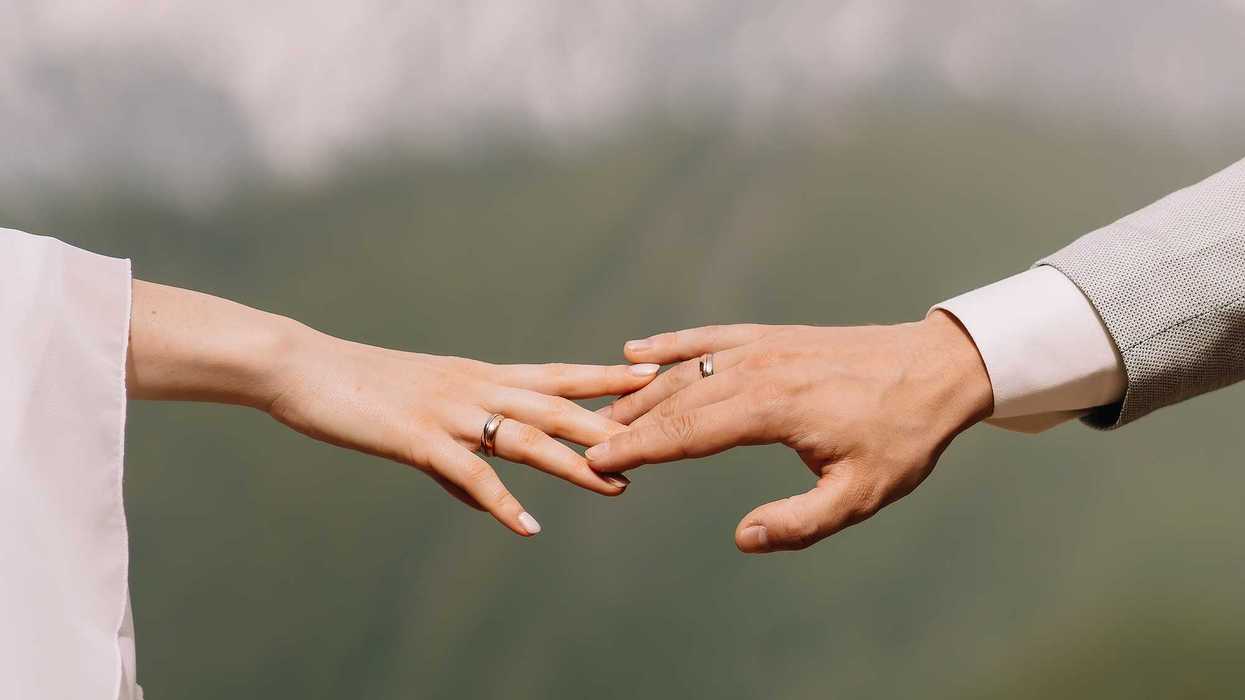

I’m getting married today. And I am 23 years old.
This is pretty young to get married. The average age to get married now is around 30, which is when my parents got married. So when Cupid’s arrow struck me in college, I was excited, but marriage wasn’t something I saw in my near future. There was always a taboo in my circles of even thinking about settling down in your twenties. But here I am.
As I get ready to walk down the aisle, I’ve been thinking a lot about what it takes to commit to something so big and uncertain, and I think our democracy is wrestling with the same question.
My mind changed on waiting to get married when I read Meg Jay’s The Defining Decade. My twenties were not a throw-away decade, but one where I needed to consciously build towards the life I want. As much uncertainty as there is in young adulthood, I knew one thing I could make certain—a person I could lean on and spend every moment with.
While I am excited to be getting married, I am a rarity among my friends. According to Barna, while Gen Z aspires to marriage, it’s coming later. Economic insecurity plays a large part in the decision to wait, and marriage is low on the list of markers for feeling like one has achieved the American Dream.
And I totally get it, finding your person and making this kind of commitment has gotten harder for our generation. For starters, we are more atomized. We don’t interact with each other (in real life, that is) as much as we used to, so we are less likely to be in situations where we would meet people we want to date. Our culture has also become more individualistic. This is not inherently bad, but when the social norm is not to compromise on your wishes at all, everything wrapped up in committing to life with another person becomes incompatible.
However, I think the biggest barrier is a larger fear of failure. What if our lives start looking different because we are with another person? What will others think if I start changing because of my relationship? What if we go all in with someone, and we still don’t achieve the American Dream? These are all questions I have found myself asking as my mostly single friends live out their twenties in the way I thought we all were supposed to.
Liking someone is easy. Committing to them is harder. And it is no coincidence that these are the same forces pulling us away from civic life. We don’t share civic spaces the way we used to. We’re taught that compromising on our politics is a betrayal. And we’re afraid of investing in a system that might not deliver for us.
People, especially older generations, tell us to get married for many reasons. You’ll be happier, wealthier, and can make starting and raising a family easier. But I want to give our generation a more real answer of why to get married: it’s strategic.
Getting married allows my now-husband and me to think big about the life we want to have. We’re going abroad for a few years, charting out grad school, and making daily decisions that support our professional and family goals. Not only do we have a teammate, but at 23, we have time on our side. We can more easily set long-term visions and plan toward them without feeling like we need to rush. And we have time for those plans to inevitably change. We are living a life we love and are growing into the life we have dreamed of—none of which we could do while just dating.
We are dating our democracy right now instead of marrying it. Almost a century ago, in The Public and Its Problems, John Dewey wrote about the affection and attachment we feel towards our country and fellow citizens. Affection is that feel-good, “U-S-A”, feeling where we love our country when things are good. Think about the rush of a high school crush or the honeymoon phase.
However, as we know, as good as that feeling might be, it doesn’t last and certainly does not carry you through hard times. That’s where attachment comes in. Attachment is the deep commitment kind of love. It’s a fifty-year marriage or the love you have for your home sports team that is never great (which I understand coming from a Carolina Panthers family).
For a country as large, ever-changing, and growing as the United States, attachment takes real practice. And affection only carries us when things are going our way, and we can’t let moments of high affection (like this one) keep us from developing attachment. We have been able to ride on affection for a long time, but it is not enough. Attachment will allow us to build things across decades, not election cycles.
My soon-to-be husband and I have spent the better part of a year preparing to get married, because it is not the same as dating. We talked ad nauseam about our goals, our pasts, and how we can get to the life we want.
I know our lives are going to be incredibly uncertain, but I know that I have someone I can rely on, especially when things get hard. That’s what vows are for. I don’t have to rely on affection because we’ve built the attachment.
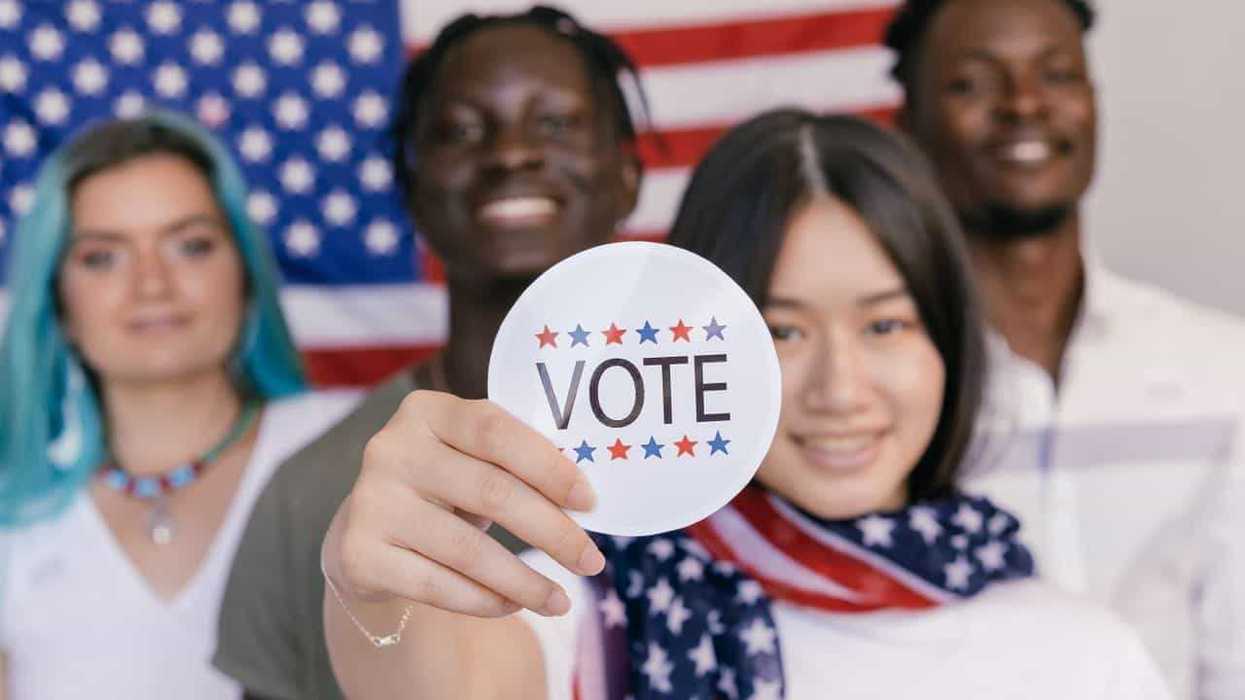
I think we need to make some vows to our democracy. Right now, it might be easy to miss because we are riding a wave. Our generation is coming into leadership, and they care about what we care about. We have a crush on democracy again, but we’re not married to it yet.
Right now, we need to talk about where we want to go as a country. We need to keep the energy and focus beyond the election season, and stay engaged to make sure that this new generation of leadership delivers. And we need to learn from the joy many of us felt showing up in-person for our communities. It’s not just voting and knocking doors; it’s farmer’s markets, community meetings, and talking to our neighbors in the years in between elections.
The future of this country will always be uncertain. That’s not a reason to wait. It’s the reason to vow to always be there.