

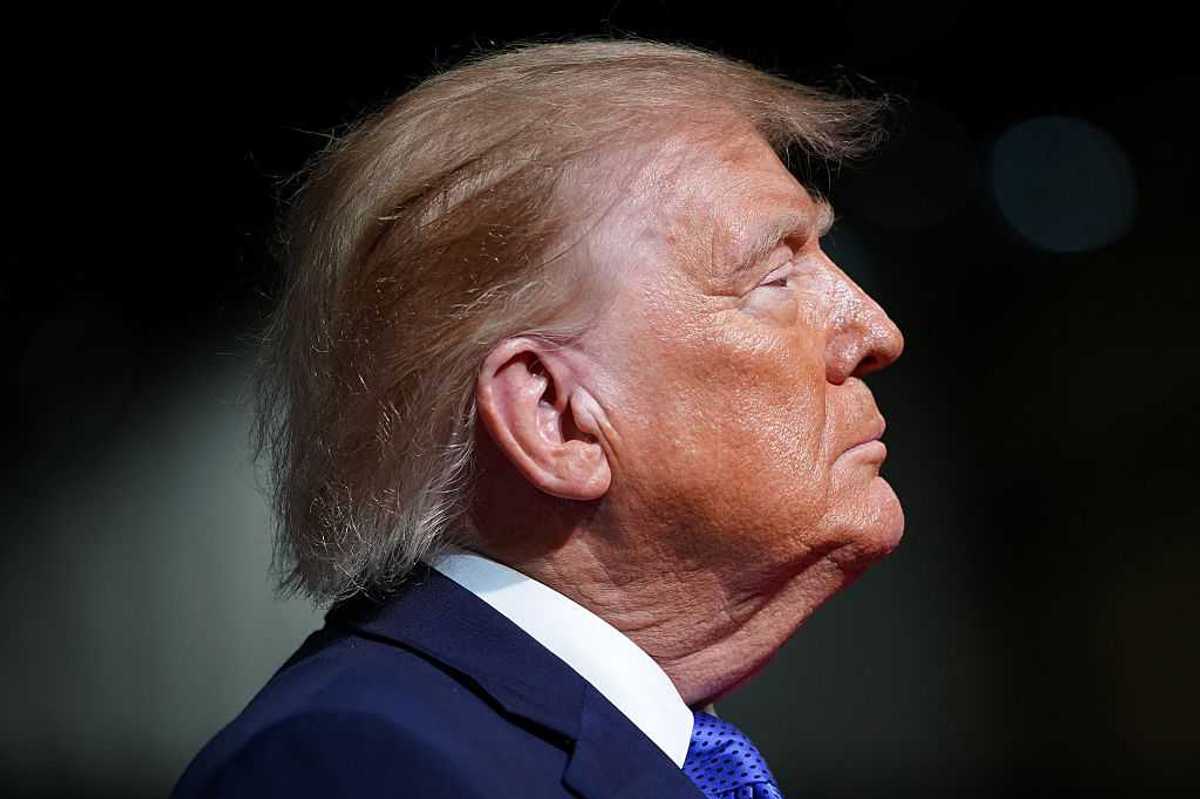

A recent CNN interview with Attorney General Todd Blanche ignited debate about the role of the Department of Justice after he said, "If you work in this administration, you have a lawyer. It's me, and we will defend you." He also argued that every attorney general represents members of an administration and suggested that the Constitution protects executive branch officials.
Here are the facts, the relevant constitutional provisions, and the key areas of nuance.
Fact #1: The Constitution Does Not Create the Office of Attorney General
The U.S. Constitution does not mention the attorney general, define the office's duties, or demand the attorney general to defend administration officials. Congress created the position in the Judiciary Act of 1789, and it later became the head of the Department of Justice.
Bottom line: The attorney general's responsibilities come primarily from federal statutes enacted by Congress, not from explicit constitutional text.
Fact #2: The Constitution Does Assign Law-Execution Responsibilities to the Executive Branch
Article II, Section 3 of the Constitution requires that the president "take Care that the Laws be faithfully executed." This is known as the Take Care Clause.
In practice, the Department of Justice and the attorney general help presidents carry out this constitutional responsibility.
Bottom line: The Constitution assigns law-execution duties to the president and executive branch, but it does not specifically state that the attorney general's constitutional duty is to defend administration officials.
Fact #3: The Department of Justice Often Defends Executive Branch Officials
Historically, the Department of Justice has frequently represented federal agencies and executive branch officials sued or called upon to defend official actions. Blanche's statement that attorneys general traditionally represent administration officials reflects a longstanding governmental practice.
However, that practice rests largely on statutes, regulations, and legal precedent rather than a constitutional provision specifically directing the attorney general to do so.
Bottom line: DOJ lawyers generally defend executive branch officials acting in their official capacities, but the Constitution does not expressly mandate that practice.
Fact #4: Congress Has Constitutional Oversight Powers
During the CNN interview, Dana Bash noted that congressional oversight constitutes a constitutional function. Courts and legal scholars have long recognized Congress's authority to conduct investigations and oversight as part of its legislative responsibilities.
Blanche responded that he welcomes legitimate oversight yet argued that threats of impeachment or investigations without factual basis go beyond proper oversight.
Blanche also declined to rule out potential investigations of members of Congress under certain circumstances. When asked whether Democratic lawmakers could face investigation based on statements they had made, he responded, "It depends on what's said. So yes ... there could be." Blanche added that while Americans enjoy free speech protections, "when the threats become so vile and so dangerous ... you have to draw the line." When Bash later referenced suggestions that some lawmakers could be imprisoned, Blanche again declined to categorically reject the possibility, saying, "Well, it depends on what the crime is and what they've done."
Bottom line: Congress has well-established oversight authority, but disagreements often arise over where oversight ends, and partisan investigation begins. Blanche's comments also highlighted a separate constitutional debate over when, if ever, elected officials' political rhetoric could become the subject of criminal investigation.
Fact #5: The Constitution Protects the Executive Branch, But Not from All Oversight
Blanche stated that "the Constitution absolutely protects members of the executive.
That statement is partially correct, but it requires context.
The Constitution establishes a separation of powers among the legislative, executive, and judicial branches. Courts have recognized various protections for the executive branch, including certain executive privileges and immunities under specific circumstances. At the same time, Congress can oversee executive branch officials, and courts can review their actions, and, in some cases, Congress can initiate impeachment proceedings.
Bottom line: The Constitution protects the executive branch's institutional interests, but those protections exist alongside Congress's oversight powers and the judiciary's authority to interpret the law.
Fact #6: The Attorney General's Client Is the United States
A common misconception is that the attorney general serves as a president's or administration official's personal lawyer.
The attorney general's ultimate responsibility is to represent the United States' interests and enforce federal law. While that commonly involves defending administration actions, the Department of Justice has declined to defend a policy, law, or official action when it concluded the position was unlawful or unconstitutional. [usconstitution.net]
Bottom line: The attorney general represents the government, not the personal interests of government officials.
The Verdict
The most accurate interpretation of Blanche's remarks is that the Constitution does not explicitly make it his job to defend administration officials. Rather, the Constitution places law-execution responsibilities within the executive branch, while federal statutes and longstanding practice assign the attorney general a central role in representing the executive branch and defending official government actions. [usconstitution.net], [law.cornell.edu], [whitehouse.gov]
In short, the Constitution does not say, "The attorney general shall defend members of the administration." Instead, it establishes an executive branch charged with faithfully executing the laws, a Congress empowered to conduct oversight, and a system of checks and balances that ensures continuing tension between those two responsibilities. [law.cornell.edu], [law.cornell.edu], [yahoo.com]
David Nevins is the publisher of The Fulcrum and co-founder and board chairman of the Bridge Alliance Education Fund.