


DEARBORN, Mich. — Three Michigan-based organizations—ACCESS, the University of Michigan‑Dearborn’s Civic Engagement programs, and Miigwech Inc.—are advancing a shared mission: strengthening civic participation and empowering communities through voter education, outreach, and culturally grounded engagement initiatives. Together, they are working across Southeast and Northern Michigan to ensure that residents, especially those from historically marginalized communities, have the knowledge, resources, and confidence to participate fully in democratic processes.
- YouTube youtu.be
ACCESS, founded in Dearborn in 1971, is the nation’s largest Arab American community nonprofit. The organization describes its mission as advancing “the health, economic, social, and cultural well-being of all communities regionally and nationwide” (ACCESS website).
"ACCESS really grew organically in that it was... as the needs of the community grew, ACCESS grew," said Rima Meroueh, Director, National Network for Arab American Communities (NNAAC). "The really interesting part is as it grew, there was this very... specific effort, strategic effort to not meet the community's needs in silos but rather think about... what is the ultimate place where community members want to be? What is it that we're trying to accomplish here?"
While ACCESS provides a wide range of social services, its longstanding commitment to empowerment and advocacy supports voter engagement efforts across Arab American and immigrant communities. Through public events, educational workshops, and community partnerships, ACCESS helps residents understand their rights and navigate civic systems.
Meroueh noted that one of the things ACCESS realized was that many people were coming to the U.S. in poverty. "When you come here, there are already systemic barriers in the U.S., and so we needed to be able to address those systemic barriers, not just put band-aids on whatever was happening in these individuals' families or individuals' lives," she said. "So ACCESS started really just thinking more broadly about how do we bring families out of poverty for more than one generation... That is really the essence of what ACCESS does. It's supporting families to be able not only to survive in the United States, but to thrive".
At the University of Michigan‑Dearborn, the Office of Student Life’s Civic Engagement program prepares students to become “active citizens who are committed to contributing to their local, national, and global communities” (UM‑Dearborn Civic Engagement website). The program offers leadership development, volunteer opportunities, resources for democratic engagement, and voter education tools. Students can access platforms such as BallotReady and Vote.org to research candidates, register to vote, request absentee ballots, and locate polling places.
"We focus on all aspects of democratic engagement. So voting education, voting registration, all of the things to get people ready to vote, excited to vote, and prepared to vote, said JaNai’ James, Civic Engagement Coordinator, UM-Dearborn Office of Student Life, about the Turn Up Turnout (TUT) program that centers on nonpartisan civic engagement for all interested students.
The university also hosts Civic Action Week, a campus-wide initiative that encourages students to reflect on their role in democracy and to participate in community-based projects that connect voting to broader social issues.
Students who lead TUT say they’re feeling the weight of a political climate defined by division and fatigue. They describe a growing desire to move beyond the polarization they see online and in national discourse, and to rebuild a sense of shared purpose with their peers.
"Civic engagement, especially in relation to democracy, is very important... specifically because we have a very diverse campus and people have very different opinions on things, and they all deserve to be heard in a way. They should know how to make their opinions have an impact, and I think the best way to do that is through voting," said Ishita Desai, Vice President, UM-Dearborn Turn Up Turnout.
Christian Grashorn, President of UM-Dearborn's TUT said, "It’s always been kind of well-known that students are lower turnout rates and I think that's something that can be addressed. So that's why I think our work is so important; just continuing to have student engagement, especially with the midterm election coming up. The more people we can get involved, the better. So I think it's great to have everyone's voice heard. Just because you're a student doesn't mean that you shouldn't have your voice. And I think it's very important for politicians especially to start tailoring their work towards students as well, not just the older people who are vote more."
Miigwech Inc., a tribally owned nonprofit based in Waganakising (Harbor Springs), integrates voter education and advocacy into its mission of promoting Mino‑Bimaadiziwin—“the good life”—through community development and healing.
"The basis of Miigwech is actually making sure that our community has what they need, " said Meredith Migizi, Executive Director and Founder of Miigwech Inc. "So whether that is someone who we're working with that has resources and we get to say 'miigwech' to them and they can say 'miigwech' to us, or community members who are looking for things and resources—whether those resources are education or practical resources." Migizi explained that miigwech in modern times means 'thank you,' but originally meant 'I have what I need.'
The organization’s work includes voter education workshops, organizing around voting rights, participation in county and state planning meetings, and advocacy against harmful policies affecting Indigenous communities. Its civic engagement efforts are grounded in the Anishinaabe Seven Grandfather Teachings, ensuring that voter empowerment is culturally rooted and intergenerational.
"I see tribal people starting to understand the connect that they can't just be involved in tribal politics. They have to walk in both worlds and start being involved in greater American democracy. Otherwise, they're going to start losing the rights as natives as a whole," she said.
Migizi explained the complex relationship between tribal nations and the United States government. "It's very, very hard in Michigan's Indian country... when you have folks from our community, our tribal community who repeatedly have had US policies take away their indigenity, take away their culture, their language, commit genocide... to then participate in a system as an active participant when forced citizenship happened,"
Although each organization serves distinct populations— Indigenous residents, Arab American communities, and university students—they share a common goal: strengthening democratic participation through education, empowerment, and community connection. Their combined efforts reflect a broader statewide movement to increase voter turnout, reduce barriers to participation, provide culturally relevant civic education, and encourage long-term civic responsibility.
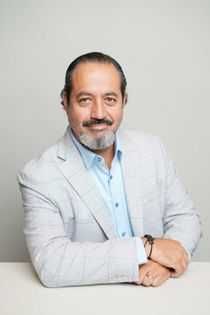
Hugo Balta is the executive editor of The Fulcrum and the publisher of the Latino News Network.
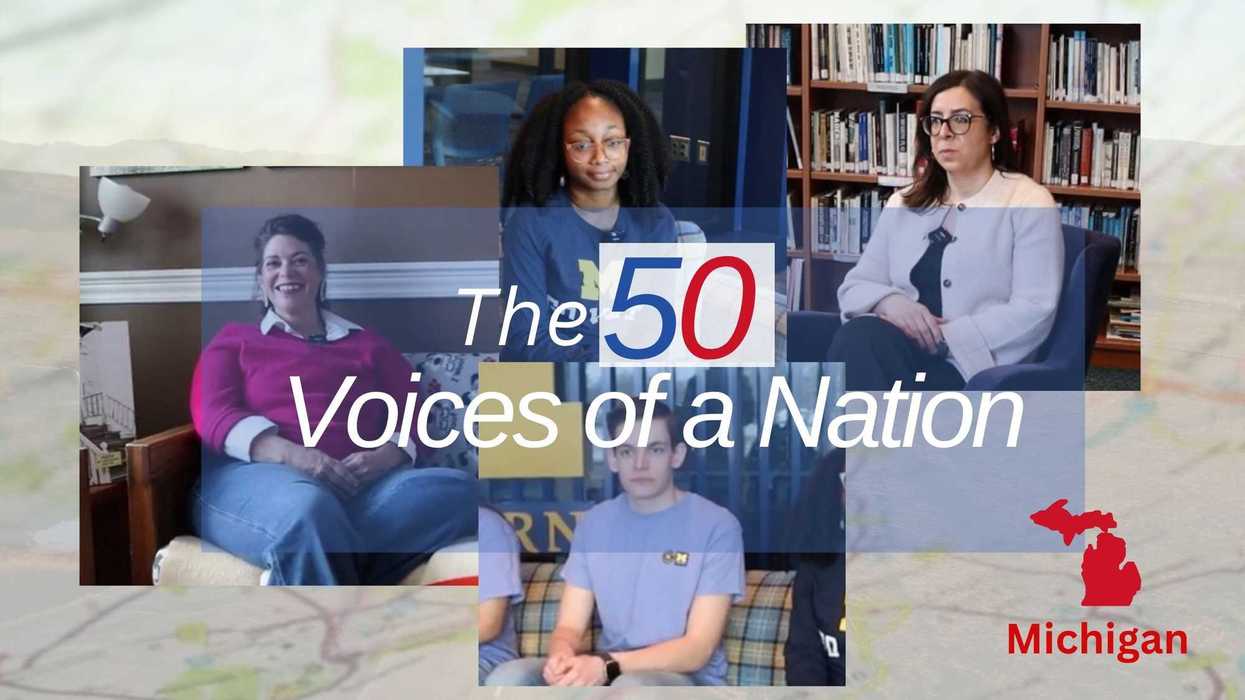
The 50 is a four-year multimedia initiative led by The Fulcrum, traveling to communities in every state to uncover what motivated Americans to vote in the 2024 presidential election. Through in-depth storytelling, the project examines how the Donald Trump administration is responding to those hopes and concerns—and highlights civic-focused organizations that inform, educate, and empower the public to take action.









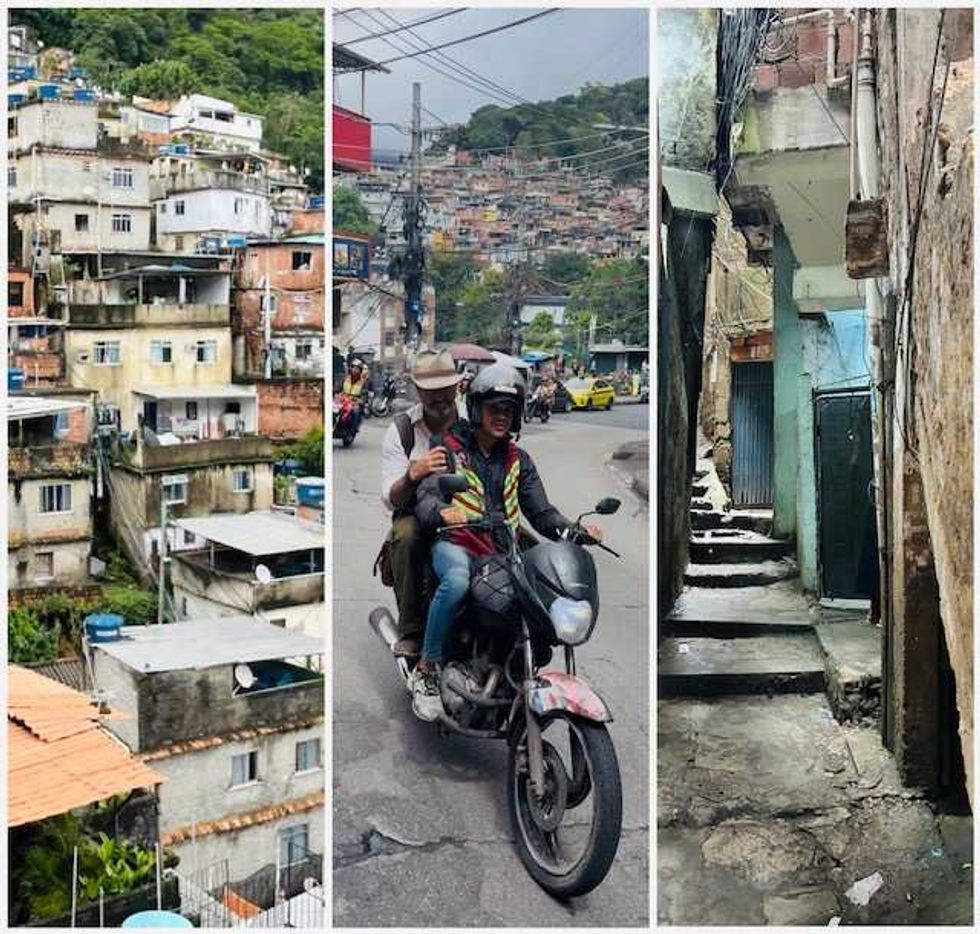 Scenes from Favela Rocinha, Brazil - (R-L) Rows of brick homes, Hugo Balta on a motorcycle taxi, and steep, winding roadsHugo Balta
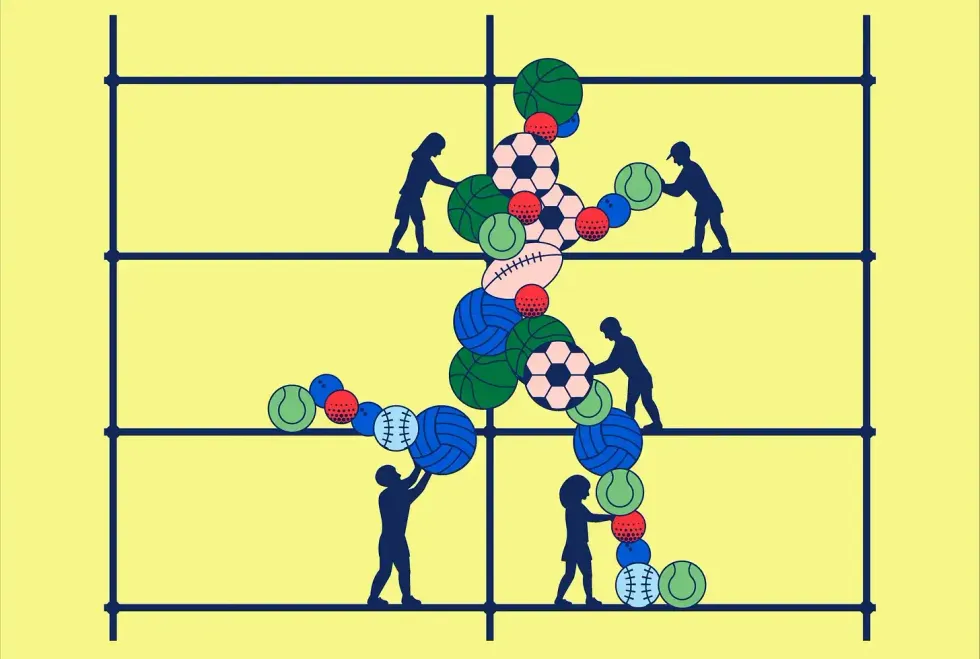 Following our HWF Civic Futures kickoff last week with Eric Liu, our design partners at Public/Official have created a unique visual to capture the “civic scaffolding” spirit of this conversation.
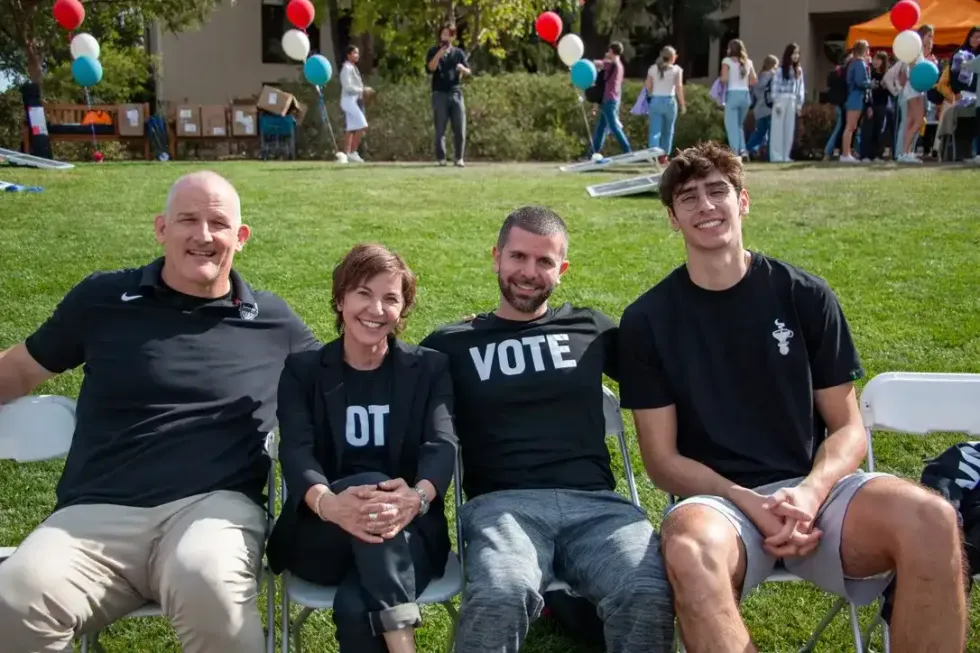 Lisa, Coaches Rev and Matt Elkin, and former Stanford Men’s Basketball star Maxime Raynaud at Stanford’s “All Vote No Play” Democracy Day, 2025