
“When you see something that is not right, not fair, not just, you have a moral obligation to do something.”John Lewis's words echo across this moment in American life because the responsibility he described no longer rests with parties or politicians. It rests with the people themselves.
Recently, a nurse shared a choice no family should have to make: pay for a needed surgery or replace the failing roof over their heads. That is not just a personal crisis. It is a civic one— a sign of what happens when institutions stop working for the people they were built to serve.
Two hundred and fifty years ago, the framers made a wager— not on presidents or parties, but on the people. They argued fiercely, yet built a Constitution rooted in one idea: power must remain with the people, and government exists only by their consent. That principle carried the nation through war, depression, corruption, and conflict because, in every crisis, the people stepped in to correct what institutions alone could not.
The framers believed the people would be the final safeguard when institutions failed. History proves they were right. From colonists resisting British overreach to Frederick Douglass demanding that the nation honor its ideals to the civil rights movement led by Martin Luther King Jr., change came not from the top down, but from people who acted when government would not. This is why only the people can save the Republic: every safeguard the framers built ultimately depends on them.
As the 250th anniversary of the Declaration of Independence approaches, the question is not what the Constitution says. The question is whether the people will still enforce it— and whether they will use their vote, judgment, and voice to preserve the Republic.
Across the country, Americans feel the strain. In red, blue, and purple states, people work harder while falling behind. Costs rise while wages fail to keep pace. Many watch billionaires receive tax advantages while working families feel squeezed.
People continue to share stories of struggle and feeling unheard. A friend on the East Coast captured their frustration best: if the government will not help, what are people supposed to do, and how long are they supposed to wait?
It is the right question. Because if people are waiting for the government alone to fix what they are living through, they may be waiting a long time. The framers never intended for them to wait. They intended for them to act.
Trust has eroded across institutions that once anchored the Republic. Confidence in Congress, the courts, and national leadership has fallen to historic lows. This is not confined to one party. Americans are signaling the same thing: something is not working.
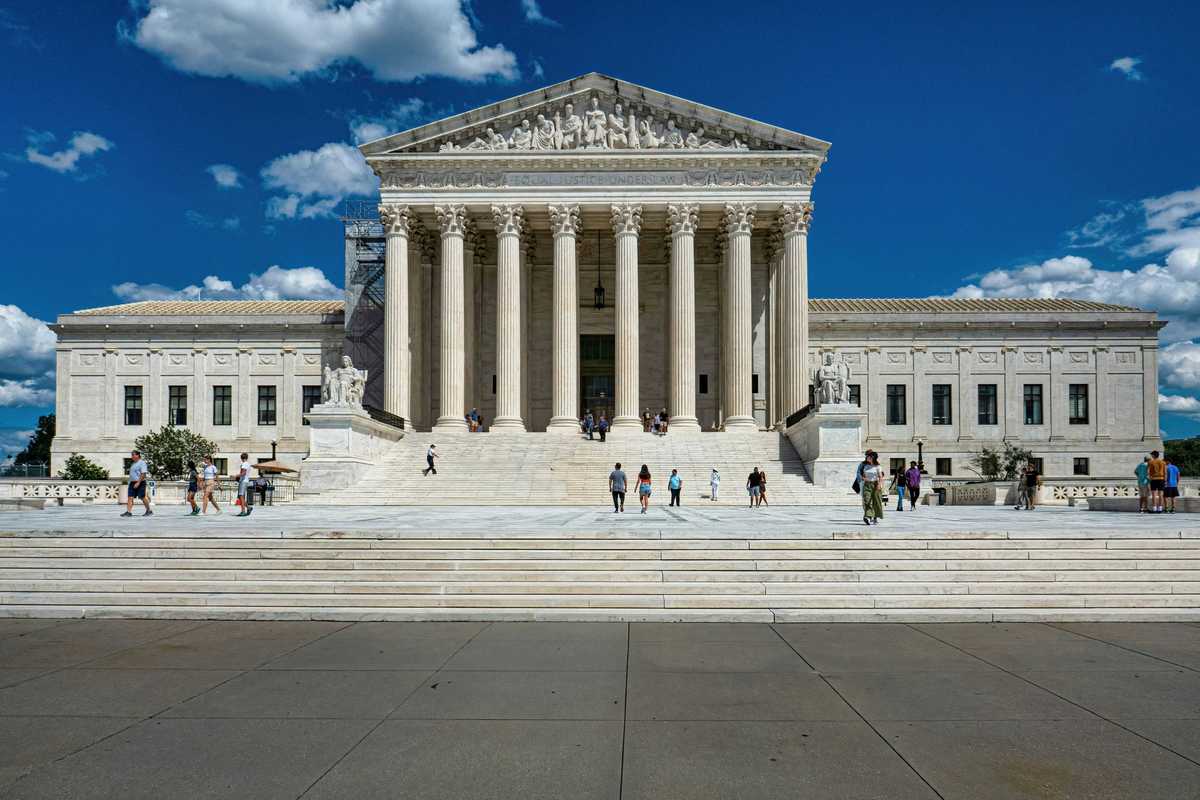
Many Americans feel that when they fight for their own freedoms, new obstacles are placed in their way. Voting- rights battles, redistricting fights, and political retaliation dominate the headlines. And millions watched the Supreme Court's recent voting‑rights decision and saw weakened protections, not strengthened ones.
Across states like Virginia, Tennessee, and Louisiana, rulings and political maneuvers have left people feeling that their voices are being narrowed rather than strengthened. These moments deepen the belief that institutions meant to protect are instead working against them — which is why the vote remains powerful, and why millions may feel compelled to vote beyond party lines to safeguard the Republic.
These moments deepen the belief that institutions meant to protect the people are instead working against them — which is why only the people can save the Republic. And when leaders fail to honor their oaths or protect rights, the framers left one safeguard: the people themselves.
Americans know the First Amendment protects free speech, a free press, and the right to challenge power. Yet many now fear that those protections are weakening.
People see the distance between promise and performance widening—on healthcare, costs, and transparency—and many feel misled and unprotected. What matters now is what people choose to do next. The framers did not design a system in which citizens follow; they designed one in which citizens act.
The people must save the Republic the same way they always have—by acting, not waiting. But their independence is under pressure. Voters are constantly told who to support and how to think by parties, media figures, and movements demanding loyalty. A vote is not loyalty. It is judgment. It belongs to the individual. No president, party, or movement has the right to claim it.
When people surrender their independence—when they vote out of habit, fear, or pressure rather than through evaluation—they weaken the system meant to protect them. And the more people speak independently, the more some leaders try to contain those voices. Many Americans now believe safeguarding the Republic will require collective action, not silence.
Division—especially around race, identity, and party—continues to pull Americans apart when unity is most needed. Division weakens people. And when people are divided, power shifts toward those who benefit from the chaos.
The Constitution begins with three words: “We the People.” Not we, the parties. Not we, the politicians. Not we, the donors. The people. The Republic’s future does not depend on whether leaders change. It depends on whether people reclaim their role as decision makers. It will take all of us, across red, blue, and purple America, acting together as one people to defend the Republic.
Americans still hold the most powerful tool the framers gave them: the ability to choose who represents them— and to remove those who do not. That power is practical. But it only works when it is used.
That means action— not later, but now.
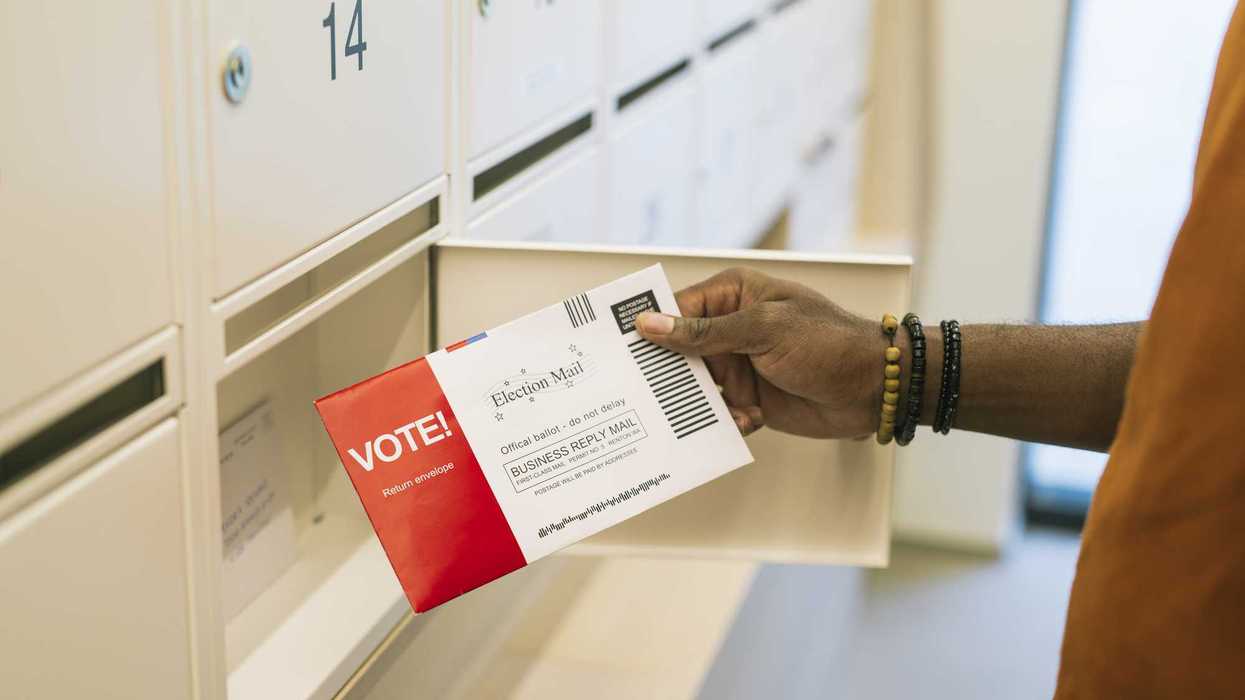
Check voter registration early. Secure any required documentation to vote. No eligible voter should be turned away because they lacked identification that could have been obtained months earlier.
Vote in the primaries, because that is where choices are narrowed. If people want different candidates in November, they must participate before Election Day.
Research candidates. Review your representatives’ voting records. Those records reveal who they serve and whether they deserve another term.
Refuse to let any leader— no matter how persuasive— decide your vote for you. Any leader demanding loyalty without results is not strengthening democracy; they are exploiting it.
There will always be money in politics. There will always be influence, messaging, and competing agendas. But money cannot vote. People do. Wealth can shape the conversation, but it cannot outnumber the public.
No institution corrects itself without pressure. No leader surrenders power without consequence. Change has never come from the top down. It has always come when people decide to act.
“Democracy is not a state. It is an act,” Lewis reminded us. And that act belongs to the people.
Americans continue to share stories of struggle and frustration. They are not asking for perfection. They are asking to matter again in the decisions that shape their lives.
That is where the future of this Republic will be decided. Not in speeches. Not in platforms. Not in promises. But in whether the people— those carrying these burdens and living these realities— choose to act.
The framers’ wager has not expired. It is being tested again in every household choosing between necessities, in every voter deciding whether to think independently, and in every citizen who still believes this Republic is worth saving. When institutions fail, the people remain the final safeguard.
And the future of this nation will not be decided by parties or politicians. It will be decided by people who refuse to remain silent, reclaim their power, and act.
Only the people can save this Republic— not the parties, not the politicians.
Carolyn Goode is a retired educational leader and national advocate for ethical leadership and civic renewal. She writes about democracy, constitutional responsibility, and the role of citizens in strengthening public life.