
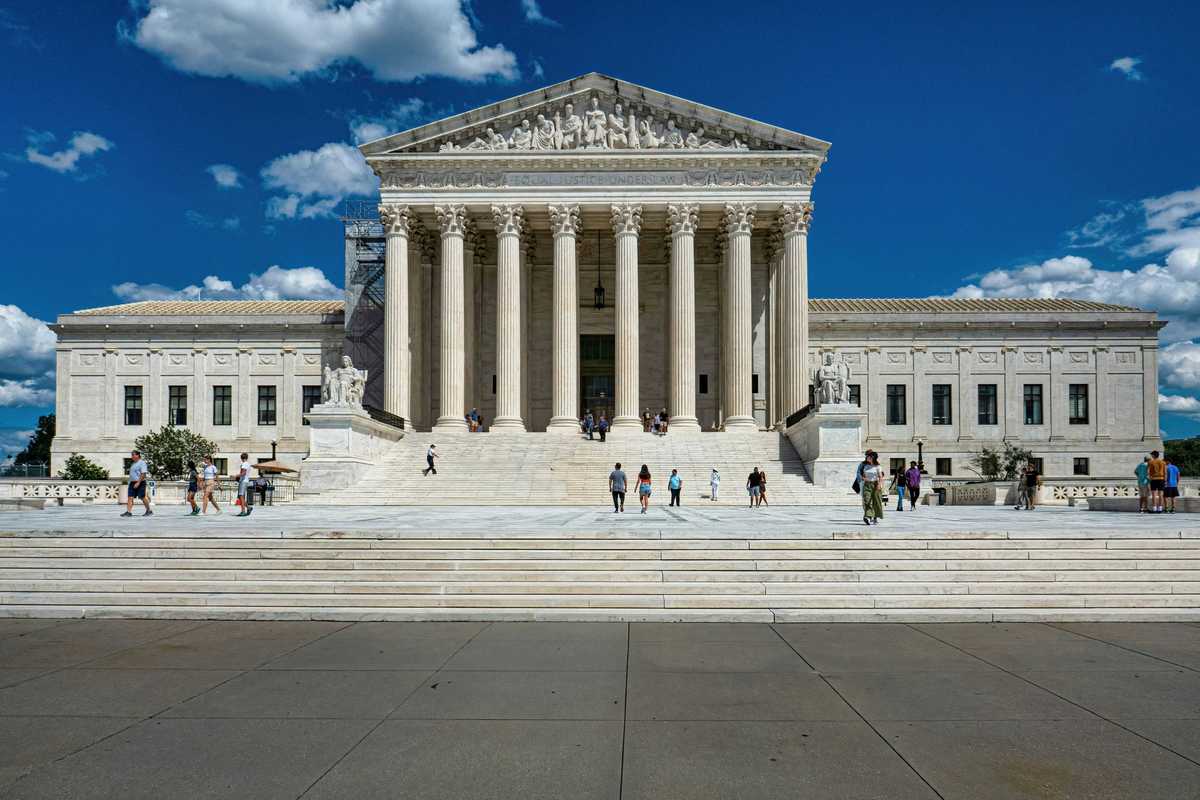


As the United States approaches both a consequential election cycle and the 250th anniversary of its founding, Americans stand at a crossroads the framers anticipated but hoped we would never reach: a moment when citizens must decide whether to allow the Republic to erode or restore it through vigilance. This is not about left or right. It is about whether we still share a common vision of the country we want to be — and whether we still believe in the same Republic.
The Founders never imagined “the land of the free” as a place dependent on benevolent leaders. They built a system in which the people — not the government — were the safeguards against overreach. James Madison warned that “the accumulation of all powers…in the same hands…may justly be pronounced the very definition of tyranny,” a reminder that freedom depends on restraint, not trust in any single individual. George Washington pledged that the Constitution would remain “the guide which I will never abandon,” signaling that loyalty to the Republic must always outweigh loyalty to any leader. These were not ceremonial lines. They were instructions — a blueprint for preventing institutional strain, polarization, and distrust we see today.
History is more than a record of dates and events. It is the nation’s common memory, the shared understanding that allows a democracy to function. Without it, citizens lose the reference points needed to recognize danger. The framers studied the collapse of ancient republics — from Rome to fragile city‑states of Europe — and understood how quickly liberty can erode when vigilance fades. History shows how democracies weaken when trust collapses, how polarization destabilizes nations, and how civil rights struggles strengthen the Republic. A deep understanding of our past is not abstract. It is a safeguard that keeps citizens informed, vigilant, and committed to principles that help them judge the present.
Across social media, Americans express frustration about leadership, war, economic pressures, and unkept promises. Polls show declining approval for the current president, and some voters who once supported him now express regret. One woman’s comment — “Apparently I’m an idiot” — reflects a broader shift: people are reassessing choices based on outcomes they did not expect. Her frustration is not foolishness; it is recognition. And recognition matters only if it leads to remembering how the Republic works and why patterns, once seen, must not be repeated.
What Americans must remember, during the Republic’s 250‑year mark, is that this nation was built on the idea that power rests with the people. The framers understood ambition, political pressure, and the temptation of unchecked authority. That is why they created a system of limits, accountability, and oversight. Remembering this history is not nostalgia — it is protection. When citizens forget how the Republic was designed to function, erosion begins: institutions weaken, leaders overreach, promises replace performance. Remembering restores clarity. It reminds voters to examine what leaders say and what they do — their roll-call votes, proposed legislation, and whether actions match commitments. It reminds them that unkept promises are not accidents; they are patterns. And patterns, if ignored, become consequences. History shows that when citizens ignore patterns, they often repeat them — and the consequences follow.
When I speak with young adults, I often ask them to consider why understanding our history and the framers’ intent matters in this election and in this 250th‑year celebration of the nation’s independence. I do not tell them what to think; I invite them to discover what’s at stake for the Republic. They always arrive at the same realization: that forgetting the lessons of our founding makes us vulnerable to repeating mistakes the framers warned against. Remembering is not passive — it is civic. It is how each generation protects the Republic it inherits.
Americans must also remember that they have a say in who campaigns for office. The names that appear on ballots do not arrive there by accident. Citizens influence who runs, who advances, and who represents them. When voters disengage from primaries, local elections, and candidate selection processes, they surrender that power. When they participate, they shape the choices the nation will face. The Republic is not only defended on Election Day — it is shaped before the ballots are printed.
For years, Americans have heard promises that never materialized — lower prices, affordable healthcare, no new-wars, protection for Social Security, and economic relief for working families. Yet roll‑call votes and proposed legislation often moved in the opposite direction. When actions contradict commitments, that is not a misstep. It is a pattern. And patterns, if ignored, become consequences. Voters must not repeat the cycle of supporting leaders whose legislative actions contradict their campaign promises. The Republic cannot survive on rhetoric; it survives on accountability.
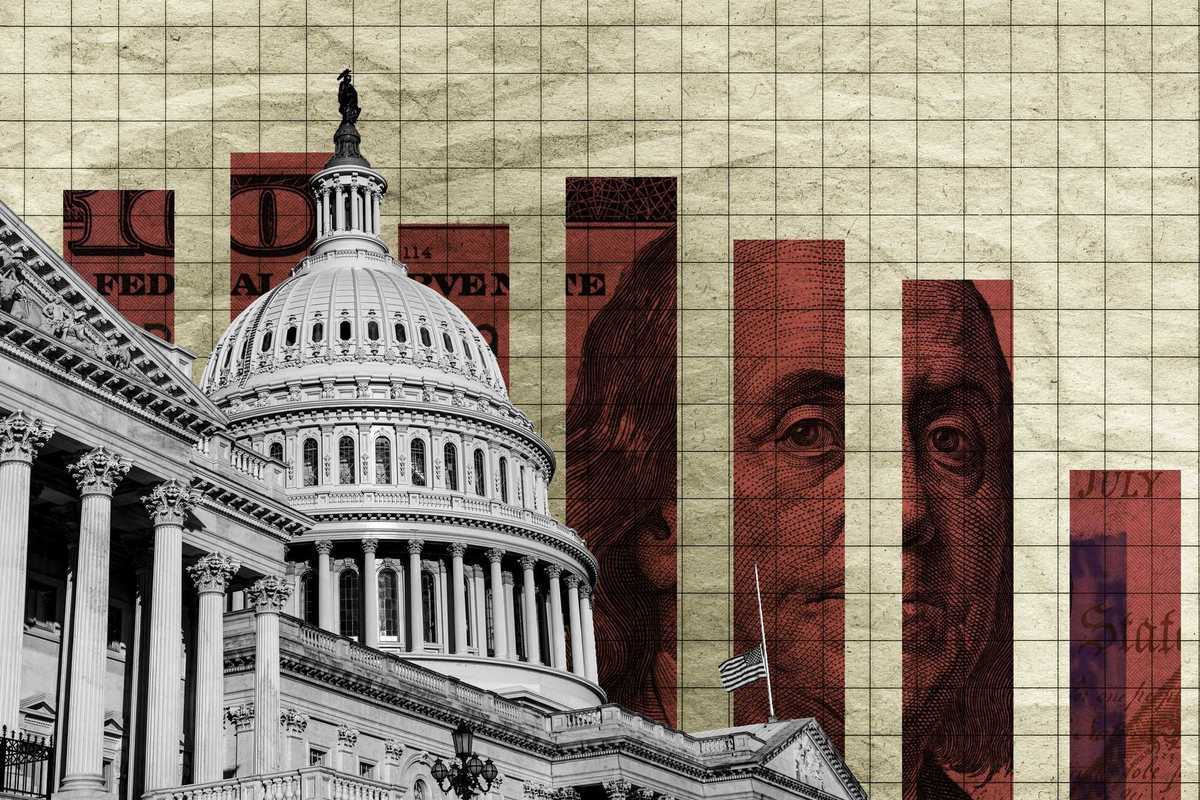
Americans still hold the most powerful tool in a democracy: the vote. Even in an era when billionaires can spend sums to influence elections, citizens are not powerless. Recent reporting has noted that wealthy individuals, including Elon Musk, have invested heavily to support political outcomes they prefer. Many Americans have watched this — feeling their struggles, rising costs, reduced services, and financial pressure, overshadowed by wealthy influence.
And we have seen how quickly norms can erode when leaders place themselves above institutions or when misinformation distorts public judgment. But the framers designed a system in which ordinary citizens, not billionaires, determine the nation’s direction. Citizens must not fear that their voices will be drowned out by money, nor should they believe that political spending can silence their vote. They can ask themselves the most fundamental civic question: Am I better off? And beyond personal circumstances, they can ask whether the Republic is stronger, more stable, and more faithful to its founding principles. Americans have overcome greater challenges than political money, and they can do it again — by voting not for personalities or promises, but for the Republic itself.
The contrast with the framers is striking. Despite deep disagreements, they debated, compromised, and crafted a durable Constitution. They anticipated human flaws and built guardrails accordingly. Today’s political climate lacks that spirit of compromise. Instead of negotiation, we see accusation and division. The framers would likely be concerned not with any single leader but with the erosion of civic responsibility and the public’s tolerance for dysfunction. They understood that the Republic would endure only if its citizens demanded accountability, upheld constitutional limits, and refused to normalize chaos.
As Americans prepare to vote, I hope they remember that the Republic depends not on loyalty to a party but on loyalty to the principles that sustain it. Stopping the erosion requires recommitting to constitutional guardrails, strengthening checks and balances, and demanding transparency from those who hold power. It means restoring civic education so future generations understand the principles they inherit and evaluating leadership through outcomes rather than rhetoric, using nonpartisan tools such as government data and inspector general reports. And it calls for supporting leaders who demonstrate civic virtue — humility, responsibility, and respect for constitutional limits — qualities essential to democratic life.
At 250 years, the Republic does not need perfection from its citizens — it needs memory, courage, and choice. If Americans remember who they are and choose leaders who honor the Constitution, the Republic endures. If they forget, the patterns return. The future is not predetermined. It is chosen — and the choosing belongs to us.
___________________________________________________________________________
Carolyn Goode is a retired educational leader and national advocate for ethical leadership and civic renewal. She writes about constitutional principles, civic responsibility, and the challenges facing American democracy.







The President Invited Iran to Bomb My Home