







The Fulcrum is proud to announce its six Summer 2026 Fulcrum Fellows, a cohort of emerging journalists who will participate in the organization’s 10‑week training program focused on solutions‑focused reporting and narrative complexity. The fellowship, which runs June 8–August 14, 2026, is part of The Fulcrum’s national NextGen initiative to expand opportunities for young reporters and strengthen journalism that moves beyond polarized storytelling.
The program—developed in partnership with the Latino News Network (LNN)—provides mentorship, newsroom experience, and publication opportunities for fellows committed to community‑centered reporting. The Fulcrum and LNN’s continued collaboration emphasizes elevating underrepresented voices and culturally nuanced storytelling.
Meet the 2026 Summer Fulcrum Fellows
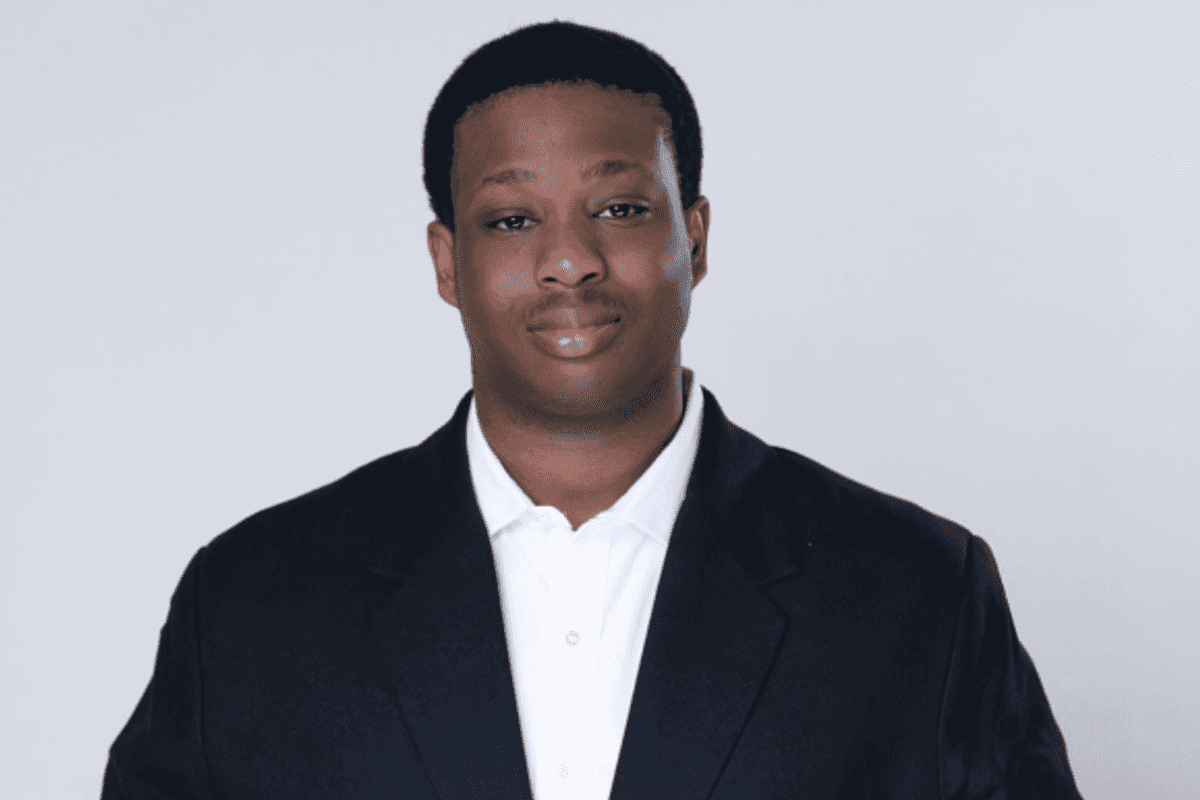 Kazon Allen
Kazon Allen
Kazon Allen, a broadcast journalism student at Florida A&M University, said he hopes to grow into a more in‑depth storyteller with the power to inform the public and elevate voices that often go unheard. He explained that the Fulcrum Fellowship felt like a natural next step in his development as a journalist. “I applied to the fellowship to strengthen my journalism skills and continue growing as a storyteller. I’ve been studying communication and journalism from high school through college, and through this opportunity, I hope to advance my storytelling, gain new skills, and expand my opportunities as an upcoming journalist,” he said.
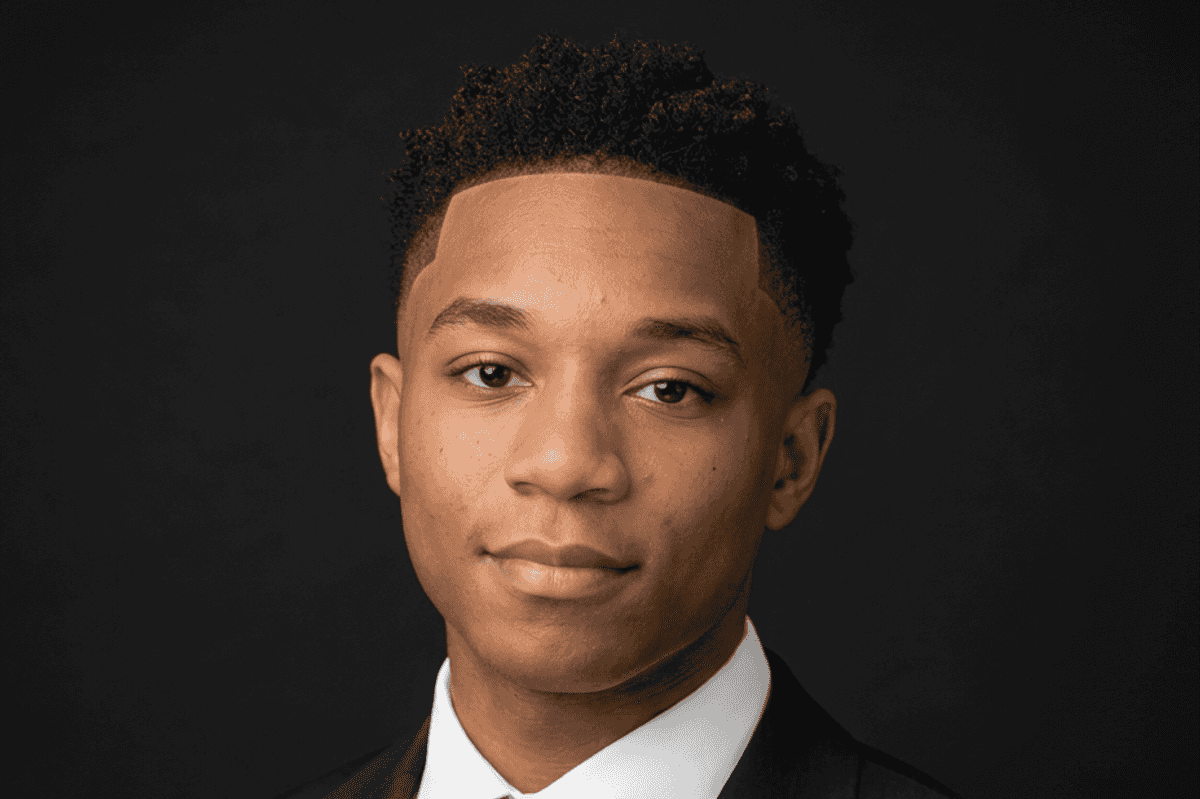 Shon Eric Hernandez
Shon Eric Hernandez
Shon Eric Hernandez, a journalism major at the University of Massachusetts Amherst, is interested in the intersections of media, politics, and entertainment. He said he is eager to deepen his understanding of solutions‑focused reporting—journalism that not only identifies problems but also examines how they can be addressed. “I want to move from critiquing media to practicing solutions‑focused reporting,” he said. “Through this experience, I hope to strengthen my investigative reporting, source‑building, and narrative skills so I can tell stories that critically examine problems and help readers become better informed and empowered.”
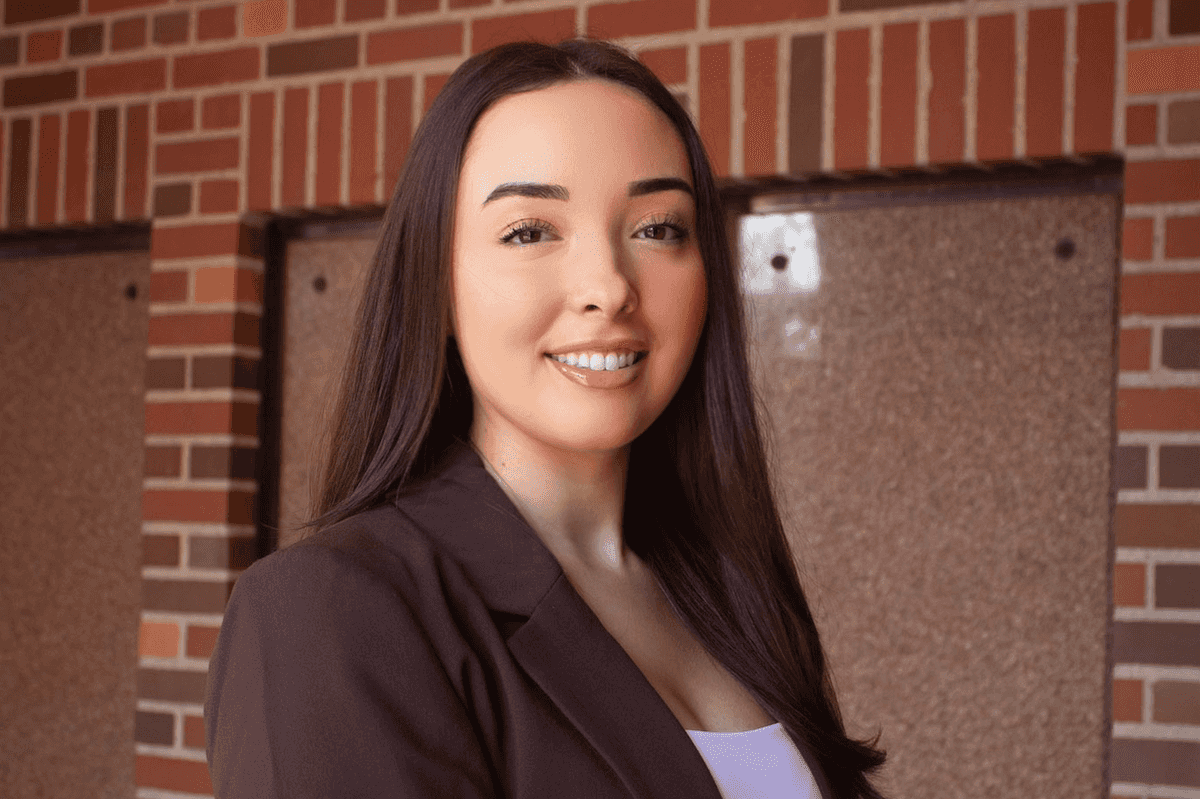 Daniela Mattson
Daniela Mattson
Daniela Mattson, a journalism student at the University of Southern California, said she is eager to grow through mentorship from The Fulcrum’s editorial team and to further strengthen her reporting grounded in accuracy and ethics. "Through the fellowship, I hope to build meaningful connections with fellow student journalists and professional mentors who will push the boundaries of my storytelling and encourage me to do my best work," she said. "I look forward to being part of a community of journalists who understand and value the importance of ethical and impactful storytelling.”
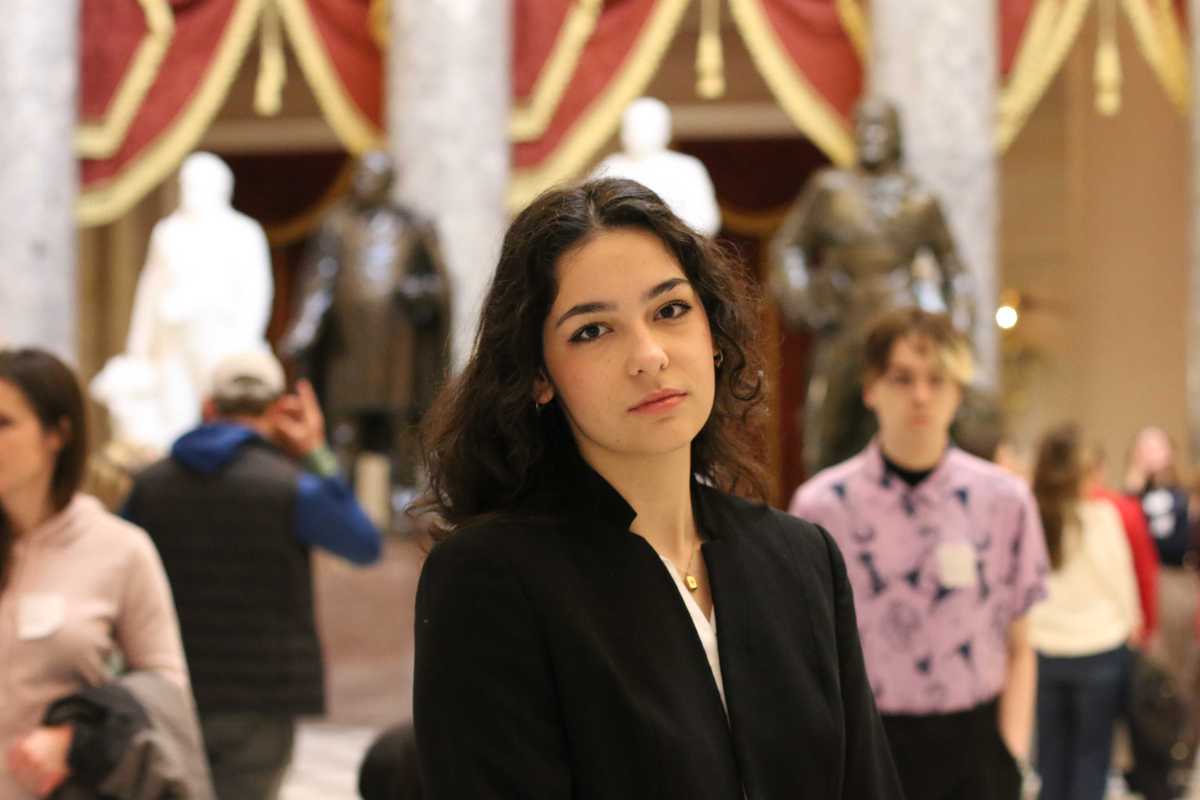 Isabel Papp
Isabel Papp
Isabel Papp, a student at Northwestern University majoring in both journalism and political science, is a bilingual reporter who described herself as an “equity‑minded” storyteller committed to amplifying underrepresented voices and bringing cultural nuance to coverage of Latino communities. “I believe experimenting with my approach to journalism is the way to achieve the most robust writing possible,” she said. “Journalism should help people, and solutions journalism is the next step toward that goal.”
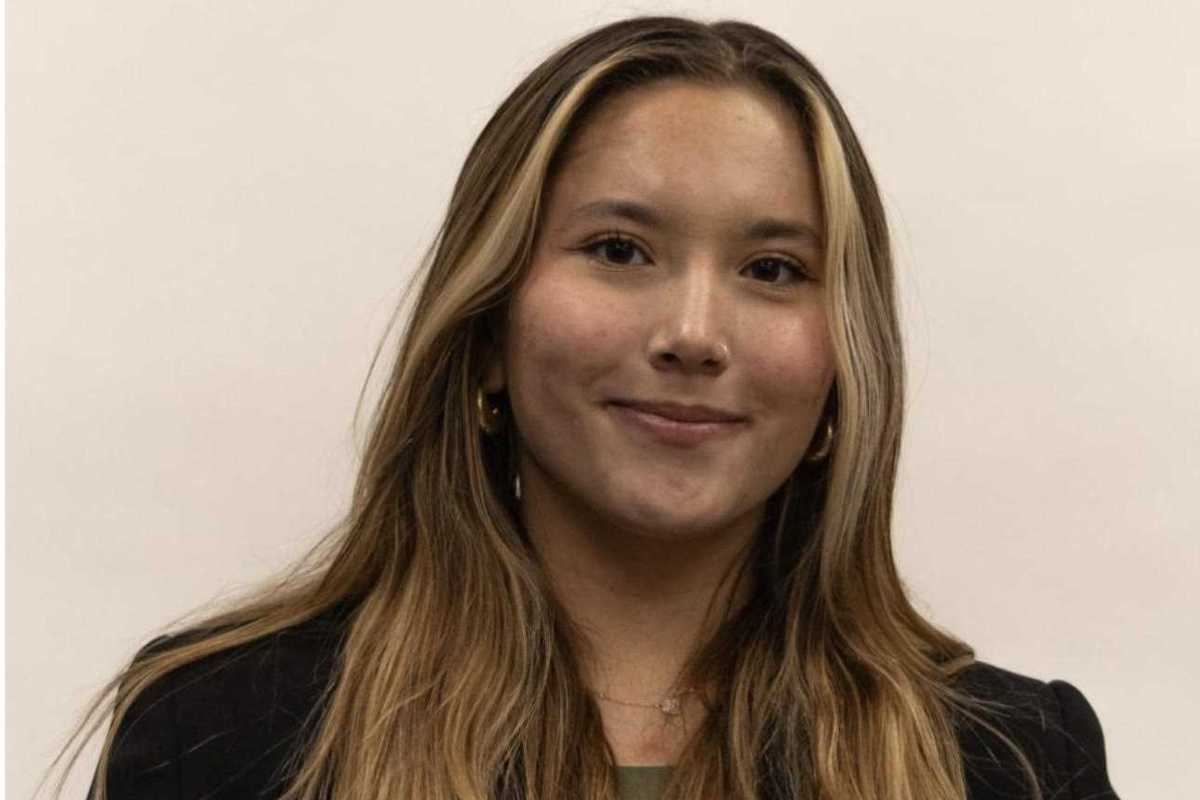 Gabriela Quintero
Gabriela Quintero
Gabriela Quintero, an incoming freshman at Barnard College of Columbia University, said she believes that reporting on democracy is a way of helping to uphold it. “Learning from experts in politics will allow me to develop the skills necessary to pursue a professional career in journalism,” she said. “I hope to become a better reporter through the fellowship by working on stories I wouldn’t have had the opportunity to report on otherwise and by developing meaningful connections with young journalists across the country.”
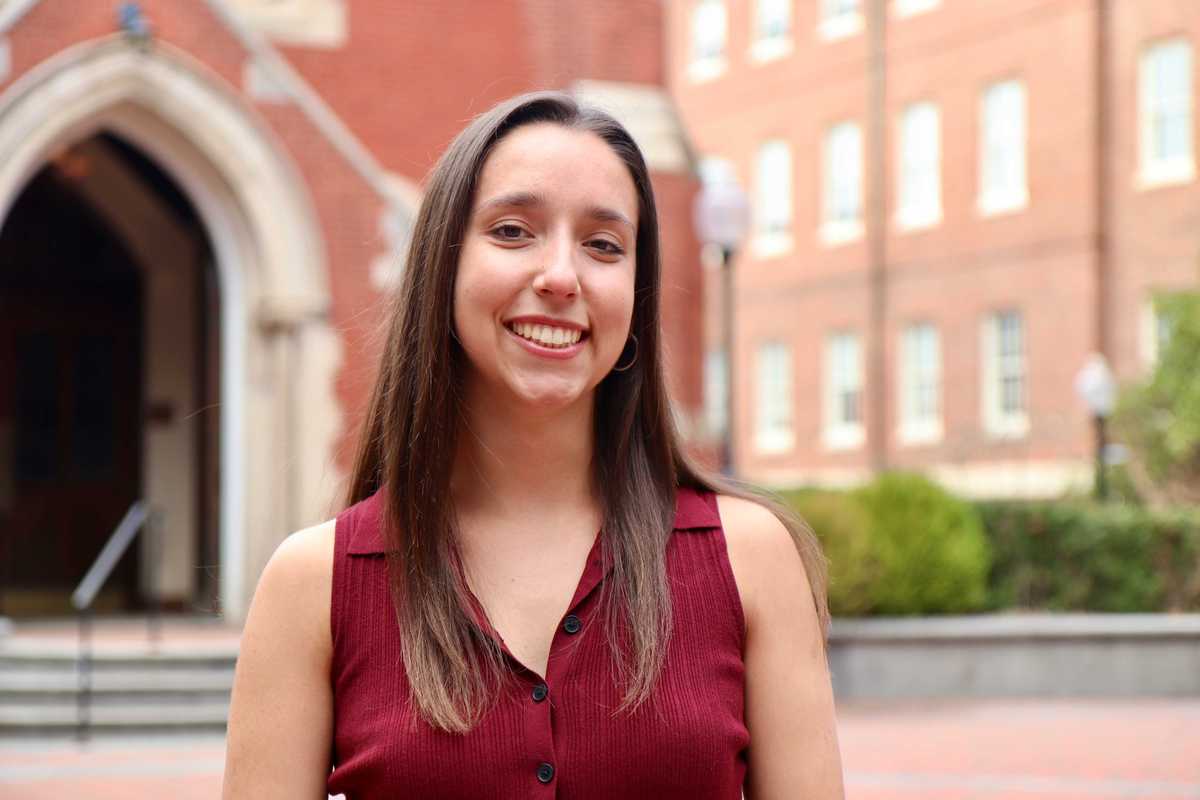 Alexis Tamm
Alexis Tamm
Alexis Tamm, a recent graduate of Georgetown University, is passionate about multidimensional, human‑centered storytelling. She said she was drawn to The Fulcrum’s mission to counter divisive narratives and emphasized her commitment to producing journalism that challenges “us vs. them” mentalities and helps audiences better understand one another to spark meaningful change. “I'm excited to focus on solutions storytelling and to keep learning how to complicate the narrative and give voice to many different perspectives in my work," she said.
The fellows will receive training in op‑ed writing, climate‑solutions reporting in collaboration with the Solutions Journalism Network, and Complicating the Narrative techniques as core components of the fellowship curriculum.
The Fulcrum Fellowship continues to advance its mission of training journalists who can illuminate not only the challenges facing American democracy but also the solutions emerging across communities. The Fulcrum's Executive Editor and Publisher of the Latino News Network, Hugo Balta has described the program as one that empowers young reporters to tell “richer, more human stories” that move beyond one‑dimensional narratives.
“As the 2026 cohort begins its work this summer, these fellows will contribute reporting that expands the reach of their storytelling and strengthens journalism that informs, connects, and empowers communities,” Balta said.
Thanks in part to support from the Hortencia Zavala Foundation, the Fulcrum Fellowship will also host a Fall 2026 session. Applications will open later this summer, offering another opportunity to join the program’s growing national network of next‑generation civic storytellers.
“Growing the Fulcrum Fellowship from its inaugural session last summer to two full sessions this year is an exciting milestone for our newsroom” said David Nevins, publisher of The Fulcrum. “It reflects our commitment to expanding opportunities for emerging journalists and strengthening a pipeline of storytellers who are passionate about informing the public and elevating civic dialogue.”
Hugo Balta is an accredited Solutions Journalism and Complicating the Narratives trainer with the Solutions Journalism Network.
The Fulcrum is deeply committed to nurturing the next generation of journalists, investing in emerging reporters who are driven to produce ethical, solutions‑focused storytelling and strengthen civic understanding through their work.
The Latino News Network's mission is to provide greater visibility to Hispanics, Latinos through community‑centered reporting that provides culturally nuanced, solutions‑driven coverage for underserved audiences.













The President Invited Iran to Bomb My Home