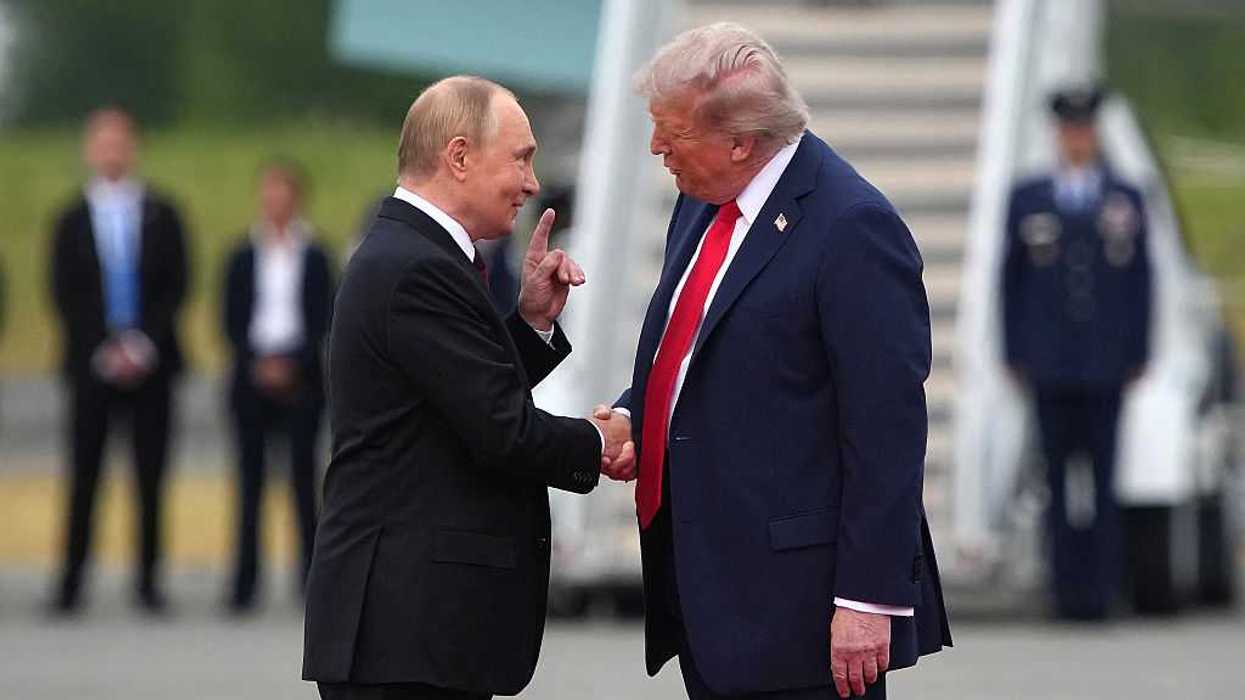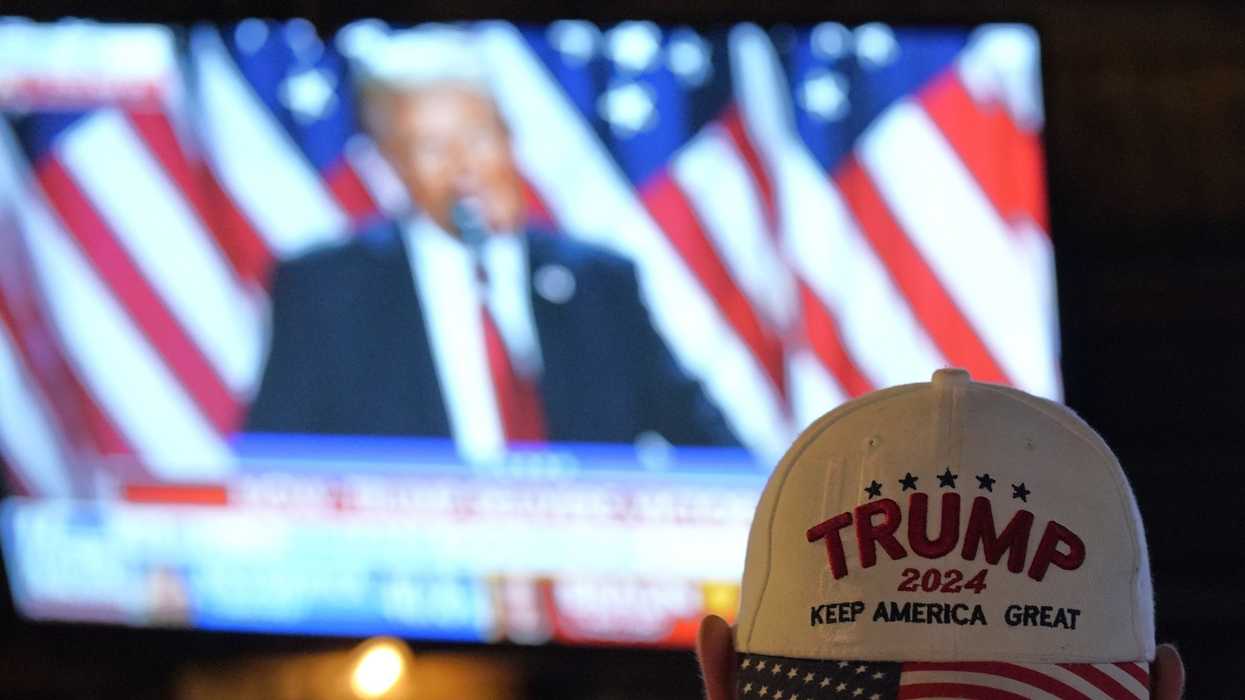


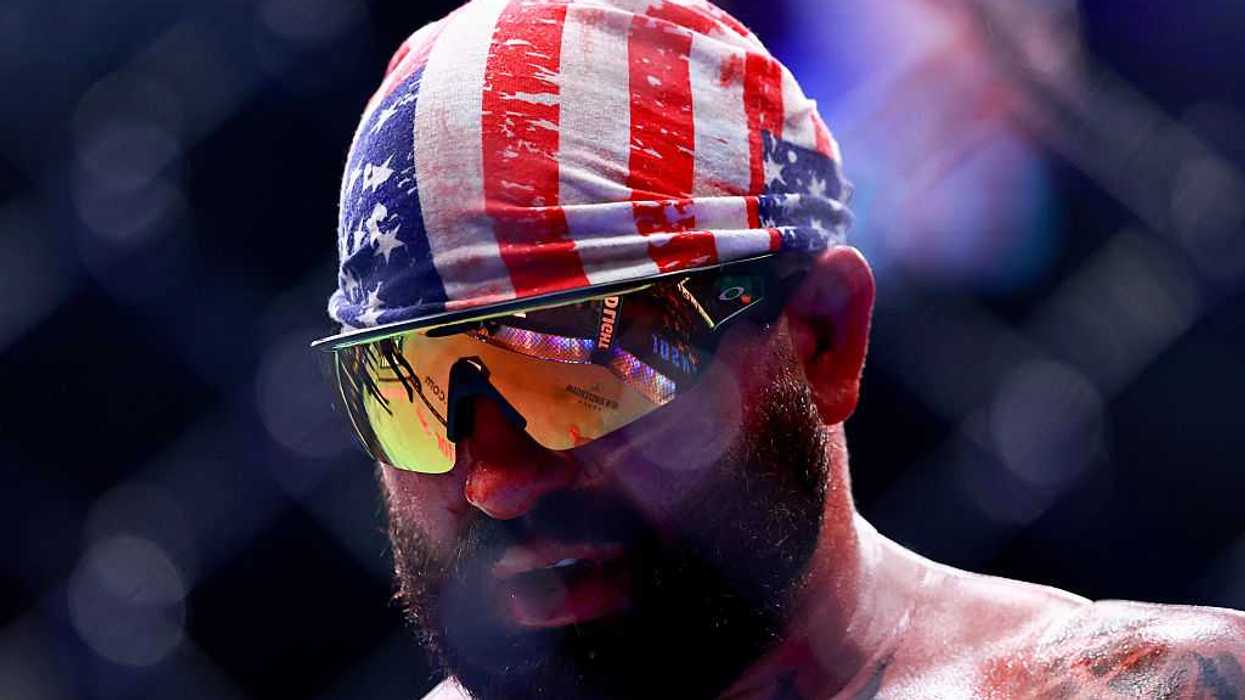

It happened in a moment so small that many viewers may have missed it. After a UFC fight, athlete Josh Hokit used his victory speech not to celebrate his win but to demean former First Lady Michelle Obama, repeating a long‑running racist and sexist trope by calling her a man. Standing beside him, the President of the United States did not correct him. He did not defend a woman who served this country with dignity. He did not reject the bigotry embedded in the remark. Instead, he offered a smirk — a half‑smile of approval that traveled farther than any microphone could carry.
That smirk mattered. It was a signal. And millions recognized it for exactly what it was.
This is how authoritarian drift works in modern democracies. Not always through shouted commands or sweeping decrees, but through the quiet permission of a leader who rewards cruelty and refuses to challenge it. A leader who lets others cross the line, then communicates approval through body language, silence, or a knowing grin.
And this moment did not stand alone. In November 2025, aboard Air Force One, the president told Bloomberg White House correspondent Catherine Lucey to “Quiet, piggy” when she asked about the Epstein files — a remark captured on video and widely reported. It was not the first time he had singled out a woman reporter for humiliation, nor the last. Outlets such as NPR and The Independent have documented that when challenged by women, especially on topics he wants to avoid, his attacks become more personal, targeting appearance, demeanor, or intelligence. The pattern is consistent across press briefings, Air Force One gaggles, and impromptu exchanges.
What happened at the UFC event was not random. Michelle Obama represents Black excellence, female leadership, education, competence, and dignity. She is a counter‑model to the president’s style of leadership and remains one of the most admired public figures in the country. For people who see politics as a zero‑sum identity battle, she is not just a former First Lady — she is a symbol of everything they believe he is fighting against. When authoritarian‑leaning leaders attack someone repeatedly, supporters often adopt the same target as a way to show loyalty. The fighter may well have believed he was pleasing the president. That is a common dynamic in leader–follower psychology.
And the specific insult he used has a long, ugly history. Calling Black women “men” is a racist, misogynistic trope used to strip femininity, deny humanity, undermine dignity, and signal dominance. It has been used against Serena Williams, Michelle Obama, and other prominent Black women. The fighter didn’t invent it. He pulled it from a well‑worn script. And the president’s silence — his smirk — reinforced that script. The remark was unacceptable, but Americans must have the courage to convey that message to him.
What troubles me most is not only the president’s behavior, but the reaction it receives. At rallies and public events, I have watched women cheer as he demeans other women. Some interpret his aggression as strength. Others separate the behavior from the politics, insisting they dislike the insults but approve of the policies. Still others internalize the attacks as deserved, believing he only targets people who “go after him.” And in large crowds, cruelty becomes contagious; people cheer because the crowd cheers. When supporters excuse, minimize, rationalize, or applaud cruelty — whether by calling it strength, dismissing it as irrelevant, blaming the targets, or simply following the emotional current — they are not just responding to the drift. They are normalizing it.
And here is the contradiction that should stop us cold: parents teach their children not to call their siblings names. Teachers intervene when students demean one another. Principals enforce consequences for verbal abuse. School districts write policies defining harassment, intimidation, and bullying. State and federal civil rights laws require schools to maintain environments free from discrimination and verbal harassment, especially when it targets protected classes. The U.S. Department of Education explicitly warns against harassment, bullying, and retaliation.
Yet on the world’s largest stage, the president models the very behavior schools are legally required to prevent.
The unstated messages we are sending to children are devastating. When the president mocks women, demeans reporters, or smirks at bigotry while adults cheer, children learn that cruelty is leadership, humiliation is entertainment, and power excuses behavior that would get any student suspended. They see a country that tells them not to bully while its highest officeholder models bullying on a global stage. They see schools enforcing anti‑harassment laws while adults excuse the same behavior in politics. And they learn the most dangerous lesson of all: that rules are for the powerless, not the powerful. That is how democratic norms erode — not only through what leaders say, but through what children come to believe is acceptable.
This cultural shift is not happening in a vacuum. As one analysis put it, “hate used to hide in private. Now it shows up first.” Social media rewards the most extreme expressions of contempt with attention and validation, making cruelty feel normal, even desirable. Stress, inequality, and “us vs. them” thinking lower empathy thresholds, making cruelty easier to commit. When marginalized groups are treated as disposable or “waste products” of society, cruelty becomes a tool of exclusion and control. Repeated exposure without moral or legal consequences desensitizes the public. And when political leaders use cruelty as a political tool, the culture adjusts to it.
Stopping this cultural slide will not be easy because the cruelty is coming from the top and performed on a public stage. But the fact that it is difficult does not mean it is impossible. Congress has a role to play by enforcing norms of conduct and refusing to reward leaders who traffic in humiliation. Civic leaders — from mayors to school board members to faith leaders — can model the dignity and restraint that national politics has abandoned. Parents can remind children that name‑calling is wrong, no matter who does it, and that power does not excuse cruelty. Schools can continue enforcing the anti‑harassment policies that federal civil rights laws require, even when national figures violate the very standards the U.S. Department of Education promotes. And citizens can stop accepting, excusing, or normalizing behavior they would never tolerate from a child, a coworker, or a neighbor.
Experts who study political communication emphasize that reducing name‑calling requires a combination of personal accountability, institutional discipline, and cultural change. They warn that insults erode trust, deepen polarization, and make leaders appear unworthy of the offices they hold. They recommend shifting political debate back to issues rather than labels, setting norms for respectful discourse, and teaching the public — especially young people — to recognize the harm that contempt‑based politics inflicts on democracy. None of these steps alone will solve the problem. But together, they form a path back toward a political culture that values truth over spectacle and dignity over derision.
Ultimately, we know what is right and what is wrong. We teach it to children every day. The question is whether we will demand the same from the adults who lead us. The work of repairing our political culture begins with refusing to normalize what we know is harmful — and insisting that our leaders meet the same standards we expect of our children.
I imagine an America where cruelty is no longer a political language, where dignity is not optional, and where children grow up seeing leaders who reflect the values we teach them. I imagine an America without authoritarian drift — and I believe we can still reclaim it.
Carolyn Goode is a retired educational leader and former principal who has served as a teacher specialist, human relations coordinator, and adjunct instructor at the university and community college levels. She writes about democracy, political culture, and civic responsibility, with a focus on how public behavior shapes what children learn about leadership.