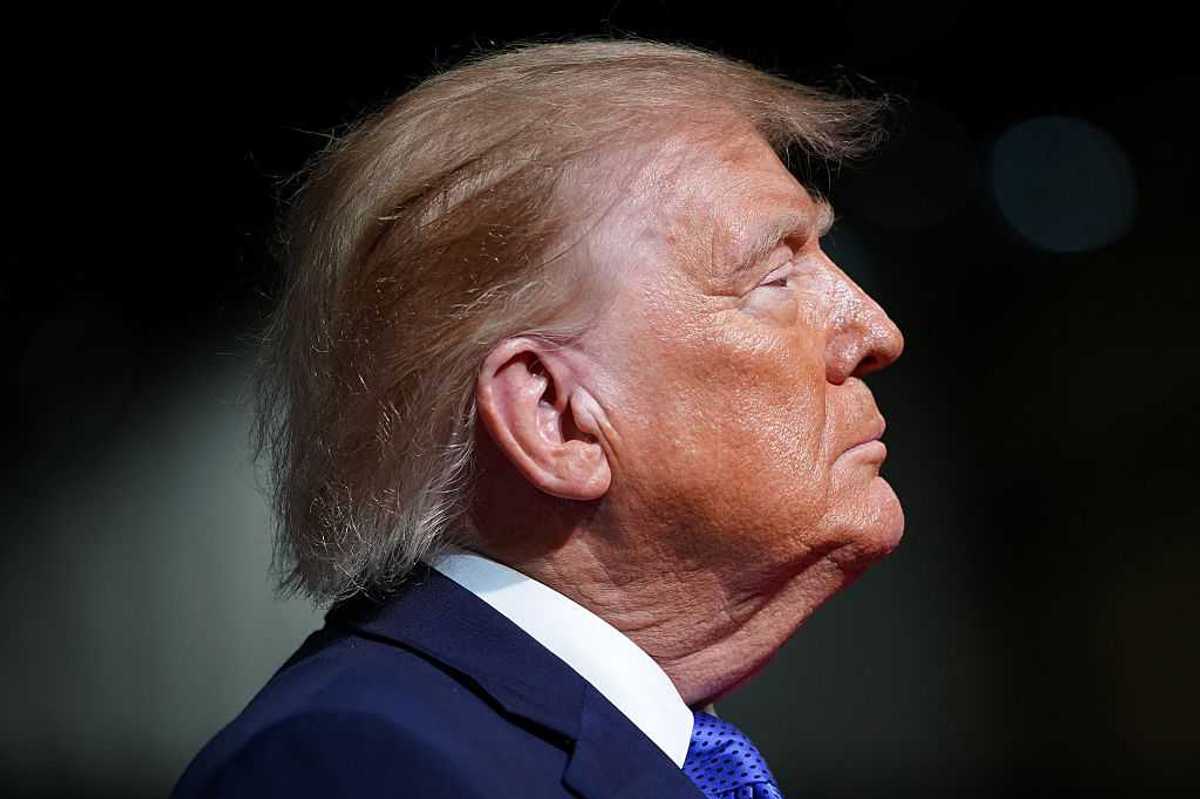
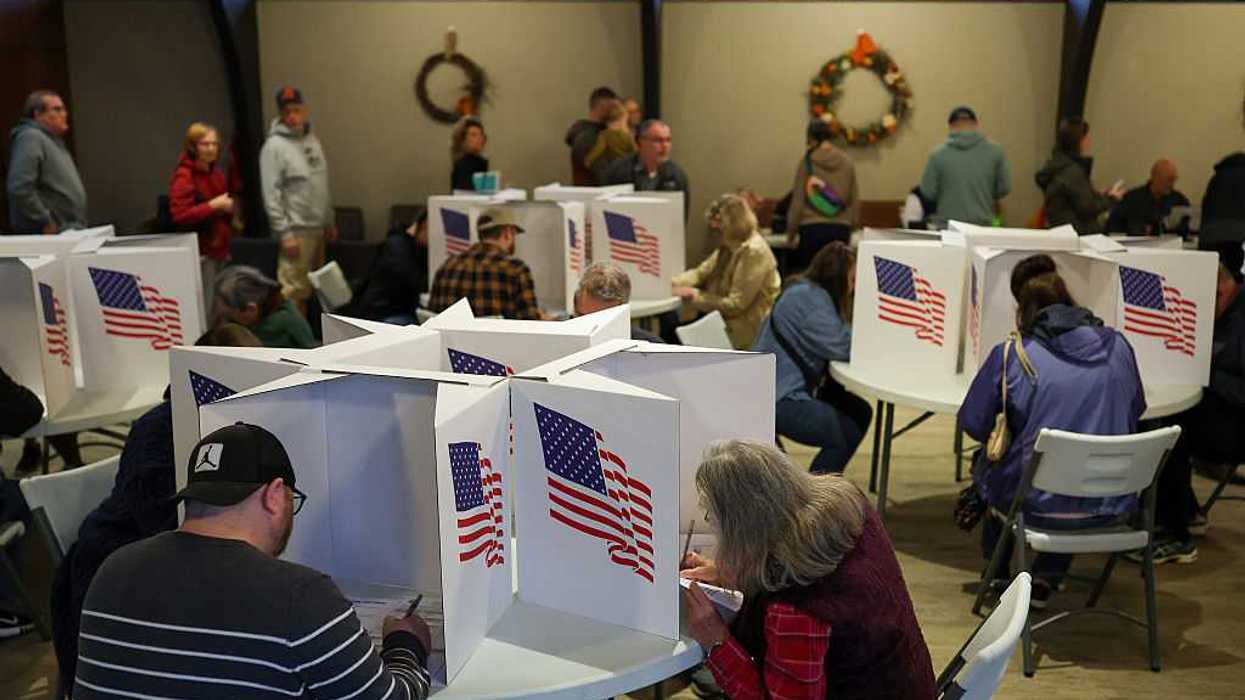

The political earthquake of the 2026 midterm elections has left Washington, DC, in a state of whiplash, delivering a sharp rebuke to the Trump administration and fracturing the expansive coalition that carried him to the White House just two years ago. For Donald Trump, his inner circle, and his most ardent followers, the message from the American electorate is unmistakable: the governing chaos, policy overreaches, and exhausting political theater of the last two years will not fly for the next two
Instead of showing humility following a historic defeat, the president’s immediate elevation of immigration hardliner Stephen Miller to White House Chief of Staff signals a defiant doubling down rather than a constructive course correction. For millions of voters—including the critical Latino demographics alienated by the administration's aggressive deportation campaigns—Miller’s promotion feels like a structural mistake that will only deepen the administration's isolation. If MAGA is to survive past Trump’s tenure, the movement must undergo a radical transformation, moving away from unilateral aggression and toward sustainable governance. As former conservative acolyte Rod Dreher soberly observed following the wreckage of the midterms, “MAGA couldn't deliver on good government. And if you can't deliver on good government, it doesn't matter how charismatic the leader is. It's not going to work.”
At the same time, Democrats must resist the tempting delusion that these midterm victories signal the definitive end of populism. It would be a catastrophic mistake to misread a rejection of administrative chaos as a sweeping endorsement of progressive ideology. Let us be clear: half of the country voted for Trump in 2024 largely because of the crippling economic pressures and inflation felt at the end of the Biden administration. Just as in 2016, millions of everyday Americans chose Trump not out of malice, but because they genuinely believe parts of the progressive agenda have drifted too far into radicalism, leaving traditional values and economic anxieties behind. Warning his party against taking the wrong lessons from their victory, Senator Cory Booker cautioned, “If we make Donald Trump the center of our focus, we will lose this moment in history. We need to deal with the American people's problems.”
Traditional Republicans, meanwhile, face an existential crisis after completely losing their institutional identity to a single leader. Unconditional capitulation to Trumpism has left the party hollowed out, punished at the ballot box by voters craving stability and principled leadership. For the GOP, the time for blind deference is over if they wish to remain a viable national force. As a post-election analysis from RealClearPolicy bluntly summarized, “It's time to look past Donald Trump... the GOP must begin rebuilding a governing coalition around the principles of liberty, constitutional government, economic opportunity, family, and national purpose – or, Republicans will become a feeble, permanent opposition.”
We have arrived at a critical fork in the road for all three political factions. MAGA must choose between evolution or extinction. Democrats must choose between pragmatic moderation or alienating the very swing voters who just handed them a lifeline. And traditional Republicans must decide whether they will reclaim their principles or continue to exist as a hollowed-out vessel.
The path to the White House in 2028 will not be won by the faction that executes the most ruthless political strategy, but by the leaders who listen to the true will of The People.
Americans are fatigued by a useless, unending political tug-of-war designed solely to retain institutional power. The next chapter of American politics belongs to those who stop fighting for total ideological dominance and instead roll up their sleeves to solve our collective societal ills.
Hugo Balta is the executive editor of The Fulcrum and the publisher of the Latino News Network.