


When I taught voting behavior and political psychology at California State University, Bakersfield, I regularly asked students what qualities they wanted in a president. The answers were familiar—honesty, trustworthiness, fairness, empathy, experience—resembling the lists that appear in national public opinion surveys.
But one semester, a student offered a description I have remembered ever since: “I want the president to be like a really good boyfriend.”
She had translated presidential leadership into the language of a familiar human relationship. Choosing a president involves expectations about the person as well as the policies they promise to pursue. Trust, responsibility, and respect matter in that relationship. People may set those expectations aside in anticipation of results, but their willingness to do so can wear thin.
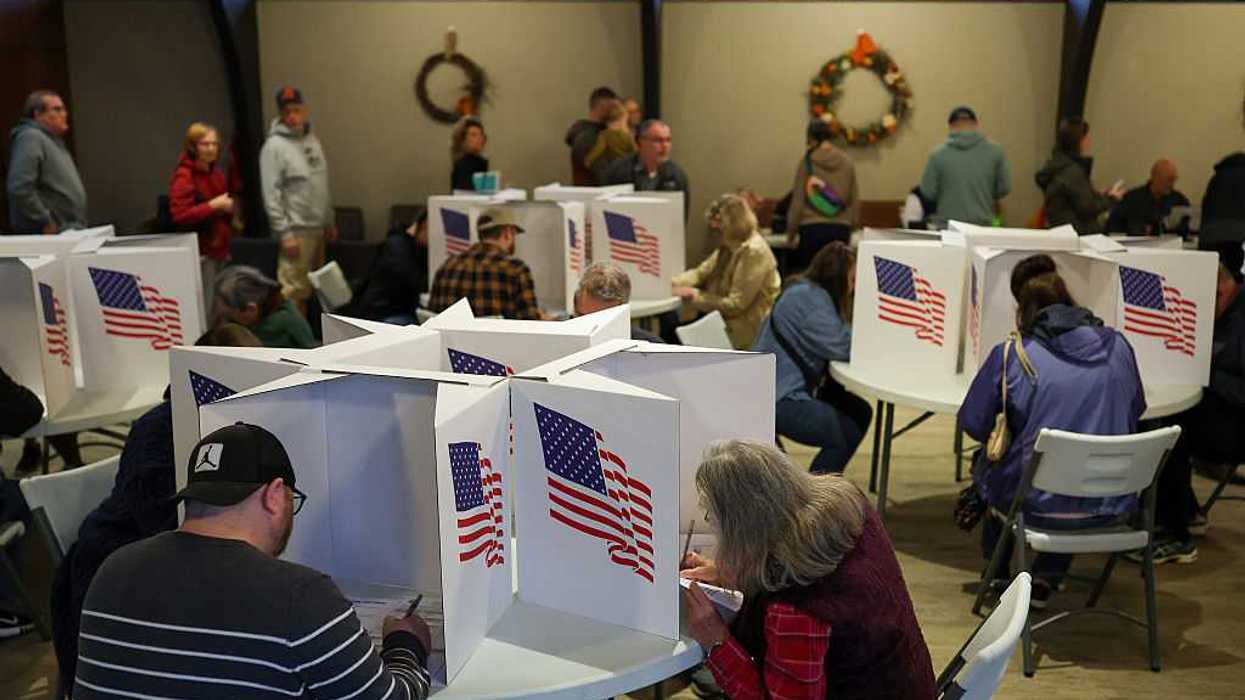
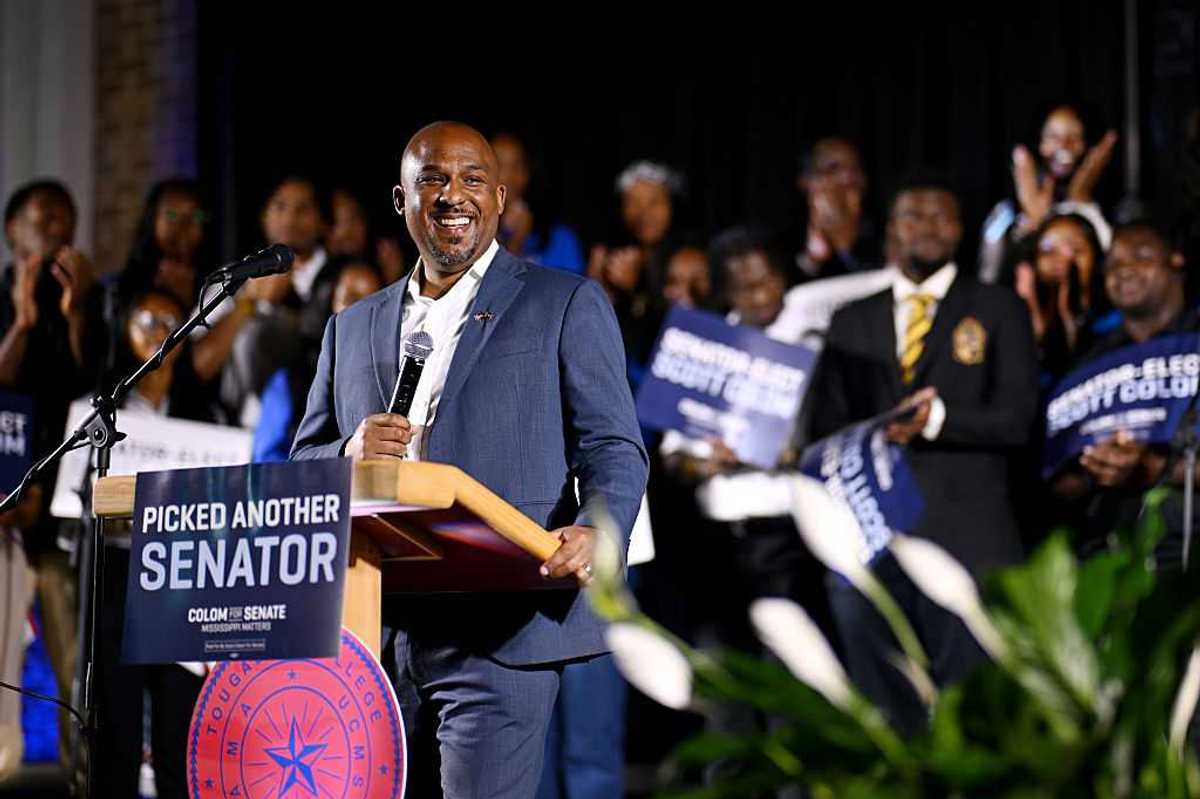
I have been thinking about that classroom exchange while considering the midterm elections of November 3, 2026. With some races still unresolved, the election had already produced a sweeping Democratic victory. Democrats won control of both the House and Senate, captured Republican-held governorships, and gained state legislative majorities. The gains extended beyond familiar battlegrounds into territory long considered safely Republican.
The reach into state government was especially striking. Democrats won legislative chambers in Texas and Georgia and the North Carolina House, while securing unified control of government in several other states. In a November 4 New York Times report, an elections specialist at the National Conference of State Legislatures described the emerging state legislative gains as likely the Democrats’ strongest since the post-Watergate election of 1974. The final totals remained unsettled, but the response extended from Washington to state capitals and individual legislative districts.
Political commentators and media analysts immediately pointed to specific issues to explain the outcome: economic dissatisfaction, immigration, and the war in Iran. Each may help account for individual votes. But what gave the electoral response its unusual breadth and force? What brought voters with different concerns toward a common choice across so many contests throughout the country?
Perhaps the election expressed expectations rooted in American political culture: beliefs about how a president should exercise power and what he owes the people he serves. Different policy grievances may have converged into a common judgment that Trump’s leadership violated those expectations. Voters did not need to agree on a Democratic alternative to demand a different standard of presidential conduct.
Economic conditions, candidate quality, campaign organization, and differences in participation also shaped the outcome. Political culture offers a way to understand how those influences may have become connected in voters’ judgments about leadership.
The expectations beneath the issues
Political culture includes the beliefs and expectations people bring to political authority and their own roles as citizens. In their classic study, The Civic Culture, Gabriel Almond and Sidney Verba examined these orientations toward political life. Their approach directs attention beyond immediate policy preferences to how citizens understand government and judge its authority.
Applied to presidential leadership, this perspective raises a question: What do citizens believe someone entrusted with public power owes them? Honesty, fairness, judgment, and responsibility concern how that power should be exercised. Respect for law means accepting limits. Public responsibility means recognizing obligations to people beyond one’s supporters. Fairness concerns whose interests count and how others are treated.
A July 2024 YouGov survey illustrates these expectations. At least 80 percent of Americans rated qualities including honesty, integrity, decision-making ability, calmness under pressure, and respect for the rule of law as very important in a president. These ranked above positions on social and economic policies. The survey establishes stated priorities, rather than what determined anyone’s vote. The question is when those priorities become standards voters are prepared to enforce.
Support can coexist with disapproval
Voters choose among imperfect alternatives. They may dislike a candidate’s behavior while supporting particular policies, distrusting the opposition, or believing the candidate can solve problems other leaders have failed to address. Support can coexist with objections that remain unresolved.
Some voters may have entered Trump’s presidency with reservations about his conduct while remaining hopeful about his performance. They accepted behavior they disliked in anticipation of results they valued. When confidence in promised results weakens and the conduct becomes more troubling, the balance shifts. Expectations previously set aside acquire greater electoral importance.
For longstanding opponents, the relevant change is greater urgency rather than a reversal of opinion. An unfavorable assessment can remain constant while the determination to vote or encourage others to participate grows. The election may have brought together people whose tolerance had declined and people whose opposition had become more urgent.
These possibilities concern the force of opinion as well as its direction. Survey research can identify approval and disapproval more readily than it can establish how strongly people hold those judgments, how they balance competing considerations, and when they become willing to act.
Different concerns, a common judgment
George Lakoff’s Moral Politics emphasizes contrasting understandings of authority and responsibility through his “strict father” and “nurturant parent” models. His framework helps explain why Americans can attach different meanings to strength, fairness, and responsibility.
Those differences also suggest a possibility relevant to this election: voters can judge a leader against different moral standards and still reach the same negative conclusion. Someone who looks for strength in a leader may see recklessness. Someone who values personal responsibility may see a refusal to accept accountability. Someone who emphasizes fairness may see favoritism or disregard for others. Their objections need not be identical for their electoral choices to converge.
Particular issues can help form that judgment. For voters who expected greater stability at home, entering or escalating a foreign conflict could raise questions about presidential judgment and priorities. Their concern about the war in Iran could therefore extend beyond disagreement with the policy to their confidence in the person making the decision. Economic hardship can raise questions about competence or misplaced priorities; executive actions can prompt judgments about respect for constitutional limits. Separate disappointments can reinforce an overall assessment of leadership.
The AP Voter Poll reported that more than half of voters considered government corruption crucial to their congressional vote and roughly seven in ten wanted stronger congressional checks on presidential power. Some supported Democratic candidates despite unfavorable views of the party. Those findings are consistent with a coalition whose agreement about accountability exceeded its agreement about a Democratic agenda. The polling supports this interpretation while leaving its electoral weight unresolved.
The president who was not on the ballot
Trump’s absence as a candidate did not remove his presidency from voters’ decisions. Whether his personal candidacy would have mobilized additional supporters is a separate question from whether voters were judging his leadership. Citizens unable to replace a president directly can elect people capable of restraining him. Congressional elections provide a constitutional means of doing so.
A common judgment about the president does not establish a permanent partisan realignment. Agreement that his power needs checking can coexist with disagreement about what government should do next. Nor does this interpretation give one party ownership of American values. Trump’s continuing support belongs within any honest account of American political culture. The hypothesis is that enough citizens with different priorities concluded that his leadership had departed too far from their expectations.
What the winners should hear
For Democrats, this interpretation counsels care in claiming a mandate. A coalition demanding accountability does not automatically endorse every policy the winning party prefers. The opportunity is to earn confidence through practical results and responsible conduct. Republicans face a corresponding question beyond which policies or campaign messages to revise: What obligations will they require their own leaders to observe?
My student’s description of the president as a “really good boyfriend” returns me to the expectations beneath political life. Relationships, personal or civic, do not always end over a single argument. They can erode as people repeatedly set aside boundaries they once considered important. Expectations about trust, responsibility, and respect may yield to hopes for results, but accommodation is not endorsement.
When promised results no longer justify the conduct, the arrangement changes. What was tolerated can become intolerable. That may help explain the 2026 midterm vote. Across different contests and different grievances, enough voters may have reached a similar judgment: expectations they had set aside became demands they were prepared to enforce.
The lesson for future leaders is a hard one: support can coexist with deep reservations. What voters tolerate for a season is not necessarily what they value. And what they overlook for a time, they may eventually use their ballots to reject.
Kent C. Price is a retired political science professor at California State University, Bakersfield, with four decades of experience in applied public opinion research. His teaching focused on voting behavior, political psychology, and democratic institutions.