





Can you name your village trustees? Your county board representative? The judge who presides over your district? Most Americans cannot. We follow presidential and national politics with near-obsessive attention, yet many of the public officials who have the greatest impact on our daily lives remain largely unknown to us. As we celebrate 250 years of self-government, that should concern all of us.
According to surveys conducted by the Annenberg Public Policy Center and Johns Hopkins University, many Americans struggle to identify basic functions of local and state governments, underscoring how disconnected citizens can become from the institutions that affect their daily lives. When residents do not understand how local government works, they often direct frustration toward the wrong officials, misunderstand how decisions are made, and miss opportunities to influence issues that matter to them and their communities.
Local governments determine the quality of our roads, parks, libraries, schools, emergency services, zoning decisions, property taxes, and economic development. Yet these are often the institutions citizens understand the least. In schools, when it happens, civic education frequently focuses on state and federal government, leaving many adults with little understanding of how local government operates. Local governments have an opportunity to address this gap through one surprisingly simple tool: citizen civic academies.
Citizen civic academy programs, offered by cities, villages, counties, and other local governments, give residents an inside look at how public decisions are made, how budgets are allocated, and how different departments serve the community. Participants often tour public facilities, meet department leaders, review budgets, observe decision-making processes, and learn how residents can effectively engage with local governments. The goal is simple: create citizens who are informed, engaged, and equipped to participate in public life. While civic academies will not solve every challenge facing democracy and local communities, they are one of the few proven, low-cost ways local governments can improve public trust, civic participation, and community understanding at the same time.
Earlier this year, Lake County, IL launched Independence Academy, giving residents an opportunity to learn directly from county departments and officials. Despite being held during the workweek, the program filled all available spots. That level of interest suggests many residents are hungry for a better understanding of how local government operates. Independence Academy also reflects a growing recognition that transparency and civic education require more than websites and social media posts. They require direct engagement between residents and their government.
Through the Chicago Council on Global Affairs Emerging Leaders program, I interviewed local officials and administrators who have implemented civic academies across the Chicagoland area. Despite differences in size, geography, and political culture, they consistently reported the same outcome: residents left with a deeper appreciation for local government and a stronger desire to participate in their communities.
The benefits extend beyond anecdotal observations. Research from the University of North Carolina found that participants in citizen civic academies became significantly more engaged in their communities. Among the largest increases, participants were 57% more likely to work with others to solve community problems and 47% more likely to serve on committees of community organizations.
Democracy was not intended to be a spectator sport. In an era of declining trust in institutions and increasing political polarization, civic academies offer something refreshingly practical: a chance for neighbors to better understand the government that serves them. For local governments looking to strengthen civic engagement and public trust, civic academies are a proven low-cost place to start. Our communities benefit most when citizens do more than vote. They work best when citizens understand, engage with, and help shape the institutions closest to home.
Sam Kendall is a local official and was a member of the 2025 Chicago Council on Global Affairs Emerging Leaders Cohort, through which he researched civic academy programs throughout the Chicagoland region. His work has focused on civic engagement, community leadership, and strengthening connections between residents and local government. He writes about public participation, democratic institutions, and the role citizens play in shaping healthy communities.











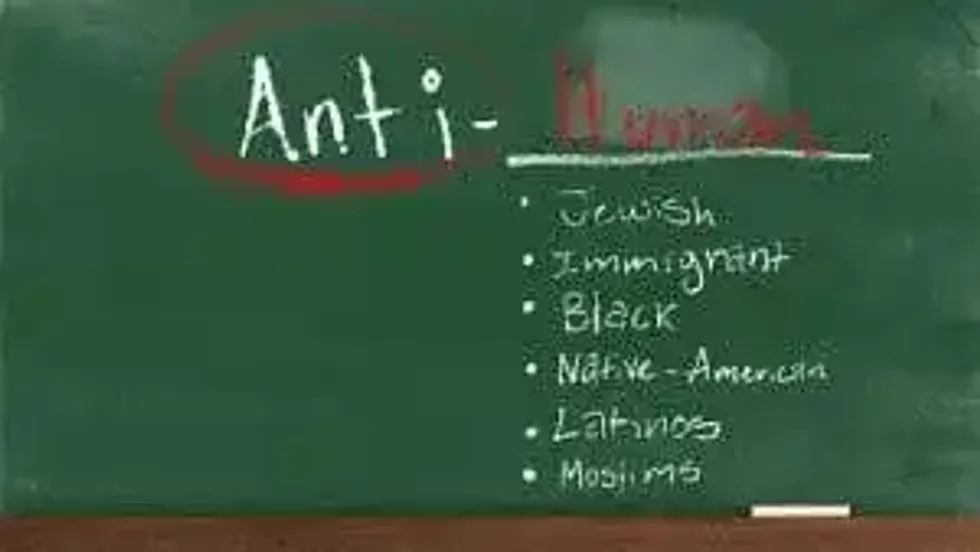 Illustration: Jessica A. Valencia
 A skyline overview of the agricultural beauty of Oxnard, Calif. (Credit: Jessica A. Valencia)
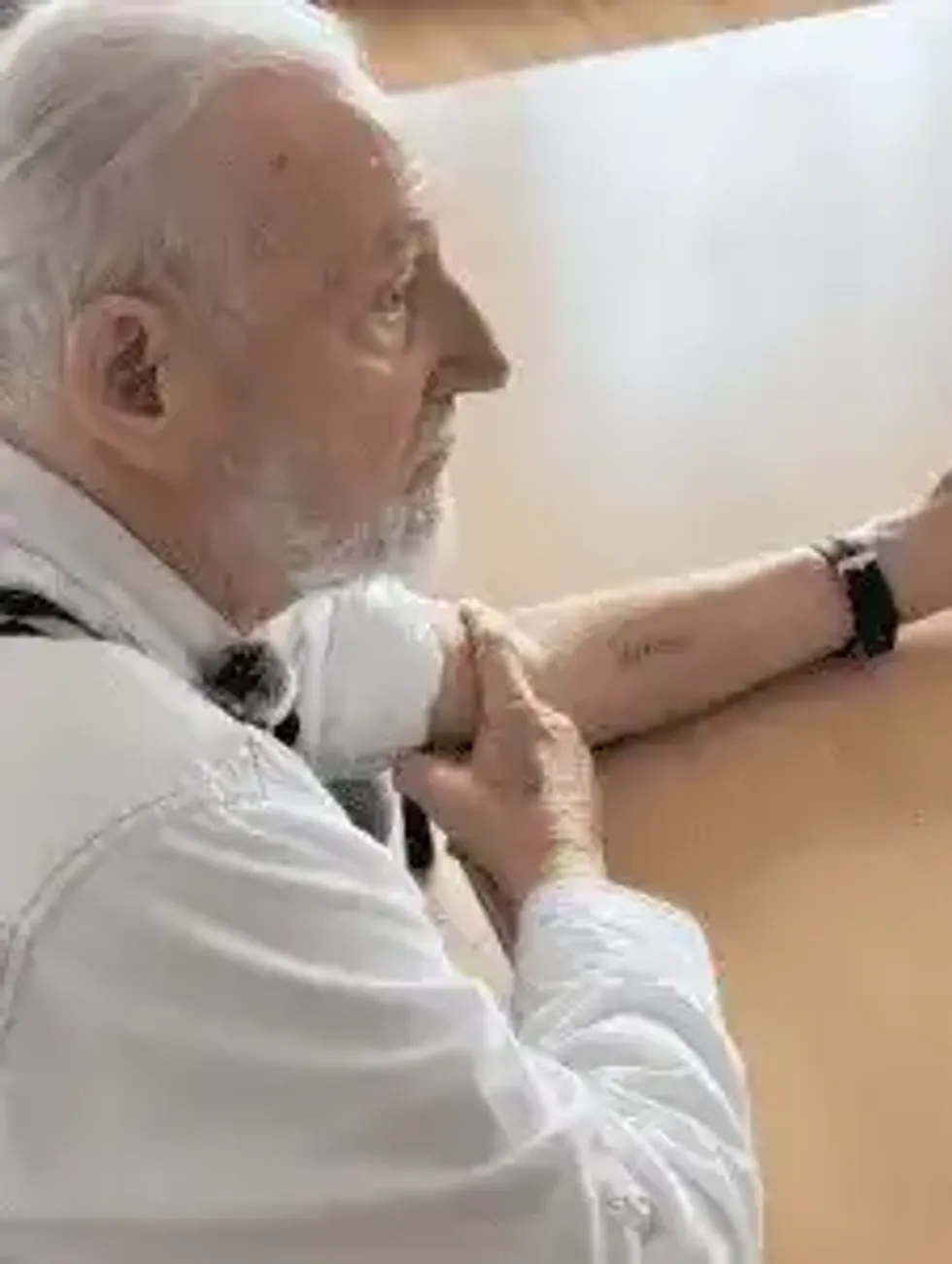 Bernard Offen shows off a tattoo reading “B-7815,” his identification number from Auschwitz-Birkenau.
 (Left) From left to right, Lilly Molina, Tadeo Cabrijo, Nicholas Hernandez, Bernard Offen, Jessica A. Valencia, Malory Shaw, and Ianis Soto meet and interview Offen. (Credit: Maria Morales, Fuente Latina)