

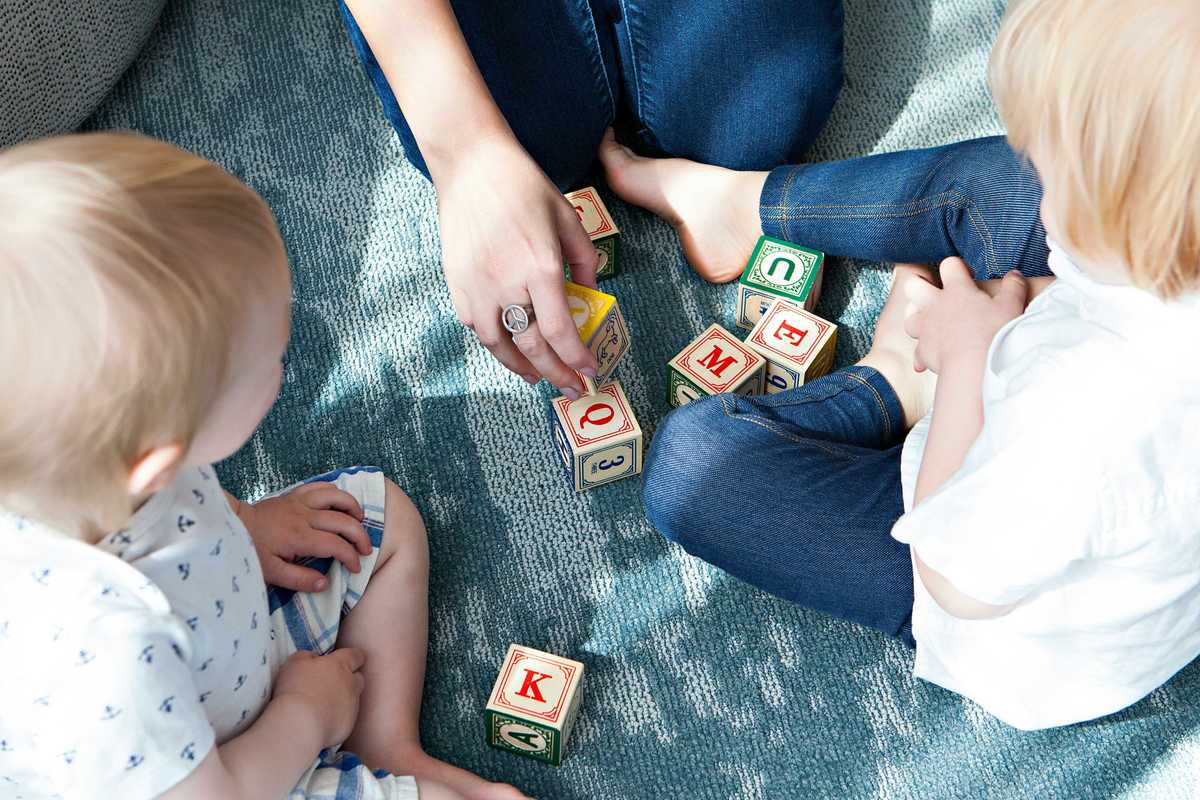



Recently, I gathered with a group of dads outside Philadelphia to clear out a neighborhood park through Dads for All, the organization I co-founded. Some of us grew up in that neighborhood, some had never set foot in it, and plenty of us had no idea what we were doing. Our kids, ages three to seventeen, hauled branches and swung tools nearly as long as they were tall — and they were delighted.
Here's what I watched them figure out: A park is where a kid gets to be free. It's where you run, where you pretend to be a superhero, where the ground belongs to you. And you assume it just shows up. That morning, our children learned that it doesn't. Somebody has to see what it could be. Somebody has to partner with the people who own it and the people who use it. And then somebody has to pick up the loppers. That was the most honest civics lesson my son has ever had, and unfortunately, that is where the problem is.
I don't think we know what civics is anymore. We teach it like a vocabulary quiz — three branches of government, how a bill becomes a law, remember to vote. Those are the mechanics. They are not the practice. Civics is a mindset: the belief that you're responsible for people you didn't choose and will never meet, including the families who'll use that park thirty years from now. It's the reflex to see abundance where the room sees scarcity, and the belief that a closed door is just the first one you knock on. Nobody on that lot needed a class on the legislative process. We needed to believe the place was ours to change.
Ironically, the people who carry that conviction the most are the ones this country is currently teaching to be quiet.
My parents came here from Sri Lanka chasing a dream nobody handed them a map for. They worked multiple jobs and barely slept between shifts — not because they loved the grind, but because they refused the ceiling they'd been given. You don't leave everything you know for a country that has promised you nothing unless you are, at your core, a builder. That is the immigrant mindset, and it is the raw material of civic life.
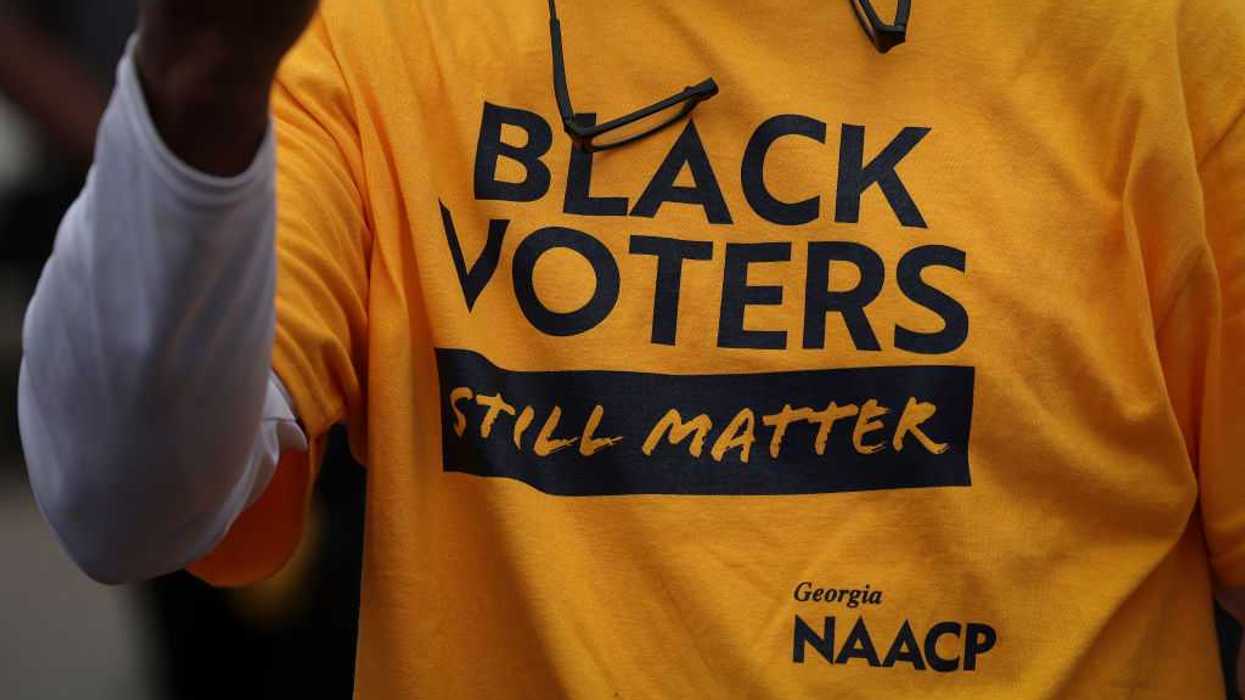
Yet in the year America marks 250 years of exactly that story, the administration has made "patriotic education" a national priority — patriotism redefined as one racial, religious, and cultural story told louder than everyone else's. Books are pulled from shelves, curriculum is rewritten around a single narrative, arts and humanities programs are cut, and families live with the fear that a neighbor or a classmate could be taken by ICE. Together, those add up to a lesson written into no standard: some of you should take up less room here.
But we already know what the alternative looks like, because immigrant and Indigenous communities are already teaching it to schools, and it’s working.
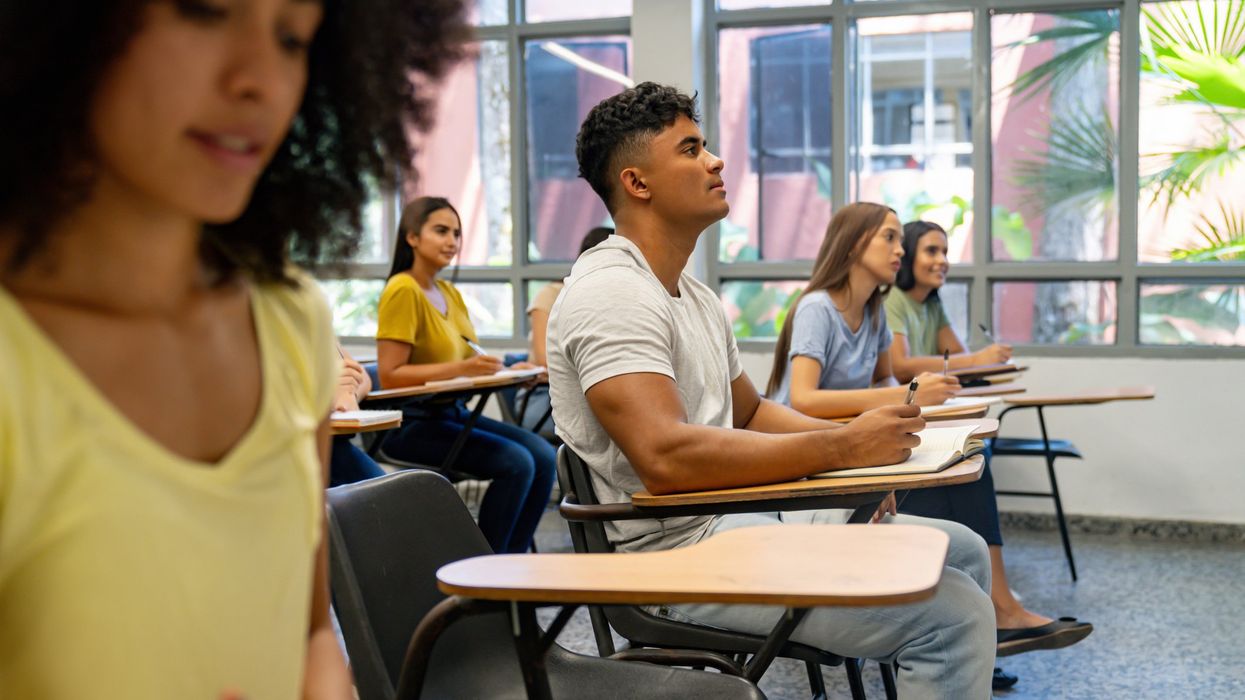
- At Flushing International High School in Queens, built for students who've been in the U.S. fewer than four years, kids reason through chemistry and global history in their first language while building English through projects, then graduate by defending a portfolio to peers and bilingual community mentors. What their old schools called a barrier turns out to be the instrument.
- At Highline Big Picture, outside Seattle, they've thrown out the credit hour entirely. A student whose schooling was interrupted by displacement isn't behind — she's on a different clock. She demonstrates mastery at her own pace, then interns at an immigrant-owned business or a community legal clinic.
- At Big Picture South Valley in Ukiah, California, the community is building a learning ecosystem rooted in Indigenous tradition, braiding internships and cultural practice so Native youth lead their own learning while strengthening the community that raised them.
None of that is easy. Students stand before panels and defend their thinking to adults under no obligation to be impressed. It's the same architecture as that Saturday in the park: nobody waiting for permission, everybody bringing something the others don't have.
In 2022, researchers at NYU’s Metropolitan Center brought together students, parents, and educators to evaluate three of the country’s most widely used elementary English and language arts curricula. They found that the same flattening starts young: superficial diversity and characters of color who appeared almost exclusively through struggle. One of the student researchers, Bolu Adelugba, told Education Week that in the curriculum she grew up with, Black history began in slavery and ended in segregation.
Bolu was a student leader at Our Turn, the youth organization I formerly led. She didn't stop at naming the erasure — she helped launch a Youth Consultancy that trained superintendents, school board members, and philanthropists on student voice and school culture. Adults with decades of experience were paying to learn from a teenager. Now imagine she'd been coached to blend in instead. We'd have lost every bit of it.
That's the choice in front of us, and it isn't abstract. School boards are adopting curricula this year. Districts are deciding whether a student's first language is a problem to be fixed or a tool to be used. Politicians are choosing whether to preserve an exclusionary version of the American story or invest in schools where every student can help build the country’s future. And fathers are deciding what their kids do on a Saturday.
Our children don't need us to narrate the American story to them for a year. They need us to hand them the loppers — and then follow the families who already know what the work takes.
Mohan Sivaloganathan is the founder and CEO of Harmonious Leadership, an ecosystem designed to break down false choices that stand in the way of innovation and impact. He is also the co-founder of Dads for All, a national network of fathers working to drive civic change in their communities.





The President Invited Iran to Bomb My Home