
Given Democrats' margin of victory in last week's elections, few observers expected President Trump to publicly challenge the outcome's legitimacy.
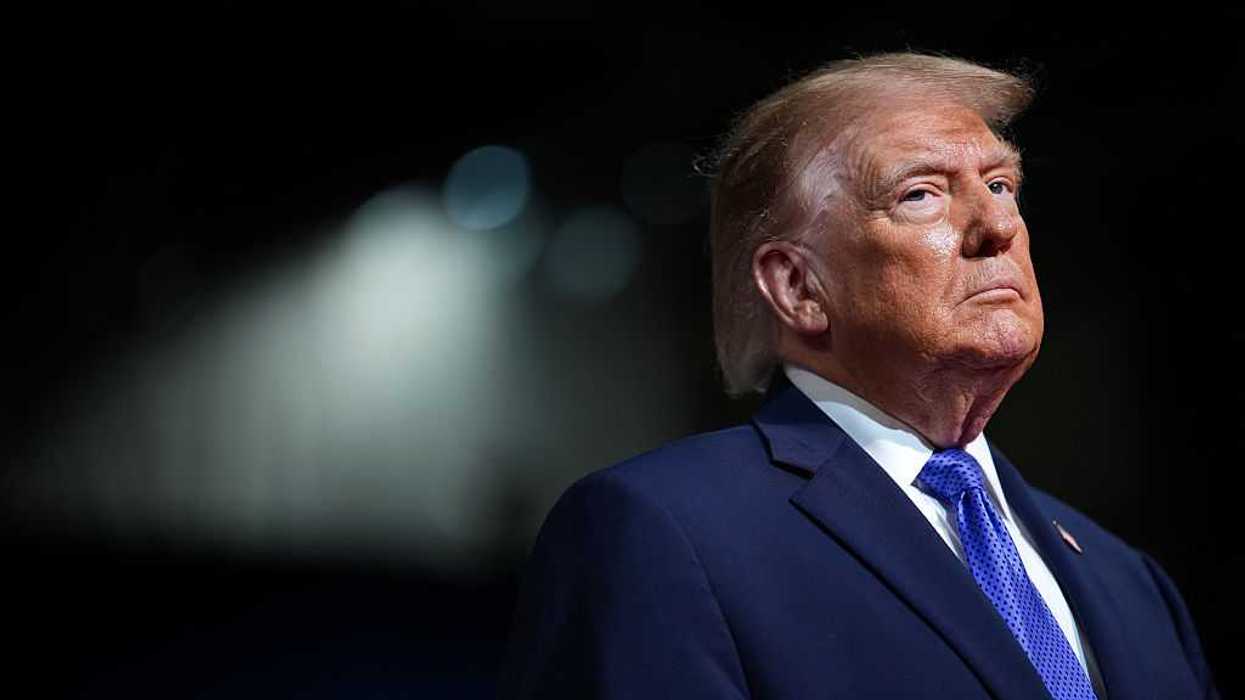
Yet on Sunday, Trump posted the following message on Truth Social:
"Does anybody really believe that this 'Election' was honest? How could the Polls be so wrong??? Some early voting 'dumps' were so large that it was impossible to win, no matter how many people went to vote. It's all about the machines, which are far more important than the voter!"
The post surprised many observers because just days earlier, on Nov. 4, Trump said he would not challenge the election results.
Whether Americans agree or disagree with the election result, citizen confidence in election integrity is a bedrock of democratic rule. Most election officials, courts, and independent observers have found no evidence of widespread fraud that would alter the results of recent national elections. For example, after the 2020 presidential election, the Department of Justice stated that it had uncovered no evidence of widespread voter fraud. Dozens of court challenges brought by various parties failed to provide credible evidence that could have changed the outcome, and independent organizations such as the Cybersecurity and Infrastructure Security Agency described the 2020 election as "the most secure in American history."
Trump's latest statement matters not only for what it says but also because it signals a return to the dangerous rhetoric that has played an important role in American politics over the last several election cycles.
The president's critics maintain that his long history of making false or misleading public claims deserves careful scrutiny whenever he raises allegations about election integrity. Supporters, meanwhile, contend that questioning election procedures is a legitimate exercise of free speech and political accountability.
Regardless of political perspective, there is broad agreement on one point:
Voting disputes should be resolved through established legal processes, evidence, and the courts, not by speculation or intimidation.
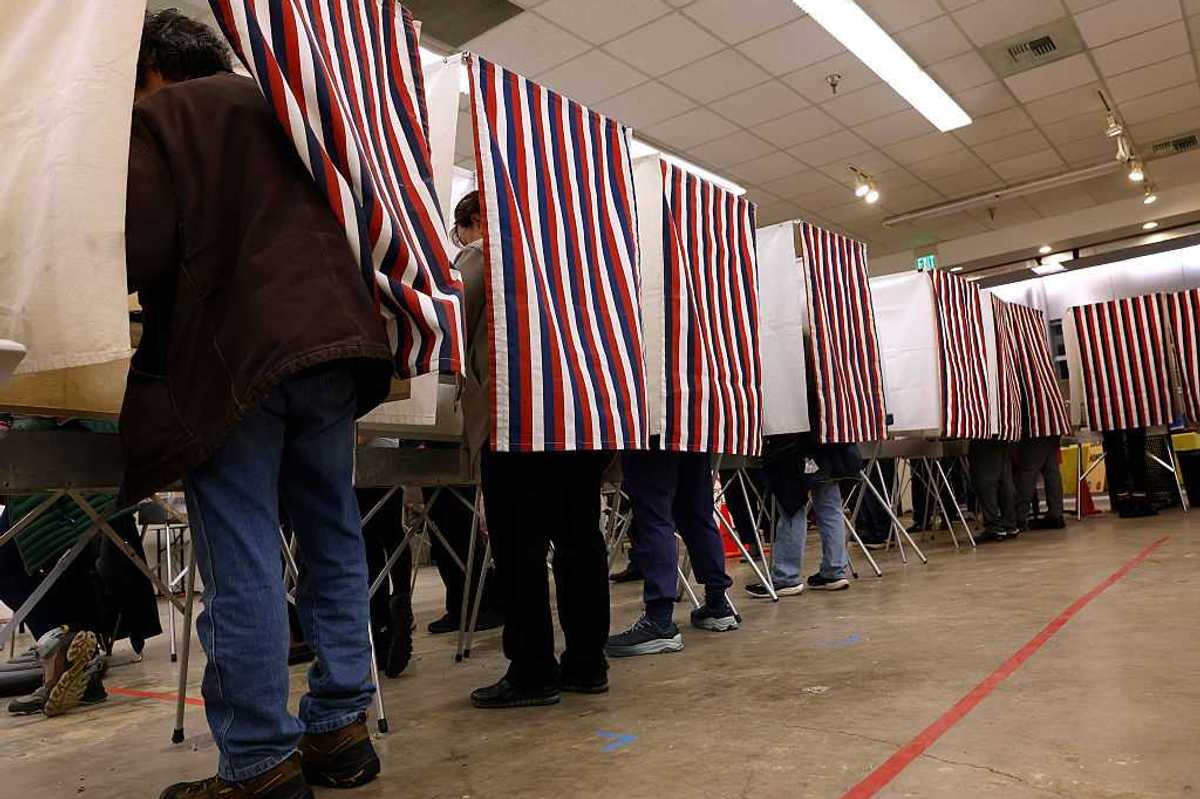
Several legal experts have observed that the period between Election Day and final certification is an essential stage within the democratic system. After the polls close on Election Day, local election officials count and report votes. Officials review provisional and absentee ballots for eligibility, and official canvassing verifies results. If results are close or challenged, state law may allow recounts. Candidates and other stakeholders can file evidence-based legal challenges. Once all disputes are resolved, local and state authorities certify the results, making them official before the winners can be sworn in. These steps, carried out under transparent procedures and legal safeguards, are designed to ensure accuracy and public trust in the final outcome.
For that reason, vigilance is critically important. Vigilance, however, does not mean assuming wrongdoing. It means following the facts, respecting lawful procedures, and expecting public officials of all parties to uphold their constitutional duties.
Retired federal judge J. Michael Luttig and other constitutional scholars have argued that Americans should pay close attention to the mechanics of election certification and the peaceful transfer of power. Their concerns are less about predicting a specific outcome than about ensuring democratic institutions function as intended.
Ultimately, the strength of American democracy depends not on any single candidate, political party, or election result, but on citizens and elected officials as well being willing to respect lawful outcomes.
In America’s 250-year history, the ultimate decision on election-related issues rests with `We the People.’ Citizens of all political persuasions should not passively stand by if Mr. Trump, the DOJ, and/or state auditors eviscerate the ability of duly elected officials to be certified.
Three popular proverbs come to mind: 1) it’s better to be safe than sorry, 2) it’s better to be proactive than reactive, and 3) fool me once, shame on you; fool me twice, shame on me.
As the certification process advances, Americans should remain involved, informed, and committed to the principle that voting disputes are resolved through evidence, law, and democratic institutions. This involvement can take many forms: attending local election board meetings, following updates from trusted local news sources, volunteering as poll workers or observers, and educating friends and family about the legal process for resolving electoral disputes. By doing so, citizens can help strengthen transparency and public trust.
The responsibility belongs to all of us.
David Nevins is the publisher of The Fulcrum and co-founder and board chairman of the Bridge Alliance Education Fund.